5 Common Car Noises You Should Never Ignore

February 9, 2025

Share this article

5 Common Car Noises You Should Never Ignore

When your car makes a noise that seems out of the ordinary, it’s trying to tell you something. Ignoring these sounds can lead to costly repairs and even compromise your safety on the road. In this post, we’ll explore five common car noises , what they might mean, and why you shouldn’t brush them off.

1. Squealing When You Hit the Brakes

A high-pitched squealing noise when you press the brakes is often caused by worn brake pads. Many brake pads have built-in wear indicators that make noise when it’s time for a replacement.

FAQs:

  • What happens if you drive with worn brake pads?
    Driving with worn brake pads can damage the rotors and increase stopping distances, putting you at risk of an accident.

  • How often should brake pads be replaced?
    On average, brake pads should be replaced every 30,000–70,000 miles, depending on driving habits and vehicle type.

2. Knocking Sounds from the Engine

A knocking or pinging noise from your engine can indicate an issue with the combustion process, such as using the wrong fuel octane, a worn-out spark plug, or a more serious internal engine problem.

FAQs:

  • Is engine knocking bad?
    Yes, engine knocking can lead to severe engine damage if left unaddressed.

  • What should I do if my engine is knocking?
    Schedule a diagnostic service as soon as possible to pinpoint the cause and prevent further damage.

3. Grinding Noise While Shifting Gears

If you hear a grinding noise when shifting gears, it could be a sign of a problem with the transmission or the clutch (in manual vehicles). Automatic transmissions may grind due to low transmission fluid or worn-out components.

FAQs:

  • How do I know if my transmission is failing?
    Common signs include difficulty shifting gears, grinding noises, and slipping gears.

  • Can low transmission fluid cause grinding noises?
    Yes, low transmission fluid can lead to metal-on-metal contact, causing grinding noises and damage to your transmission.

4. Clicking or Popping While Turning

Hearing a clicking or popping sound when you turn is often a sign of a failing CV (constant velocity) joint. The CV joint allows the wheels to turn while maintaining power delivery, and a failing one can lead to loss of control.

FAQs:

  • How long can you drive with a bad CV joint?
    It’s unsafe to drive with a failing CV joint, as it could fail completely and leave your vehicle inoperable.

  • What are the symptoms of a bad CV joint?
    Clicking noises while turning and visible grease near the tires are common signs.

5. Rattling Under the Car

A rattling noise underneath your car could be caused by a loose exhaust component, such as a heat shield, or a damaged catalytic converter.

FAQs:

  • Is it safe to drive with a rattling noise under my car?
    It depends on the cause. While a loose heat shield may not be urgent, a failing catalytic converter can lead to more serious problems.

  • How do I fix a rattling exhaust?
    A mechanic can inspect the exhaust system, tighten loose parts, or replace damaged components.

Don’t Ignore Warning Signs—Schedule an Inspection

Car noises are often your first clue that something isn’t right. Ignoring them can lead to more extensive and expensive repairs down the road.

At Sun Valley Auto Repair , we’re here to help you diagnose and fix these issues quickly and efficiently. Whether it’s squealing brakes, a knocking engine, or a rattling exhaust, our team has the expertise to get you back on the road safely.

?? Schedule your appointment today
?? Call us: 330-473-7292

FAQs for Sun Valley Auto Repair:

  • Do you offer free diagnostics for car noises?
    Contact us to learn about our diagnostic services and pricing.

  • How quickly can I get an appointment?
    We strive to accommodate all customers promptly. Call or schedule online for availability.

Keep your car running smoothly by addressing those mysterious noises before they become major problems. Don’t wait—reach out to us today!

#CarCareTips #SunValleyAutoRepairLLC #VehicleSafety


Recent Posts

By Sun Valley Auto Repair • October 9, 2026
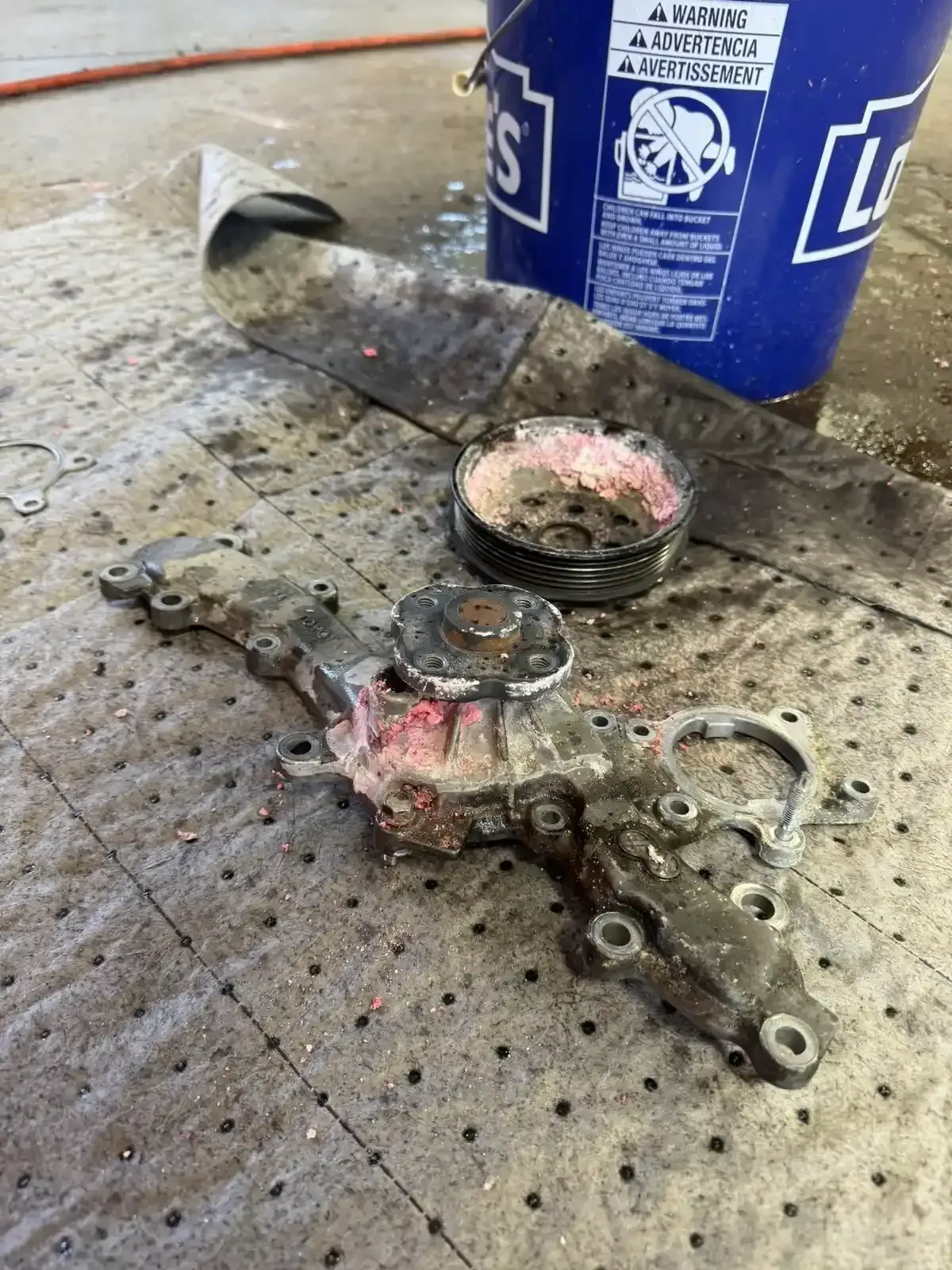
A car’s water pump can fail because of age and wear, contaminated coolant, corrosion, a damaged seal or bearing, or a problem with the belt system that drives it. When the pump...
By Sun Valley Auto Repair • October 9, 2026
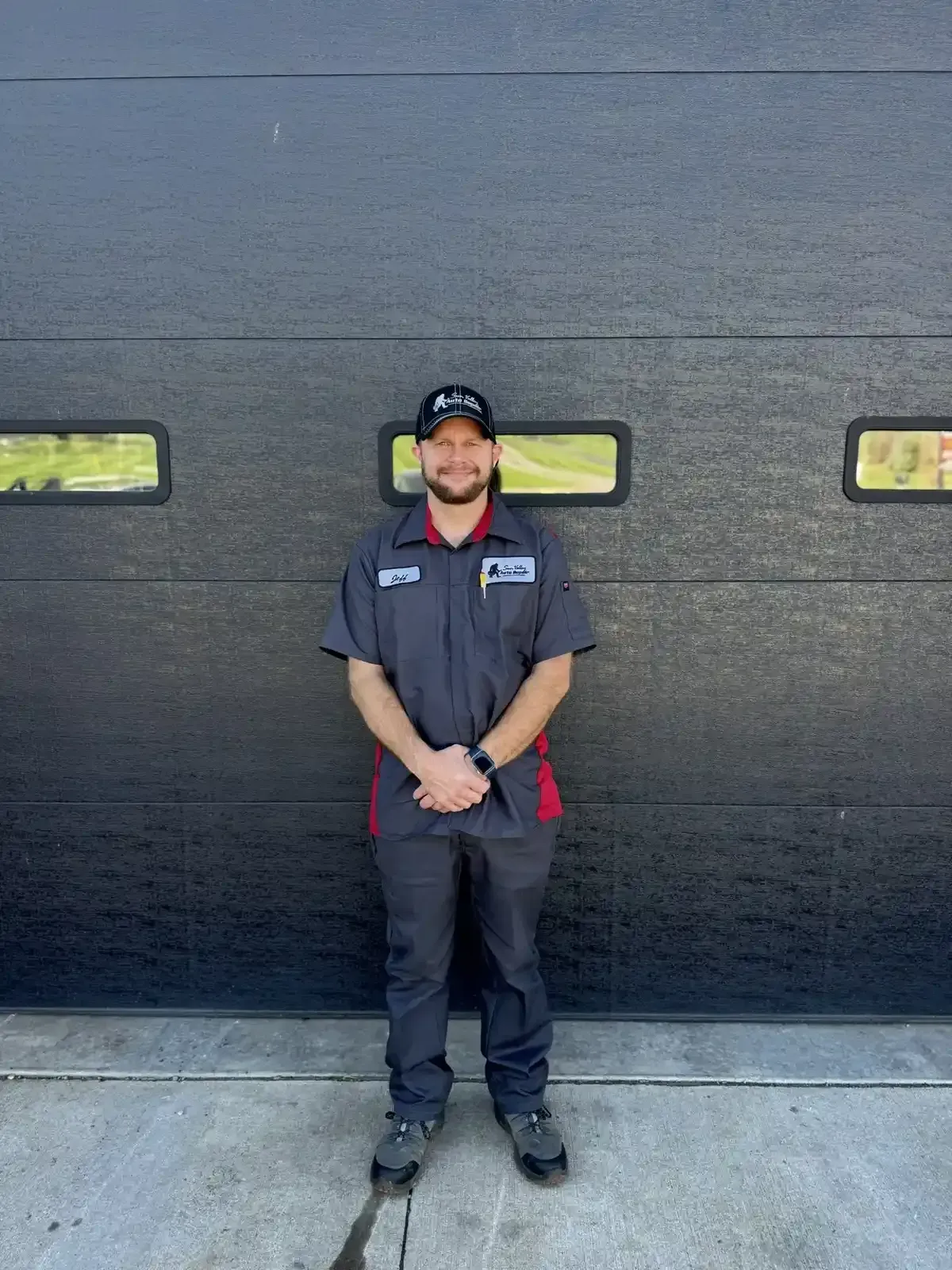
There’s a new face at the front counter! Please join us in welcoming Jeff to the Sun Valley Auto Repair team.
By Sun Valley Auto Repair • October 5, 2026
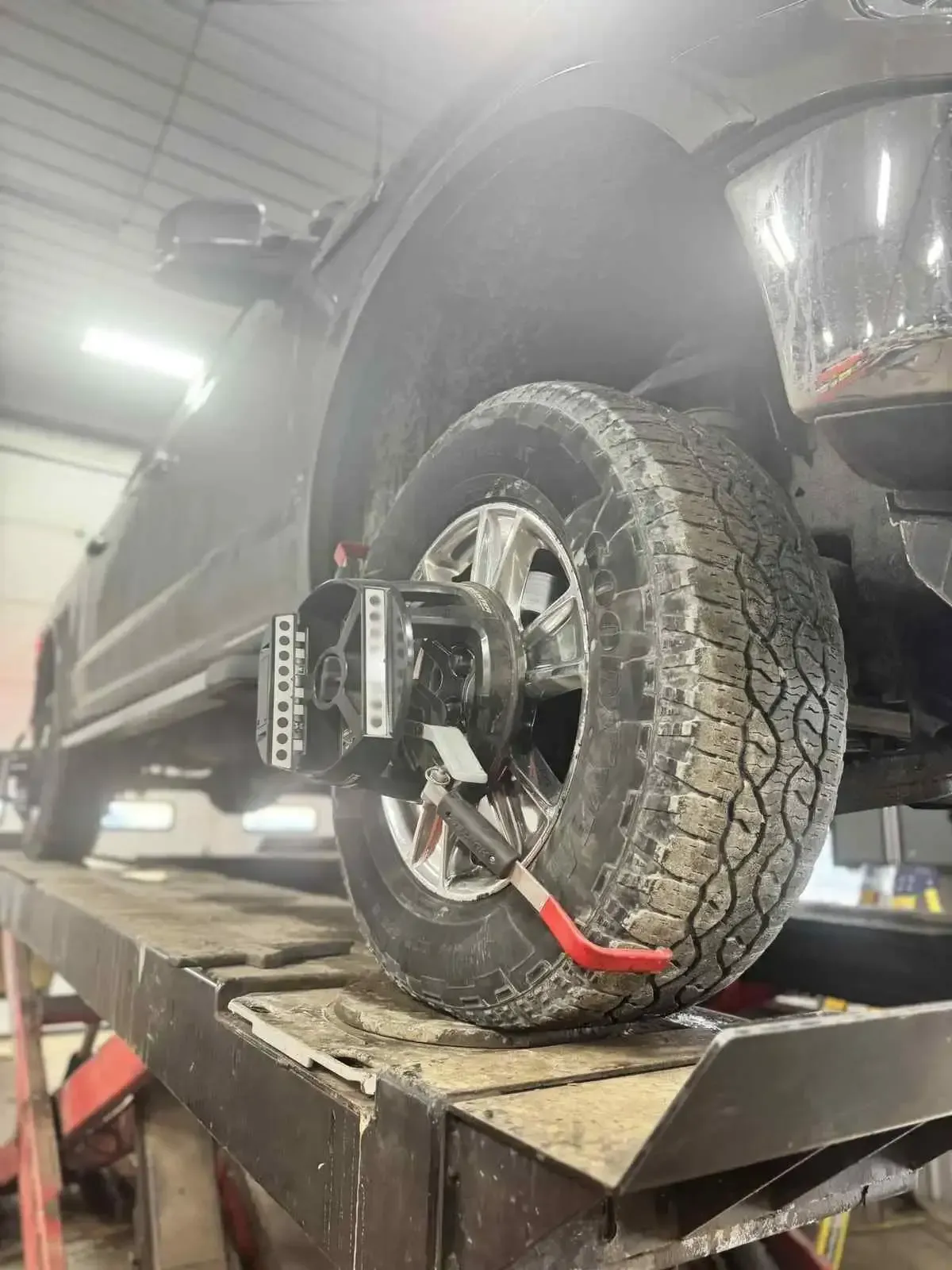
Getting new tires does not automatically mean your vehicle needs an alignment adjustment. It is, however, a good time to have the alignment checked. If your old tires wore...
By Sun Valley Auto Repair • September 28, 2026
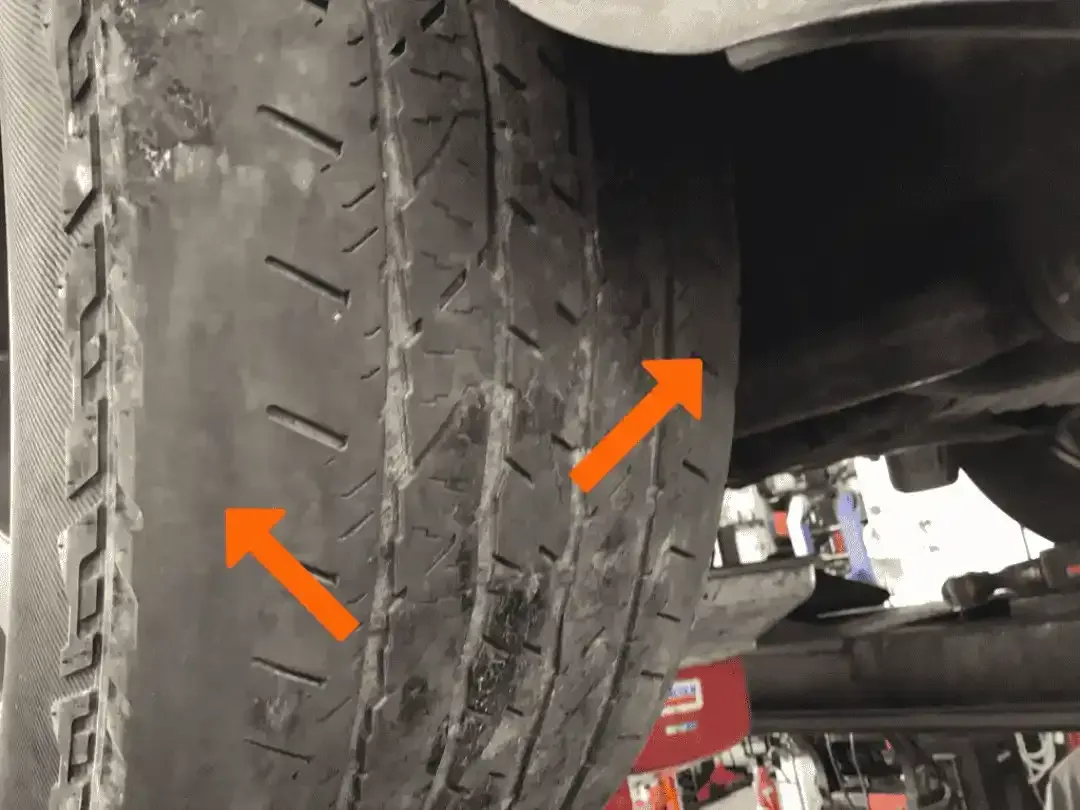
Before winter arrives in Ohio, check your tires for low tread, uneven wear, cracks, bulges and repeated air-pressure loss. Tires should have at least 2/32 inch of tread to remain...
By Sun Valley Auto Repair • August 31, 2026
You turn on your car’s A/C expecting a blast of cold air, but instead you get warm—or barely cool—air coming through the vents. What’s going on?
By Sun Valley Auto Repair • August 18, 2026
If you've noticed that one edge of your tire is wearing faster than the other, bald spots are developing, or one tire looks noticeably different from the others, your vehicle may...
By Sun Valley Auto Repair • August 12, 2026
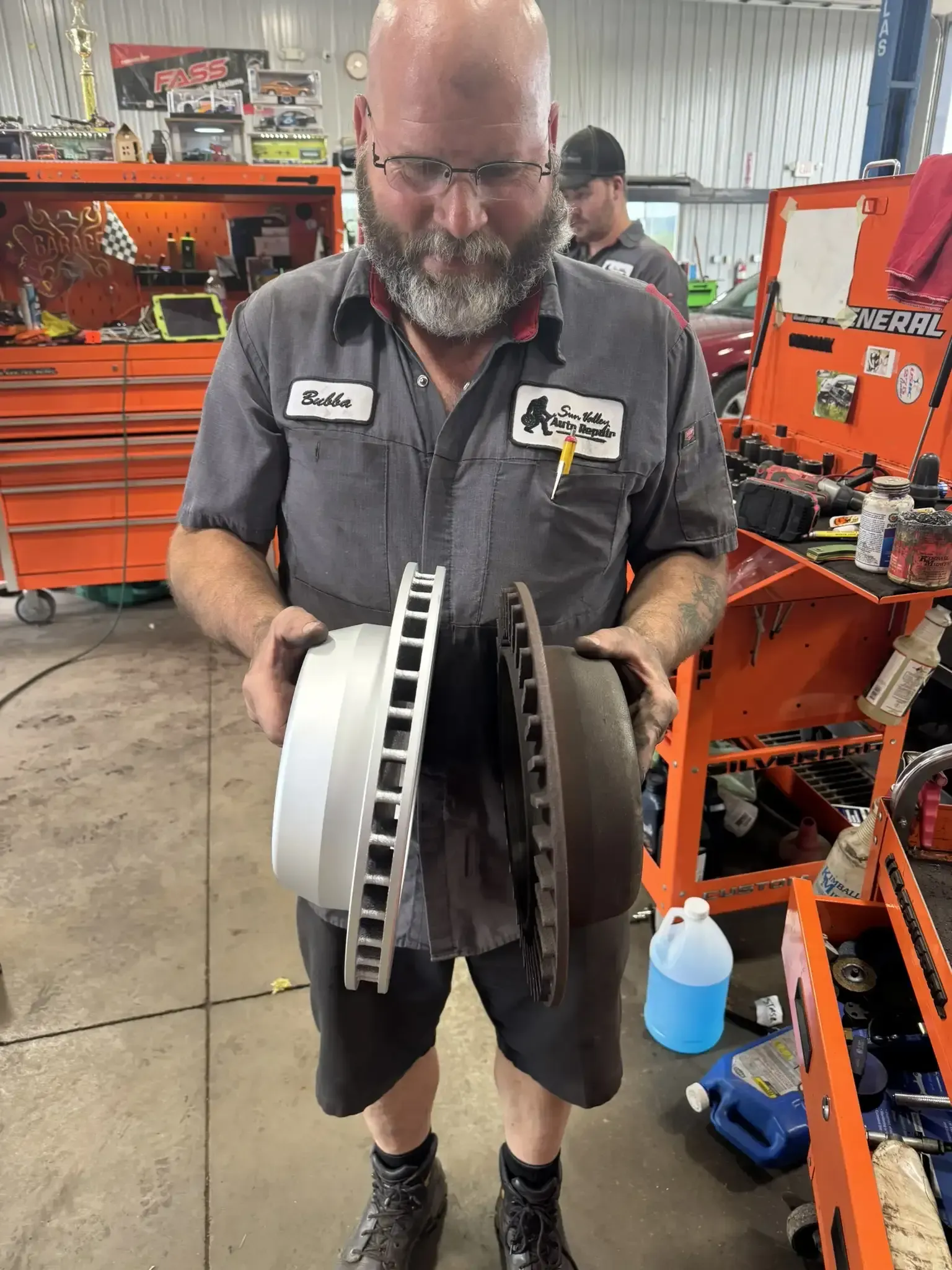
If you've started hearing a grinding noise when you press the brake pedal , don't ignore it. Grinding brakes can be caused by something as simple as surface rust, but they can...
By Sun Valley Auto Repair • July 30, 2026
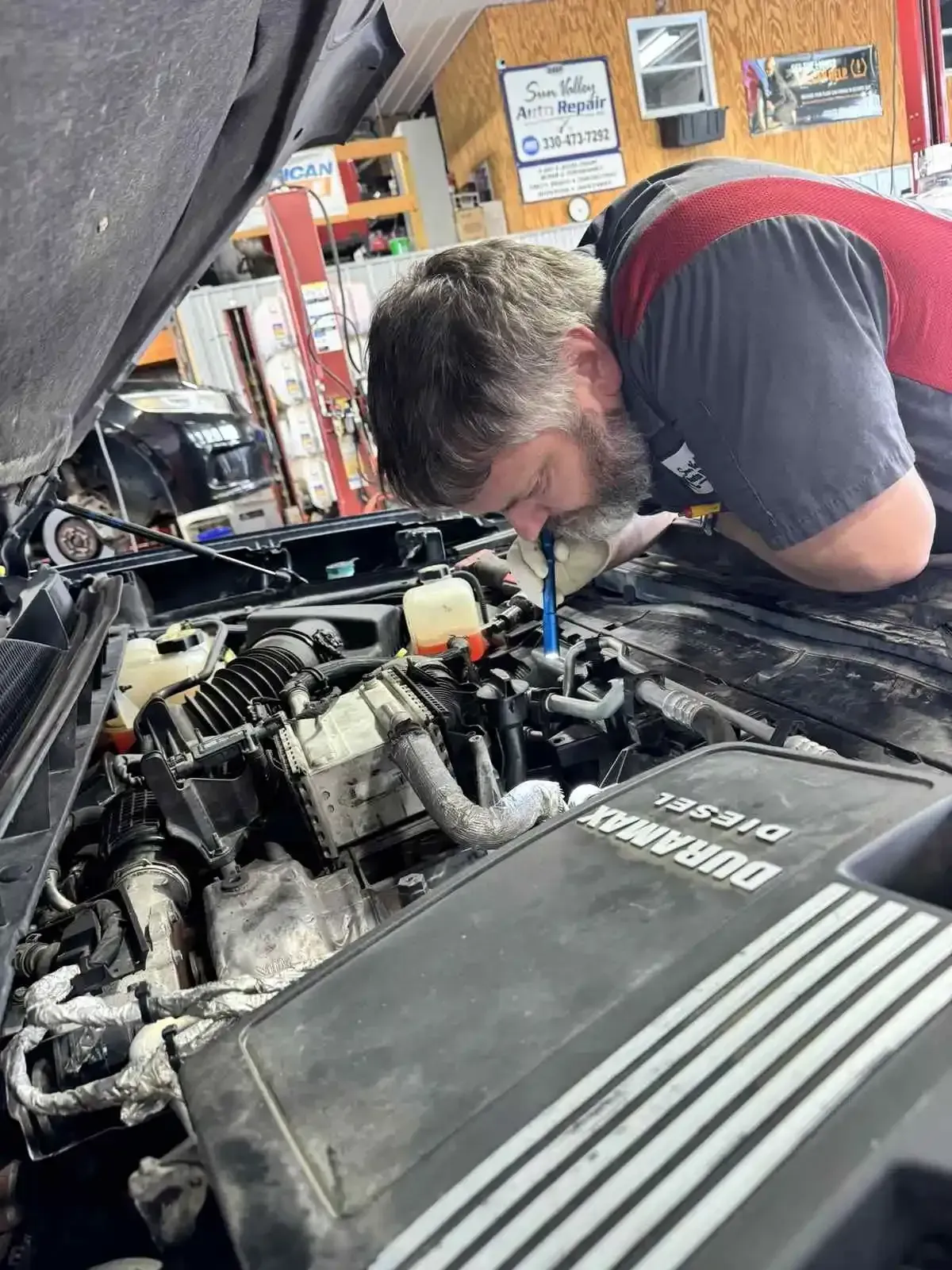
Have you ever wondered what your mechanic is actually looking at when they inspect your vehicle?
By Sun Valley Auto Repair • July 16, 2026
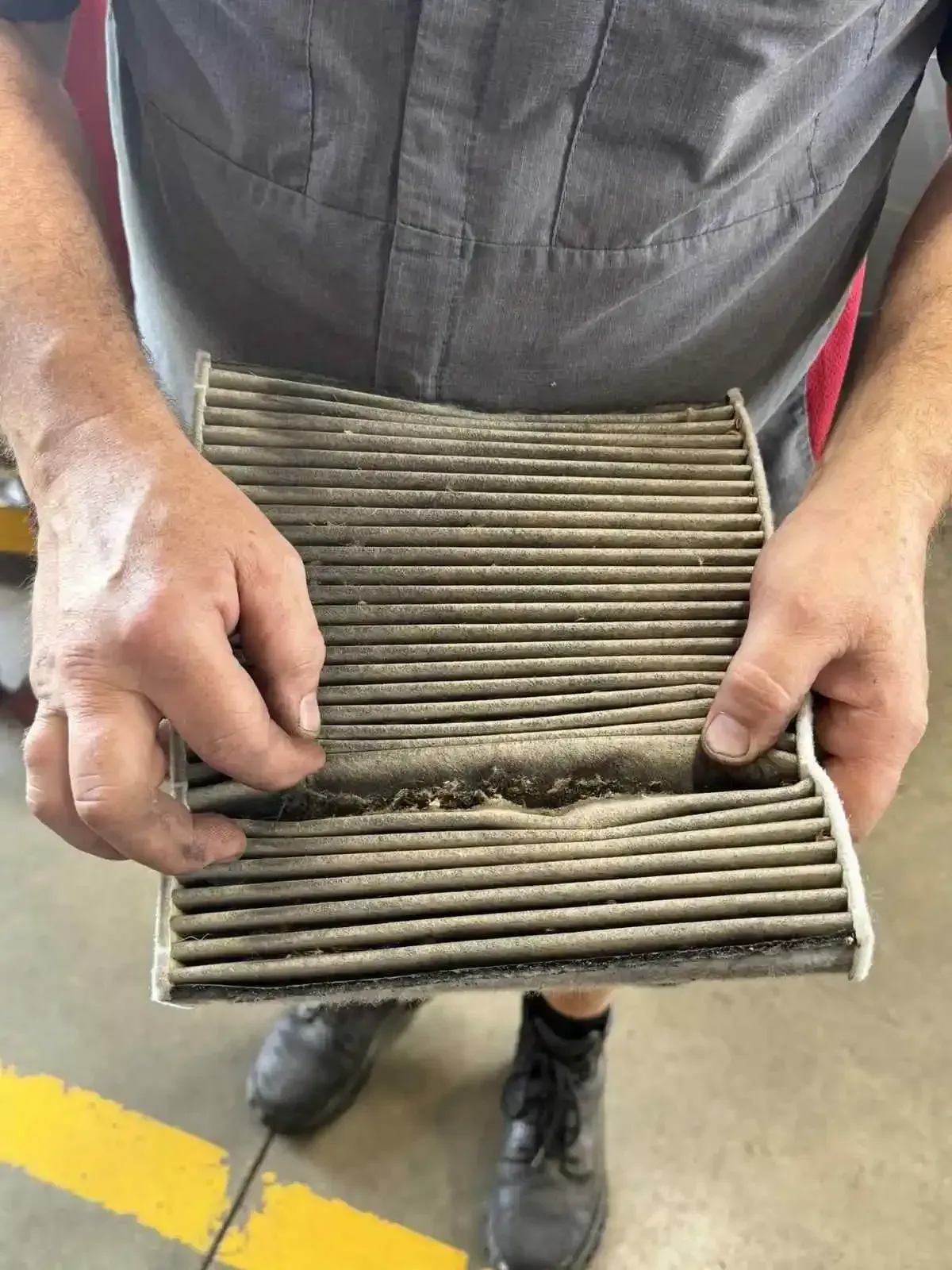
If your business depends on a work truck, van, or commercial fleet, keeping your vehicles properly maintained isn't just good practice—it's essential to protecting your bottom...
By Sun Valley Auto Repair • July 10, 2026
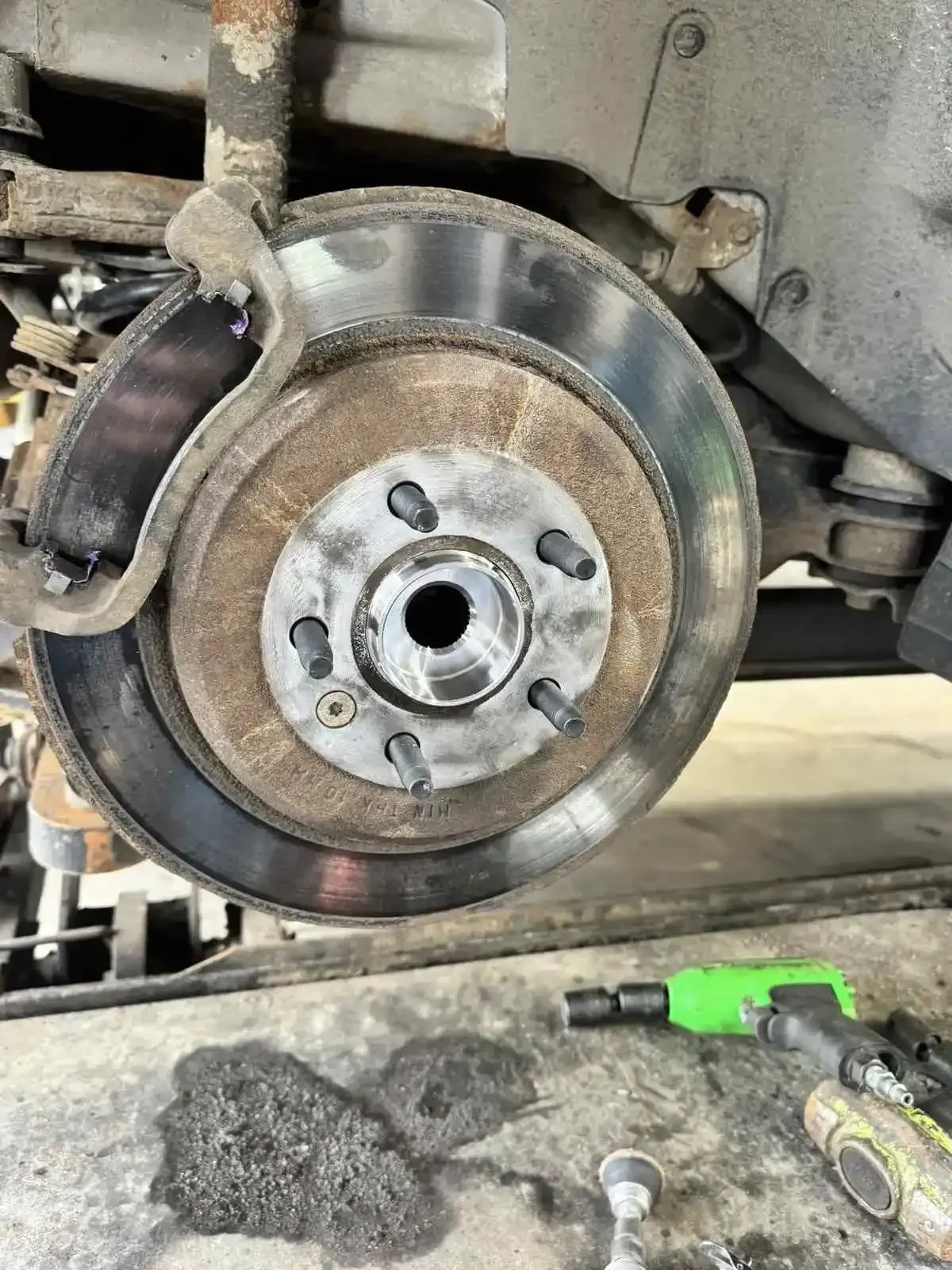
Short answer: Yes—in most cases, we recommend replacing your brake rotors and brake pads at the same time.

Show More