Why Are My Tires Wearing Unevenly?

Sun Valley Auto Repair • August 18, 2026

Share this article


If you've noticed that one edge of your tire is wearing faster than the other, bald spots are developing, or one tire looks noticeably different from the others, your vehicle may be trying to tell you something.

Uneven tire wear isn't always just a tire problem. It can be a sign of incorrect wheel alignment, worn steering or suspension components, improper tire pressure, a tire balance concern, or simply that the tires haven't been rotated regularly.

At Sun Valley Auto Repair in Sugarcreek, Ohio, we pay close attention to tire wear because the pattern can provide valuable clues about what's happening with the vehicle. Finding the cause early may help extend the life of your tires and prevent additional problems.

What Causes Uneven Tire Wear?

Several different conditions can cause tires to wear unevenly. Here are some of the most common causes we see.

1. Wheel Alignment

One of the most common causes of uneven tire wear is incorrect wheel alignment .

Your vehicle's wheels are designed to operate at very specific angles. When those angles are outside specification, one portion of the tire may contact the road differently and wear faster than the rest of the tread.

Potholes, rough roads, curbs, and worn steering or suspension components can all affect alignment.

With the hills, curves, potholes, and rural roads throughout Holmes and Tuscarawas Counties, it's a good idea to pay attention to changes in tire wear, steering feel, or how your vehicle tracks down the road.

2. Worn Steering or Suspension Parts

An alignment isn't always the whole story.

Worn ball joints, tie rods, control arm bushings, wheel bearings, struts, and other steering or suspension components can allow unwanted movement at the wheel.

If a worn component allows the alignment angles to change while you're driving, simply performing an alignment may not correct the underlying problem.

That's why inspecting the steering and suspension system can be an important part of diagnosing unusual tire wear.

3. Incorrect Tire Pressure

Both underinflation and overinflation can change the way a tire contacts the road.

A consistently underinflated tire may develop additional wear toward the outer edges of the tread. A consistently overinflated tire may wear more heavily toward the center.

Your tires can also lose pressure as temperatures change, which is especially noticeable during Ohio's fall and winter months.

Checking your tire pressure regularly and keeping the tires inflated to the vehicle manufacturer's specification is one of the simplest ways to help promote even tire wear.

4. Tire Balance or Tire-Related Problems

A tire and wheel assembly that isn't properly balanced can contribute to vibration and irregular tire wear.

Sometimes, however, a conventional tire balance doesn't tell the entire story.

Road Force balancing can help identify certain tire and wheel conditions that may cause vibration even when the assembly appears properly balanced.

If your vehicle shakes or vibrates at certain speeds, the tires and wheels are one of several areas that may need to be inspected.

5. Not Rotating Your Tires

The tires on your vehicle don't all experience the same forces.

Depending on the vehicle, the front and rear tires may experience different loads from steering, acceleration, braking, and vehicle weight.

Regular tire rotations help distribute that wear more evenly and can help you get the most usable life from your tires.

However, rotating tires won't fix an underlying alignment, suspension, or tire problem. If abnormal wear has already developed, it's important to determine why.

What Do Different Tire Wear Patterns Mean?

Where and how a tire is wearing can provide clues about the possible cause.

Inside-Edge Tire Wear

If the inside edge of a tire is wearing significantly faster than the rest of the tread, alignment angles or worn steering and suspension components may be contributing to the problem.

If you're wondering, "Why are my tires wearing on the inside?" don't assume replacing the tires alone will solve it. The cause of the wear should also be investigated.

Outside-Edge Tire Wear

Wear concentrated along the outside edge of a tire may be associated with alignment, tire pressure, driving conditions, or steering and suspension concerns.

An inspection and alignment measurement can help determine what's actually happening.

Wear on Both Outer Edges

When both outside edges of the tread are wearing more quickly than the center, underinflation may be one possible cause.

Check the tire pressures against the vehicle manufacturer's specification and inspect the tire for a leak if it continually loses air.

Center Tire Wear

A tire that is wearing primarily through the center of the tread may have been operated with too much air pressure.

Remember that the maximum pressure printed on the tire's sidewall isn't necessarily the pressure your vehicle requires. The proper tire pressure is generally listed on the vehicle's tire information label, commonly located in the driver's door jamb.

Cupped or Scalloped Tire Wear

Cupping typically appears as a series of uneven high and low spots around the tire.

This type of irregular wear may be associated with tire balance, worn suspension components, tire or wheel concerns, or other mechanical issues.

One Tire Wearing Faster Than the Others

If one tire is noticeably more worn than the others, there may be a problem specific to that corner of the vehicle.

Alignment, steering or suspension components, tire condition, tire pressure, or a lack of regular rotations could all play a role.

The wear pattern gives us somewhere to start, but the tire itself can't tell us the entire story.

What We See at Sun Valley Auto Repair

When a vehicle comes into Sun Valley Auto Repair with uneven tire wear, we don't automatically assume it simply needs an alignment.

The tire wear itself is part of the information we use to determine what needs to be checked.

We may need to look at tire pressure and condition, alignment measurements, wheel balance, and steering or suspension components such as ball joints, tie rods, bushings, struts, or wheel bearings.

The goal is to determine why the tire wore unevenly , rather than simply replacing the tire and potentially allowing the same thing to happen again.

Can I Just Replace the Tires?

You can replace worn tires, but if the underlying cause isn't corrected, your new tires may begin developing the same wear pattern.

For example, installing new tires won't correct a worn suspension component or an alignment problem.

If the tires are worn enough to require replacement, it's a good opportunity to determine what caused the wear before—or at the same time as—installing the new tires.

Do Unevenly Worn Tires Mean I Need an Alignment?

Not necessarily.

Uneven tire wear is certainly a reason to check the alignment , but an alignment isn't the only possible cause.

If steering or suspension components are worn, those concerns may need to be addressed before the vehicle can be properly aligned.

That's why we don't suggest assuming that every unusual tire-wear pattern can be corrected with an alignment alone.

Frequently Asked Questions About Uneven Tire Wear

Can a bad alignment cause uneven tire wear?

Yes. Incorrect wheel alignment angles can cause one area of a tire to contact the road differently and wear faster than the rest of the tread. However, worn steering or suspension components can also contribute to alignment and tire-wear concerns.

Will rotating my tires fix uneven tire wear?

A tire rotation can help promote more even wear over the life of your tires, but it won't correct an alignment or mechanical problem that is causing abnormal wear.

If a tire has already developed significant uneven wear, rotating it doesn't undo that damage.

Do I need an alignment if my tires are wearing unevenly?

Possibly, but the alignment should be measured rather than assumed.

Depending on the wear pattern and other symptoms, the tires, steering, and suspension may also need to be inspected.

Why are my tires wearing on the inside?

Inside-edge tire wear can be related to wheel alignment angles or worn steering and suspension components. Because there are multiple possible causes, the vehicle should be inspected before assuming an alignment alone will correct the problem.

Can bad suspension parts ruin new tires?

Yes. If a worn steering or suspension component allows excessive movement or affects wheel alignment, new tires can begin developing abnormal wear.

That's one reason it's important to identify the cause of uneven tire wear before simply replacing the tires.

Can I drive on unevenly worn tires?

It depends on how severe the wear is.

Minor irregular wear may simply indicate that something needs attention, while a tire with very low tread, exposed cords, damage, or severe uneven wear may no longer be safe to continue driving on.

If you're unsure about the condition of a tire, having it inspected is the safest way to determine whether it should remain in service.

Have Your Uneven Tire Wear Checked in Sugarcreek, Ohio

If you've noticed your tires wearing on the inside or outside edges, developing cupping, or wearing differently from one another, Sun Valley Auto Repair can help determine why.

Our team can inspect the condition of your tires, steering and suspension components, wheel balance, and alignment as needed to help identify the cause of the wear.

Sun Valley Auto Repair is located in Sugarcreek, Ohio, and serves drivers throughout the surrounding Holmes and Tuscarawas County communities.

Catching unusual tire wear early may help protect your tires, identify developing steering or suspension concerns, and prevent you from replacing a set of tires only to have the same wear pattern return.

Why Drivers Choose Sun Valley Auto Repair

  • ASE-Certified Technicians
  • Digital Vehicle Inspections with Photos
  • Hunter Road Force® Wheel Balancing
  • 3-Year / 36,000-Mile Warranty on Most Repairs
  • Friendly, Honest Service
  • Serving Sugarcreek, Dover, New Philadelphia, Strasburg, Berlin, Millersburg, Walnut Creek, Baltic, and surrounding communities

Ready to have your tire wear checked? Schedule your next service appointment with Sun Valley Auto Repair today. We look forward to keeping your vehicle running safely and smoothly for miles to come.

Stay Connected!

Like us on Facebook

Follow us on Instagram

Learn More About Us

Join Our Team

Subscribe to our YouTube Channel

Recent Posts

By Sun Valley Auto Repair • October 9, 2026
A car’s water pump can fail because of age and wear, contaminated coolant, corrosion, a damaged seal or bearing, or a problem with the belt system that drives it. When the pump...
By Sun Valley Auto Repair • October 9, 2026
There’s a new face at the front counter! Please join us in welcoming Jeff to the Sun Valley Auto Repair team.
By Sun Valley Auto Repair • October 5, 2026
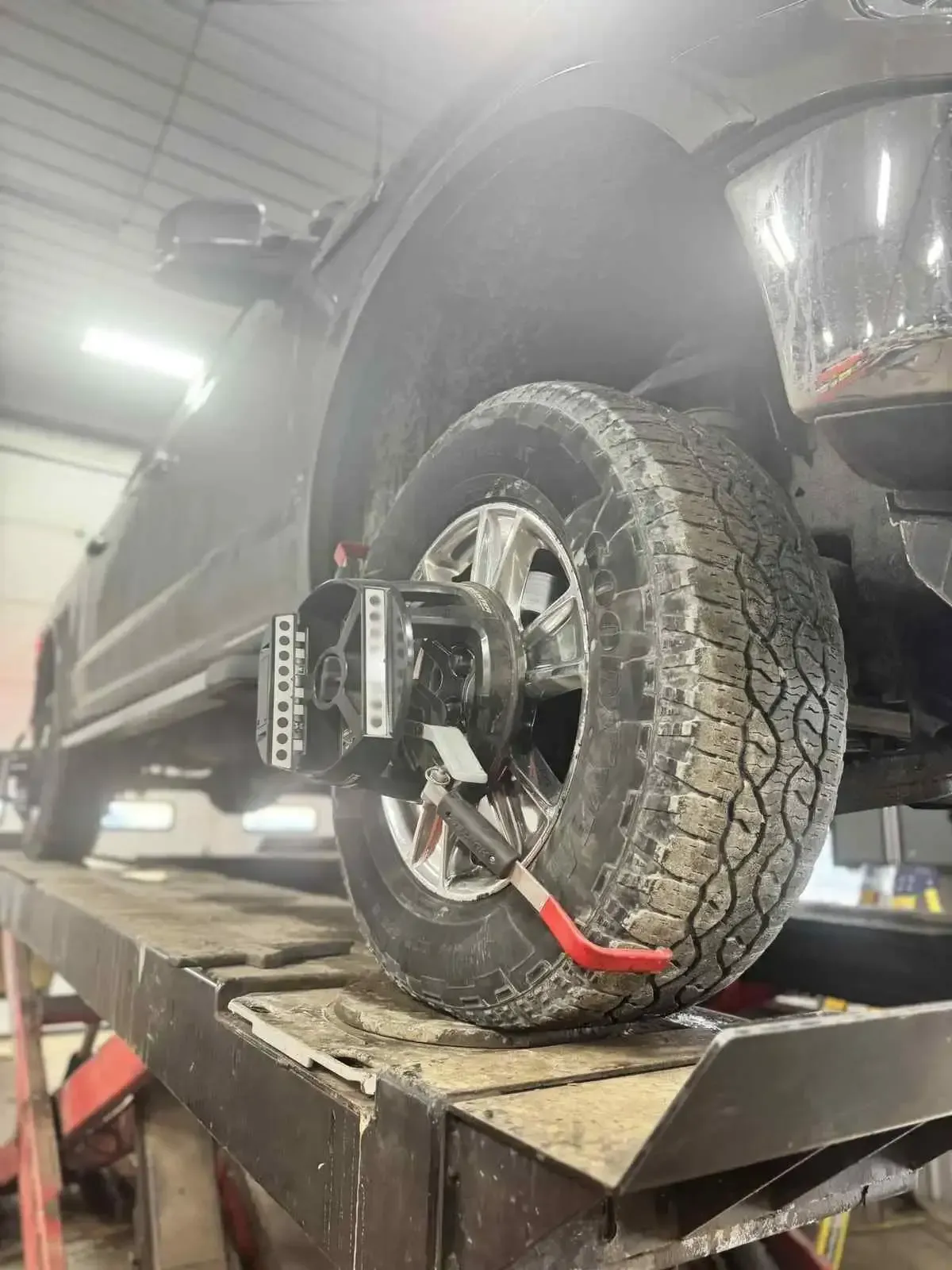
Getting new tires does not automatically mean your vehicle needs an alignment adjustment. It is, however, a good time to have the alignment checked. If your old tires wore...
By Sun Valley Auto Repair • September 28, 2026
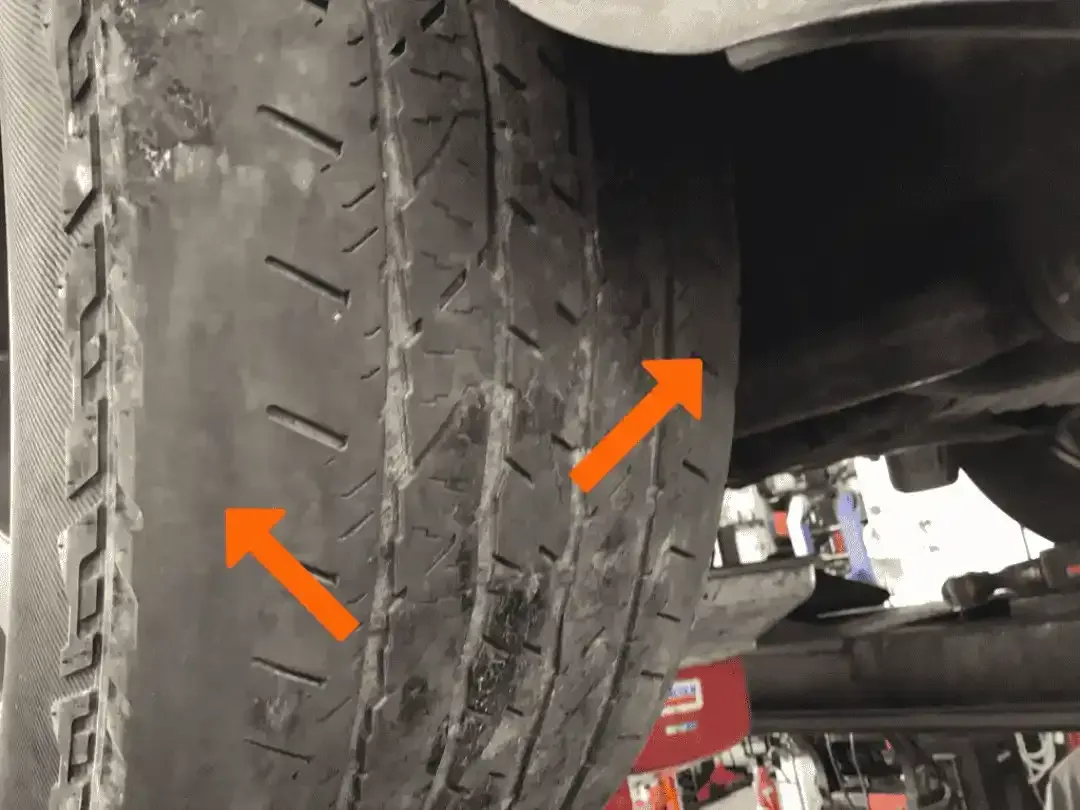
Before winter arrives in Ohio, check your tires for low tread, uneven wear, cracks, bulges and repeated air-pressure loss. Tires should have at least 2/32 inch of tread to remain...
By Sun Valley Auto Repair • August 31, 2026
You turn on your car’s A/C expecting a blast of cold air, but instead you get warm—or barely cool—air coming through the vents. What’s going on?
By Sun Valley Auto Repair • August 12, 2026
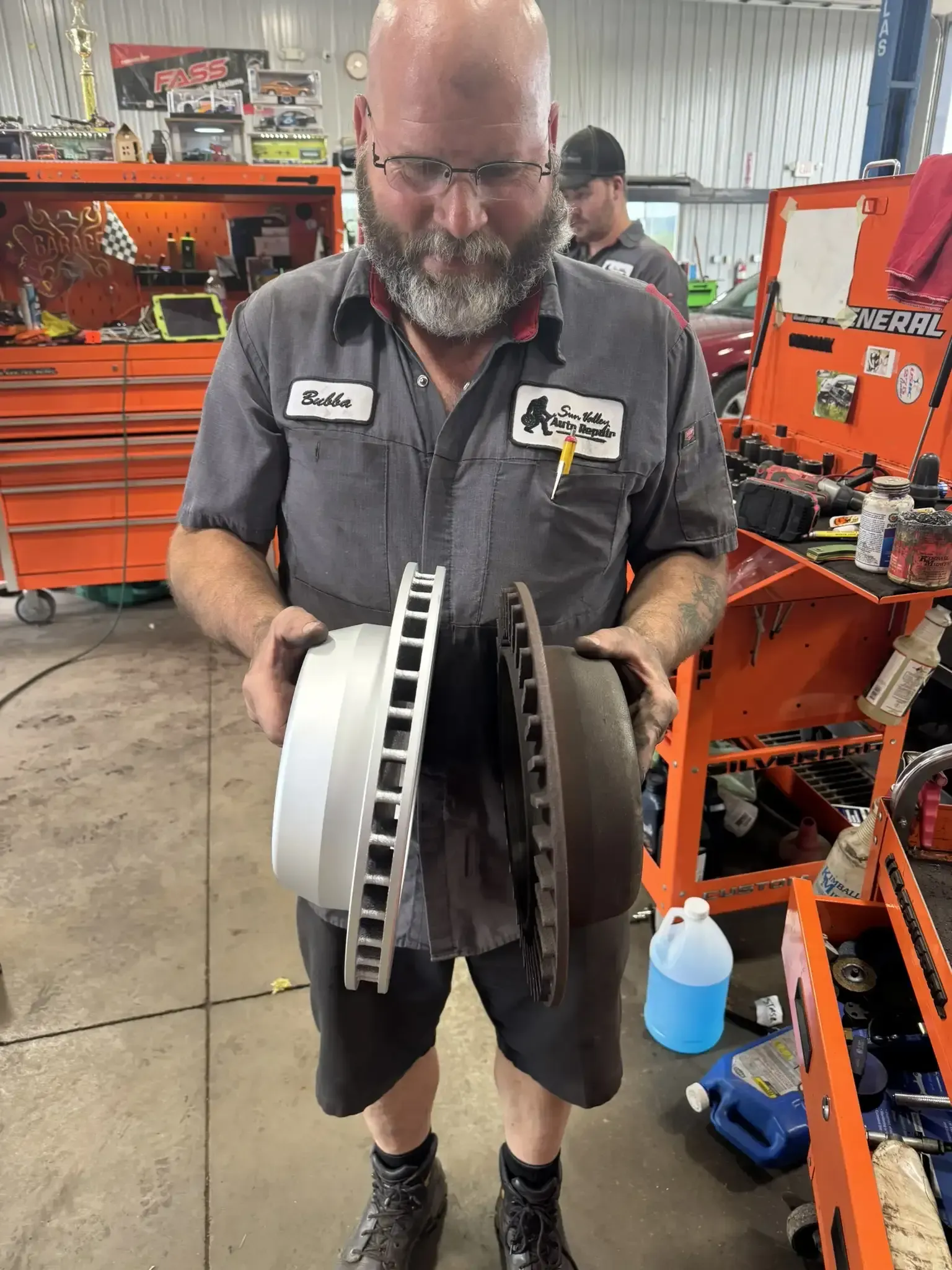
If you've started hearing a grinding noise when you press the brake pedal , don't ignore it. Grinding brakes can be caused by something as simple as surface rust, but they can...
By Sun Valley Auto Repair • July 30, 2026
Have you ever wondered what your mechanic is actually looking at when they inspect your vehicle?
By Sun Valley Auto Repair • July 16, 2026
If your business depends on a work truck, van, or commercial fleet, keeping your vehicles properly maintained isn't just good practice—it's essential to protecting your bottom...
By Sun Valley Auto Repair • July 10, 2026
Short answer: Yes—in most cases, we recommend replacing your brake rotors and brake pads at the same time.

By Sun Valley Auto Repair • July 2, 2026
There are few things more frustrating than hearing a new noise from your vehicle—especially when you can't figure out where it's coming from.

Show More