Why Is My Car Making a Grinding Noise When I Brake? 7 Possible Causes
If you've started hearing a grinding noise when you press the brake pedal , don't ignore it. Grinding brakes can be caused by something as simple as surface rust, but they can also indicate worn brake pads, damaged rotors, or another problem that needs attention.
At Sun Valley Auto Repair in Sugarcreek, Ohio , grinding brakes are a concern we take seriously because your braking system is one of your vehicle's most important safety systems.
Why Are My Brakes Grinding?
The short answer: something in your braking system may be worn, damaged, rusted, or making contact where it shouldn't.
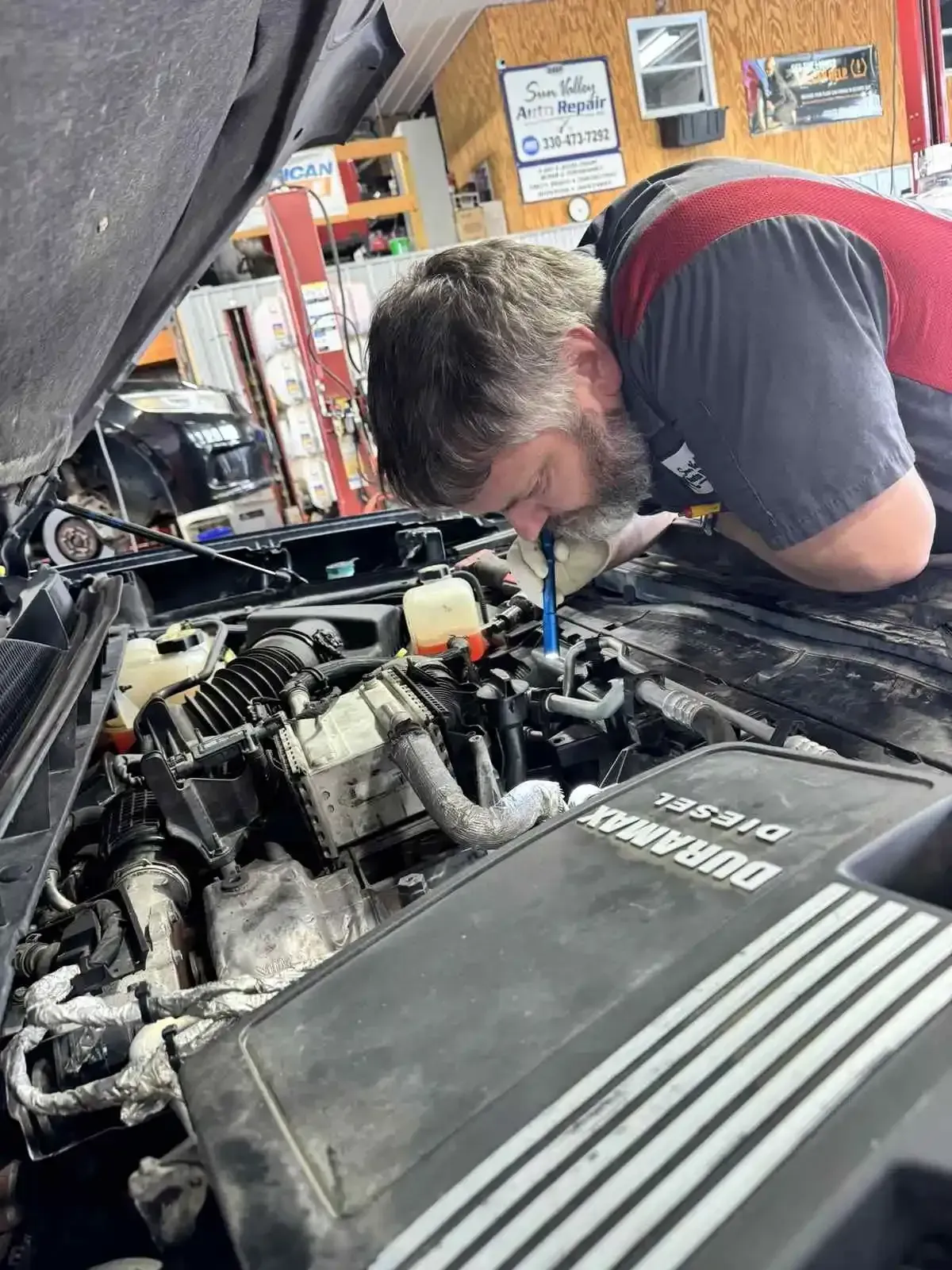
The exact cause can't always be determined from the sound alone. A proper brake inspection allows a technician to check the brake pads, rotors, calipers, hardware, and other related components to determine what's actually causing the noise.
Here are seven common possibilities.
1. Your Brake Pads Are Worn Out
One of the most common causes of grinding brakes is brake pads that have worn too thin .
Brake pads are designed with friction material that presses against the brake rotor to slow your vehicle. As you drive, that material gradually wears away.
If the pads become severely worn, metal components can begin contacting the brake rotor. This can create the harsh grinding sound you hear when braking.
Other signs of worn brake pads can include:
- Squeaking or squealing
- Longer stopping distances
- A change in how the brake pedal feels
- Brake warning indicators on some vehicles
- Visible low brake-pad thickness
Continuing to drive on severely worn brake pads can also damage other braking components and turn what might have been a straightforward brake repair into a more extensive one.
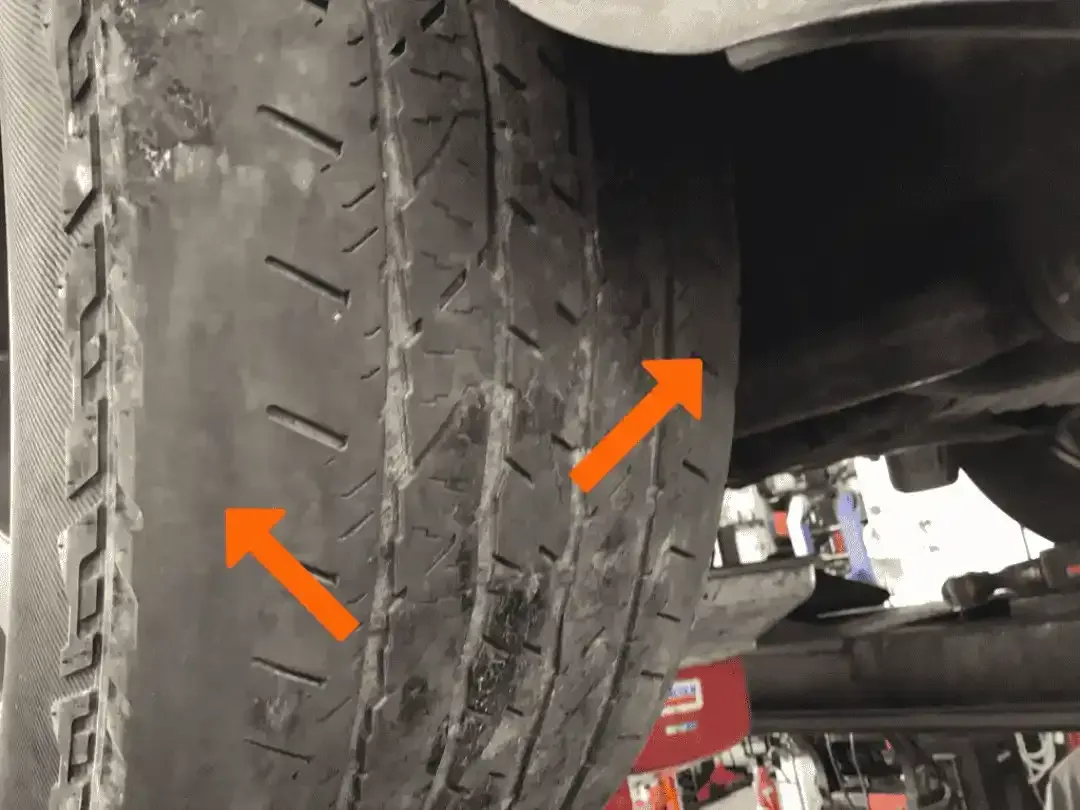
2. Your Brake Rotors Are Worn or Damaged
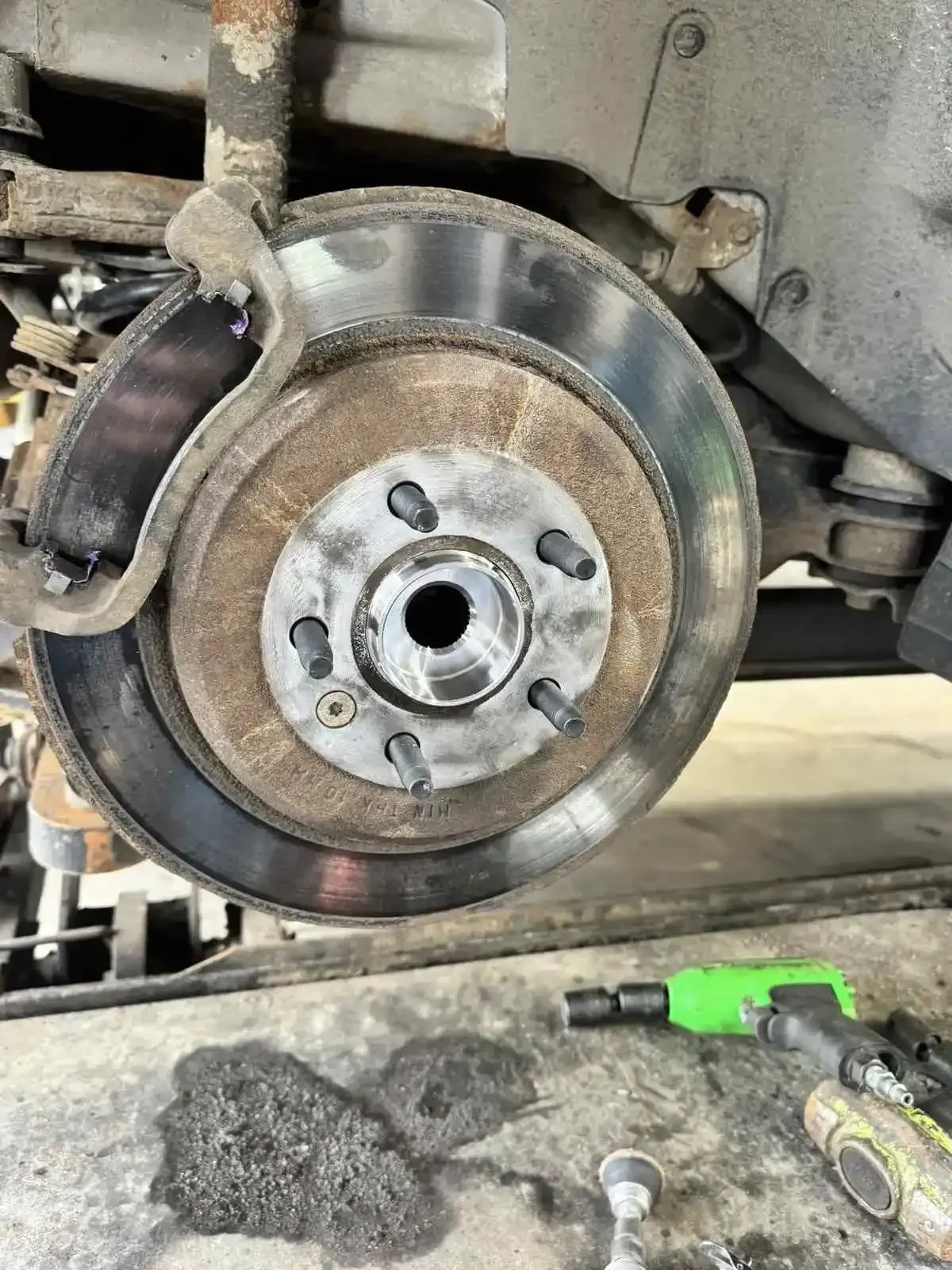
Your brake rotors are the metal discs that the brake pads clamp against when you apply the brakes.
Over time, rotors can become:
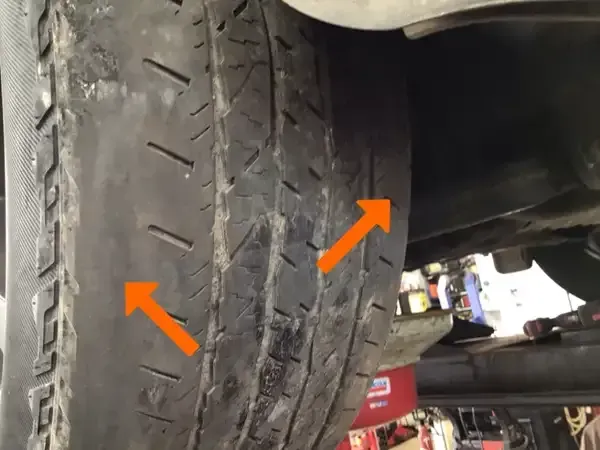
- Scored or grooved
- Heavily rusted
- Worn below specification
- Unevenly worn
- Damaged from metal-to-metal contact
A damaged rotor can cause grinding or scraping noises and may also contribute to vibration or pulsation while braking.
If you're wondering whether both components need to be replaced, read our guide on whether brake rotors should be replaced with brake pads .
If we find damaged rotors during a brake inspection, we'll evaluate their condition and measurements to determine the appropriate repair.
3. Rust Has Built Up on the Brake Rotors
Not every grinding noise means your brakes are worn out.
Brake rotors are made of metal and can develop surface rust when a vehicle sits , particularly after rain, washing the vehicle, or exposure to moisture.
You may notice a scraping or grinding sound during the first few stops after the vehicle has been sitting. Light surface rust will often wear away as the brakes are used.
However, grinding that continues, gets worse, or is accompanied by other symptoms should be inspected. Significant rust can damage the braking surfaces and isn't the same as the light film of surface rust that develops overnight.
4. A Brake Caliper Isn't Working Properly
The brake caliper applies pressure to the brake pads when you press the brake pedal.
If a caliper or related component isn't operating correctly, a brake may remain partially applied instead of releasing as it should.
You might notice:
- Grinding or scraping
- One wheel getting unusually hot
- A burning smell
- The vehicle pulling while driving or braking
- Excessive brake dust on one wheel
- Uneven brake-pad wear
A sticking brake can generate significant heat, so this is something you'll want inspected promptly.
5. Brake Hardware Is Damaged or Out of Position
Your braking system contains more than pads and rotors. Clips, brackets, shims, slides, and other hardware help everything operate and remain positioned correctly.
If something becomes loose, damaged, corroded, or improperly positioned, it may contact the rotor and create a scraping or grinding sound.
This is one reason we don't suggest replacing parts based on a noise alone. Finding the source of the noise matters.
6. A Backing Plate or Dust Shield Is Rubbing
Sometimes a metallic scraping noise that sounds like a brake problem isn't caused by worn brake pads at all.
The thin metal shield located behind the brake rotor can become bent and begin rubbing against the rotor.
The resulting noise can sound surprisingly serious and may change as the vehicle moves or turns.
A visual inspection can usually determine whether the shield is making contact.
7. The Noise May Not Be Coming From the Brakes
This is an important one.
A grinding or growling noise near a wheel doesn't automatically mean you need brakes.
Problems involving a wheel bearing, suspension component, tire, or other rotating component can sometimes create noises that customers understandably assume are coming from the brakes.
Pay attention to when the noise occurs.
Does it happen:
- Only when you press the brakes?
- While driving even when you're not braking?
- When turning?
- At certain speeds?
- When first taking off?
- After the vehicle has been sitting?
Those details can help your technician narrow down the source of the problem.
Can I Keep Driving If My Brakes Are Grinding?
We wouldn't suggest continuing to drive normally with an unexplained, persistent grinding noise while braking .
Routine brake inspections and maintenance are important for identifying worn components before they lead to more extensive repairs. AAA also recommends having your brakes inspected if you notice unusual noises, vibrations, or changes in braking performance.
If the sound is caused by severely worn brake pads or another braking-system problem, continuing to drive could cause additional damage and potentially affect the vehicle's ability to stop safely.
If the grinding is severe, the vehicle isn't stopping normally, the brake pedal feels different, a wheel is getting extremely hot, or you're concerned about the vehicle's safety, don't continue driving it. Have the vehicle inspected.
Does Grinding Mean I Need Brake Pads and Rotors?
Not necessarily.
Grinding brakes can be caused by brake pads that have worn down far enough to damage the rotors, but there are several other possible causes.
That's why we prefer to inspect the braking system before telling a customer what needs replaced.
During a brake inspection, we can look at things such as:
- Brake-pad thickness and wear
- Brake-rotor condition
- Caliper operation
- Brake hardware
- Signs of overheating
- Uneven wear
- Leaks or other visible concerns
- Related components that could be causing the noise
The goal is to determine why the brakes are grinding rather than simply guessing based on the symptom.
How Low Is Too Low for Brake Pads?
Brake pads don't need to be completely worn away before they deserve attention.
As the friction material gets thinner, there is less remaining service life before the pad reaches the end of its usable range.
During a vehicle inspection, measuring the brake pads gives us a much better picture than simply saying the brakes "look low." We can document what we see and help you determine whether the brakes need immediate attention or can be monitored for a future visit.
What If My Brakes Only Grind First Thing in the Morning?
If you hear a light scraping sound during the first few stops of the day and then it disappears, surface rust on the rotors may be the cause .
This can be especially noticeable after:
- Rain
- Washing your vehicle
- Humid weather
- The vehicle sitting for several days
If the noise quickly disappears and the brakes otherwise operate normally, it may simply be surface rust being cleaned from the rotors.
If it doesn't go away , becomes louder, or you're experiencing other braking symptoms, it's worth having the brakes inspected.
What Should I Do If My Brakes Start Grinding?
Don't wait until the noise becomes significantly worse.
Schedule an inspection and tell the repair shop as much as you can about what you're experiencing. Details such as when the noise started, which side it seems to come from, and whether it changes while turning or braking can all be helpful.
At Sun Valley Auto Repair , our technicians inspect the vehicle to determine the cause and document what they find. Our Digital Vehicle Inspections can include photos and notes so you can better understand the condition of your vehicle before making repair decisions.
Grinding Brakes Near Sugarcreek, Ohio?
If you're searching for brake repair near Sugarcreek, Ohio , Sun Valley Auto Repair is here to help.
We serve drivers throughout Sugarcreek, Berlin, Walnut Creek, Dover, New Philadelphia, Millersburg, and the surrounding Holmes and Tuscarawas County areas .
Whether your brakes are grinding, squeaking, pulsating, or simply don't feel quite right, we'll inspect the system and help determine what's causing the concern.
Frequently Asked Questions About Grinding Brakes
Why are my brakes grinding when I stop?
Common possibilities include worn brake pads, damaged or rusted rotors, brake hardware problems, a sticking caliper, or another component rubbing near the wheel. An inspection is the best way to determine the actual cause.
Can worn brake pads make a grinding noise?
Yes. Severely worn brake pads can allow metal components to contact the brake rotor, producing a grinding sound.
Why do my brakes grind after it rains?
Moisture can cause a light layer of surface rust to form on brake rotors. You may hear a temporary scraping sound during the first few stops as the rust is removed.
Can a bad wheel bearing sound like grinding brakes?
It can. Wheel-bearing problems can produce grinding, humming, or growling noises near a wheel, which may be mistaken for a brake problem.
Why is one wheel hot after driving?
Excessive heat at one wheel can be associated with a brake that isn't releasing properly or another mechanical issue. Because excessive brake heat can be a safety concern, the vehicle should be inspected.
Should I replace my brake pads and rotors at the same time?
It depends on the condition and measurements of the components. The rotors should be inspected along with the brake pads so the appropriate repair can be determined.
How soon should I have grinding brakes inspected?
Persistent grinding during braking should be inspected promptly. If braking performance has changed, the pedal feels abnormal, or you have any concern about safely stopping the vehicle, avoid driving it until the braking system can be evaluated.
Ready to have your vehicle inspected? Schedule your next service appointment with Sun Valley Auto Repair today. We look forward to keeping your car happy and healthy for miles to come.
Stay Connected!
Like us on Facebook
Follow us on Instagram
Learn More About Us
Join Our Team
Subscribe to our YouTube Channel
Recent Posts