How Do I Know If My Tires Need to Be Replaced Before Winter?

Sun Valley Auto Repair • September 28, 2026

Share this article


Before winter arrives in Ohio, check your tires for low tread, uneven wear, cracks, bulges and repeated air-pressure loss. Tires should have at least 2/32 inch of tread to remain in service, but tires with more tread provide better traction in rain, slush and snow. If you are unsure about their condition, have all four tires professionally inspected before temperatures drop.

That is the short answer. However, tread depth is only one part of determining whether your tires are ready for winter driving around Sugarcreek, Berlin, Walnut Creek and the surrounding communities.

Why Tire Condition Matters Before an Ohio Winter

Your tires are the only parts of your vehicle that make contact with the road. Their ability to grip the pavement affects steering, braking and overall vehicle control.

Cold temperatures can also cause tire pressure to decrease. A tire that was properly inflated during warmer weather may become under inflated as temperatures fall. Under inflation can contribute to uneven wear, reduced fuel economy and poor handling.

The National Highway Traffic Safety Administration recommends inspecting tires at least monthly and before long trips. It also advises checking pressure when the tires are cold and using the pressure listed on the vehicle's door-jamb label—not the maximum pressure printed on the tire.

5 Signs Your Tires May Need to Be Replaced Before Winter

1. The tread is worn down

Tread helps channel water and slush away from the tire so it can maintain contact with the road. The federal minimum tread depth is 2/32 inch, but waiting until the absolute minimum may leave you with less traction when winter weather arrives.

At Sun Valley Auto Repair, we measure tire tread during an inspection so you know the condition of each tire. If the tread is getting low, we can help you decide whether replacement should happen now or can be planned for later.

2. The tires are wearing unevenly

One edge of a tire may wear faster than the other, or the tread may develop cupping or unusual patterns. Uneven tire wear can be related to incorrect tire pressure, alignment concerns, worn steering or suspension components, or missed tire rotations.

Replacing a worn tire without addressing the cause could allow the new tire to wear prematurely. That is why a complete inspection matters.

3. You see cracks, cuts, bulges or exposed cords

Damage to the tread or sidewall should never be ignored. Cracks, deep cuts, bubbles, bulges or visible cords can indicate that a tire is no longer safe to use. A professional should inspect the tire as soon as possible.

4. A tire repeatedly loses air

If you regularly have to add air to the same tire, there may be a puncture, leaking valve stem, wheel issue or other problem. Some punctures can be properly repaired, while damage in certain areas may require replacement.

5. You notice vibration, pulling or poor traction

Vibration, pulling to one side or a noticeable decline in wet-weather traction deserves attention. These symptoms do not automatically mean the tires need replacing, but they can point to tire, wheel, balance, alignment or suspension concerns.

How Can I Check My Tire Tread at Home?

You can perform a quick check with a tread-depth gauge. Measure several locations across each tire because wear may not be even.

You can also look for the built-in tread-wear bars that run across the tire's grooves. When the tread is level with these bars, the tire has reached approximately 2/32 inch and should be replaced.

A home check is helpful, but it does not replace a professional inspection. A technician can evaluate tread depth across all four tires, tire age, sidewall condition, air pressure and the wear pattern.

Do I Need Winter Tires in Sugarcreek, Ohio?

Not every driver needs dedicated winter tires. The right choice depends on where and how you drive, your vehicle, your schedule and whether you must travel before roads are cleared.

All-season tires may work well for many local drivers when they have adequate tread and are in good condition. Winter tires can provide additional traction in cold temperatures, snow and ice. If you regularly drive rural roads, hills or early-morning routes, ask us whether winter tires make sense for your situation.

Should I Replace Two Tires or All Four?

The answer depends on the vehicle, drivetrain, remaining tread and tire manufacturer requirements. Differences in tire size or tread depth can affect handling and may be especially important on all-wheel-drive vehicles.

If only two tires are being replaced, proper placement is important for vehicle stability. We will evaluate the complete set and recommend the safest option for your vehicle rather than making a one-size-fits-all recommendation.

What Happens During a Fall Tire and Safety Inspection?

A useful pre-winter inspection may include:

  • Measuring tread depth on all four tires
  • Checking tire pressure and overall condition
  • Looking for cracks, bulges, punctures and uneven wear
  • Inspecting the brakes
  • Evaluating steering and suspension components
  • Checking the battery and charging system
  • Inspecting coolant, lights and windshield wipers
  • Reviewing maintenance that may be due

At Sun Valley Auto Repair, our digital vehicle inspection helps you see the condition of your vehicle and understand which items need attention now, which can be planned for later and which are in good condition.

Frequently Asked Questions About Winter Tire Readiness

When should I have my tires checked before winter?

Early fall is a good time to have them inspected. This gives you time to address low tread, uneven wear, alignment concerns or other problems before the first winter storm and before tire-service schedules become busy.

What tire pressure should I use in cold weather?

Use the vehicle manufacturer's recommended cold tire pressure, usually shown on a label inside the driver's door jamb. Do not use the maximum pressure printed on the tire sidewall as your target.

Is 2/32 inch of tread enough for snow?

Two thirty-seconds of an inch is the minimum tread depth at which a tire should be replaced, but a tire near that limit has less ability to move water and slush away from the contact area. For winter driving, it is wise to address low tread before it reaches the minimum.

Can uneven tire wear be fixed with an alignment?

An alignment may correct the condition that caused certain wear patterns, but it cannot restore tread that is already gone. The vehicle should be inspected to determine whether alignment, tire pressure, balance or worn steering and suspension parts contributed to the wear.

How often should I check my tire pressure in winter?

Check it at least once a month and before longer trips. Measure pressure when the tires are cold for the most accurate reading.

Can a punctured tire always be repaired?

No. Whether a tire can be repaired depends on the location and size of the damage, the tire's condition and whether it was driven while underinflated. A tire professional should inspect it before deciding.

Schedule a Tire Inspection in Sugarcreek, Ohio

If you are unsure whether your tires are ready for colder weather, Sun Valley Auto Repair can help. We serve drivers from Sugarcreek, Berlin, Walnut Creek, Dover, New Philadelphia, Millersburg and the surrounding area.

Your Road. Our Promise.

Ready to give your engine the TLC it deserves? Schedule your next service appointment to have your tires and vehicle inspected before winter. We will explain what we find, show you the condition of your vehicle through our digital inspection and help you prioritize the next steps.

Stay Connected!

Like us on Facebook

Follow us on Instagram

Learn More About Us

Join Our Team

Subscribe to our YouTube Channel

Recent Posts

By Sun Valley Auto Repair • October 9, 2026
A car’s water pump can fail because of age and wear, contaminated coolant, corrosion, a damaged seal or bearing, or a problem with the belt system that drives it. When the pump...
By Sun Valley Auto Repair • October 9, 2026
There’s a new face at the front counter! Please join us in welcoming Jeff to the Sun Valley Auto Repair team.
By Sun Valley Auto Repair • October 5, 2026
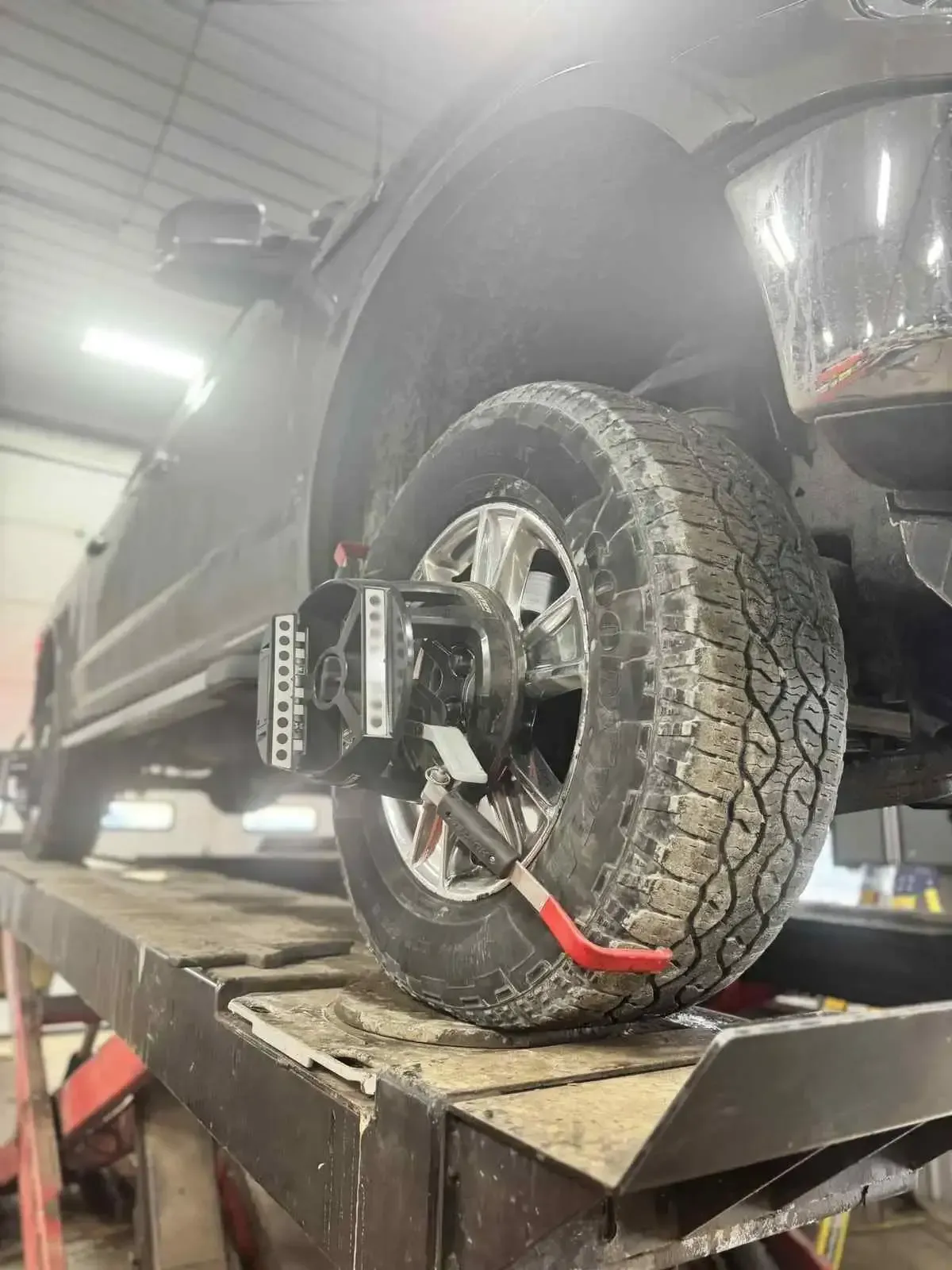
Getting new tires does not automatically mean your vehicle needs an alignment adjustment. It is, however, a good time to have the alignment checked. If your old tires wore...
By Sun Valley Auto Repair • August 31, 2026
You turn on your car’s A/C expecting a blast of cold air, but instead you get warm—or barely cool—air coming through the vents. What’s going on?
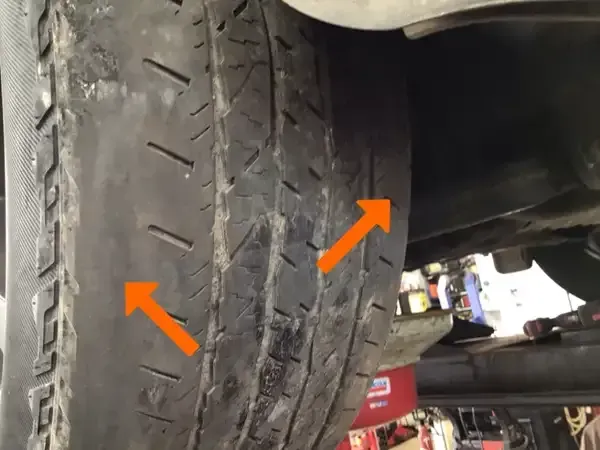
By Sun Valley Auto Repair • August 18, 2026
If you've noticed that one edge of your tire is wearing faster than the other, bald spots are developing, or one tire looks noticeably different from the others, your vehicle may...
By Sun Valley Auto Repair • August 12, 2026
If you've started hearing a grinding noise when you press the brake pedal , don't ignore it. Grinding brakes can be caused by something as simple as surface rust, but they can...
By Sun Valley Auto Repair • July 30, 2026
Have you ever wondered what your mechanic is actually looking at when they inspect your vehicle?
By Sun Valley Auto Repair • July 16, 2026
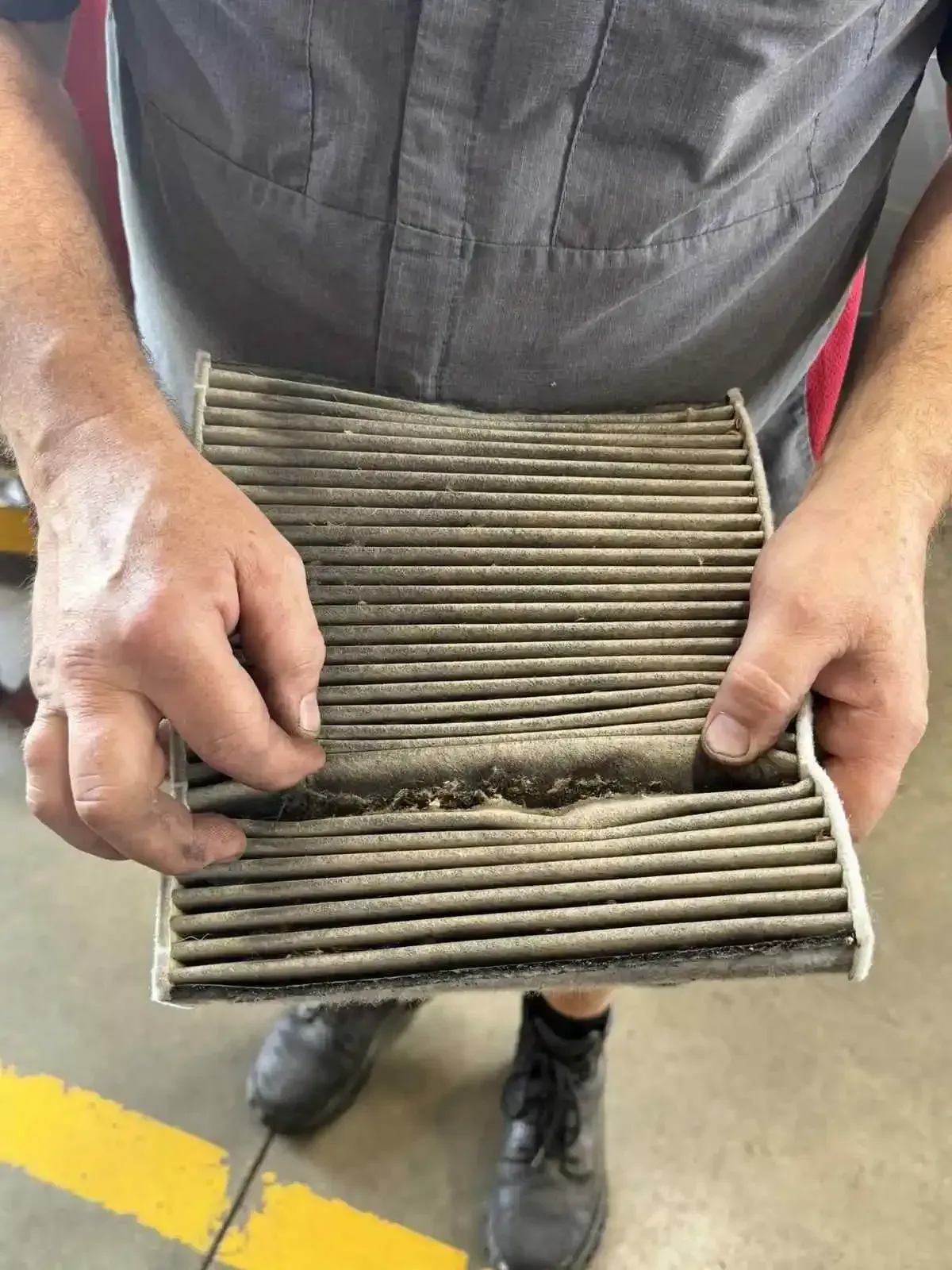
If your business depends on a work truck, van, or commercial fleet, keeping your vehicles properly maintained isn't just good practice—it's essential to protecting your bottom...
By Sun Valley Auto Repair • July 10, 2026
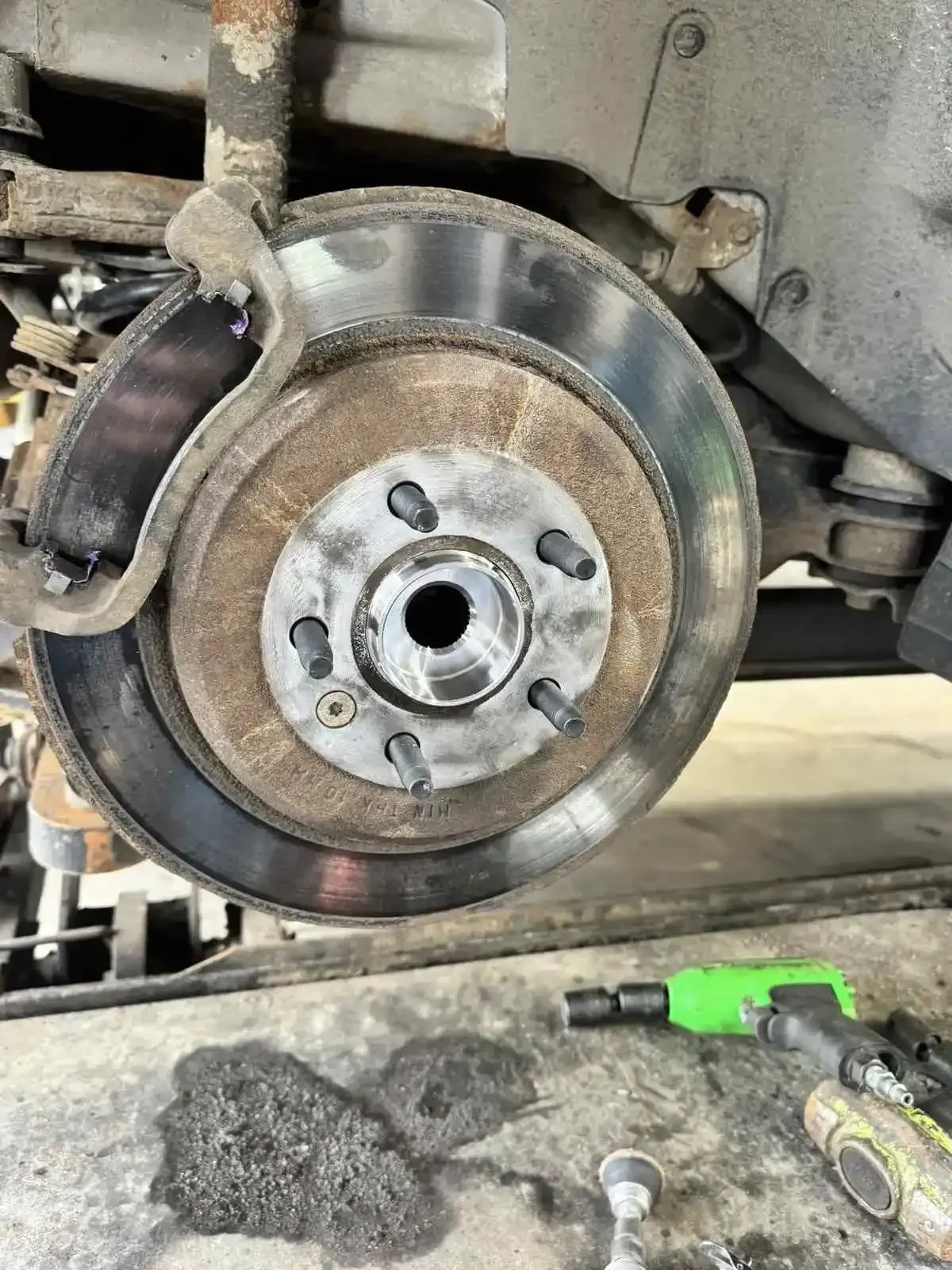
Short answer: Yes—in most cases, we recommend replacing your brake rotors and brake pads at the same time.

By Sun Valley Auto Repair • July 2, 2026
There are few things more frustrating than hearing a new noise from your vehicle—especially when you can't figure out where it's coming from.

Show More