Should Brake Rotors Be Replaced with Brake Pads? A Complete Guide from Sun Valley Auto Repair

Sun Valley Auto Repair • July 10, 2026

Share this article

Short answer: Yes—in most cases, we recommend replacing your brake rotors and brake pads at the same time.

Replacing both components together helps restore your vehicle's braking performance, extends the life of your new brake pads, reduces the chance of brake noise or vibration, and can save you money by preventing additional labor later.

At Sun Valley Auto Repair in Sugarcreek, Ohio, one of the most common questions we hear is:

"Do I really need new rotors, or can I just replace the brake pads?"

The answer depends on the condition of your braking system, but for most modern vehicles, replacing both brake pads and rotors together is the best long-term solution.

Why Do Brake Pads and Rotors Wear Together?

Every time you press the brake pedal, your brake pads squeeze against the brake rotors to slow your vehicle.

That constant friction creates heat and gradually wears both parts—not just the brake pads.

While brake pads are designed to wear faster, the rotors also become thinner over time and can develop:

  • Grooves
  • Rust buildup
  • Heat spots
  • Uneven wear
  • Warping or thickness variation

Because both parts wear together, replacing only one often prevents the braking system from performing at its best.

Why We Recommend Replacing Brake Pads and Rotors Together

  1. Better Stopping Performance

    New brake pads need a smooth, even surface to create proper friction.


    Old rotors often have grooves or uneven wear that reduce contact between the new brake pads and the rotor surface.


    Replacing both parts restores the braking system to work the way the manufacturer intended.

  2. Longer Brake Pad Life

    Installing new brake pads on worn rotors can cause the pads to wear unevenly and much faster than normal.


    Replacing the rotors at the same time helps maximize the lifespan of your new brake pads and promotes even wear.

  3. Reduced Brake Noise

    Many brake squeaks, squeals, and grinding noises are caused by worn rotors.


    Even brand-new brake pads may make noise if they are installed on damaged or heavily worn rotors.


    Replacing both components together greatly reduces the likelihood of brake noise after the repair.

  4. Helps Prevent Brake Vibration

    Does your steering wheel shake when braking?


    Does your brake pedal pulse under your foot?


    These symptoms are commonly caused by uneven brake rotors.


    Replacing the brake pads alone will not correct this problem.


    Installing new rotors restores a smooth braking surface and helps eliminate vibration caused by worn rotors.

  5. Saves Money in the Long Run

    Some drivers choose to replace only the brake pads to lower the immediate repair cost.


    Unfortunately, if the rotors need replacement a few months later, the brakes must be disassembled again, resulting in additional labor costs.


    Replacing both brake pads and rotors during the same repair is often the most cost-effective solution over the life of the brake system.

Why Modern Brake Rotors Usually Need Replacement

Years ago, brake rotors were thicker and could often be resurfaced multiple times.

Today's vehicles are different.

Manufacturers design modern brake rotors with less material to reduce vehicle weight and improve fuel economy.

By the time the brake pads have worn out, many rotors are already at—or very close to—the manufacturer's minimum thickness specification.

That means resurfacing may no longer be an option.

This is one of the biggest reasons reputable repair shops frequently recommend replacing brake pads and rotors together.

Can Brake Rotors Ever Be Reused?

Yes.

Not every brake job requires new rotors.

If the rotors:

  • Meet manufacturer thickness specifications
  • Have no excessive grooves
  • Show no heat damage
  • Are free from cracks
  • Have minimal rust
  • Are smooth and true

They may still be serviceable.

During every brake inspection, our technicians carefully measure rotor thickness and inspect the entire braking system before making any recommendations.

We never recommend replacing parts that don't need replacement.

Signs You May Need Brake Pads and Rotors

Schedule a brake inspection if you notice:

  • Squeaking brakes
  • Grinding noises
  • Brake pedal pulsation
  • Steering wheel shaking while braking
  • Longer stopping distances
  • Brake warning light
  • Metal-on-metal sounds
  • Visible grooves or rust on the brake rotors

Ignoring these warning signs can lead to additional damage and more expensive repairs.

How Sun Valley Auto Repair Inspects Your Brakes

At Sun Valley Auto Repair, every brake inspection includes a thorough evaluation of your braking system.

We inspect:

  • Brake pad thickness
  • Brake rotor condition
  • Rotor thickness
  • Brake calipers
  • Brake hardware
  • Brake hoses
  • Brake fluid condition
  • Signs of uneven wear
  • Brake performance

You'll receive a Digital Vehicle Inspection (DVI) with photos and technician notes, allowing you to see exactly what we found before any repairs are performed.

Our goal is simple: provide honest recommendations so you can make an informed decision about your vehicle.

Frequently Asked Questions

Can I replace brake pads without replacing the rotors?

Sometimes. However, if the rotors are worn, grooved, rusted, below minimum thickness, or causing vibration, replacing only the brake pads is not recommended.

How long do brake rotors last?

Brake rotor life varies depending on your driving habits, vehicle, and road conditions. Many rotors last through one set of brake pads, while others may require replacement sooner due to rust, heat, or wear.

Are brake rotors included in every brake job?

Not always. Every vehicle is inspected individually. If the rotors meet manufacturer specifications and are in good condition, replacement may not be necessary.

Is replacing brake pads and rotors worth the cost?

In most cases, yes. Replacing both together improves braking performance, extends component life, reduces future labor costs, and helps prevent brake noise and vibration.

Schedule Your Brake Inspection in Sugarcreek, Ohio

If your brakes are making noise, vibrating, or simply haven't been inspected in a while, our ASE-certified technicians are here to help.

At Sun Valley Auto Repair, we proudly serve drivers throughout Sugarcreek, Walnut Creek, Berlin, Dover, New Philadelphia, Strasburg, Millersburg, Baltic, and surrounding communities with honest brake inspections, professional repairs, and Digital Vehicle Inspections that put you in control.

Whether you need brake pads, brake rotors, or just peace of mind, we'll explain exactly what your vehicle needs—and why.

Driving Trust. Setting Standards. Your Road, Our Promise.

Why Drivers Choose Sun Valley Auto Repair

  • ASE-Certified Technicians
  • Digital Vehicle Inspections with Photos
  • Hunter Road Force® Wheel Balancing
  • 3-Year / 36,000-Mile Warranty on Most Repairs
  • Friendly, Honest Service
  • Serving Sugarcreek, Dover, New Philadelphia, Strasburg, Berlin, Millersburg, Walnut Creek, Baltic, and surrounding communities

Ready to give your brakes the TLC they deserve? Schedule your next service appointment with Sun Valley Auto Repair today! We look forward to keeping your car happy and healthy for miles to come.

Stay Connected!

Recent Posts

By Sun Valley Auto Repair • October 9, 2026
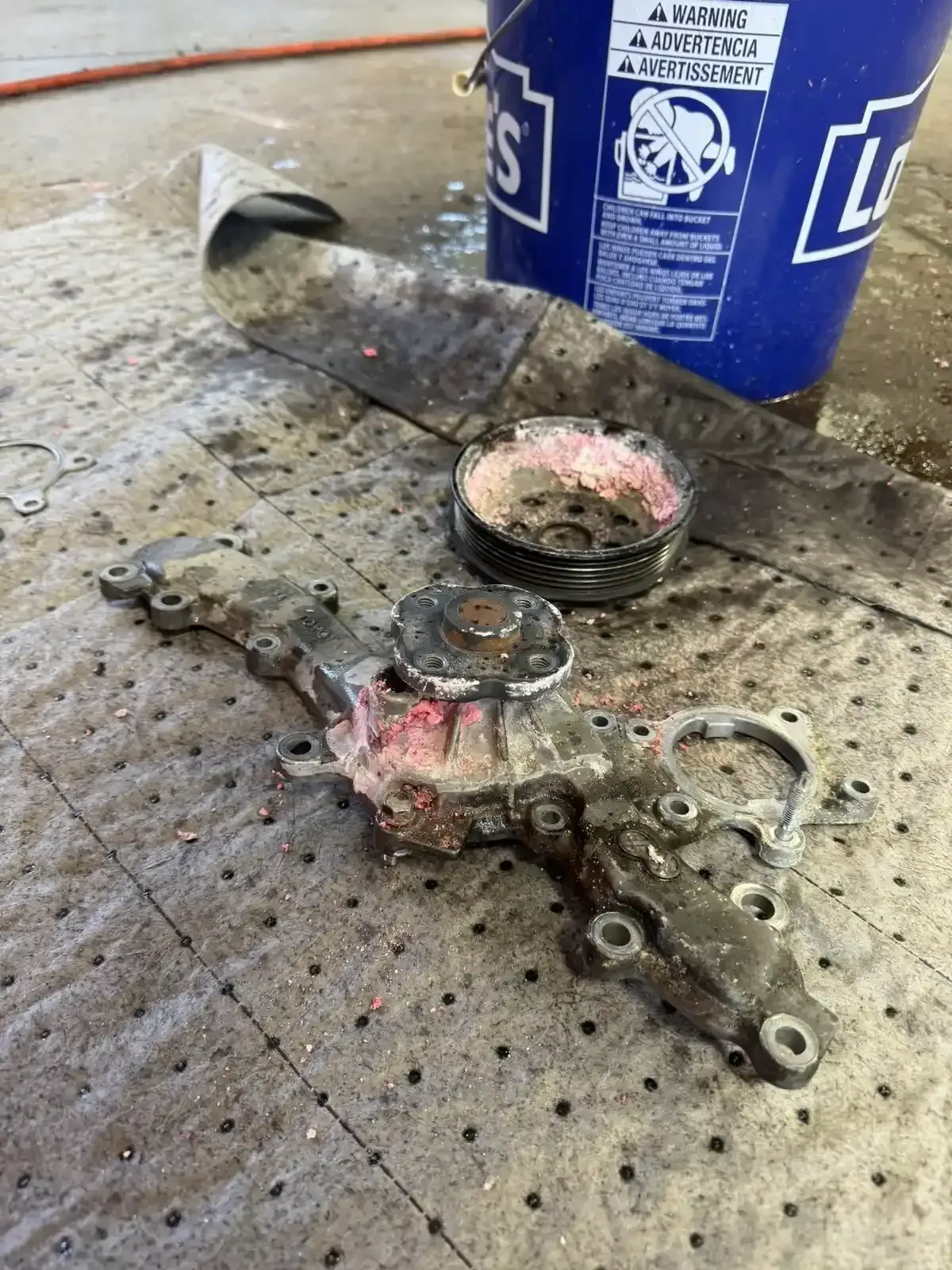
A car’s water pump can fail because of age and wear, contaminated coolant, corrosion, a damaged seal or bearing, or a problem with the belt system that drives it. When the pump...
By Sun Valley Auto Repair • October 9, 2026
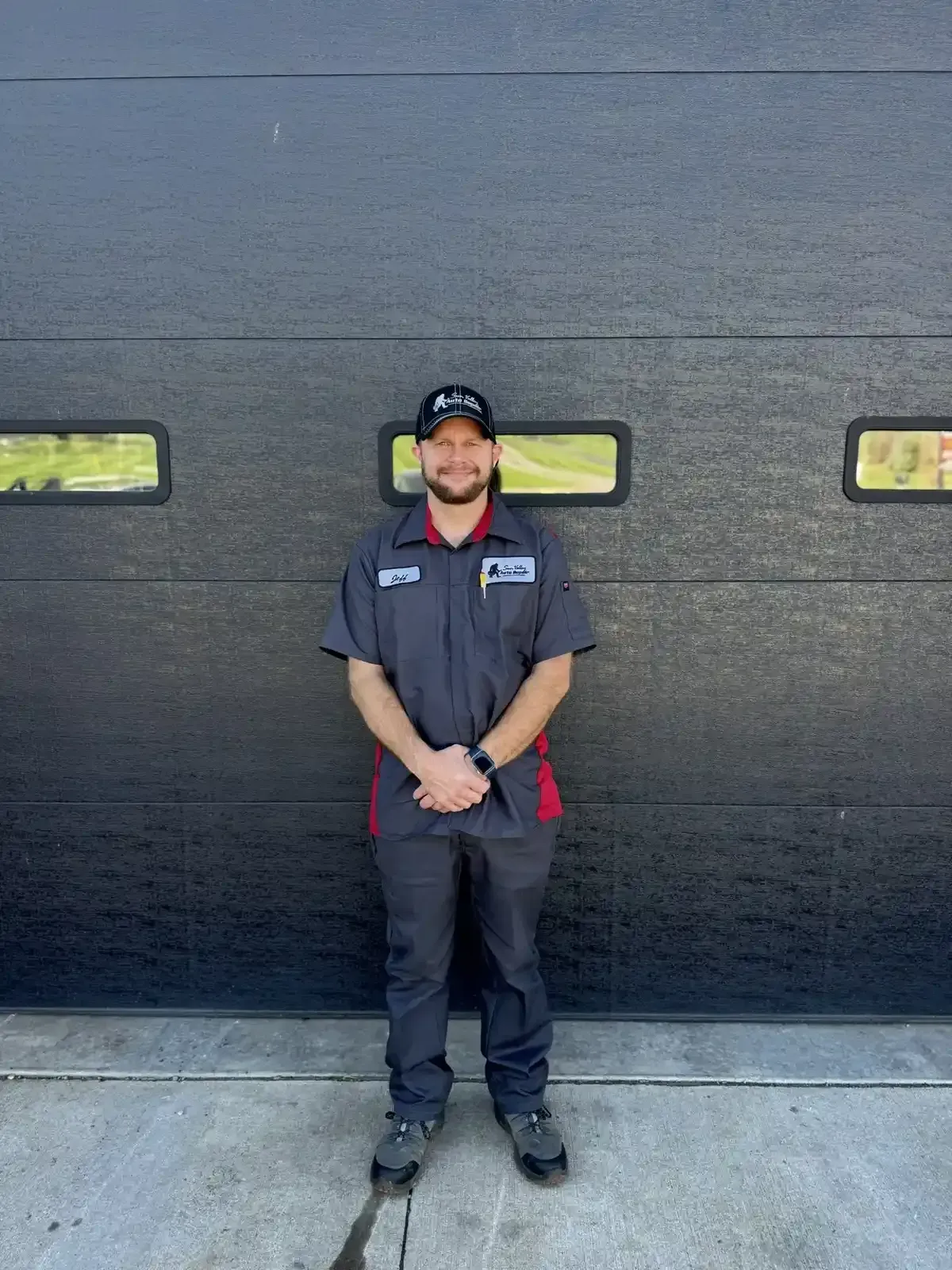
There’s a new face at the front counter! Please join us in welcoming Jeff to the Sun Valley Auto Repair team.
By Sun Valley Auto Repair • October 5, 2026
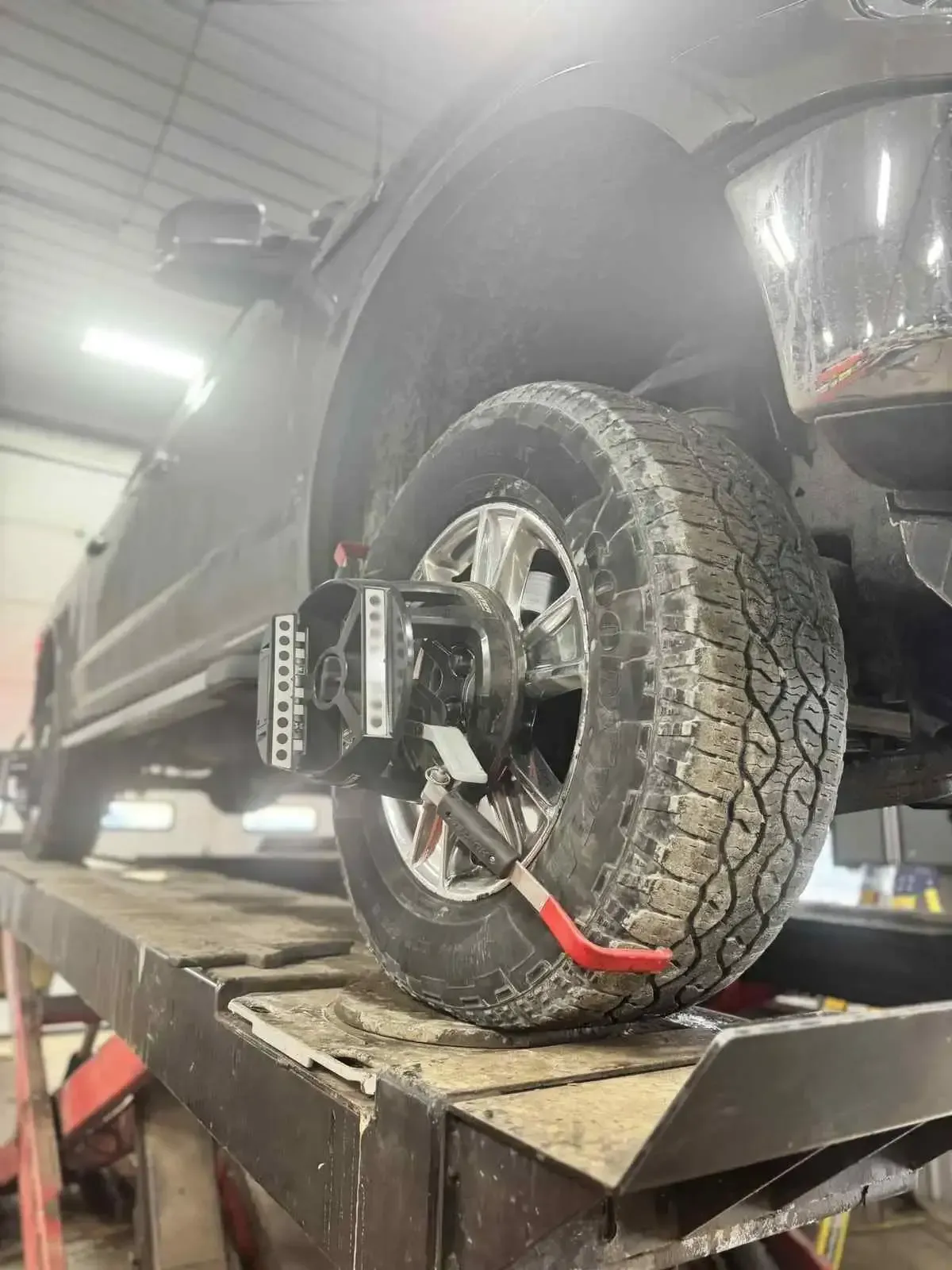
Getting new tires does not automatically mean your vehicle needs an alignment adjustment. It is, however, a good time to have the alignment checked. If your old tires wore...
By Sun Valley Auto Repair • September 28, 2026
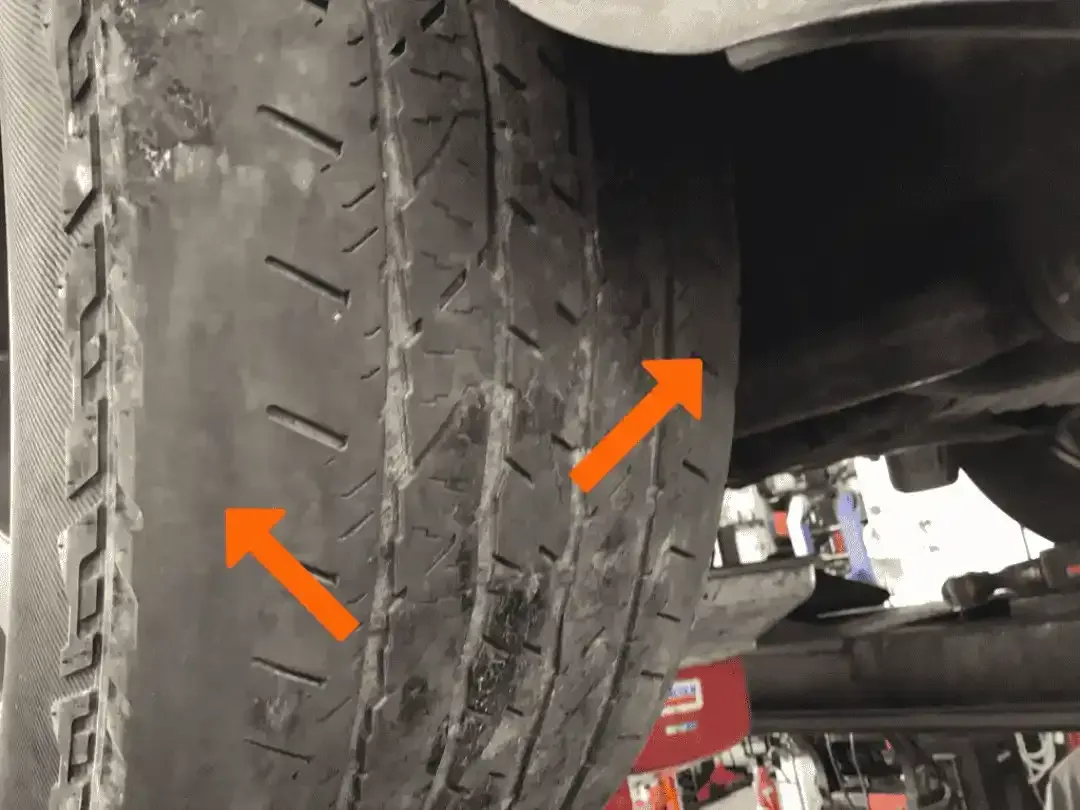
Before winter arrives in Ohio, check your tires for low tread, uneven wear, cracks, bulges and repeated air-pressure loss. Tires should have at least 2/32 inch of tread to remain...
By Sun Valley Auto Repair • August 31, 2026
You turn on your car’s A/C expecting a blast of cold air, but instead you get warm—or barely cool—air coming through the vents. What’s going on?
By Sun Valley Auto Repair • August 18, 2026
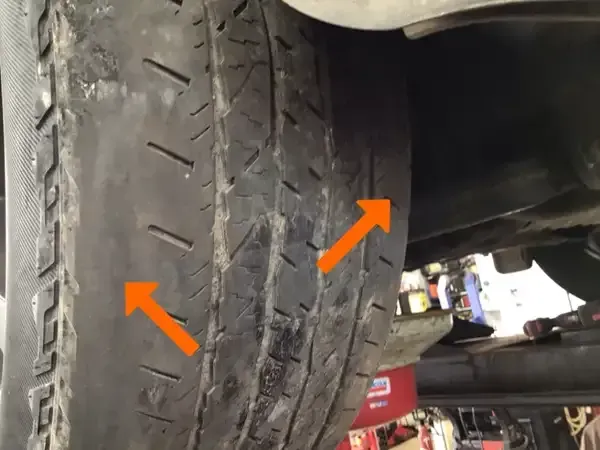
If you've noticed that one edge of your tire is wearing faster than the other, bald spots are developing, or one tire looks noticeably different from the others, your vehicle may...
By Sun Valley Auto Repair • August 12, 2026
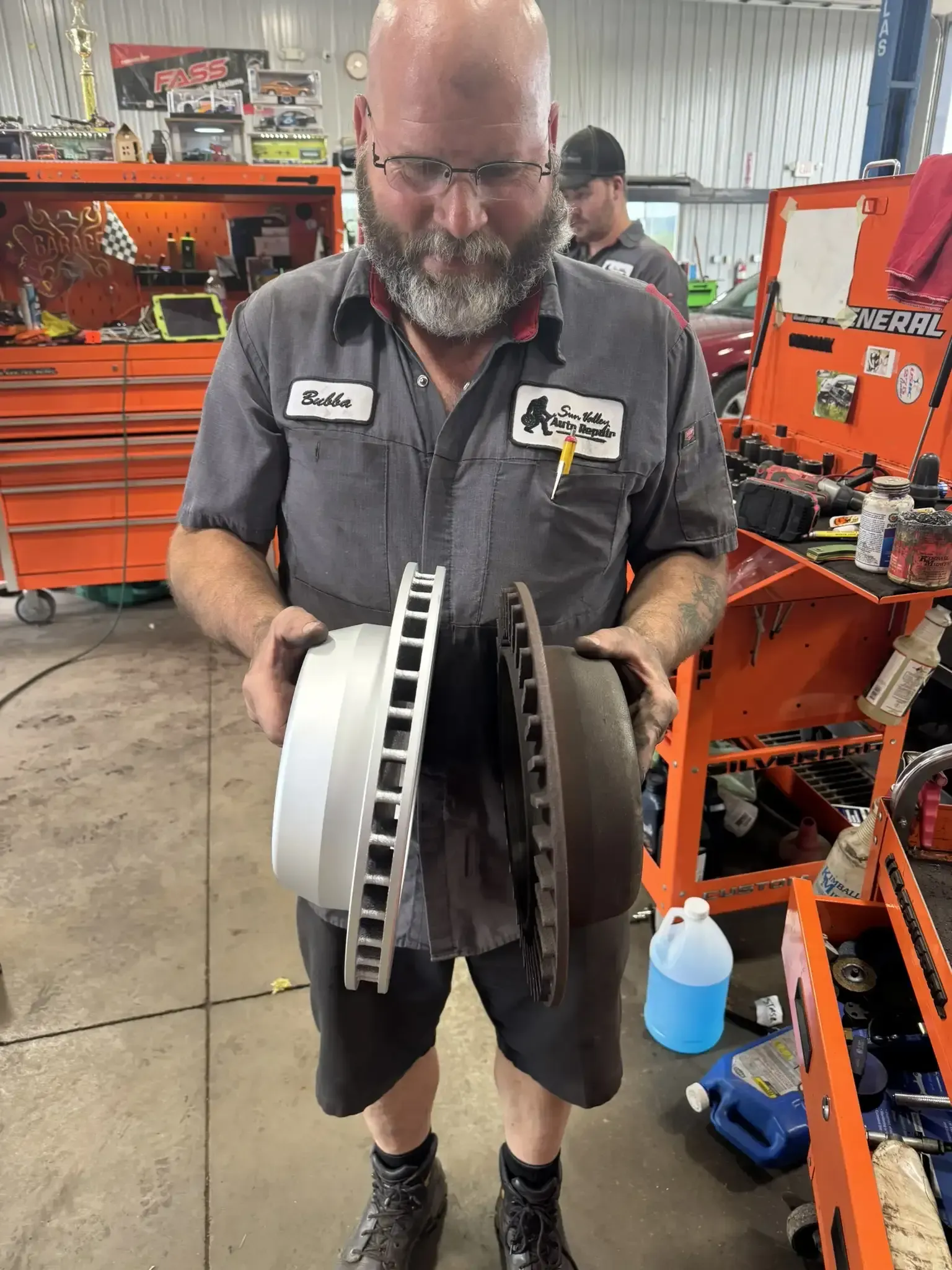
If you've started hearing a grinding noise when you press the brake pedal , don't ignore it. Grinding brakes can be caused by something as simple as surface rust, but they can...
By Sun Valley Auto Repair • July 30, 2026
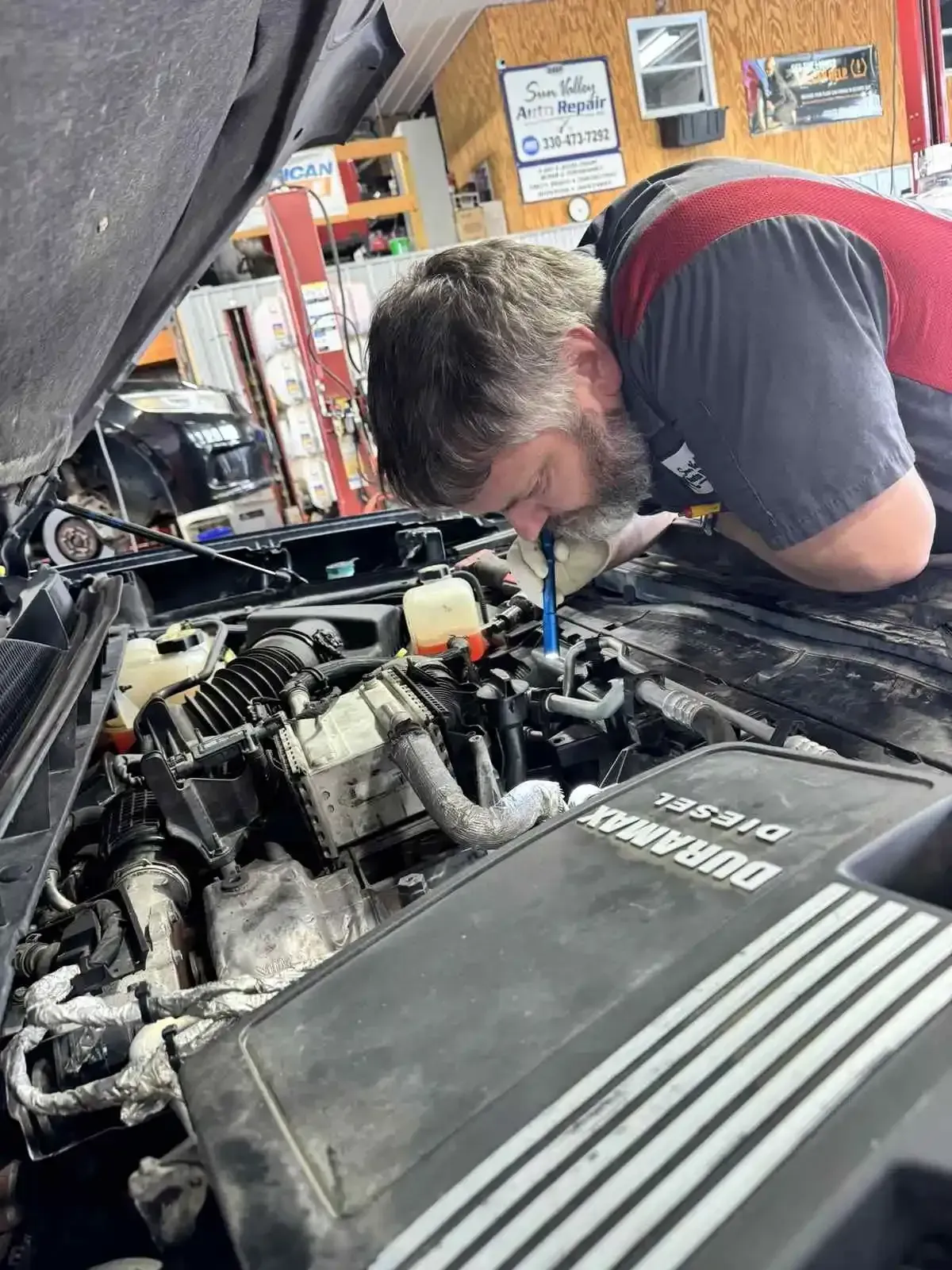
Have you ever wondered what your mechanic is actually looking at when they inspect your vehicle?
By Sun Valley Auto Repair • July 16, 2026
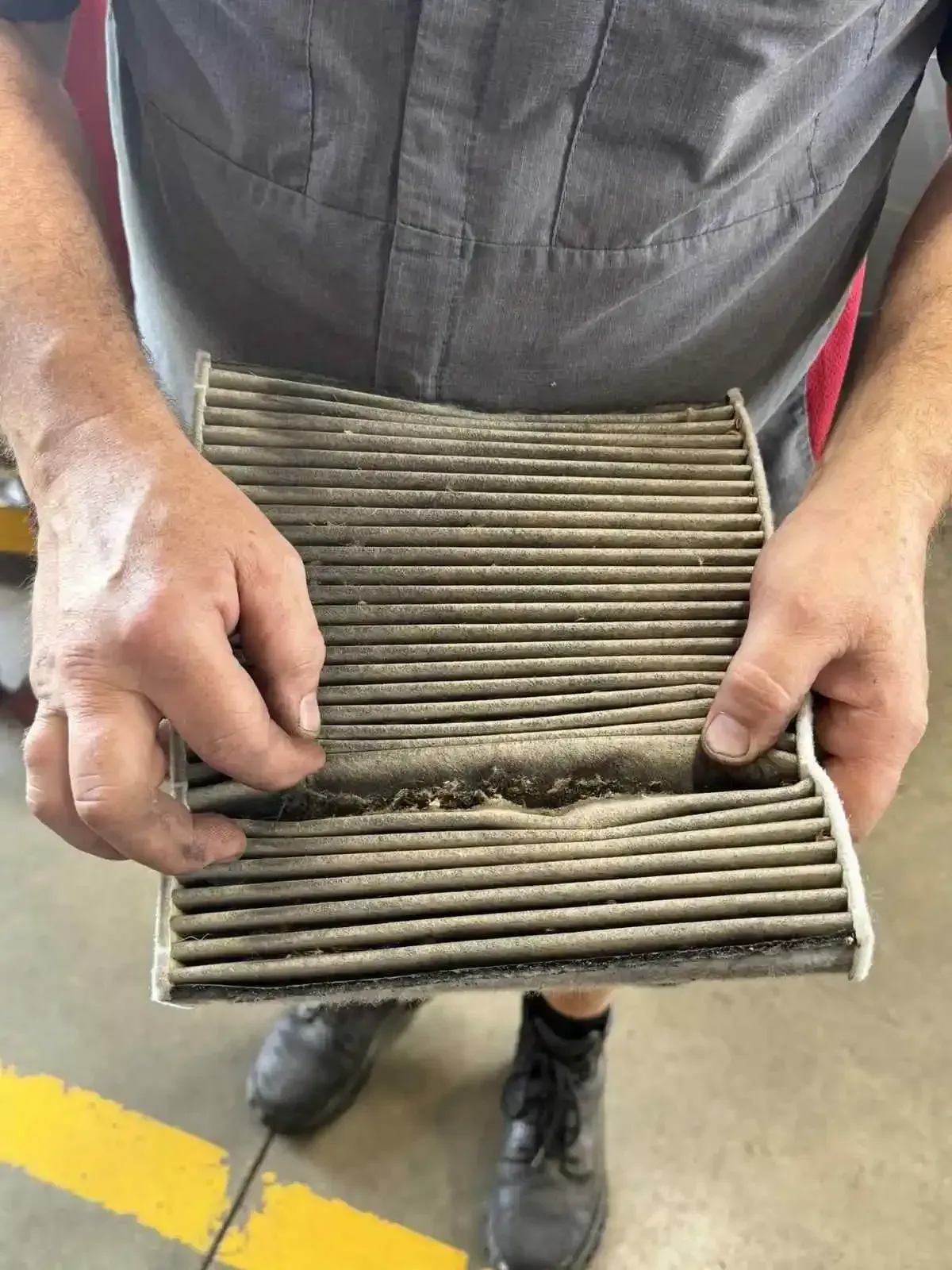
If your business depends on a work truck, van, or commercial fleet, keeping your vehicles properly maintained isn't just good practice—it's essential to protecting your bottom...

By Sun Valley Auto Repair • July 2, 2026
There are few things more frustrating than hearing a new noise from your vehicle—especially when you can't figure out where it's coming from.

Show More