What Causes a Car Water Pump to Fail?

Sun Valley Auto Repair • October 9, 2026

Share this article

A car’s water pump can fail because of age and wear, contaminated coolant, corrosion, a damaged seal or bearing, or a problem with the belt system that drives it. When the pump leaks or stops circulating coolant properly, the engine can overheat.

The symptoms can look similar to other cooling system problems, so it is important to find the source of the issue before replacing parts.

What Does the Water Pump Do?

The water pump moves coolant through the engine and cooling system. That circulation helps carry heat away from the engine so it can operate at the proper temperature.

Depending on the vehicle, the pump may be driven by a serpentine belt, a timing belt, or an electric motor. The design affects how the pump is inspected and what other parts may need attention during a repair.

Common Reasons Water Pumps Fail

1. The Seal or Bearing Wears Out

Like other moving parts, a water pump can wear with time and mileage. A failing seal may allow coolant to escape. A worn bearing may cause noise or play in the pump shaft. A leak or noise near the pump is a reason to have it inspected, though it does not confirm the pump is the cause.

2. The Coolant Is Contaminated or Has Deteriorated

Coolant does more than control temperature. It also helps protect cooling system components from corrosion. Over time, depleted coolant can allow rust, scale, and debris to form. Those particles can damage the water pump’s seal and lead to leaks.

Using the wrong coolant or mixing incompatible types can also create cooling system problems. The correct fluid and service procedure depend on the vehicle.

3. Corrosion Damages the Pump

Corrosion can affect the pump housing or internal parts and interfere with proper coolant flow. If we find rust or heavy buildup, replacing the pump alone may not address the condition that contributed to its failure. The rest of the cooling system needs to be evaluated too.

4. A Belt or Tensioner Problem Puts Stress on the Pump

On vehicles with a belt-driven water pump, a worn or improperly tensioned belt system can affect pump operation and place extra stress on its bearing. During diagnosis, the belt, tensioner, and related pulleys may need to be checked along with the pump.

What Are the Signs of a Failing Water Pump?


A water pump removed during a repair at Sun Valley Auto Repair. The pink residue visible on the pump is a sign of coolant leakage.

Possible signs include:

  • Coolant leaking near the front or side of the engine
  • A low coolant level that keeps returning after it is topped off
  • Engine temperature rising above normal or fluctuating
  • A whining, squealing, or grinding noise near the pump
  • Signs of dried coolant or residue around the pump

These symptoms do not always mean the water pump has failed. A hose, radiator, thermostat, reservoir, or another cooling system component could be responsible. Testing helps pinpoint the problem.

Can I Drive With a Bad Water Pump?

If your temperature gauge rises above normal, an overheating warning appears, or you see steam, pull over safely and shut off the engine. Continuing to drive an overheating vehicle can cause serious engine damage.

Do not open the radiator cap while the engine is hot. Let the vehicle cool and arrange for it to be inspected; towing may be the safest choice if it has overheated or lost a significant amount of coolant.

Does a Water Pump Leak Always Mean It Needs to Be Replaced?

The source and amount of leakage matter. Coolant seen near the pump may be coming from another component above it, so the area should be inspected before a replacement is recommended. If the pump itself has an active leak or a failing bearing, replacement is generally needed.

At Sun Valley Auto Repair, we explain what we find and show you the condition of the vehicle through our digital vehicle inspection.

What Happens During a Water Pump Replacement?

The steps vary by vehicle, but a proper repair generally includes confirming the source of the problem, removing the parts needed to reach the pump, installing the replacement with the correct seals or gaskets, and refilling the system with the appropriate coolant. The cooling system is then checked for leaks and proper operation.

If contaminated coolant, a worn belt, or another cooling system issue contributed to the failure, we will discuss that with you before completing any additional work. Addressing the cause helps protect the new pump.

Frequently Asked Questions

How Long Should a Water Pump Last?

There is no single replacement mileage for every vehicle. Pump life depends on its design, operating conditions, and how well the cooling system has been maintained. Follow your vehicle manufacturer’s maintenance recommendations and have leaks or unusual noises checked promptly.

Should the Water Pump Be Replaced With the Timing Belt?

On some vehicles, the timing belt drives the water pump. Replacing both during the same service may make sense because accessing them involves much of the same work. The recommendation depends on the vehicle and its maintenance schedule.

Can a Bad Water Pump Cause the Heater to Stop Working?

Poor coolant circulation or a low coolant level can affect heater performance. However, weak cabin heat can have several causes, so it should be diagnosed rather than attributed to the pump alone.

Will Adding Coolant Fix a Failing Water Pump?

Adding the correct coolant may restore the level temporarily, but it will not repair a leaking seal or worn bearing. If the level keeps dropping, the source of the coolant loss needs to be found.

Cooling System Diagnosis in Sugarcreek, Ohio

If your vehicle is losing coolant, making an unusual noise, or running hotter than normal, Sun Valley Auto Repair can help identify the cause. We serve drivers in Sugarcreek, Berlin, Walnut Creek, Dover, New Philadelphia, Millersburg, and nearby communities.

Schedule an appointment or call 330-473-7292 . We’ll explain what we find and help you choose the right next step for your vehicle.

Your Road. Our Promise.

Stay Connected!

Like us on Facebook

Follow us on Instagram

Learn More About Us

Join Our Team

Subscribe to our YouTube Channel

Recent Posts

By Sun Valley Auto Repair • October 9, 2026
There’s a new face at the front counter! Please join us in welcoming Jeff to the Sun Valley Auto Repair team.
By Sun Valley Auto Repair • October 5, 2026
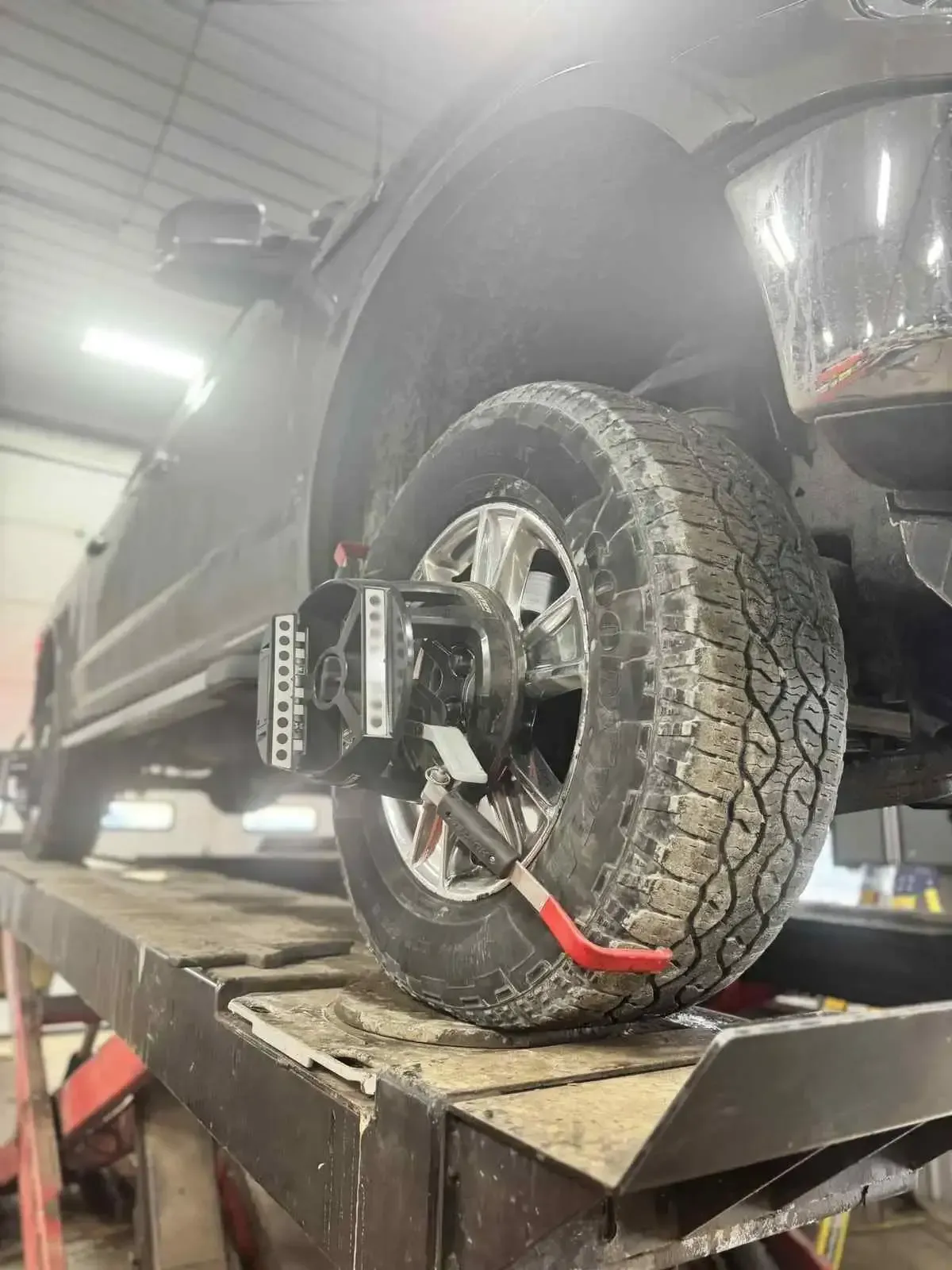
Getting new tires does not automatically mean your vehicle needs an alignment adjustment. It is, however, a good time to have the alignment checked. If your old tires wore...
By Sun Valley Auto Repair • September 28, 2026
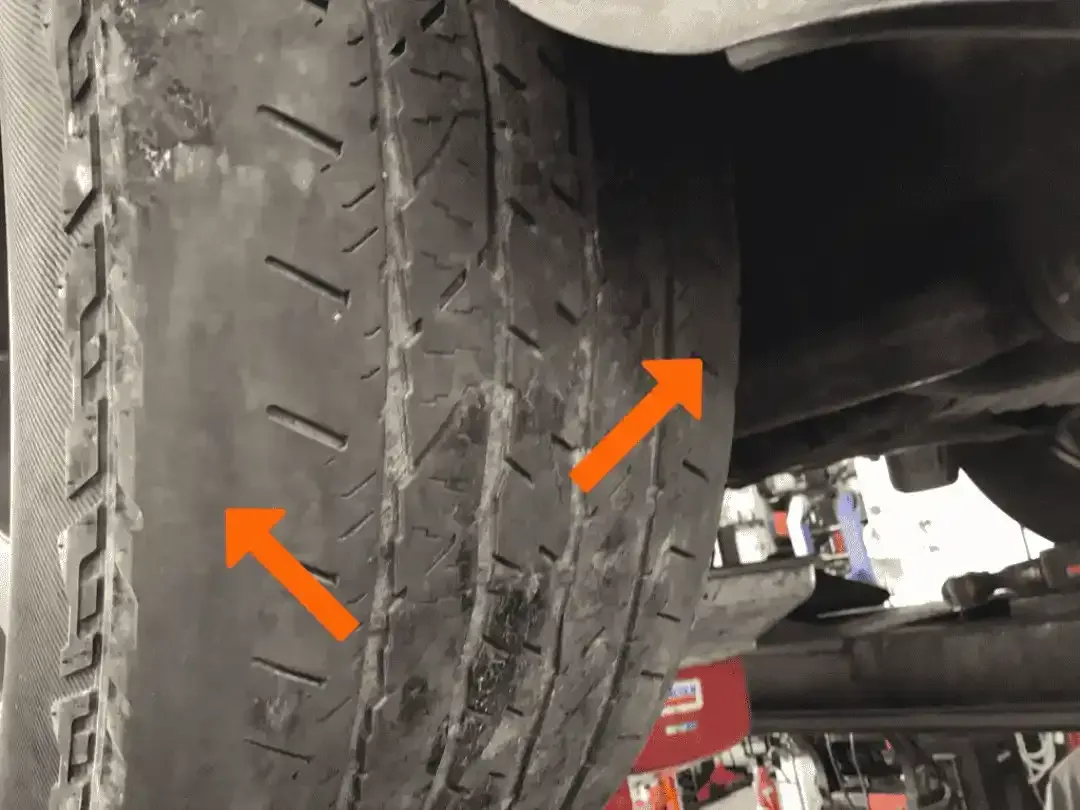
Before winter arrives in Ohio, check your tires for low tread, uneven wear, cracks, bulges and repeated air-pressure loss. Tires should have at least 2/32 inch of tread to remain...
By Sun Valley Auto Repair • August 31, 2026
You turn on your car’s A/C expecting a blast of cold air, but instead you get warm—or barely cool—air coming through the vents. What’s going on?
By Sun Valley Auto Repair • August 18, 2026
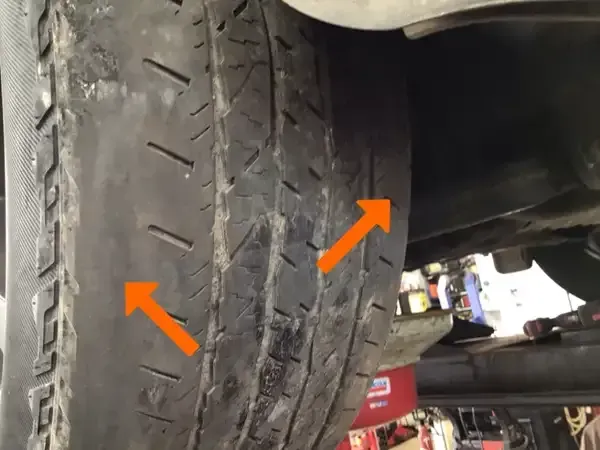
If you've noticed that one edge of your tire is wearing faster than the other, bald spots are developing, or one tire looks noticeably different from the others, your vehicle may...
By Sun Valley Auto Repair • August 12, 2026
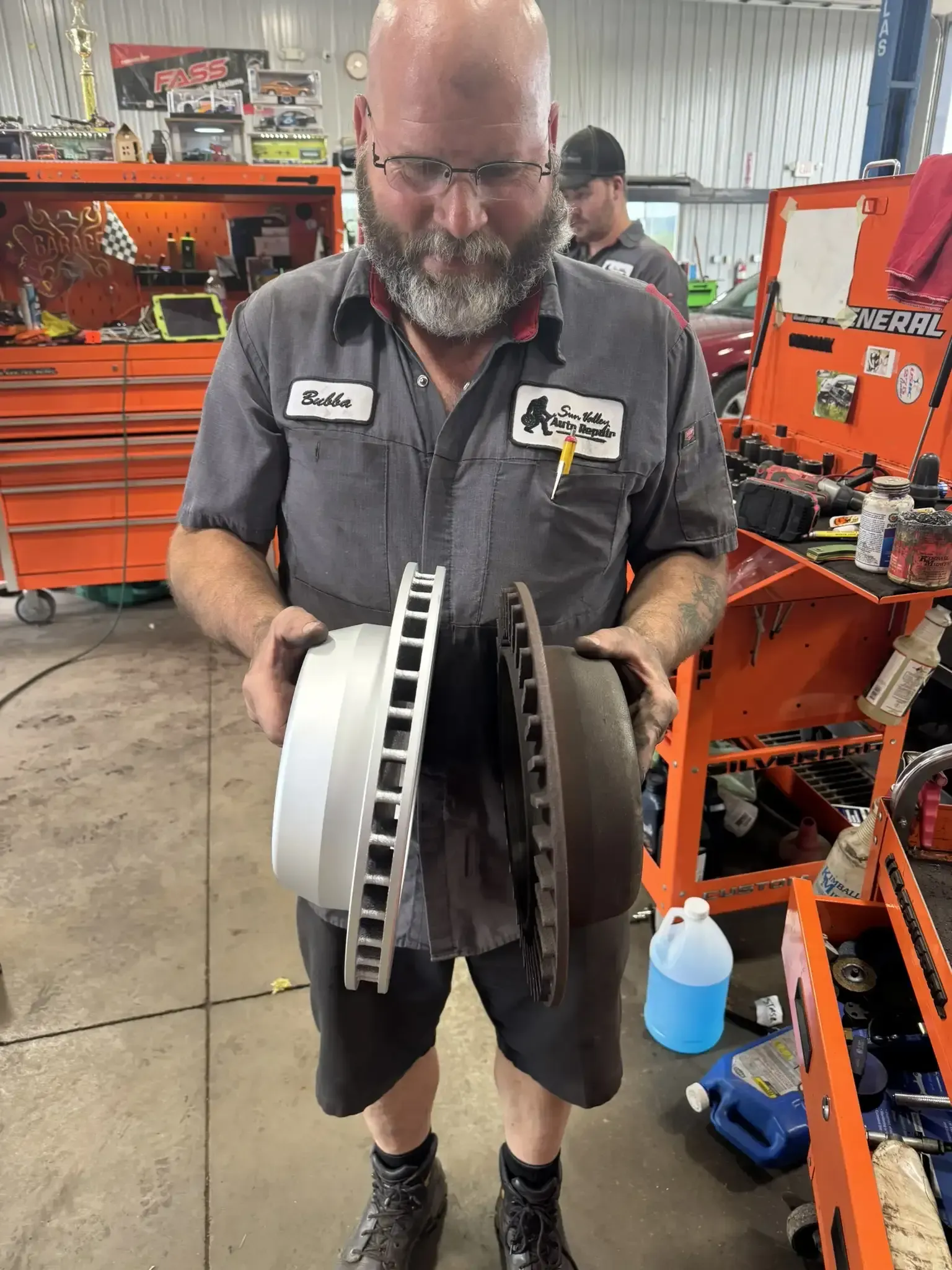
If you've started hearing a grinding noise when you press the brake pedal , don't ignore it. Grinding brakes can be caused by something as simple as surface rust, but they can...
By Sun Valley Auto Repair • July 30, 2026
Have you ever wondered what your mechanic is actually looking at when they inspect your vehicle?
By Sun Valley Auto Repair • July 16, 2026
If your business depends on a work truck, van, or commercial fleet, keeping your vehicles properly maintained isn't just good practice—it's essential to protecting your bottom...
By Sun Valley Auto Repair • July 10, 2026
Short answer: Yes—in most cases, we recommend replacing your brake rotors and brake pads at the same time.

By Sun Valley Auto Repair • July 2, 2026
There are few things more frustrating than hearing a new noise from your vehicle—especially when you can't figure out where it's coming from.

Show More