How Often Should I Check My Coolant? (Especially in July)

Sun Valley Auto Repair • July 9, 2025

Share this article

July in Ohio isn’t just about fireworks and cookouts—it’s also prime time for your car’s cooling system to get pushed to the limit. With temperatures climbing and engines working harder in the summer heat, one of the simplest yet most crucial maintenance steps you can take is checking your coolant.

But how often should you check it? And what signs should you watch for? Let’s break it down.


Why Coolant Matters Year-Round

Coolant (also called antifreeze) isn’t just for keeping your engine from freezing in the winter—it’s also vital for preventing overheating in the summer. Your engine generates a lot of heat, and without a properly functioning cooling system, it could overheat fast, leading to breakdowns and costly repairs.


How Often Should You Check Your Coolant?

We recommend checking your coolant at least once a month , and especially before long road trips or during extreme weather like July heatwaves.

If you’re not sure when it was last checked or topped off, swing by Sun Valley Auto Repair. We’ll take a quick look and let you know if you’re in the clear—or due for a flush or refill.


FAQs: What Ohio Drivers Ask About Coolant

Q: What are the signs my coolant is low?
A: Look for a dashboard warning light, engine overheating, or if your heater or A/C isn’t working as expected. You might also notice a sweet smell under the hood or coolant pooling under your vehicle.

Q: Can I check the coolant myself?
A: Yes! Once your engine is cool, open the hood and check the coolant reservoir—there are usually “min” and “max” level lines. Make sure you never open the radiator cap when the engine is hot!

Q: How often should coolant be changed?
A: Most vehicles need a coolant flush every 30,000 to 60,000 miles , but always check your owner’s manual—or ask us. We can check coolant condition and let you know if it’s time.

Q: Can old coolant damage my engine?
A: Absolutely. Old or contaminated coolant can corrode the radiator, water pump, and engine parts. It also loses its ability to regulate engine temperature, increasing the risk of overheating.


Keep Your Cool in July—And Beyond

If you're unsure when your coolant was last checked—or if you're noticing signs of overheating—it’s time to stop in. At Sun Valley Auto Repair , we offer cooling system inspections that give you peace of mind during Ohio’s hottest months.


Our Mission: Driving Trust, Setting Standards, Your Road Our Promise
At Sun Valley Auto Repair, we're passionate about exceeding expectations. Our commitment to transparency through digital inspections aligns perfectly with our mission statement: driving trust by being honest and upfront about your vehicle's needs. We set standards for excellence in auto repair, ensuring your car receives the highest quality care. Ultimately, your road is our promise. We're dedicated to keeping you moving safely and confidently for miles to come.

Ready to give your engine the TLC it deserves? Schedule your next service appointment with Sun Valley Auto Repair today! We look forward to keeping your car happy and healthy for miles to come.

Stay Connected!

Like us on Facebook

Follow us on Instagram

Learn More About Us

Join Our Team

Subscribe to our Youtube Channel

Recent Posts

By Sun Valley Auto Repair • October 9, 2026
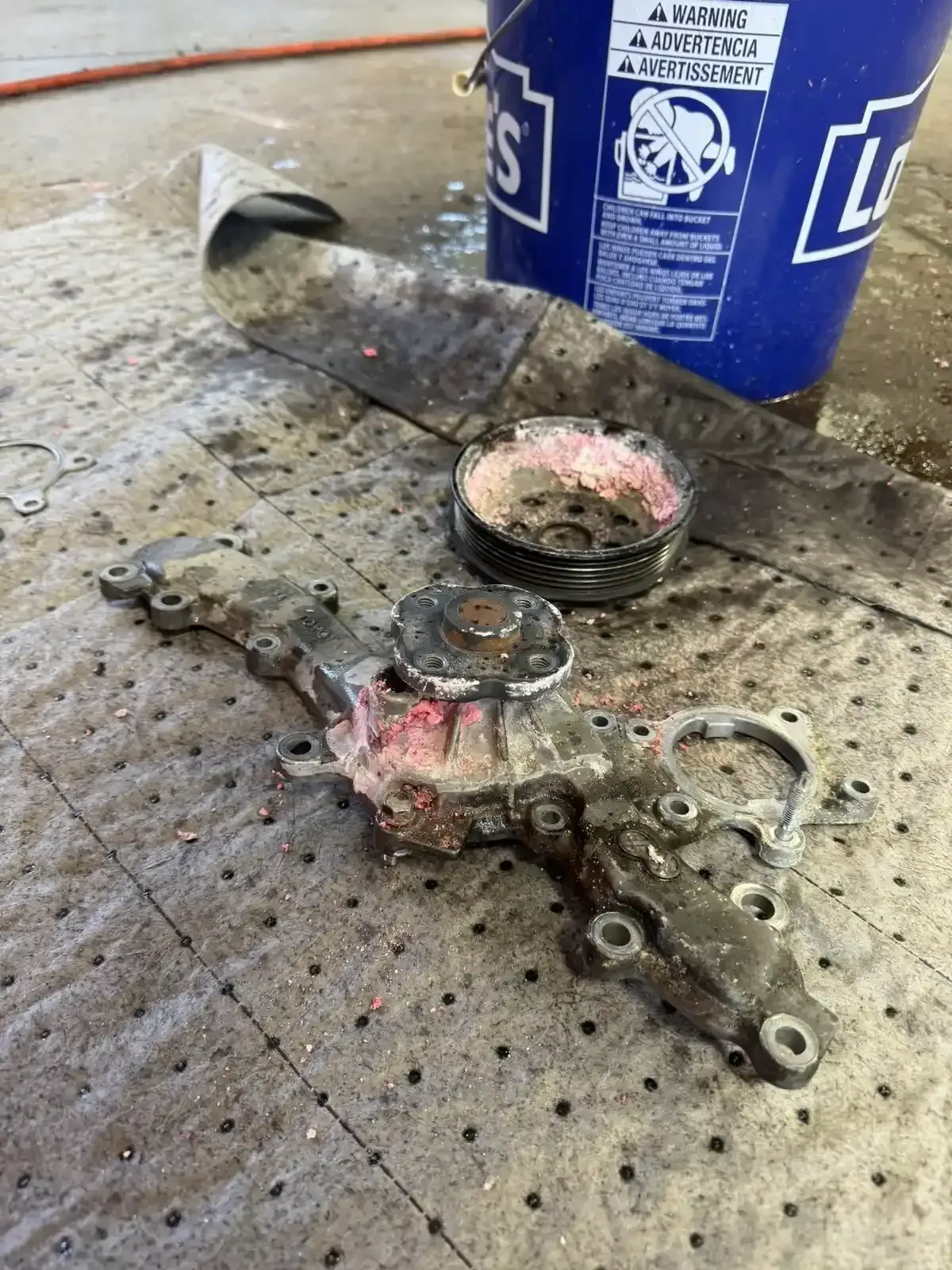
A car’s water pump can fail because of age and wear, contaminated coolant, corrosion, a damaged seal or bearing, or a problem with the belt system that drives it. When the pump...
By Sun Valley Auto Repair • October 9, 2026
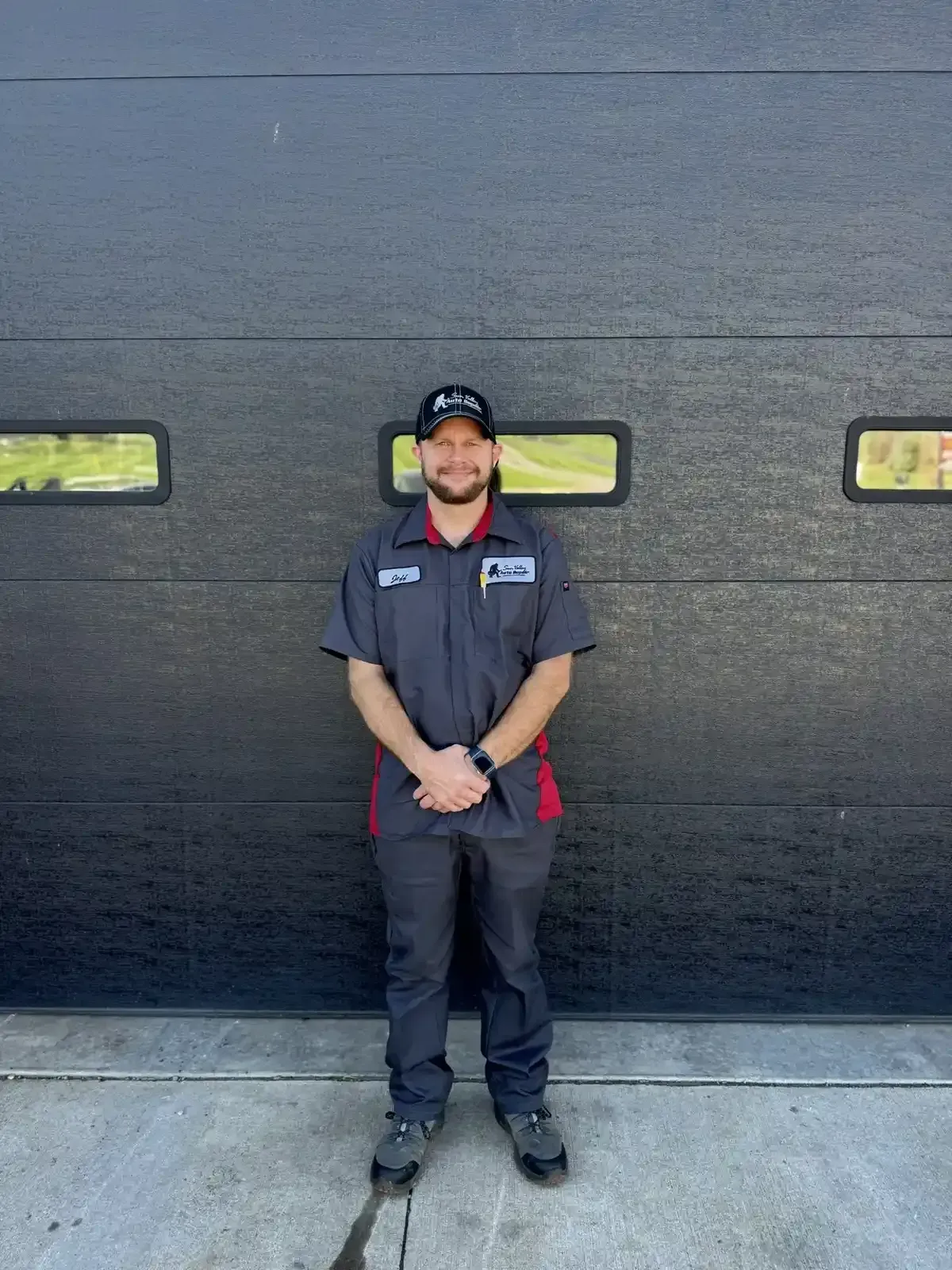
There’s a new face at the front counter! Please join us in welcoming Jeff to the Sun Valley Auto Repair team.
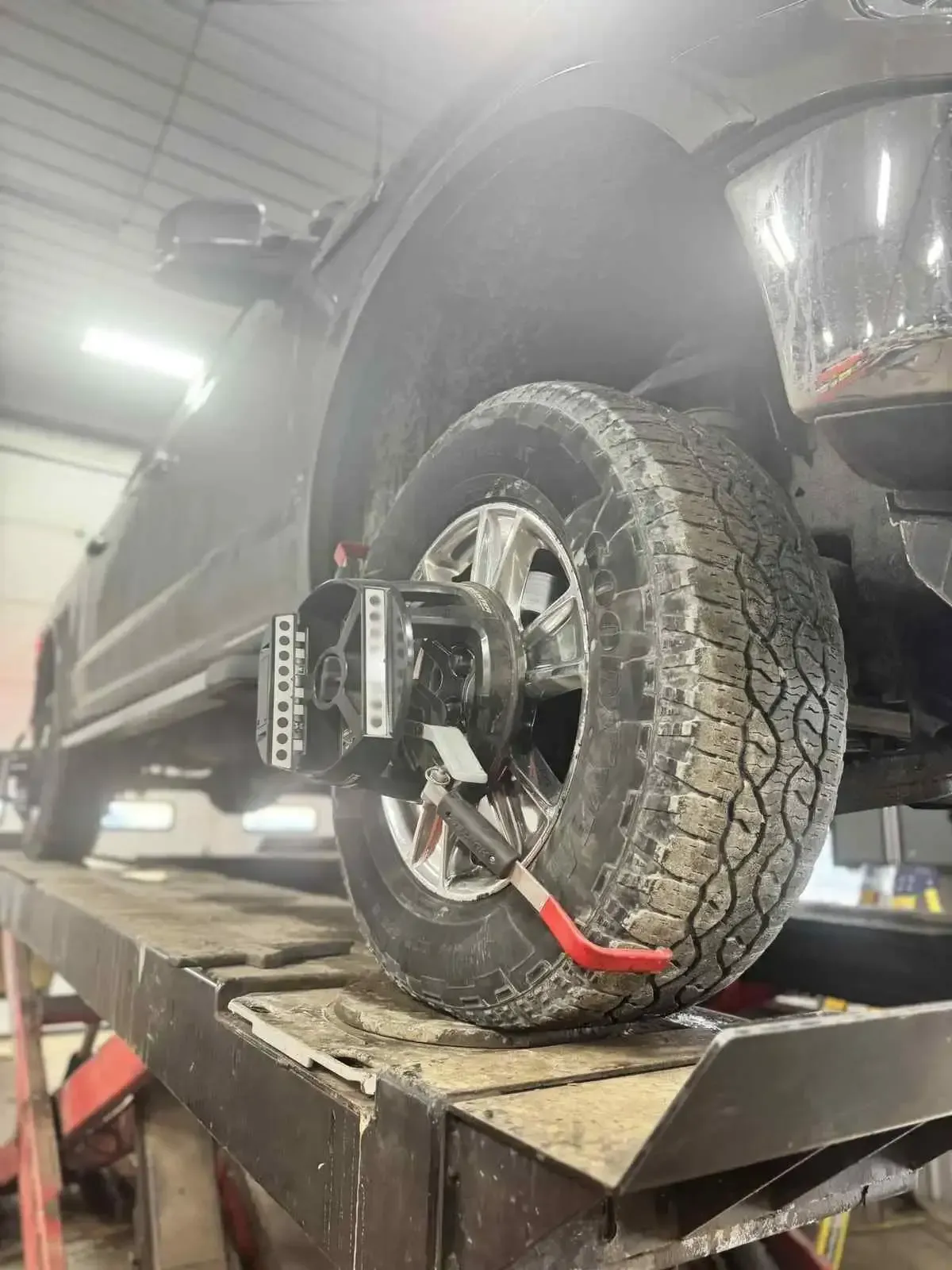
By Sun Valley Auto Repair • October 5, 2026
Getting new tires does not automatically mean your vehicle needs an alignment adjustment. It is, however, a good time to have the alignment checked. If your old tires wore...
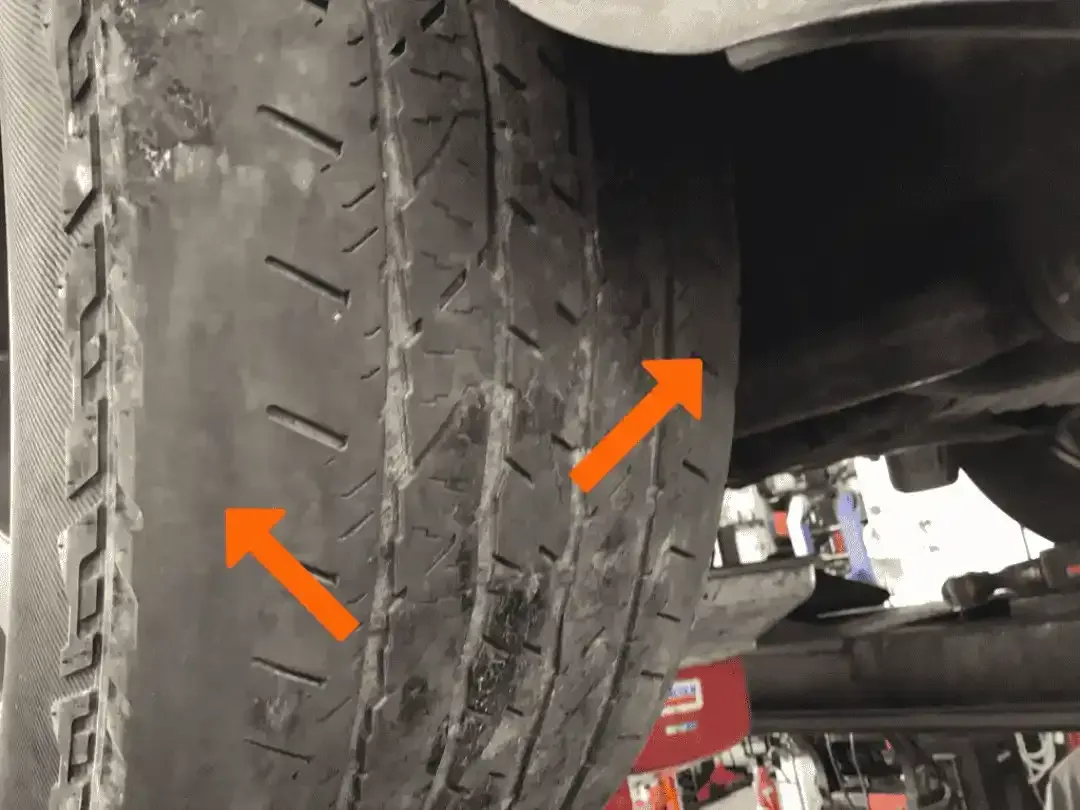
By Sun Valley Auto Repair • September 28, 2026
Before winter arrives in Ohio, check your tires for low tread, uneven wear, cracks, bulges and repeated air-pressure loss. Tires should have at least 2/32 inch of tread to remain...
By Sun Valley Auto Repair • August 31, 2026
You turn on your car’s A/C expecting a blast of cold air, but instead you get warm—or barely cool—air coming through the vents. What’s going on?
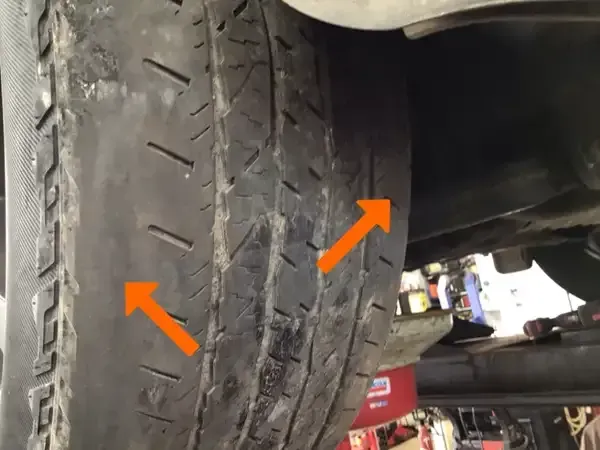
By Sun Valley Auto Repair • August 18, 2026
If you've noticed that one edge of your tire is wearing faster than the other, bald spots are developing, or one tire looks noticeably different from the others, your vehicle may...
By Sun Valley Auto Repair • August 12, 2026
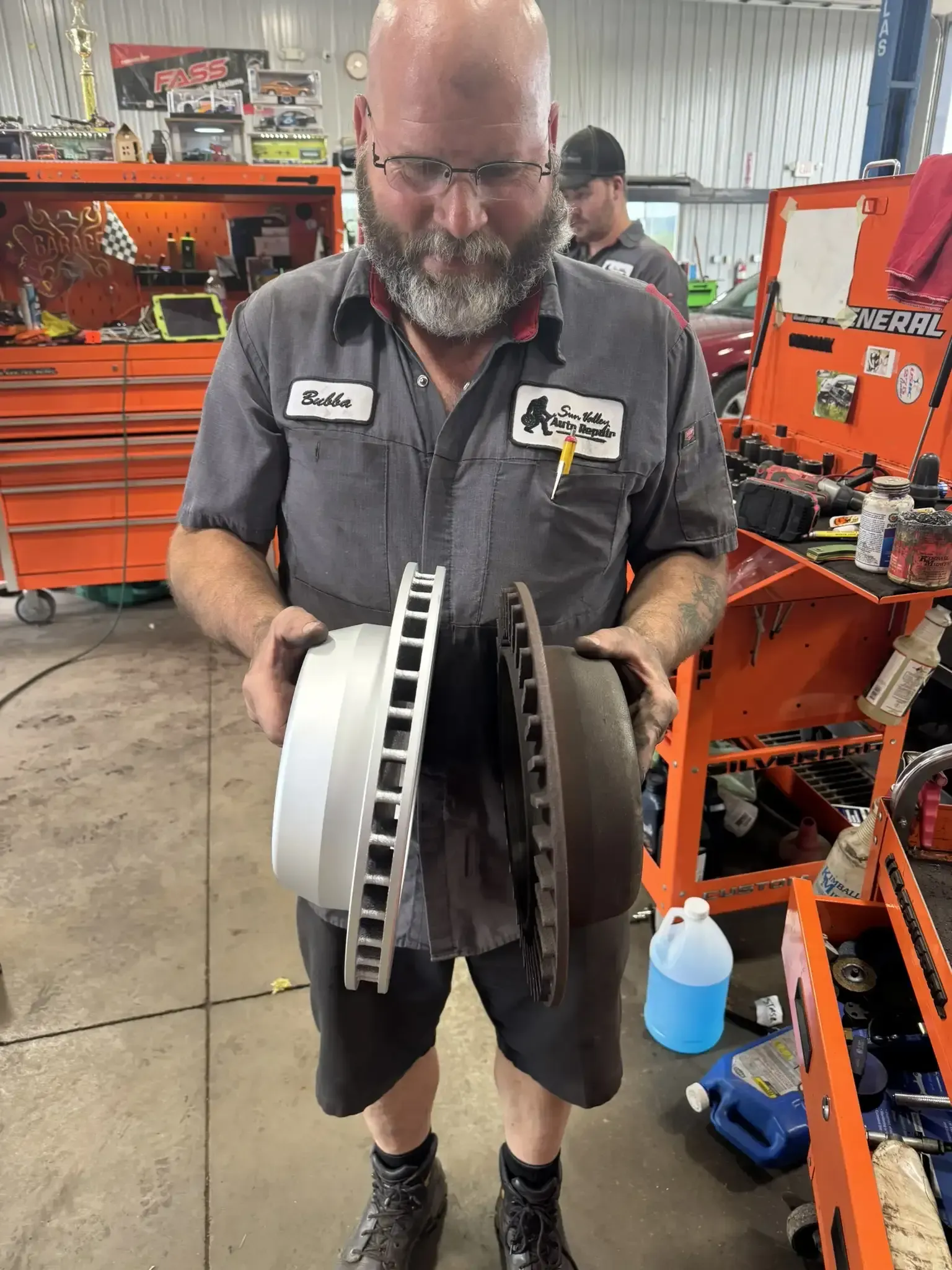
If you've started hearing a grinding noise when you press the brake pedal , don't ignore it. Grinding brakes can be caused by something as simple as surface rust, but they can...
By Sun Valley Auto Repair • July 30, 2026
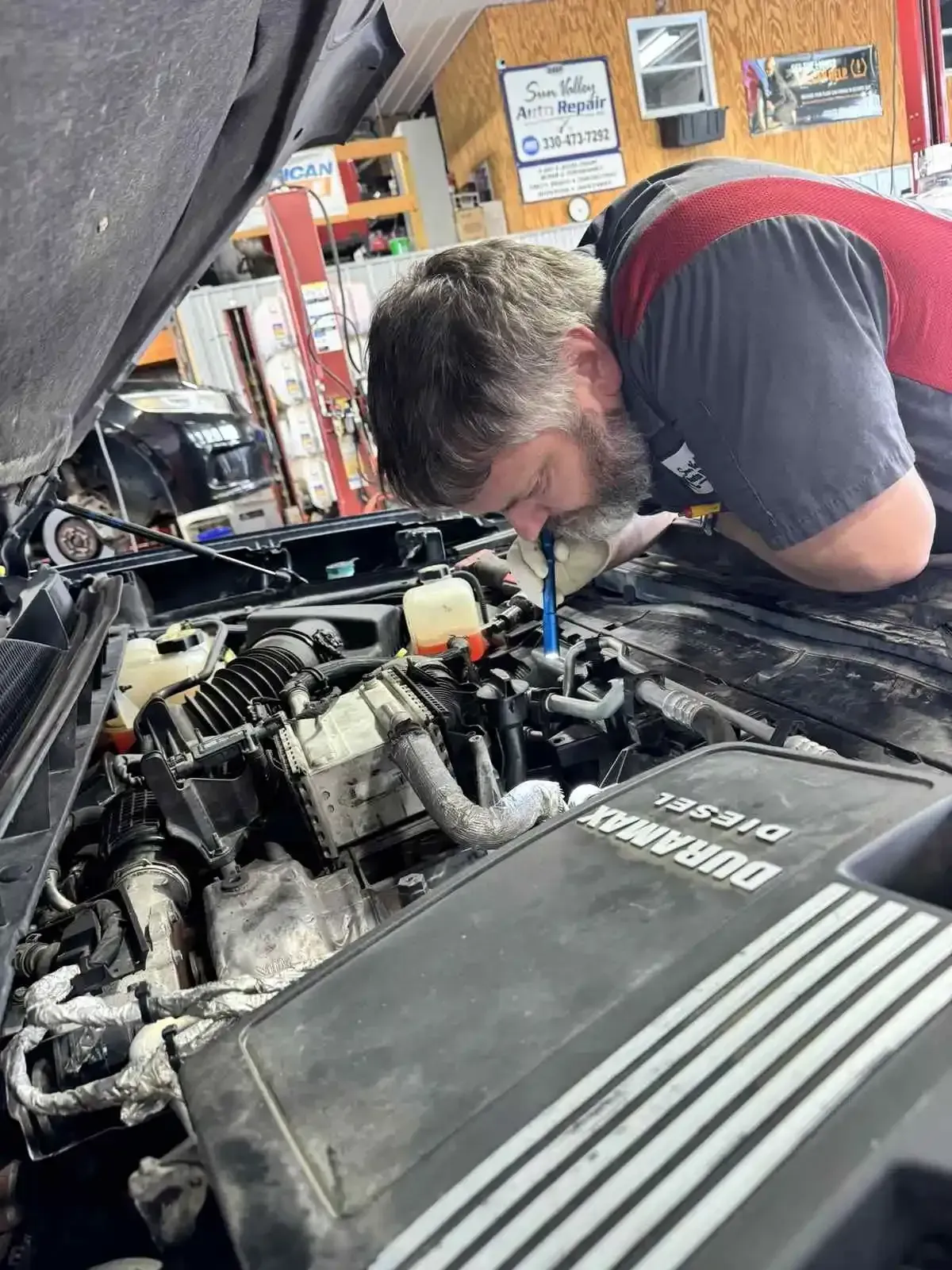
Have you ever wondered what your mechanic is actually looking at when they inspect your vehicle?
By Sun Valley Auto Repair • July 16, 2026
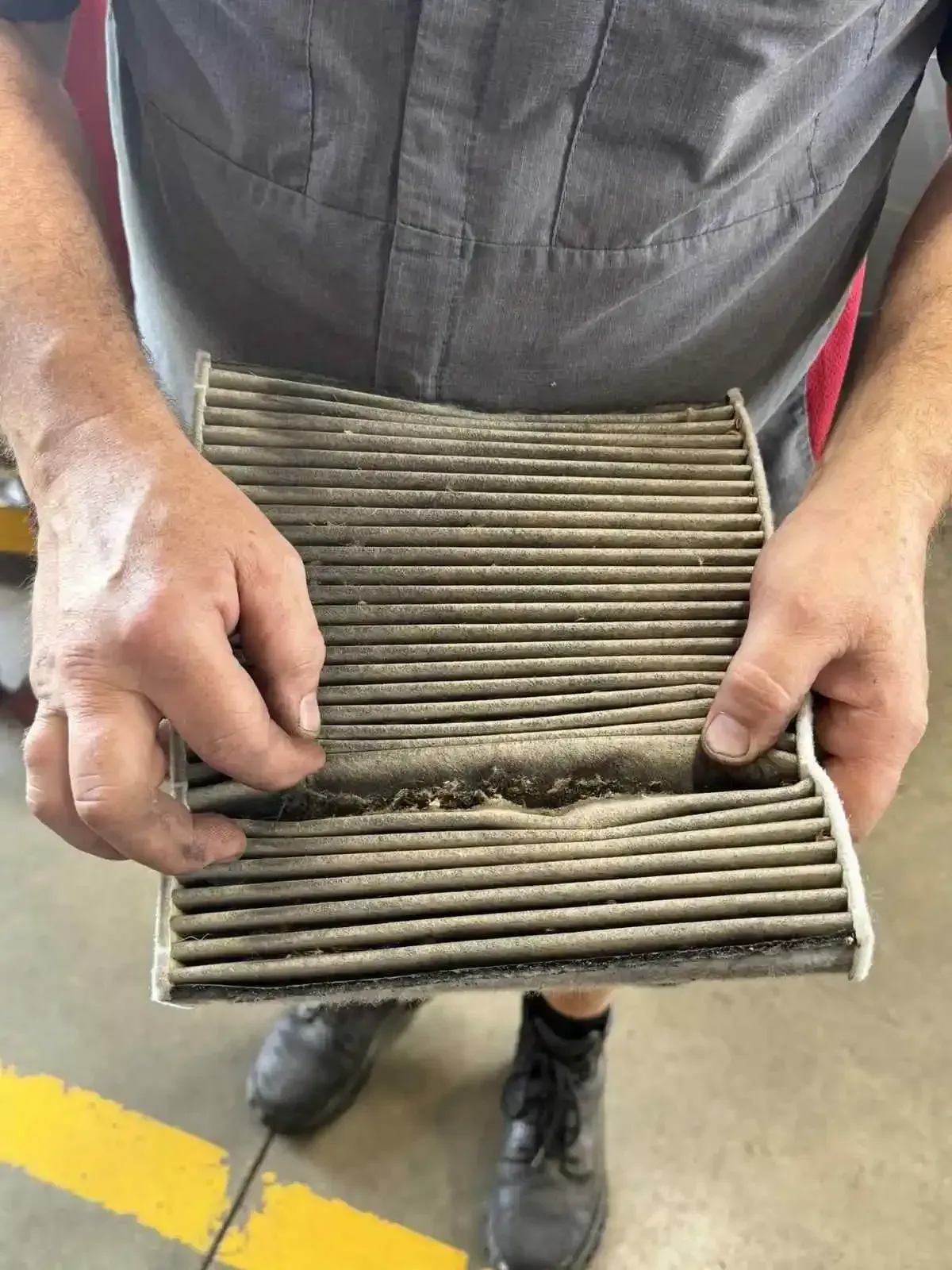
If your business depends on a work truck, van, or commercial fleet, keeping your vehicles properly maintained isn't just good practice—it's essential to protecting your bottom...
By Sun Valley Auto Repair • July 10, 2026
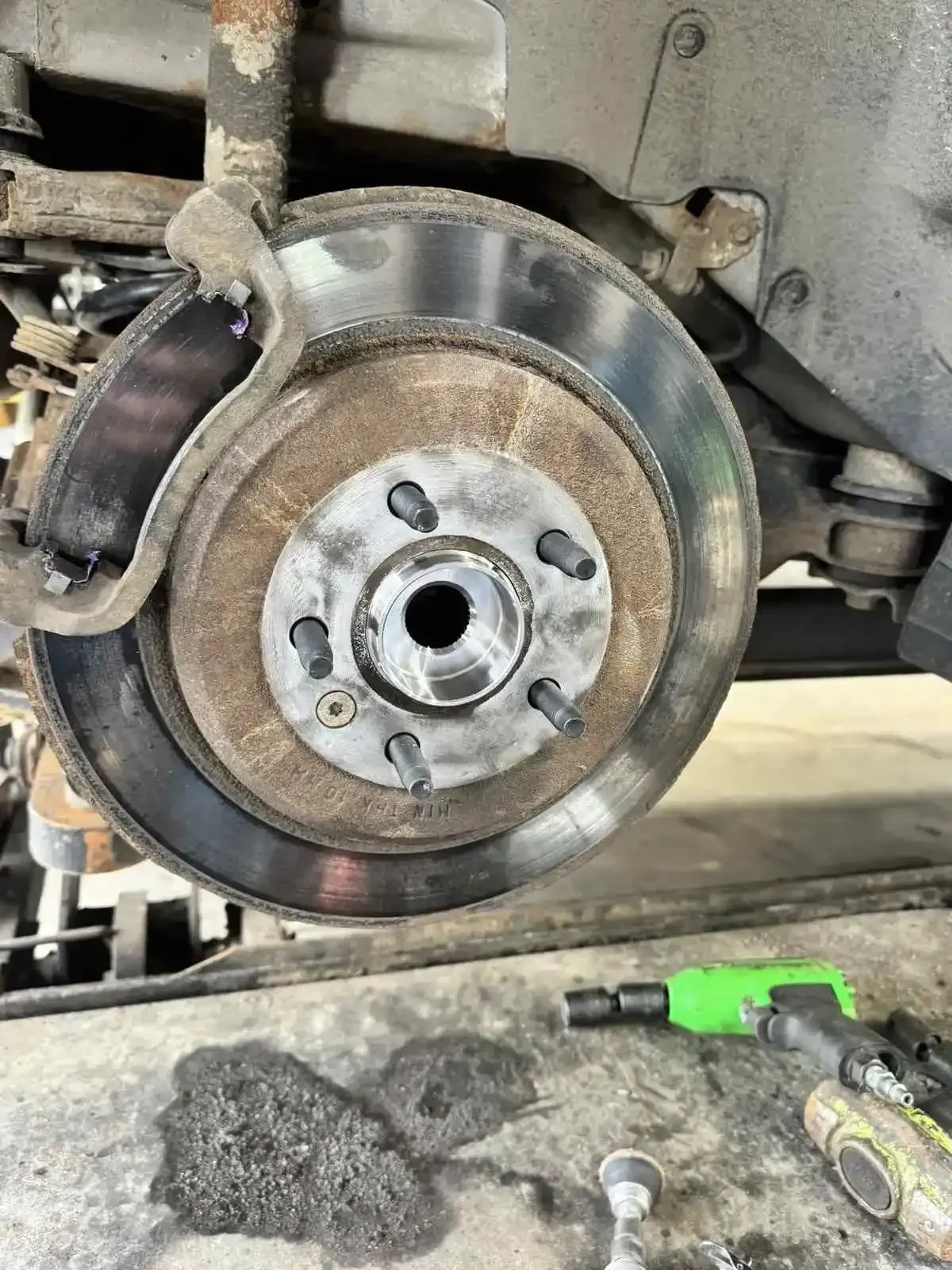
Short answer: Yes—in most cases, we recommend replacing your brake rotors and brake pads at the same time.

Show More