How to Spot and Prevent Rust on Your Vehicle This Spring

March 15, 2025

Share this article

How to Spot and Prevent Rust on Your Vehicle This Spring

Springtime in Holmes County, Ohio, is a welcome relief from winter’s snow and ice, but it’s also the season to address the toll winter has taken on your vehicle. Salt from icy roads and moisture from melting snow can accelerate rust formation, potentially damaging your car’s body and undercarriage. Knowing how to spot and prevent rust is essential to keeping your vehicle in great shape.

Here’s a guide to identifying rust and protecting your car from further damage.

Signs of Rust on Your Vehicle

  1. Discoloration on Paint or Metal Look for orange or brown spots on your car’s exterior, especially near wheel wells, doors, and bumpers. Rust can start small but spread quickly.

  2. Bubbling Paint


    Bubbling or flaking paint often indicates rust forming underneath. Address these areas promptly to prevent further corrosion.

  3. Underbody Rust


    Check beneath your car for rust on the frame, exhaust system, and other metal components. Use a flashlight for a thorough inspection.

  4. Rust Streaks or Drips


    Streaks of rust-colored residue running down from metal areas signal advanced corrosion.

  5. Weakened Metal


    If metal parts feel brittle or flake away when touched, the rust has compromised their structural integrity.

How to Prevent Rust This Spring

  1. Wash Your Car Regularly


    Why It Helps: Washing removes salt and grime that can accelerate rust. Pay special attention to the undercarriage, wheel wells, and other hard-to-reach areas.


    Pro Tip: Use a high-pressure hose or visit a car wash with an undercarriage cleaning option.

  2. Wax Your Vehicle


    Why It Helps: Wax creates a protective barrier between your car’s paint and environmental elements. Apply wax every three to four months for optimal protection.

  3. Inspect and Repair Paint Damage Why It Helps: Scratches and chips in your car’s paint expose bare metal to moisture and salt, accelerating rust formation. Touch up minor damage with matching paint or a clear sealant.

  4. Apply Rust-Proofing or Undercoating Why It Helps: Professional rust-proofing treatments coat the underside of your car, adding an extra layer of protection against moisture and salt.

  5. Keep Your Car Dry Why It Helps: Moisture trapped in carpets, mats, or other areas inside your car can contribute to rust. Use rubber floor mats and clean up spills promptly.

FAQ: How Can I Stop My Car from Rusting?

Q: Can I prevent rust if my car already has some? A: Yes! Remove minor rust spots with sandpaper and apply a rust-inhibiting primer or paint. For larger areas, consult a professional for repair and rustproofing.

Q: How often should I wash my car in the spring? A: Washing your car every two weeks is ideal, especially after driving on salted roads or through muddy areas.

Q: Is rustproofing worth the cost? A: Absolutely! Rustproofing is a cost-effective way to extend the life of your vehicle and prevent expensive repairs down the road.

Protect Your Vehicle from Rust at Sun Valley Auto Repair

At Sun Valley Auto Repair, we know how damaging rust can be to your car’s performance and appearance. Our professional rust prevention services and inspections help keep your vehicle safe and looking great all year long.

Call us at 330-473-7292 or schedule an appointment online

Don’t let rust take over—let us help you keep your car in peak condition this spring!

Stay Connected!

Like us on Facebook

Follow us on Instagram

Learn More About Us

Join Our Team

Subscribe to our Youtube Channel


Recent Posts

By Sun Valley Auto Repair • October 9, 2026
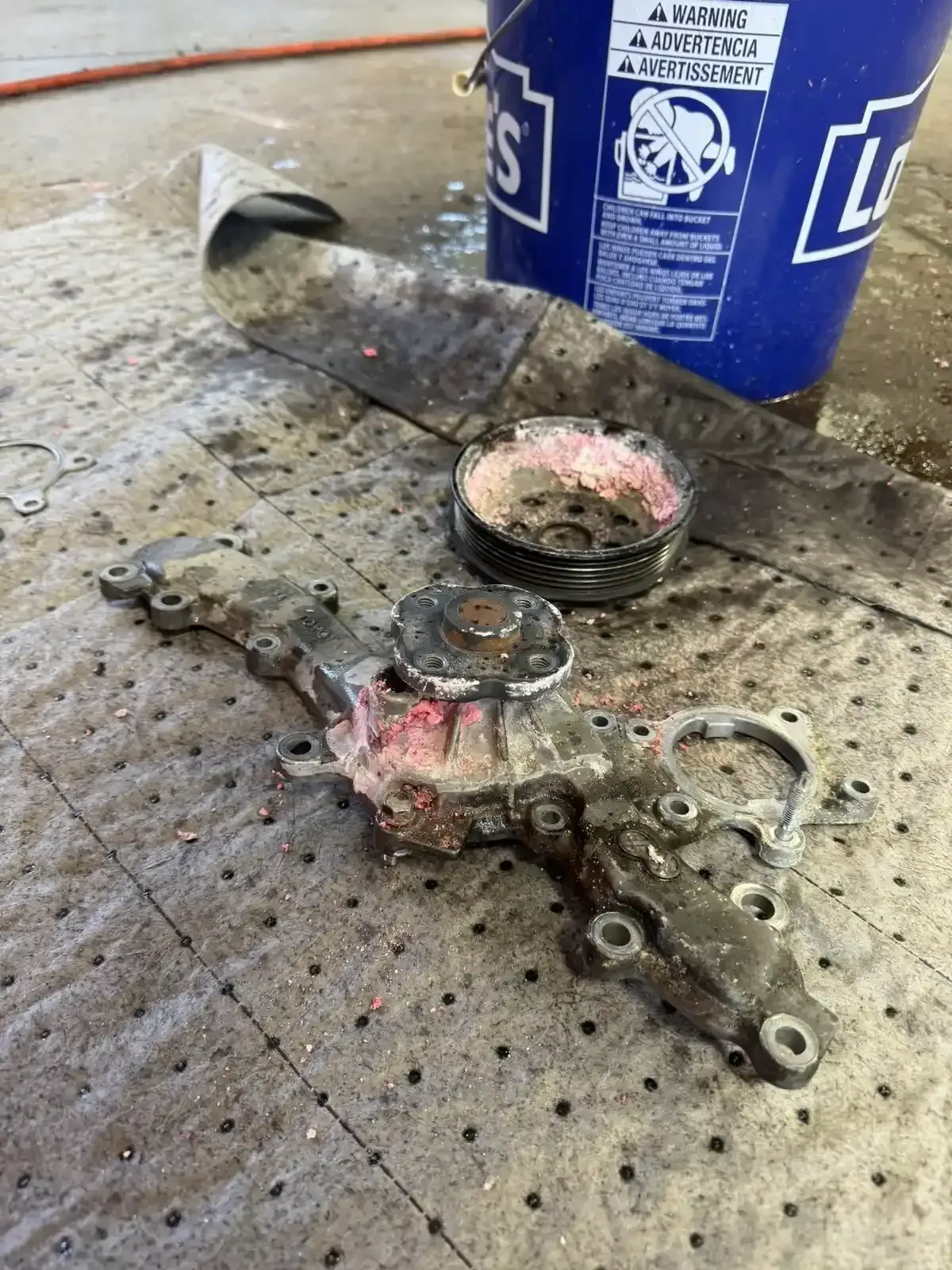
A car’s water pump can fail because of age and wear, contaminated coolant, corrosion, a damaged seal or bearing, or a problem with the belt system that drives it. When the pump...
By Sun Valley Auto Repair • October 9, 2026
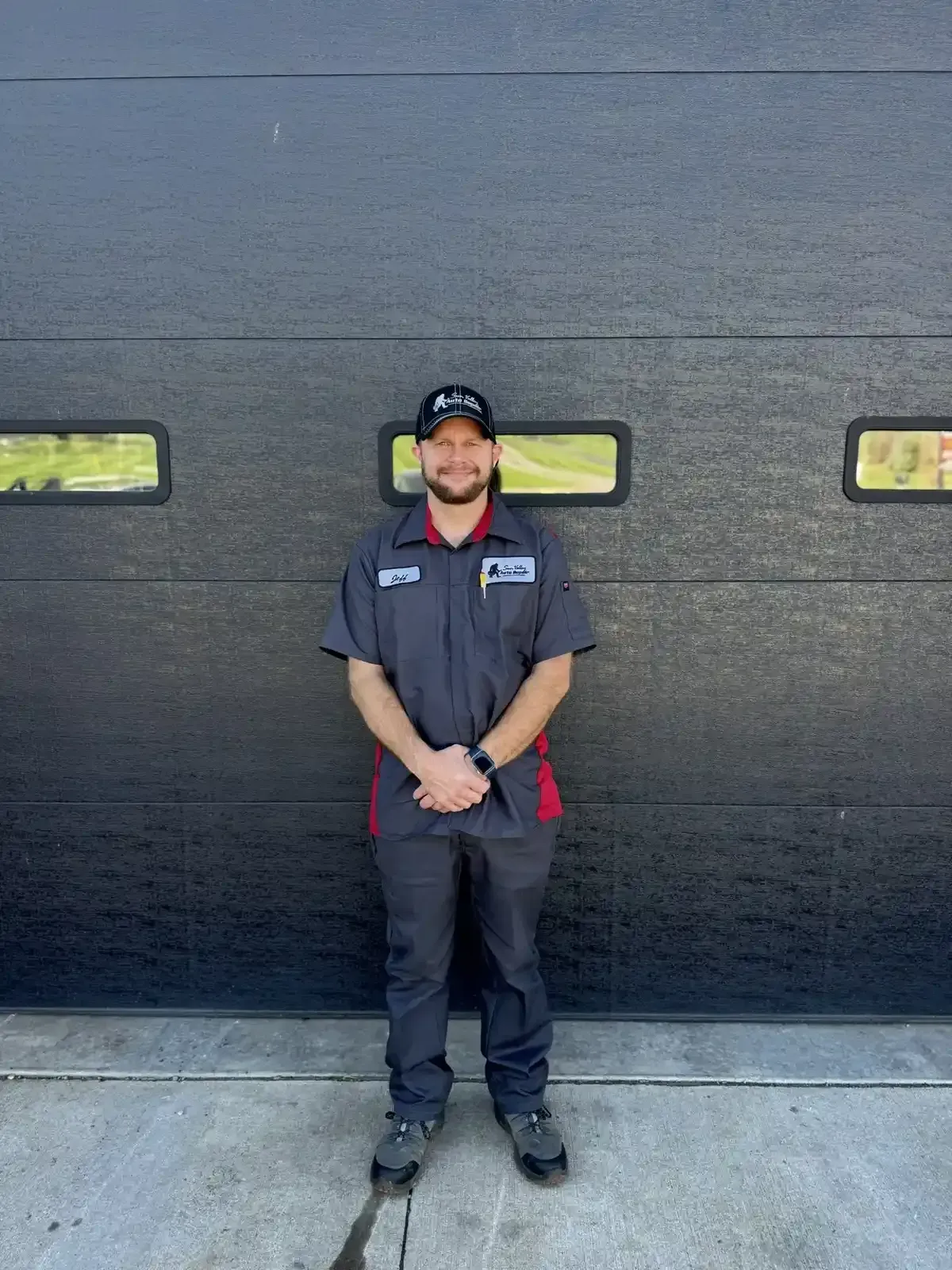
There’s a new face at the front counter! Please join us in welcoming Jeff to the Sun Valley Auto Repair team.
By Sun Valley Auto Repair • October 5, 2026
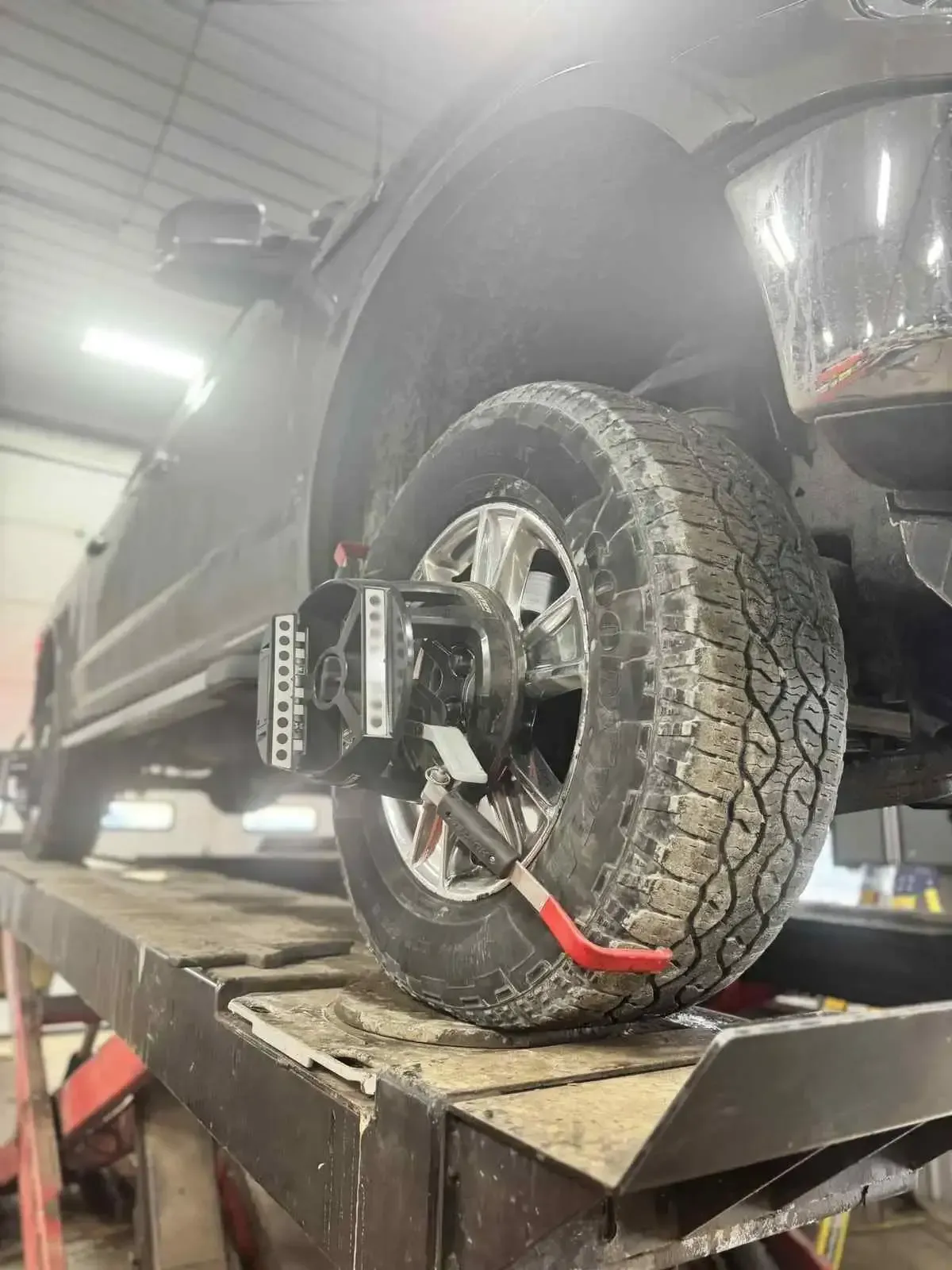
Getting new tires does not automatically mean your vehicle needs an alignment adjustment. It is, however, a good time to have the alignment checked. If your old tires wore...
By Sun Valley Auto Repair • September 28, 2026
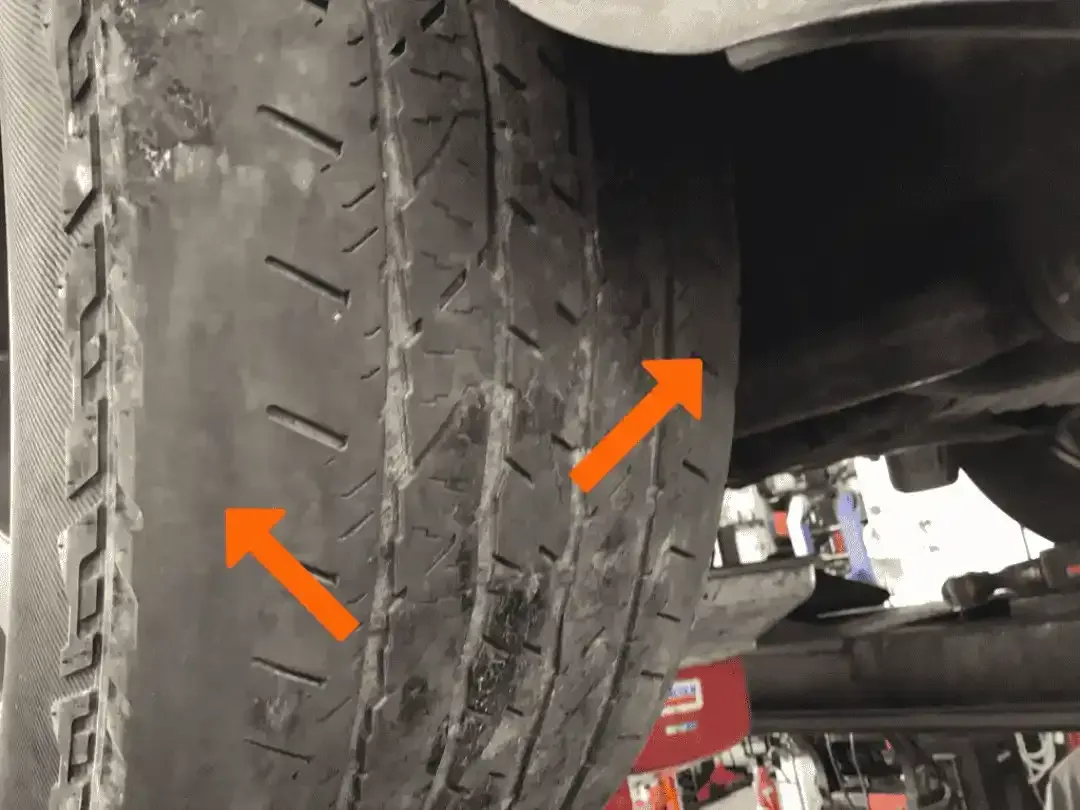
Before winter arrives in Ohio, check your tires for low tread, uneven wear, cracks, bulges and repeated air-pressure loss. Tires should have at least 2/32 inch of tread to remain...
By Sun Valley Auto Repair • August 31, 2026
You turn on your car’s A/C expecting a blast of cold air, but instead you get warm—or barely cool—air coming through the vents. What’s going on?
By Sun Valley Auto Repair • August 18, 2026
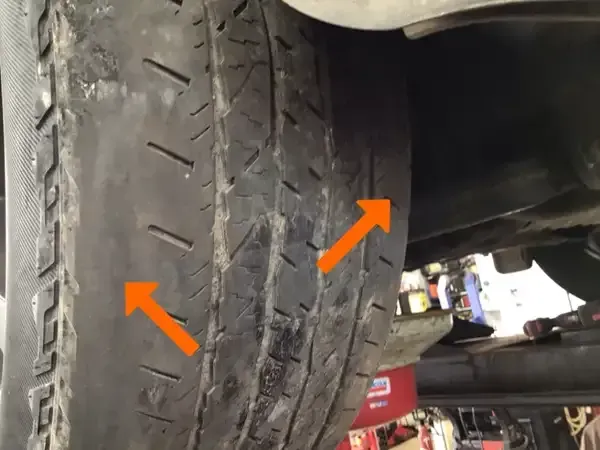
If you've noticed that one edge of your tire is wearing faster than the other, bald spots are developing, or one tire looks noticeably different from the others, your vehicle may...
By Sun Valley Auto Repair • August 12, 2026
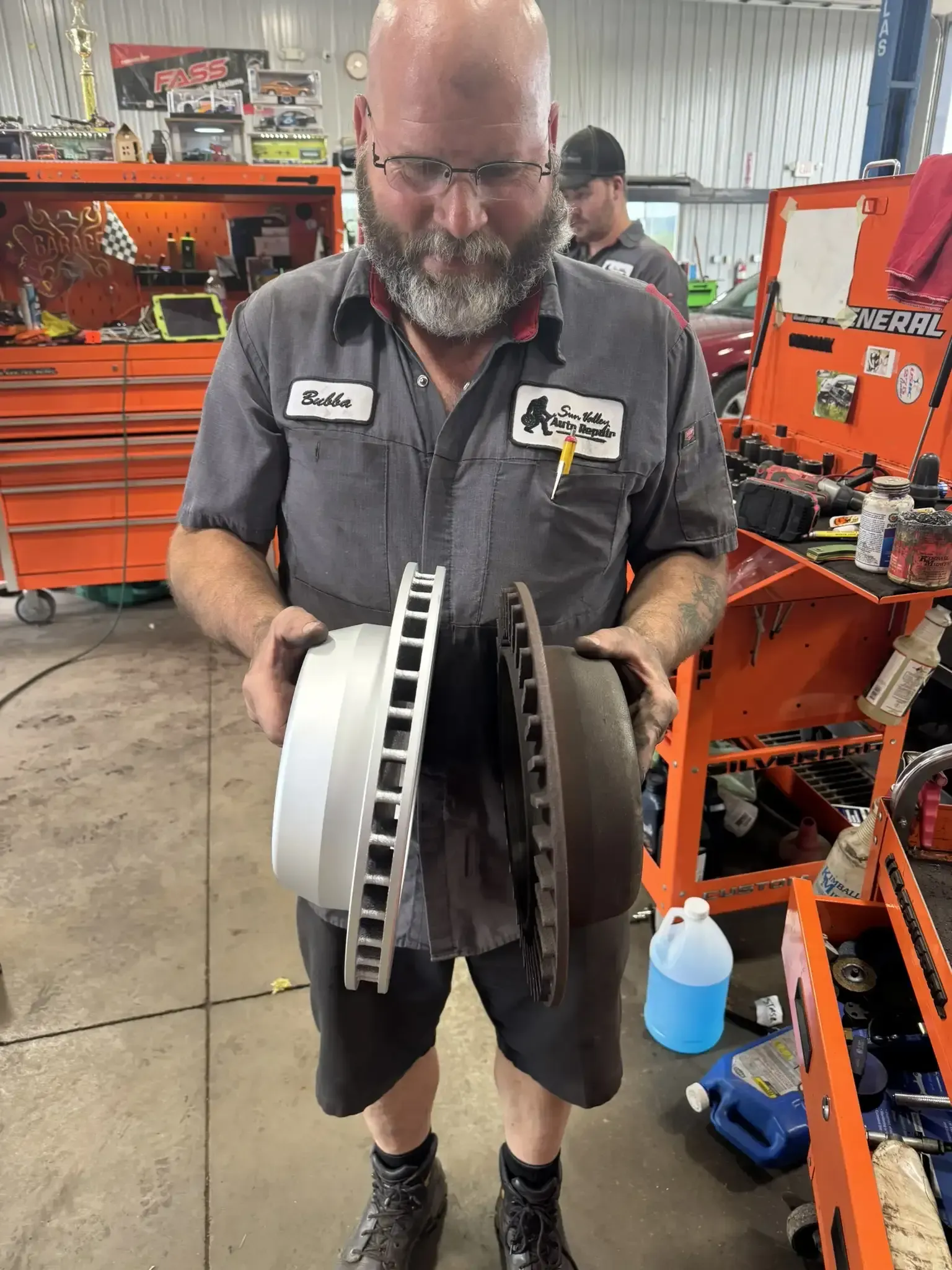
If you've started hearing a grinding noise when you press the brake pedal , don't ignore it. Grinding brakes can be caused by something as simple as surface rust, but they can...
By Sun Valley Auto Repair • July 30, 2026
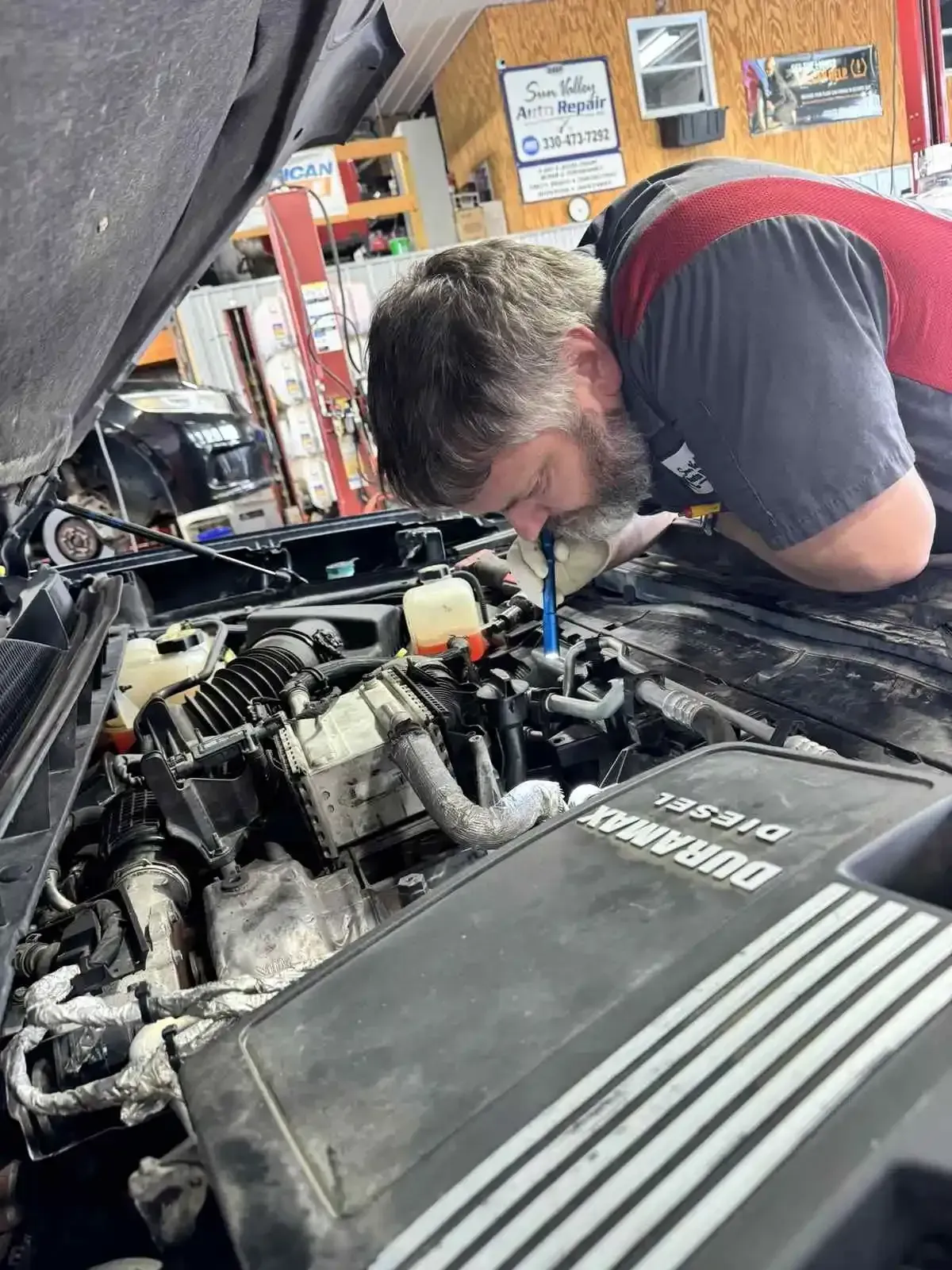
Have you ever wondered what your mechanic is actually looking at when they inspect your vehicle?
By Sun Valley Auto Repair • July 16, 2026
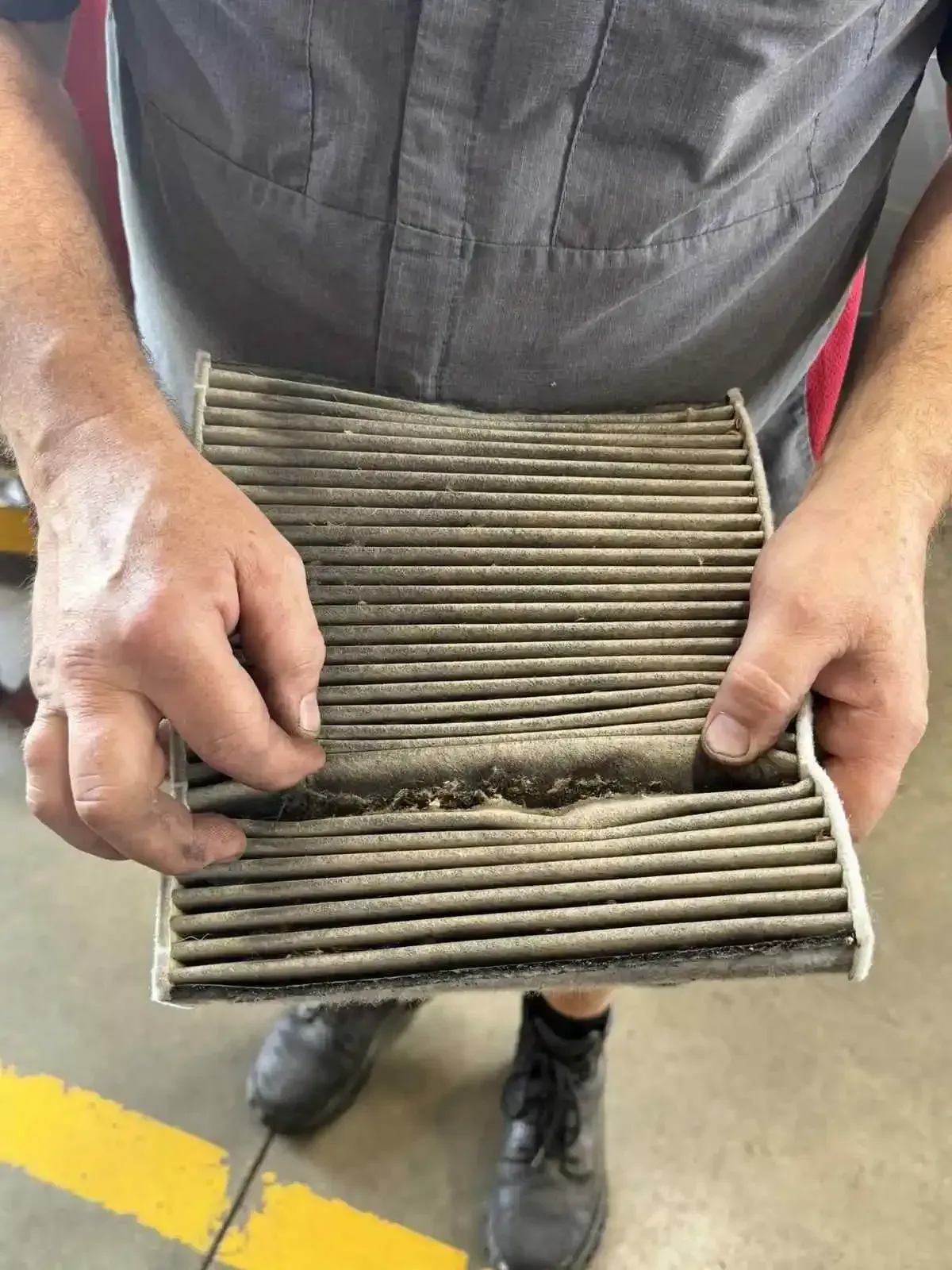
If your business depends on a work truck, van, or commercial fleet, keeping your vehicles properly maintained isn't just good practice—it's essential to protecting your bottom...
By Sun Valley Auto Repair • July 10, 2026
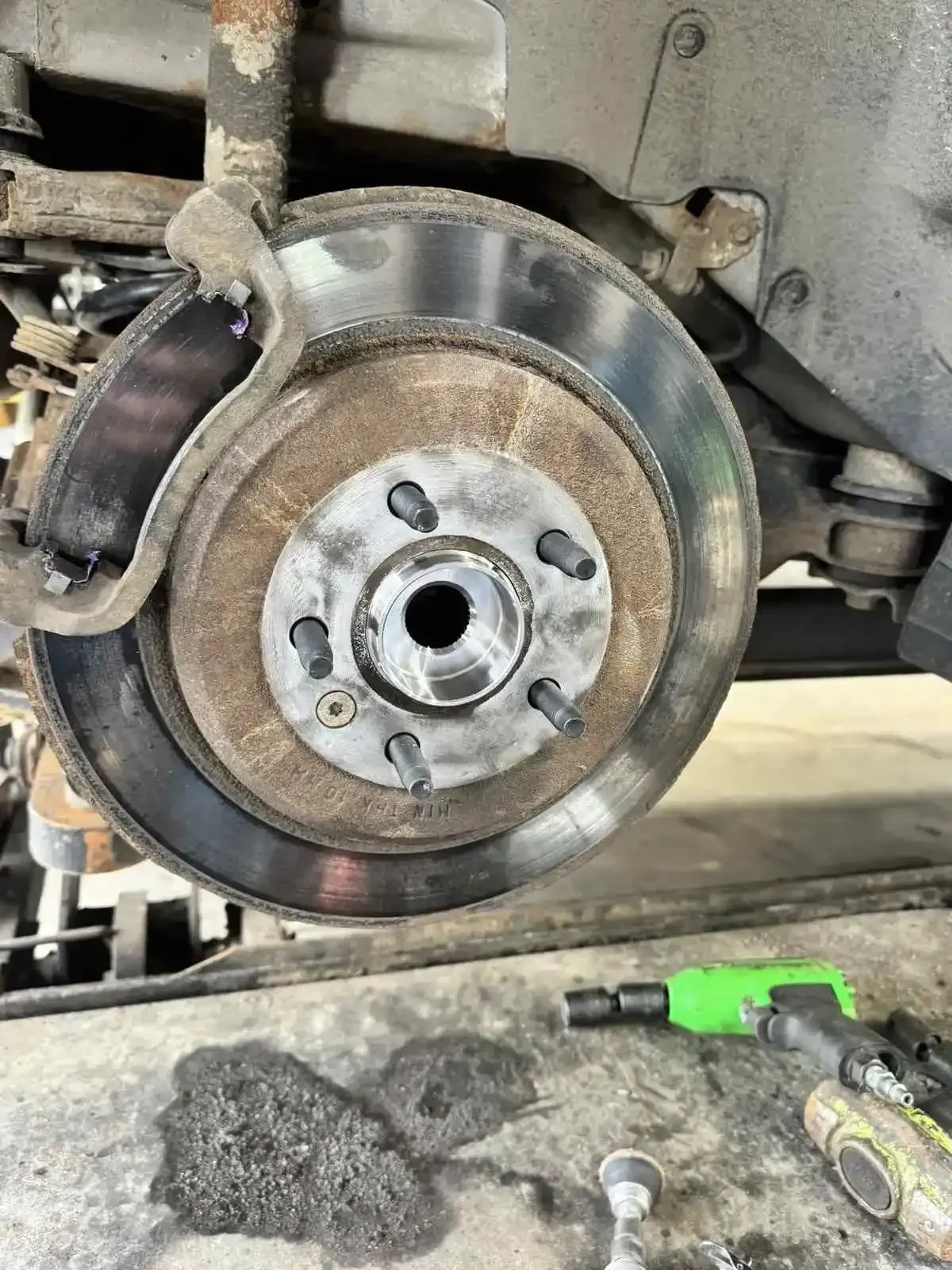
Short answer: Yes—in most cases, we recommend replacing your brake rotors and brake pads at the same time.

Show More