Is It Safe to Drive With Brake Noise? What Ohio Drivers Should Know

Sun Valley Auto Repair • January 20, 2026

Share this article

Hearing a new noise when you press the brake pedal can instantly make you uneasy—and for good reason. Brakes are one of your vehicle’s most important safety systems, and changes in sound or feel are often the first sign that something isn’t right.

The challenge? Not all brake noises mean the same thing. Some are minor, while others signal a problem that shouldn’t be ignored. Knowing when to have your brakes checked can help you avoid unsafe driving conditions and more costly repairs down the road.

Common Brake Noises and What They May Mean

Brake noise can come from several different sources. Here are a few common sounds drivers notice:

  • Squealing or squeaking: Often caused by worn brake pads or built-in wear indicators
  • Grinding: May indicate pads are worn down and metal is contacting metal
  • Clicking: Can be loose hardware or shifting components
  • Thumping or vibration: Often related to uneven rotor wear or brake balance issues

While some noises may seem minor at first, they can worsen quickly if left unchecked.

Is It Ever “Normal” for Brakes to Make Noise?

Occasionally, brakes may make brief noise due to moisture, surface rust, or temperature changes—especially after sitting overnight or in damp Ohio weather. However, persistent or loud brake noise is not something to ignore .

If a noise:

  • Happens every time you brake
  • Is getting louder
  • Comes with vibration or pulling
  • Is paired with a warning light

…it’s time to have the system inspected.

Why Driving With Brake Noise Can Be Risky

Brake components wear gradually, which means problems often start small. But continuing to drive with worn pads or damaged rotors can lead to:

  • Reduced stopping power
  • Increased stopping distance
  • Damage to additional components
  • Higher repair costs

Catching brake issues early usually means simpler, more affordable repairs—and safer driving.

Why a Professional Brake Inspection Matters

Brake noise doesn’t always point to the same repair. Similar sounds can come from different causes, which is why proper inspection and testing are important.

A professional brake inspection looks at:

  • Brake pad and rotor condition
  • Hardware and caliper operation
  • Brake fluid condition
  • ABS and warning light data

This helps ensure the right repair is made the first time , instead of guessing or replacing parts unnecessarily.

How We Approach Brake Concerns

When you bring your vehicle to Sun Valley Auto Repair for a brake concern, our focus is clarity and safety.

Our process includes:

  • A complete brake system inspection
  • A Digital Vehicle Inspection with photos and notes
  • Clear explanation of what we find
  • Honest recommendations based on safety and wear
  • No repairs performed without your approval

You’ll know exactly what’s going on before making any decisions.

When Should You Schedule a Brake Inspection?

It’s a good idea to have your brakes inspected if you notice:

  • New or worsening brake noise
  • Vibration or pulsation when stopping
  • A brake or ABS warning light
  • Changes in pedal feel
  • Pulling to one side when braking

If something feels or sounds different, trusting your instincts can help prevent bigger issues later.

Get Peace of Mind Before It Becomes a Bigger Problem

Brake noise doesn’t automatically mean something is dangerous—but it’s always worth checking. With a proper inspection and clear communication, you can drive confidently knowing your vehicle is safe.

If you’re hearing brake noise or have concerns about your braking system, our team is here to help.

👉 Schedule Brake Repair & Inspection
📞 Call 330-473-7292


Our Mission: Driving Trust, Setting Standards, Your Road Our Promise

At Sun Valley Auto Repair, we’re passionate about exceeding expectations. Through transparency and digital inspections, we drive trust, set standards for excellence, and keep you moving safely and confidently.

Recent Posts

By Sun Valley Auto Repair • October 9, 2026
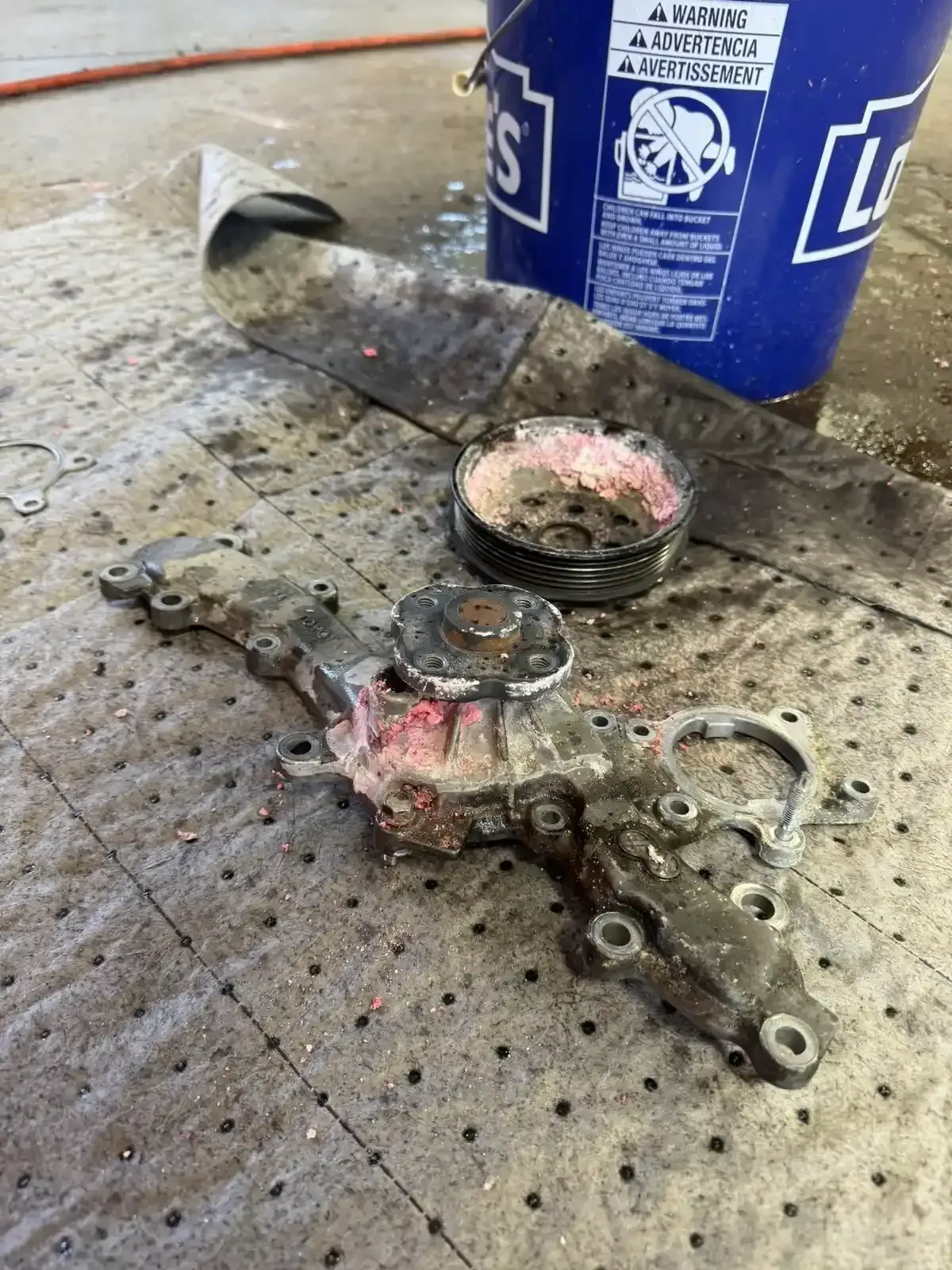
A car’s water pump can fail because of age and wear, contaminated coolant, corrosion, a damaged seal or bearing, or a problem with the belt system that drives it. When the pump...
By Sun Valley Auto Repair • October 9, 2026
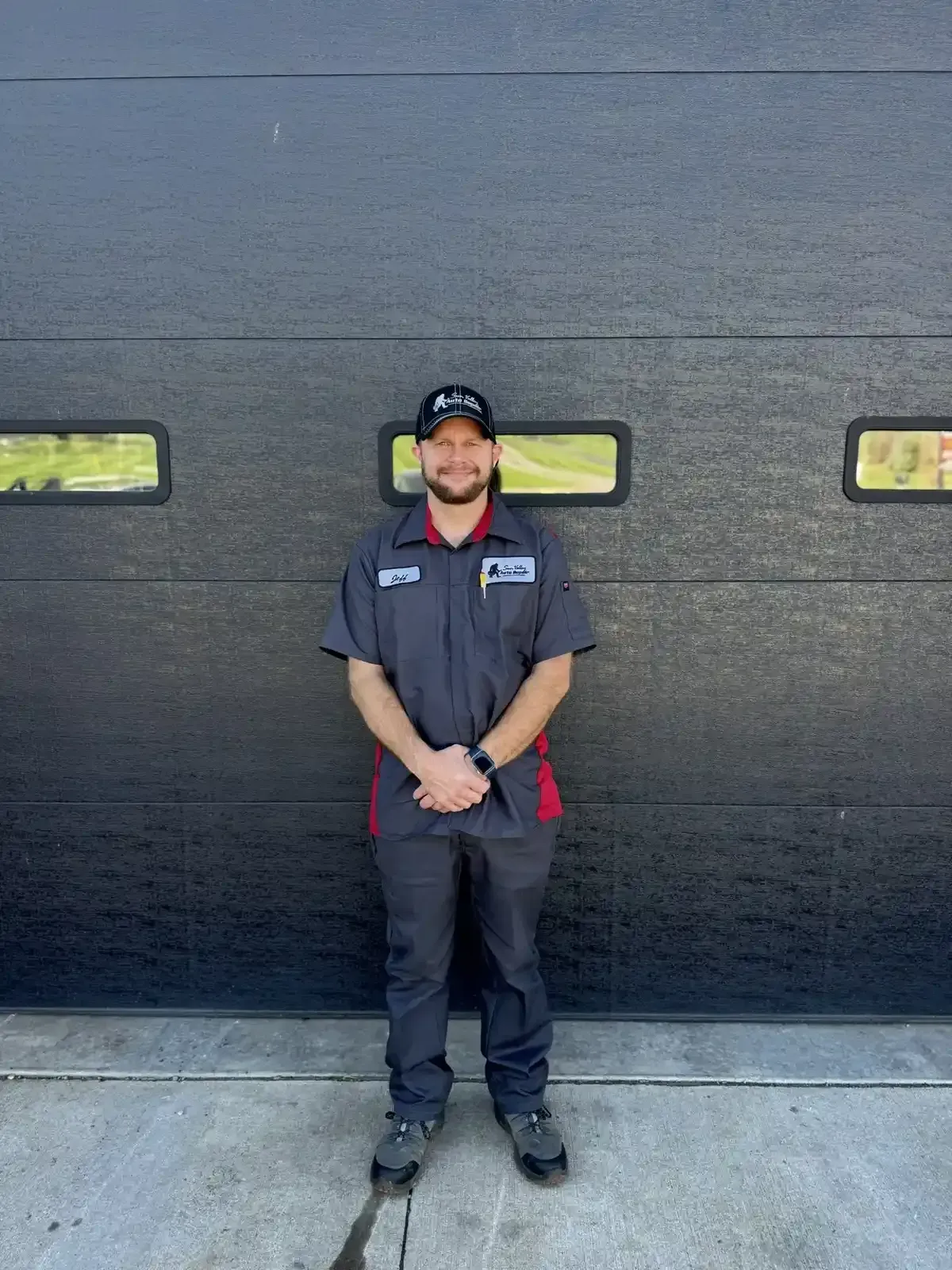
There’s a new face at the front counter! Please join us in welcoming Jeff to the Sun Valley Auto Repair team.
By Sun Valley Auto Repair • October 5, 2026
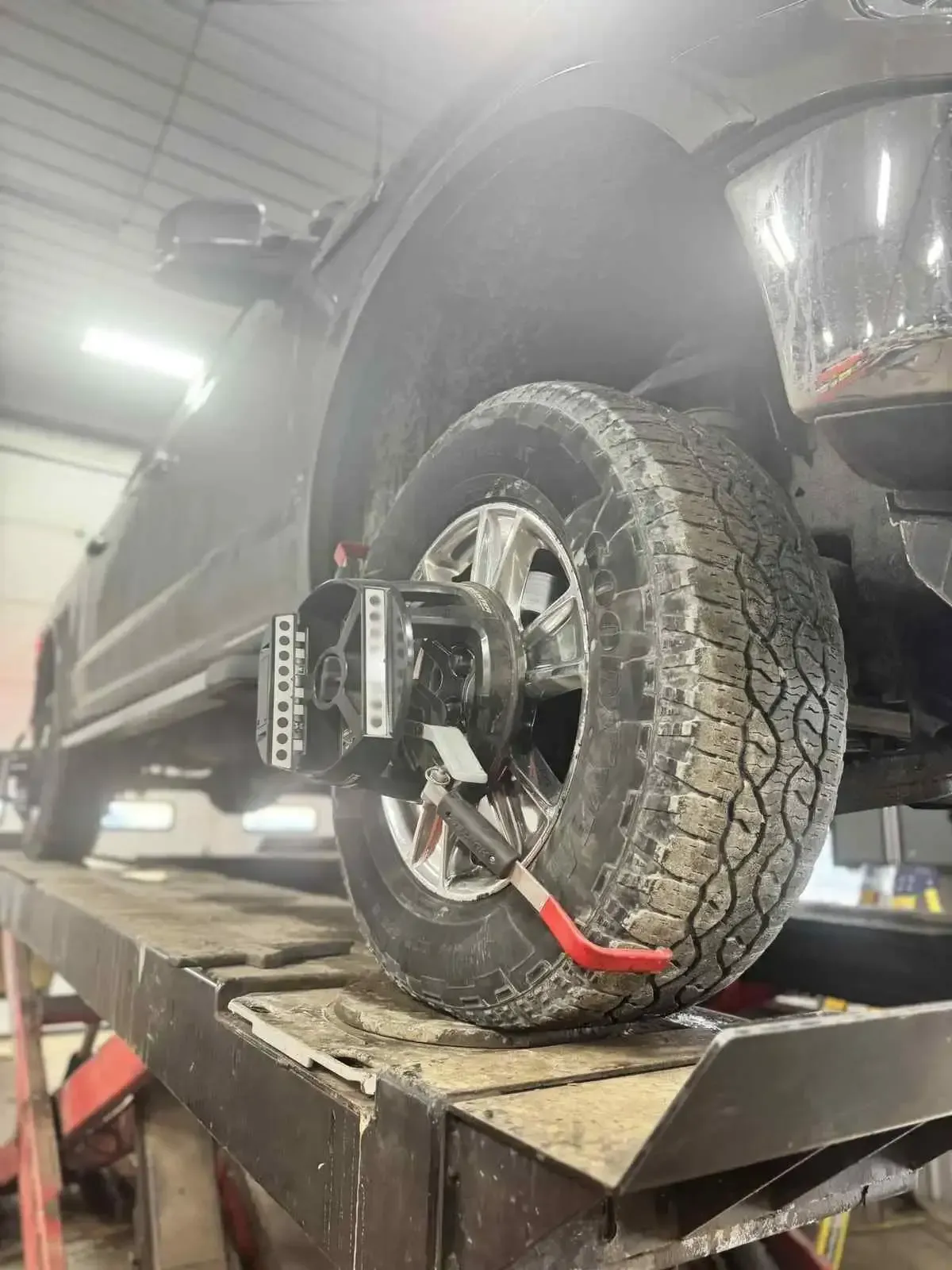
Getting new tires does not automatically mean your vehicle needs an alignment adjustment. It is, however, a good time to have the alignment checked. If your old tires wore...
By Sun Valley Auto Repair • September 28, 2026
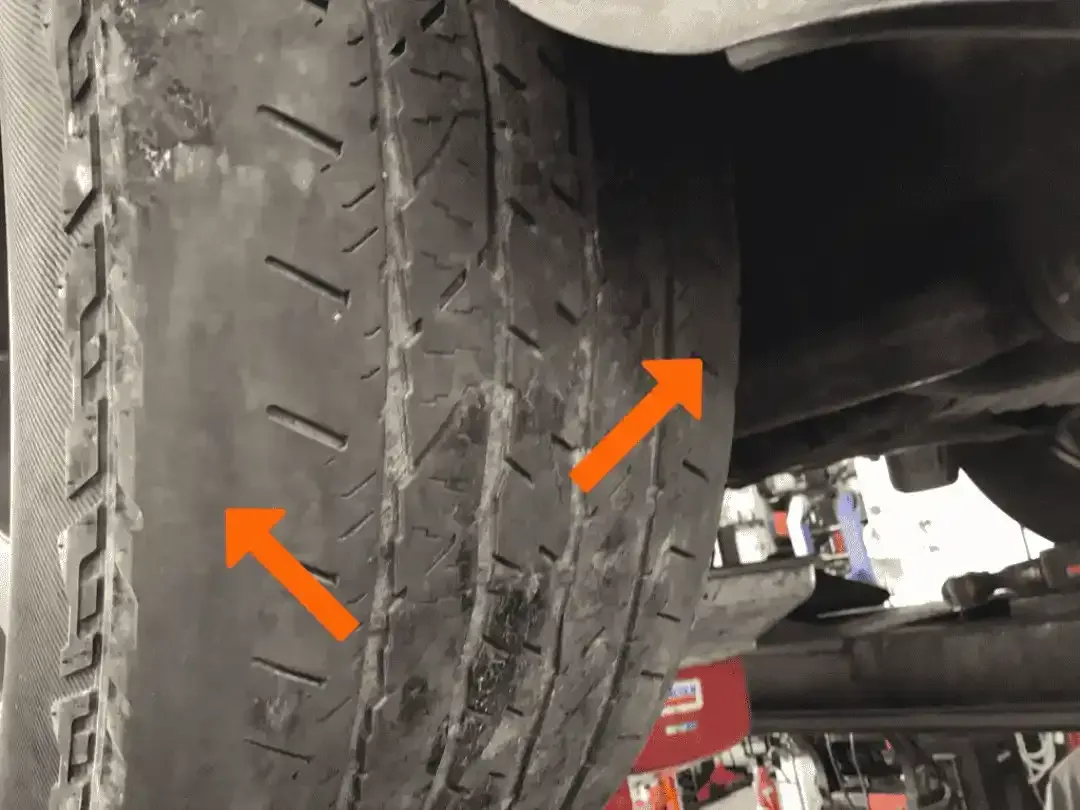
Before winter arrives in Ohio, check your tires for low tread, uneven wear, cracks, bulges and repeated air-pressure loss. Tires should have at least 2/32 inch of tread to remain...
By Sun Valley Auto Repair • August 31, 2026
You turn on your car’s A/C expecting a blast of cold air, but instead you get warm—or barely cool—air coming through the vents. What’s going on?
By Sun Valley Auto Repair • August 18, 2026
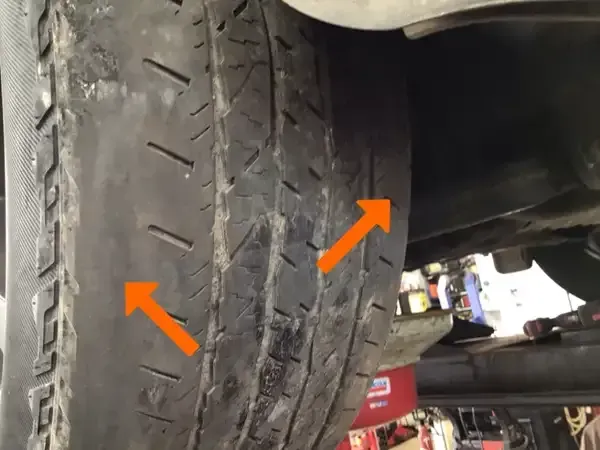
If you've noticed that one edge of your tire is wearing faster than the other, bald spots are developing, or one tire looks noticeably different from the others, your vehicle may...
By Sun Valley Auto Repair • August 12, 2026
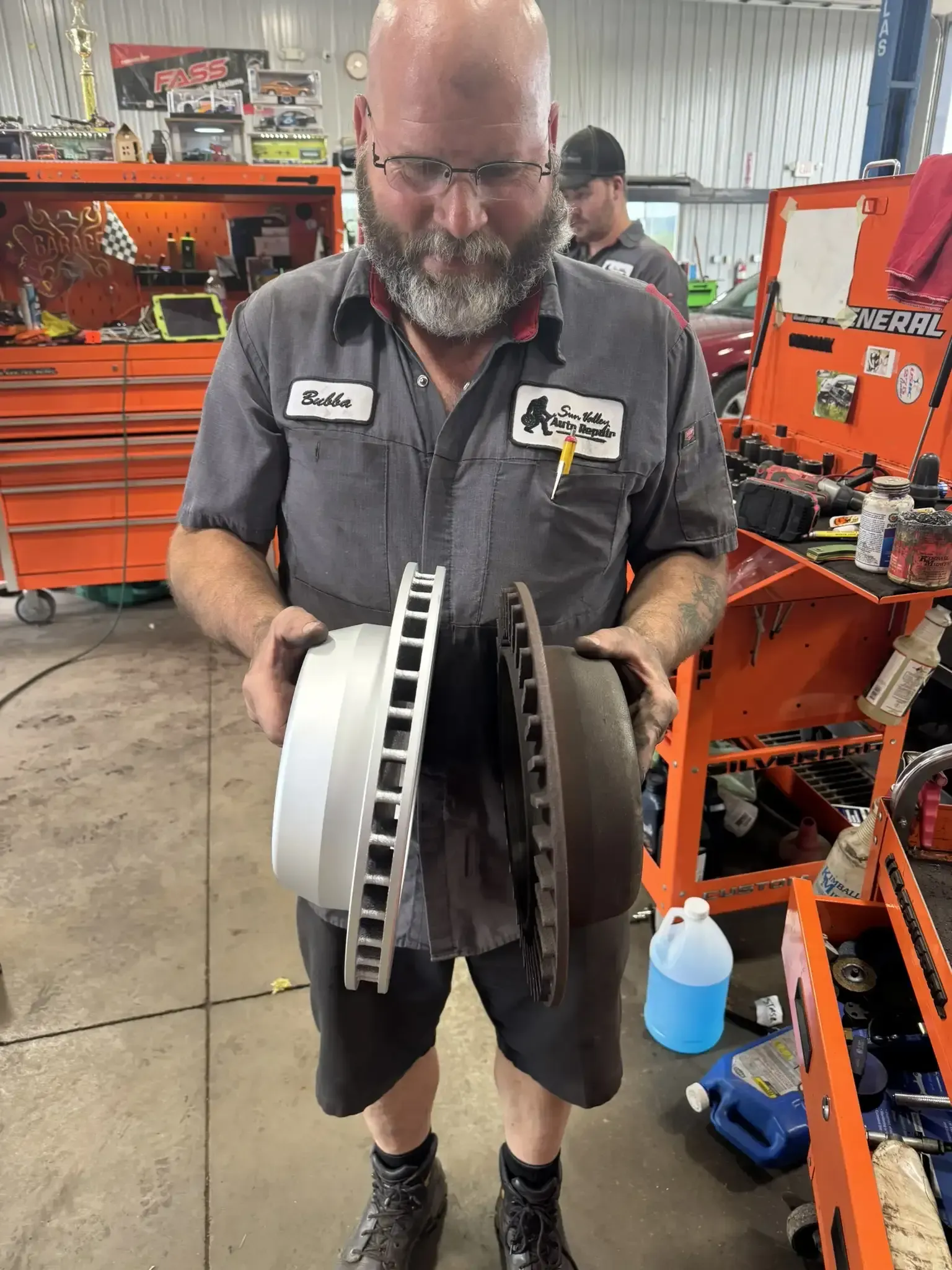
If you've started hearing a grinding noise when you press the brake pedal , don't ignore it. Grinding brakes can be caused by something as simple as surface rust, but they can...
By Sun Valley Auto Repair • July 30, 2026
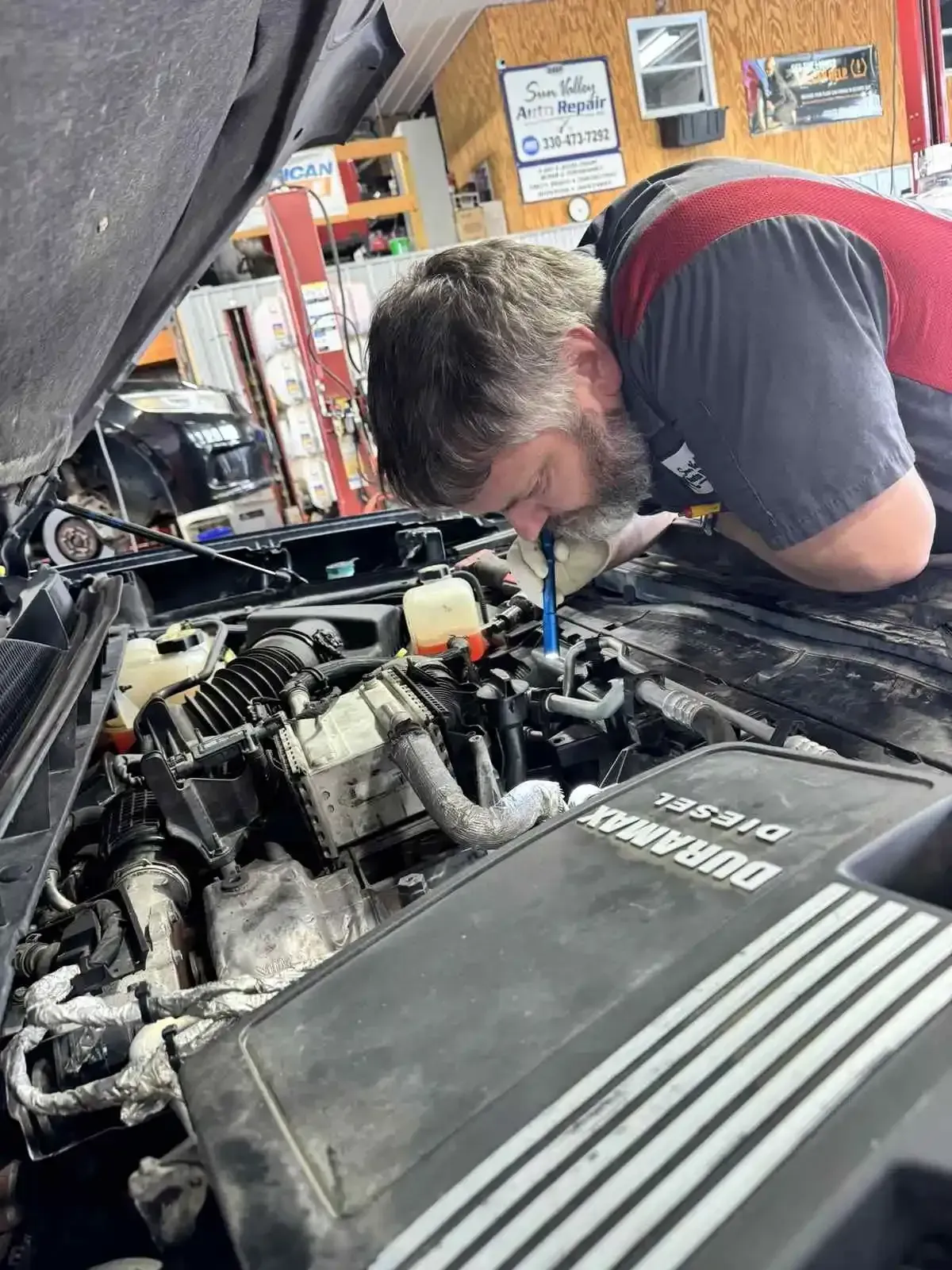
Have you ever wondered what your mechanic is actually looking at when they inspect your vehicle?
By Sun Valley Auto Repair • July 16, 2026
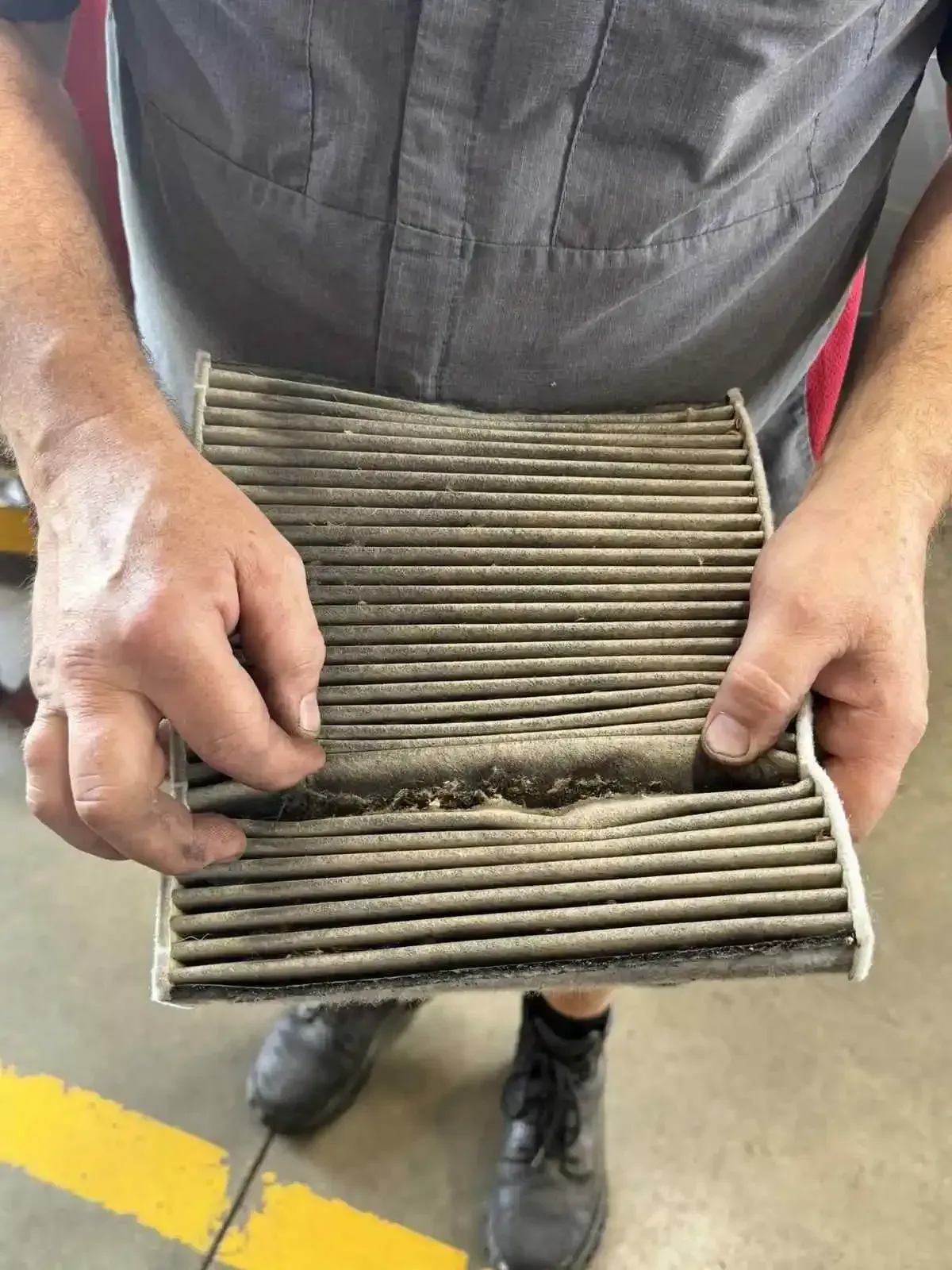
If your business depends on a work truck, van, or commercial fleet, keeping your vehicles properly maintained isn't just good practice—it's essential to protecting your bottom...
By Sun Valley Auto Repair • July 10, 2026
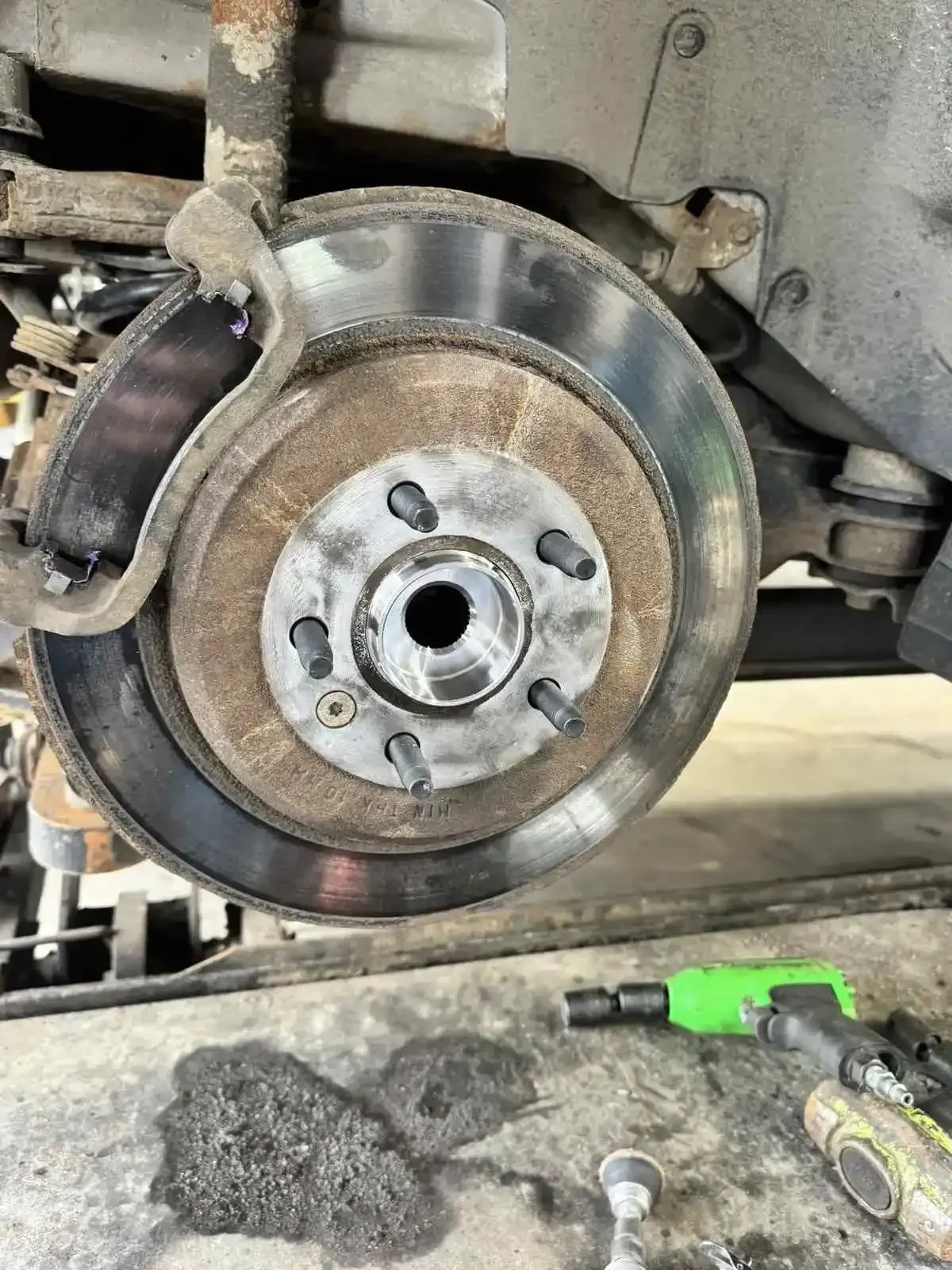
Short answer: Yes—in most cases, we recommend replacing your brake rotors and brake pads at the same time.

Show More