Signs Your Fleet Vehicles Need Suspension Repair

Sun Valley Auto Repair • July 17, 2024

Share this article

Keeping your fleet vehicles in top condition is crucial for maintaining safety, performance, and efficiency. One critical aspect of vehicle maintenance is ensuring the suspension system is in good working order. The suspension system is responsible for providing a smooth ride, maintaining tire contact with the road, and ensuring proper vehicle handling. At Sun Valley Auto Repair in Sugarcreek, OH, we understand the importance of a well-maintained suspension system. Here are some signs that your fleet vehicles may need suspension repair.

1. Unusual Noises

If your drivers report hearing strange noises when driving, it could be a sign of suspension issues. Listen for:

  • Clunking or Knocking Sounds: These noises often indicate worn-out or damaged suspension components, such as shocks, struts, or ball joints.
  • Squeaking or Creaking Sounds: These sounds can suggest problems with the suspension bushings or other components.

2. Vehicle Pulling to One Side

If a vehicle consistently pulls to one side while driving, it could be a sign of suspension problems. This issue can be caused by:

  • Misaligned Wheels: Misalignment can occur due to worn suspension components or after hitting a pothole or curb.
  • Worn or Damaged Suspension Parts: Components like control arms, bushings, or tie rods may need to be inspected and replaced.

3. Uneven Tire Wear

Regularly check the tires on your fleet vehicles for uneven wear patterns. Uneven tire wear can indicate suspension issues, such as:

  • Improper Alignment: Misaligned wheels can cause tires to wear unevenly, reducing their lifespan and affecting vehicle handling.
  • Worn Suspension Components: Parts like shocks, struts, or bushings that are worn out can lead to uneven tire wear.

4. Excessive Bouncing or Swaying

If a vehicle bounces excessively after hitting a bump or sways more than usual during turns, it’s a sign that the suspension system needs attention. This can be caused by:

  • Worn Shocks or Struts: These components help control the vehicle’s movement and provide a smooth ride. When they wear out, the vehicle can bounce or sway excessively.
  • Damaged Springs: Springs support the vehicle’s weight and help absorb road impacts. If they are damaged, the vehicle’s stability is compromised.

5. Visible Damage or Leaks

Perform regular visual inspections of your fleet vehicles’ suspension systems. Look for:

  • Leaking Fluid: Leaks around shocks or struts can indicate they are no longer functioning properly and need to be replaced.
  • Physical Damage: Check for bent or broken suspension components, such as control arms or sway bars.

6. Difficulty Steering

If your drivers report difficulty steering or if the steering feels stiff or loose, it could be a sign of suspension problems. This issue can be caused by:

  • Worn Steering Components: Parts like tie rods, ball joints, or control arms may need to be inspected and replaced.
  • Suspension Misalignment: Misalignment can affect steering response and vehicle handling.

Regular maintenance and timely repairs are essential for keeping your fleet vehicles in top condition. If you notice any of these signs, it’s important to have your suspension system inspected and repaired by a professional. At Sun Valley Auto Repair, we offer comprehensive suspension repair services to ensure your fleet vehicles remain safe and reliable.

Ready to keep your fleet running smoothly? Schedule your suspension inspection and repair with Sun Valley Auto Repair today! We look forward to helping you maintain your fleet’s performance and safety.

Stay Connected!

For reliable fleet vehicle services, visit Sun Valley Auto Repair in Sugarcreek, OH. Call us today or schedule online!

Recent Posts

By Sun Valley Auto Repair • October 9, 2026
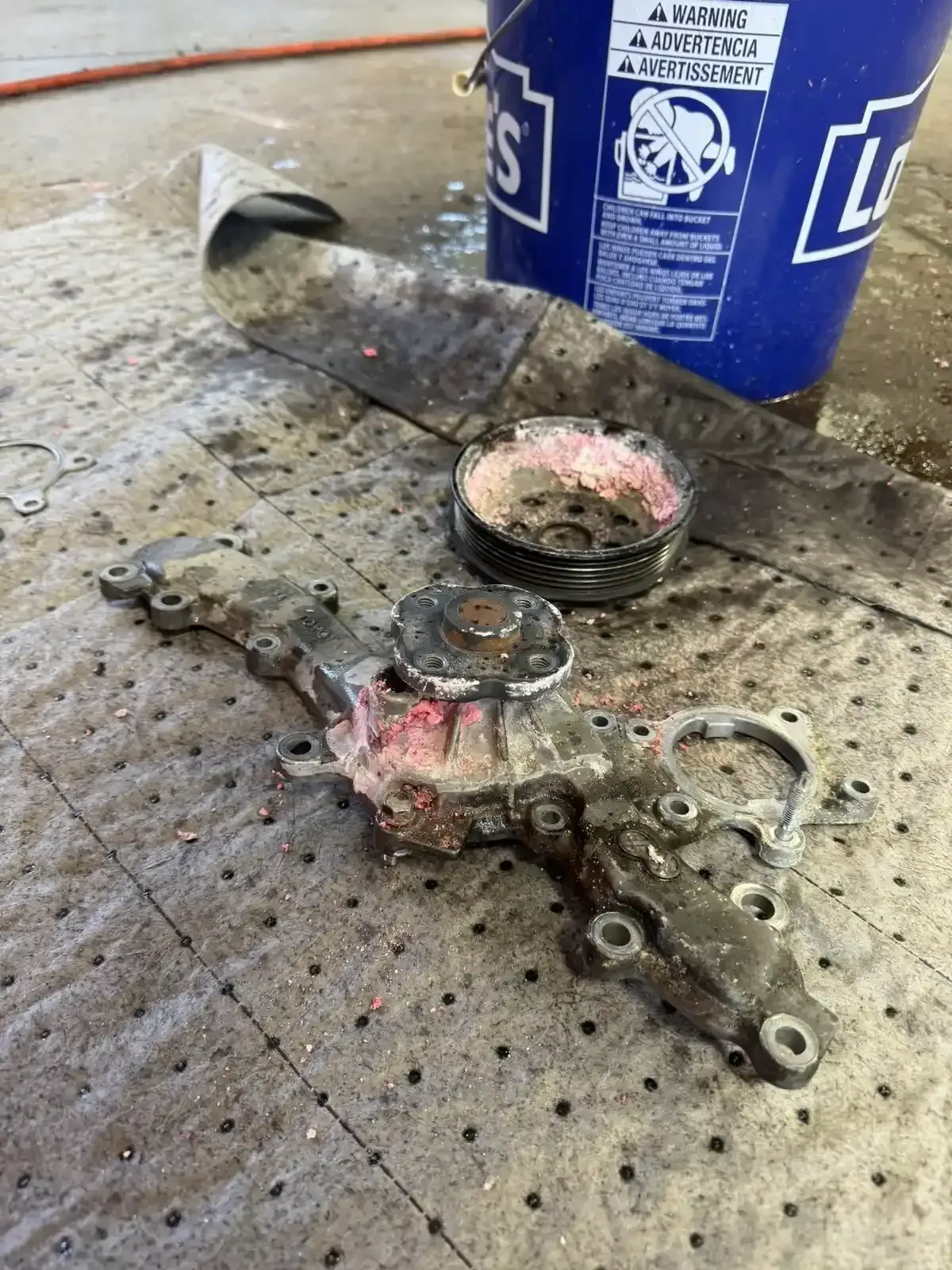
A car’s water pump can fail because of age and wear, contaminated coolant, corrosion, a damaged seal or bearing, or a problem with the belt system that drives it. When the pump...
By Sun Valley Auto Repair • October 9, 2026
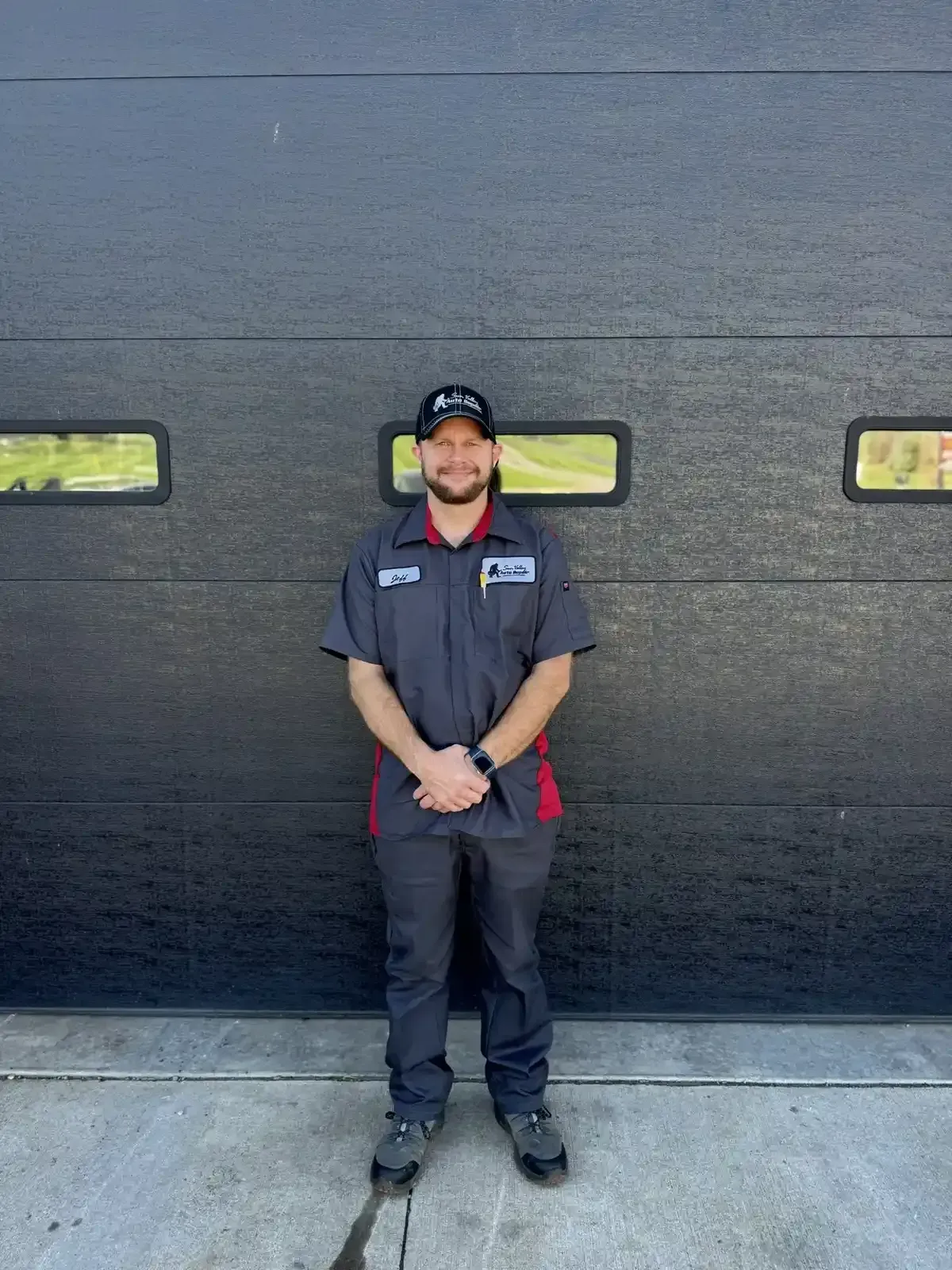
There’s a new face at the front counter! Please join us in welcoming Jeff to the Sun Valley Auto Repair team.
By Sun Valley Auto Repair • October 5, 2026
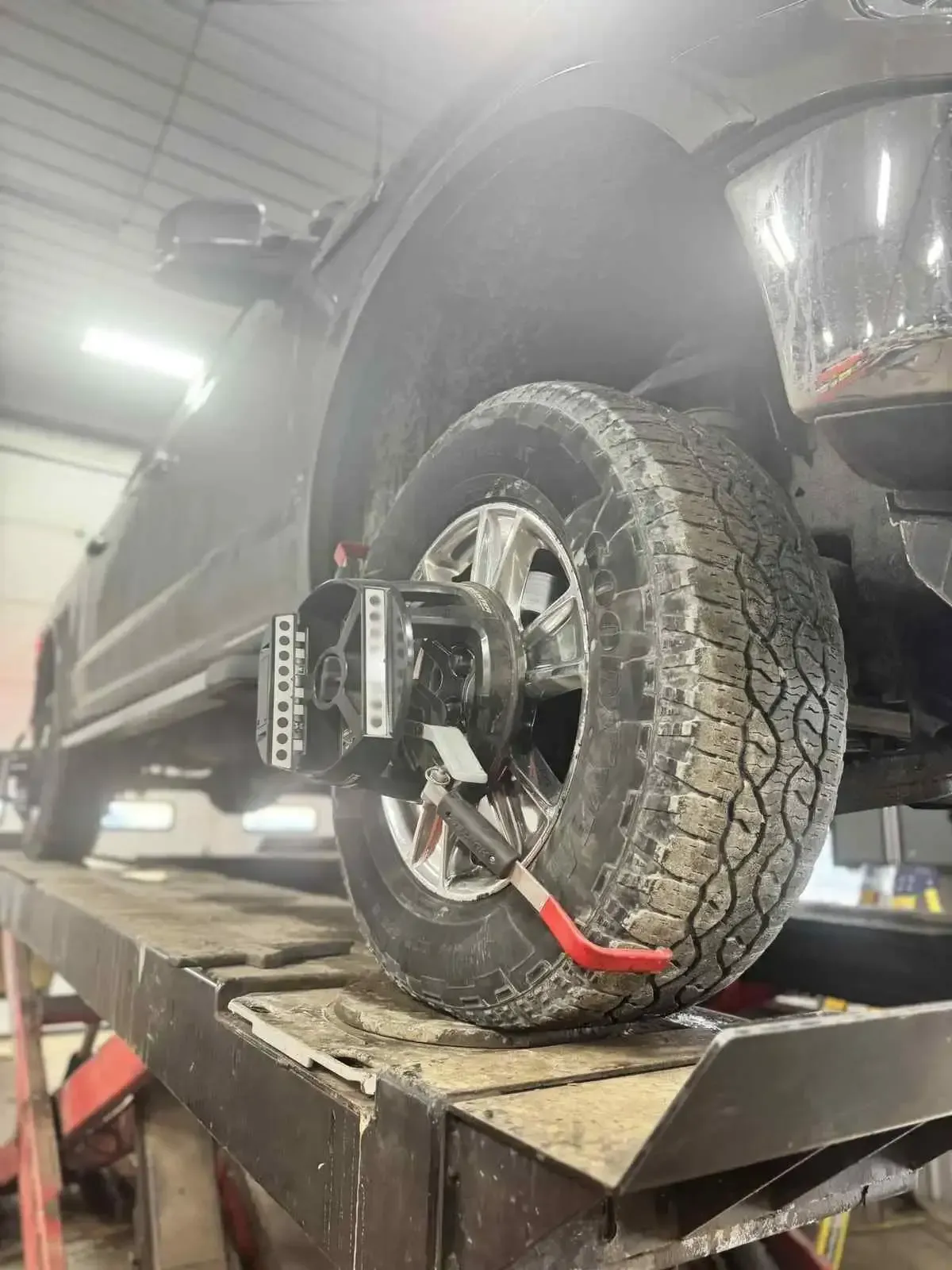
Getting new tires does not automatically mean your vehicle needs an alignment adjustment. It is, however, a good time to have the alignment checked. If your old tires wore...
By Sun Valley Auto Repair • September 28, 2026
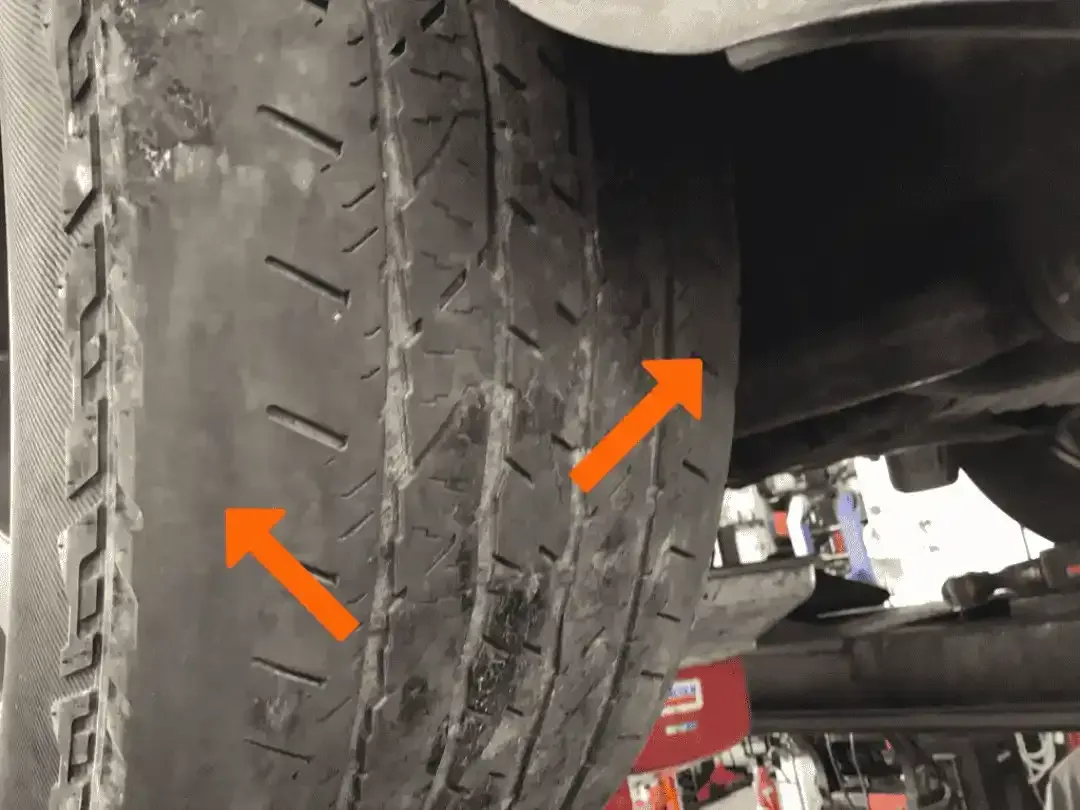
Before winter arrives in Ohio, check your tires for low tread, uneven wear, cracks, bulges and repeated air-pressure loss. Tires should have at least 2/32 inch of tread to remain...
By Sun Valley Auto Repair • August 31, 2026
You turn on your car’s A/C expecting a blast of cold air, but instead you get warm—or barely cool—air coming through the vents. What’s going on?
By Sun Valley Auto Repair • August 18, 2026
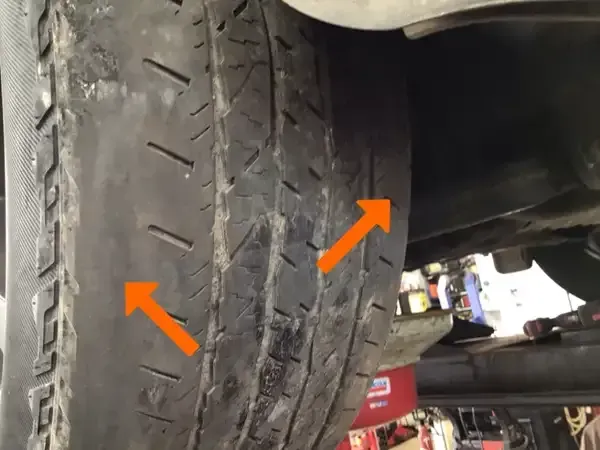
If you've noticed that one edge of your tire is wearing faster than the other, bald spots are developing, or one tire looks noticeably different from the others, your vehicle may...
By Sun Valley Auto Repair • August 12, 2026
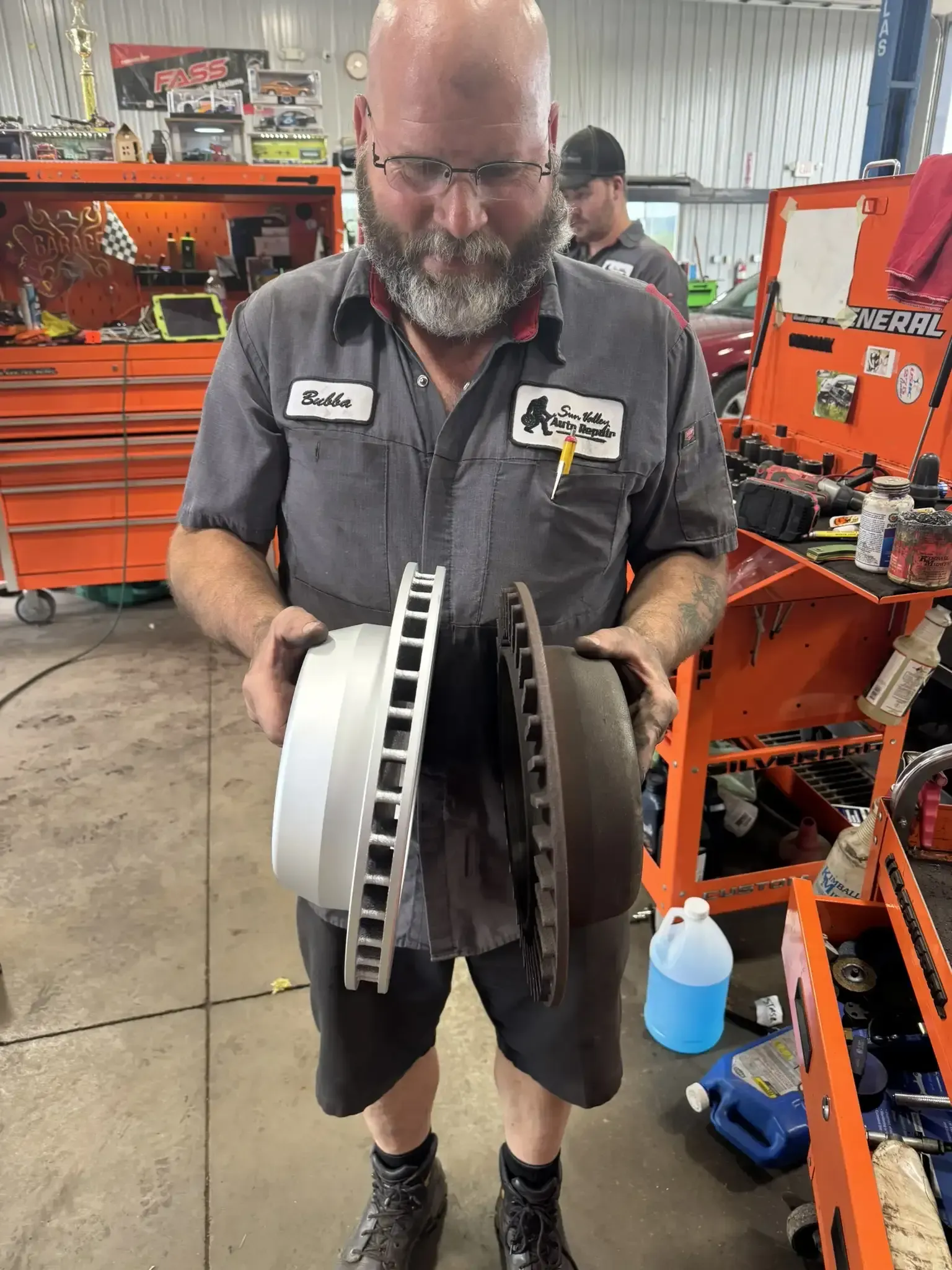
If you've started hearing a grinding noise when you press the brake pedal , don't ignore it. Grinding brakes can be caused by something as simple as surface rust, but they can...
By Sun Valley Auto Repair • July 30, 2026
Have you ever wondered what your mechanic is actually looking at when they inspect your vehicle?
By Sun Valley Auto Repair • July 16, 2026
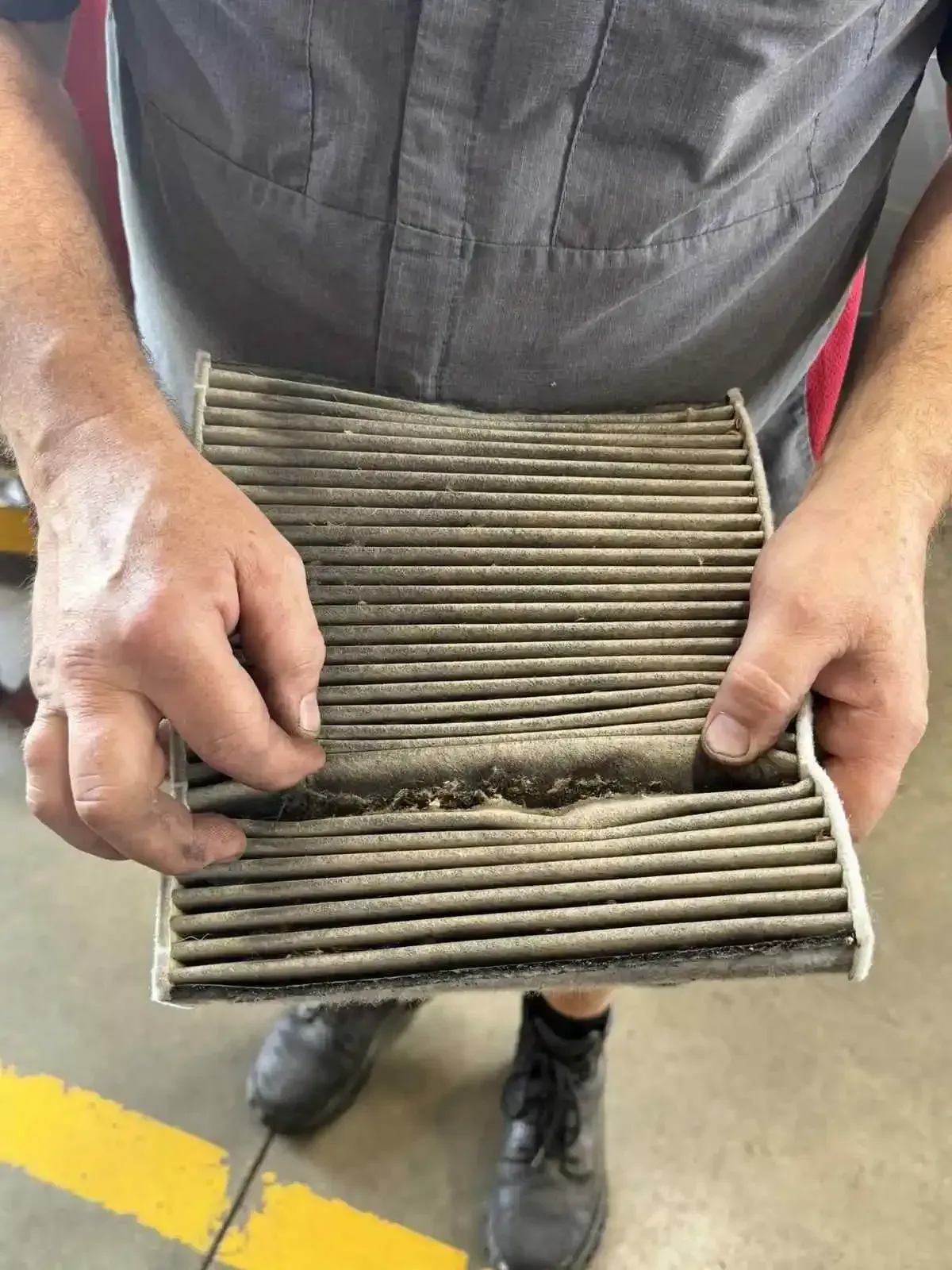
If your business depends on a work truck, van, or commercial fleet, keeping your vehicles properly maintained isn't just good practice—it's essential to protecting your bottom...
By Sun Valley Auto Repair • July 10, 2026
Short answer: Yes—in most cases, we recommend replacing your brake rotors and brake pads at the same time.

Show More