Time to Rotate Those Tires: Why Spring Tire Maintenance Matters

May 13, 2025

Share this article


Spring is here—birds are chirping, potholes are popping, and your tires? They’re ready for some attention. After a long winter of slush, salt, and rough roads, tire rotation is one of the simplest (and smartest) ways to extend tire life and keep your vehicle safe into the warmer months.

Let’s break down why spring is the perfect time to rotate your tires—and what happens if you skip it.


What Is Tire Rotation—and Why Does It Matter?

Tire rotation means moving your tires from one position to another—typically front to back or diagonally—so they wear evenly over time.

Here’s why it matters:
Front tires wear faster due to steering, braking, and weight distribution.
Uneven tire wear reduces traction, fuel efficiency, and tire life.
Skipping rotations can void your tire warranty—costing you more in the long run.


Top 3 Reasons to Rotate Tires This Spring

1. Winter Takes a Toll

Winter driving = uneven wear. Snow, salt, potholes, and ice take a toll on your tires and alignment. A spring rotation helps even things out and prevents long-term damage.

2. Boosts Safety & Performance

Evenly worn tires mean better traction, smoother braking, and a more comfortable ride—especially important as road trip season kicks off.

3. Saves You Money

Rotating your tires helps them last longer—meaning fewer replacements and more cash for spring fun, vacations, or (let’s be real)... gas.


Bonus Tip: Don’t Forget Alignment & Tire Pressure

When you rotate your tires, also check:

  • Tire pressure – Spring temperature swings affect PSI.

  • Wheel alignment – Especially important after winter potholes.

  • Tread depth – Worn tires reduce grip and safety.

 A quick visit to Sun Valley Auto Repair can spot early signs of tire wear or misalignment before they turn into expensive problems.


Glenn Says: Rotate, Don’t Procrastinate

Even Glenn the Sasquatch knows that tire rotation matters. It’s a quick, affordable visit—and it can add thousands of miles to your tires’ life. Don’t skip the small stuff!


Tire Rotation FAQs

Q: How often should I rotate my tires?
A: Every 5,000–7,000 miles. We recommend pairing it with your oil change.

Q: Does rotation pattern matter?
A: Yes! Front-wheel, rear-wheel, and all-wheel-drive vehicles all require different patterns. Our techs will choose the one that's best for your vehicle.

Q: Can uneven tire wear cause other problems?
A: Definitely. It can affect alignment, suspension, and fuel economy.


Let’s Get Rolling—Schedule Your Spring Tire Rotation Today

Your tires have worked hard all winter. Give them a fresh start this spring with a professional rotation and complimentary digital inspection at Sun Valley Auto Repair.


Our Mission: Driving Trust, Setting Standards, Your Road Our Promise

At Sun Valley Auto Repair , we're passionate about exceeding expectations. Our commitment to transparency through digital inspections aligns perfectly with our mission:
Driving trust by being honest and upfront about your vehicle’s needs
Setting standards for excellence in auto repair
Your road, our promise —we’re here to keep you moving safely for miles to come.


Ready to Rotate and Roll?

📅 Schedule your next service appointment today and give your tires the care they deserve.


Stay Connected

Recent Posts

By Sun Valley Auto Repair • October 9, 2026
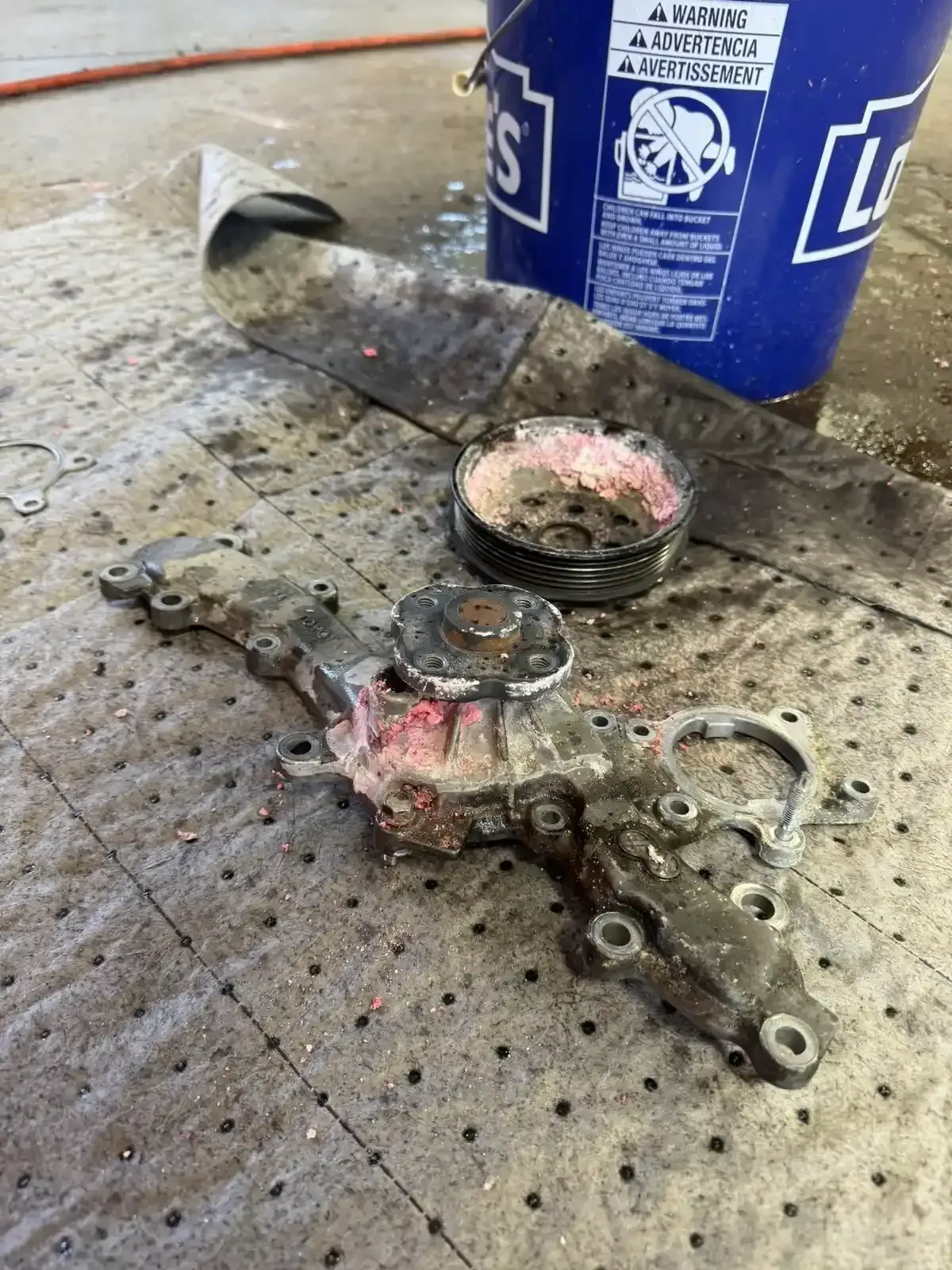
A car’s water pump can fail because of age and wear, contaminated coolant, corrosion, a damaged seal or bearing, or a problem with the belt system that drives it. When the pump...
By Sun Valley Auto Repair • October 9, 2026
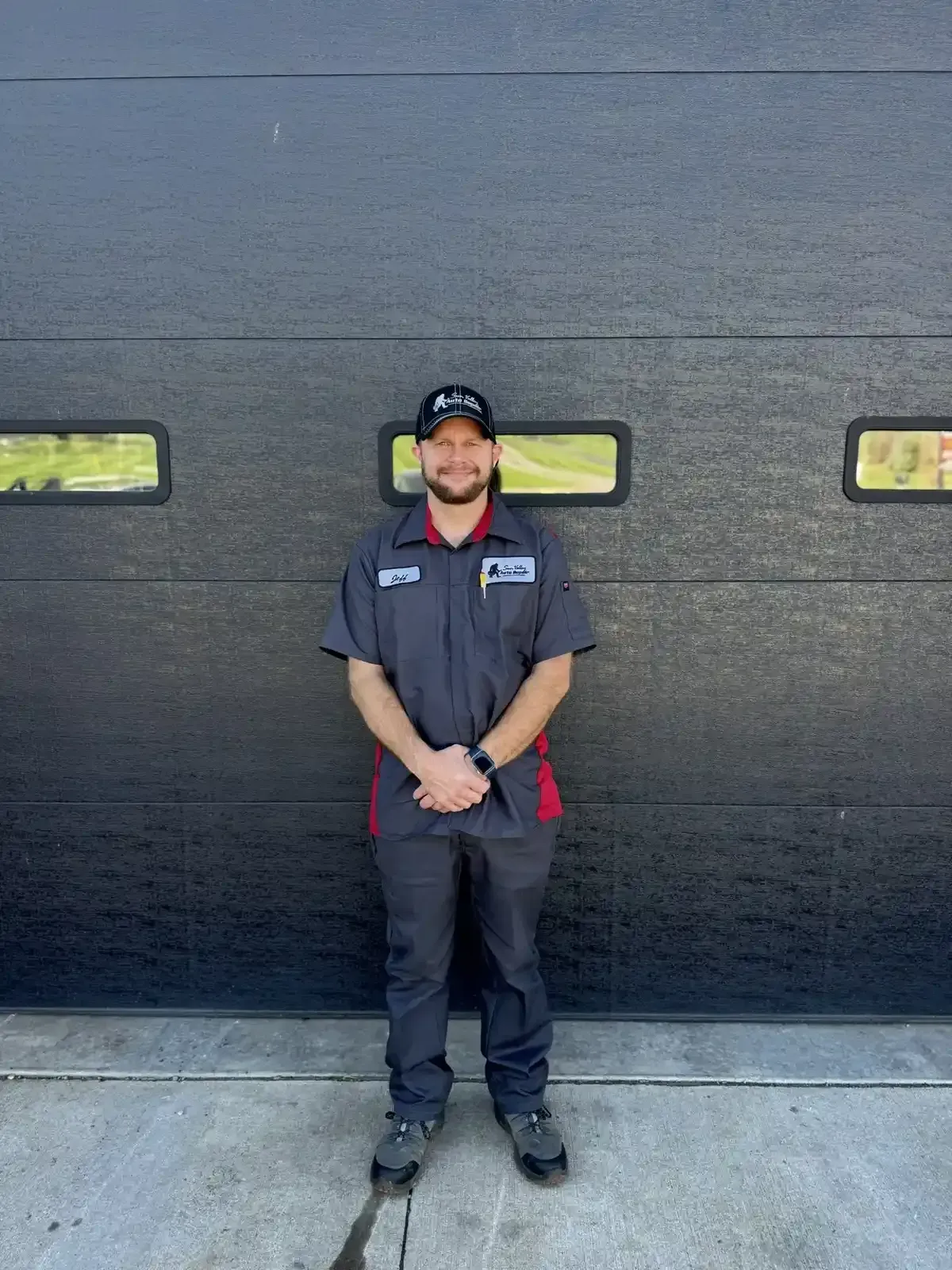
There’s a new face at the front counter! Please join us in welcoming Jeff to the Sun Valley Auto Repair team.
By Sun Valley Auto Repair • October 5, 2026
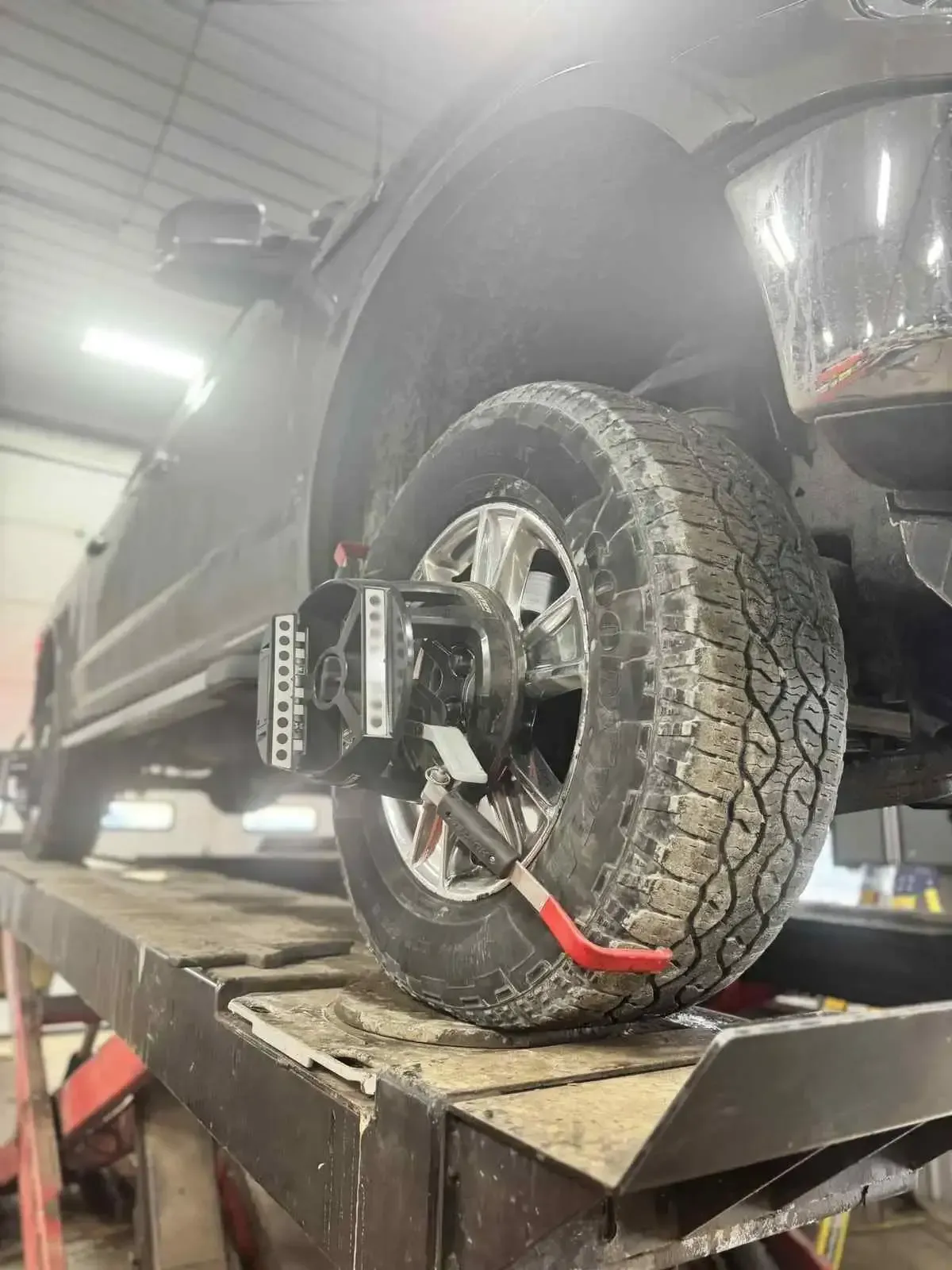
Getting new tires does not automatically mean your vehicle needs an alignment adjustment. It is, however, a good time to have the alignment checked. If your old tires wore...
By Sun Valley Auto Repair • September 28, 2026
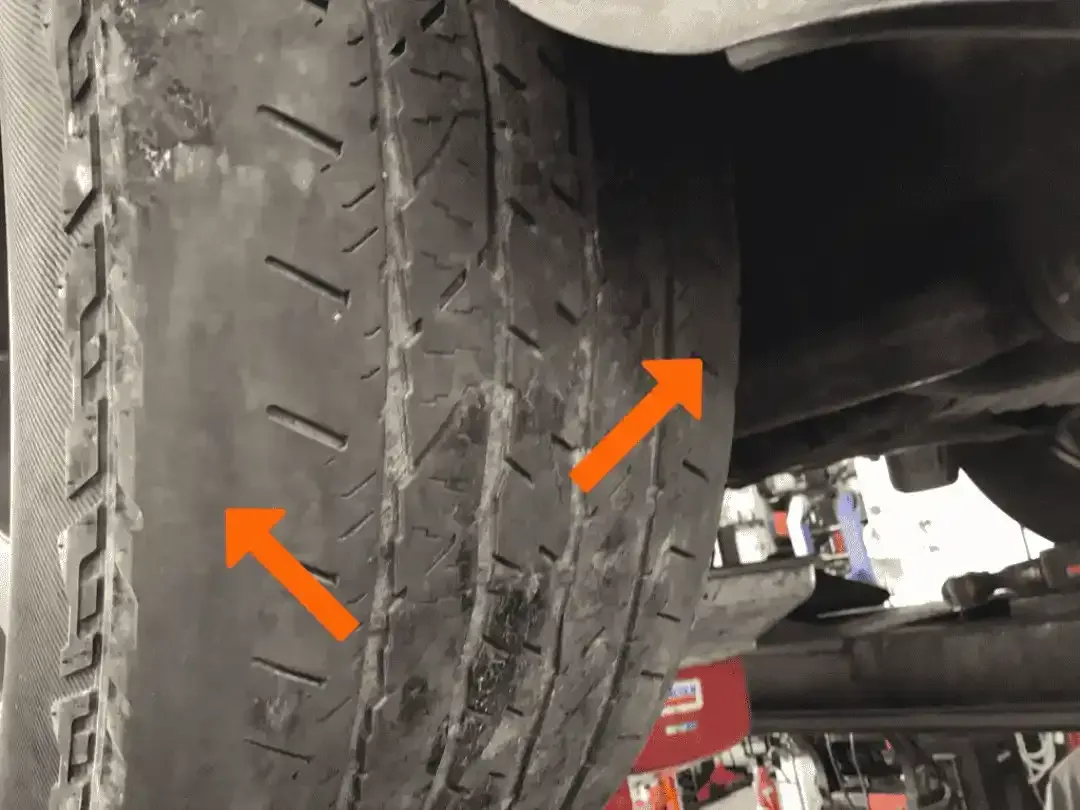
Before winter arrives in Ohio, check your tires for low tread, uneven wear, cracks, bulges and repeated air-pressure loss. Tires should have at least 2/32 inch of tread to remain...
By Sun Valley Auto Repair • August 31, 2026
You turn on your car’s A/C expecting a blast of cold air, but instead you get warm—or barely cool—air coming through the vents. What’s going on?
By Sun Valley Auto Repair • August 18, 2026
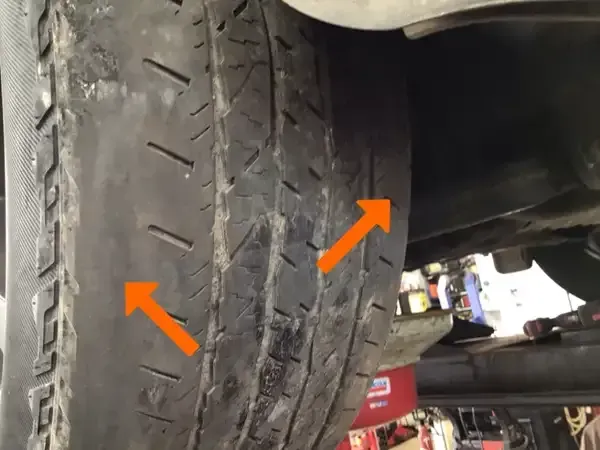
If you've noticed that one edge of your tire is wearing faster than the other, bald spots are developing, or one tire looks noticeably different from the others, your vehicle may...
By Sun Valley Auto Repair • August 12, 2026
If you've started hearing a grinding noise when you press the brake pedal , don't ignore it. Grinding brakes can be caused by something as simple as surface rust, but they can...
By Sun Valley Auto Repair • July 30, 2026
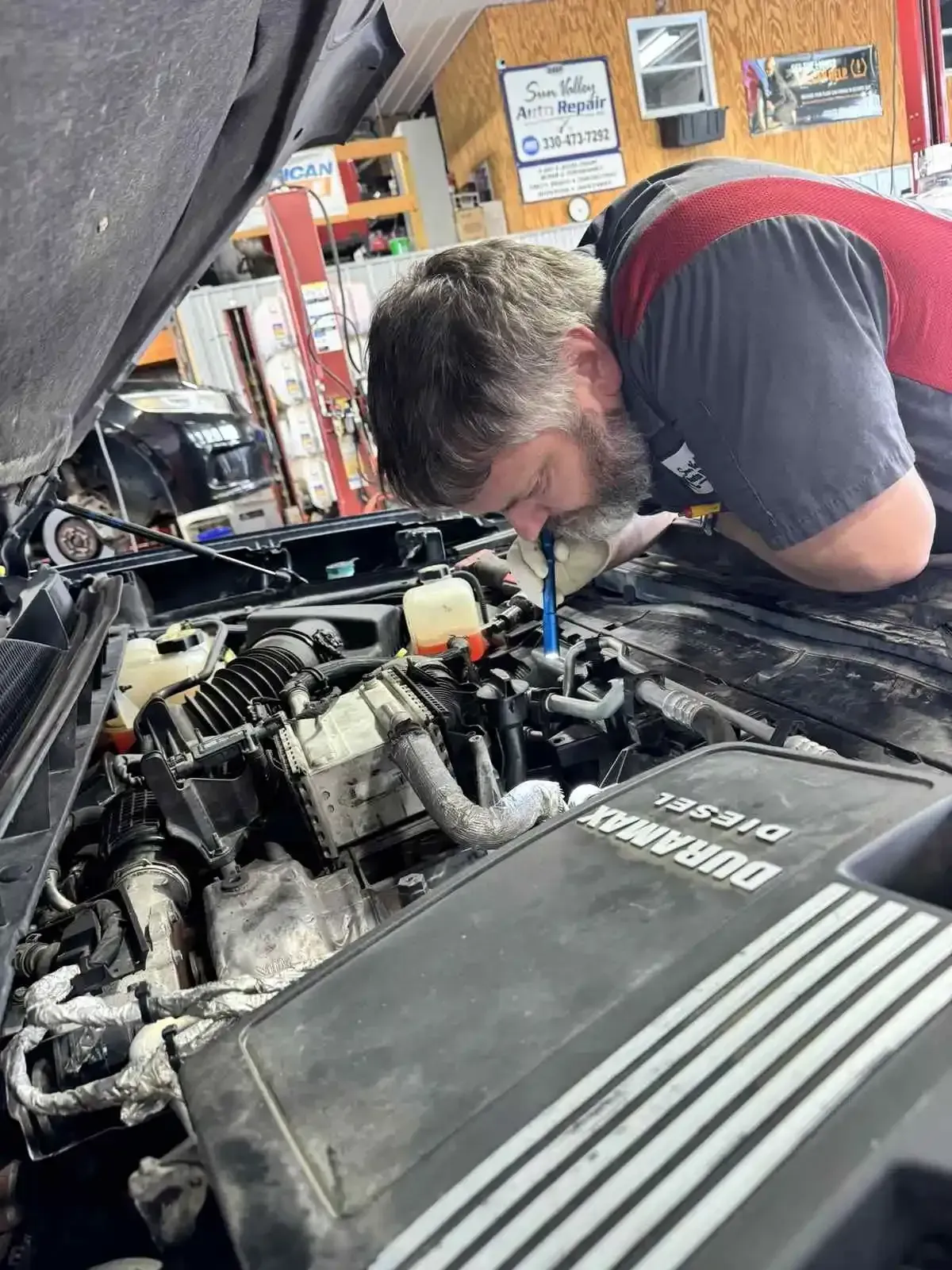
Have you ever wondered what your mechanic is actually looking at when they inspect your vehicle?
By Sun Valley Auto Repair • July 16, 2026
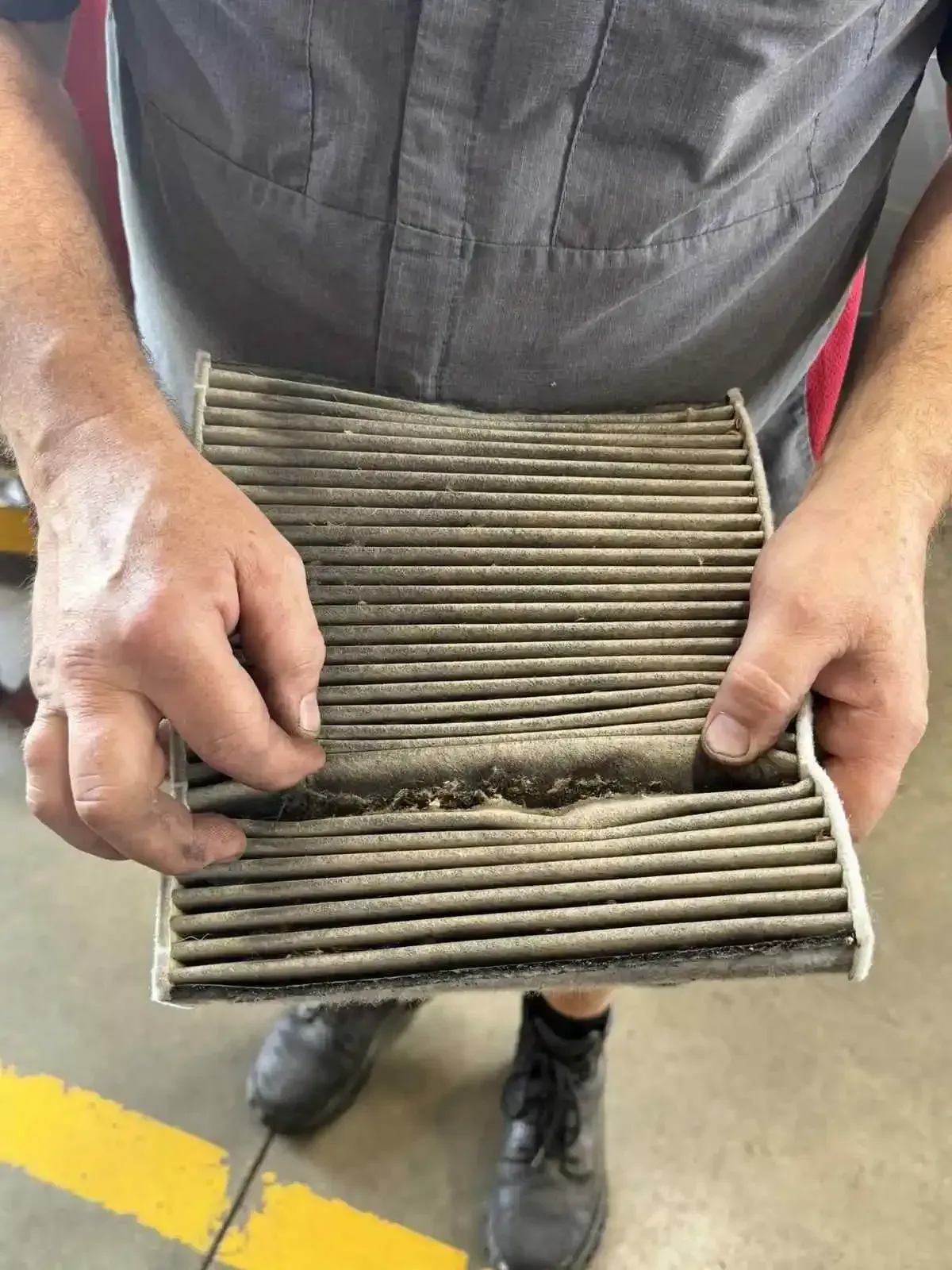
If your business depends on a work truck, van, or commercial fleet, keeping your vehicles properly maintained isn't just good practice—it's essential to protecting your bottom...
By Sun Valley Auto Repair • July 10, 2026
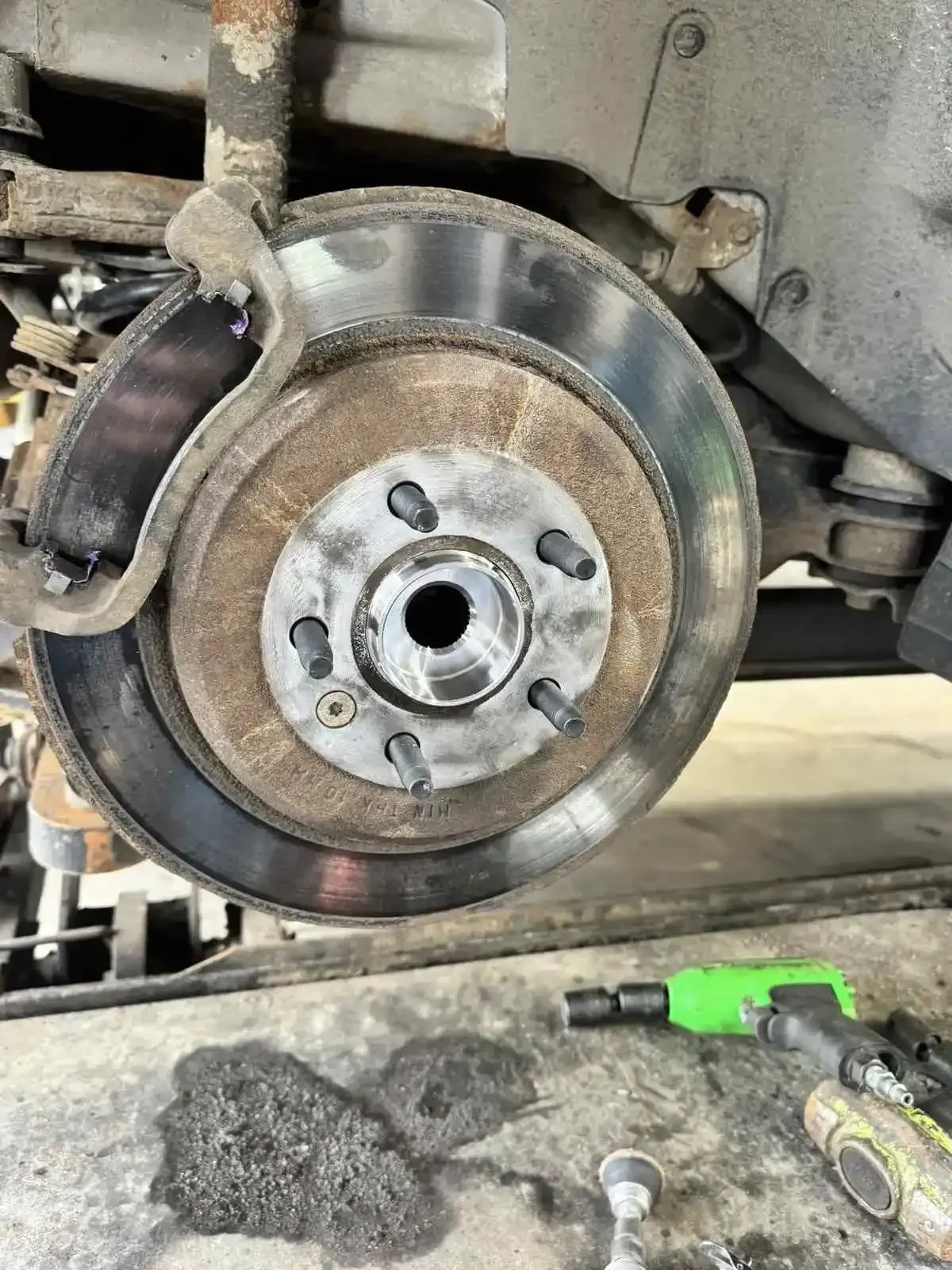
Short answer: Yes—in most cases, we recommend replacing your brake rotors and brake pads at the same time.

Show More