Tire Cupping: What Causes Uneven Tire Wear and How to Prevent It

Sun Valley Auto Repair • June 3, 2026

Share this article

At Sun Valley Auto Repair in Sugarcreek, Ohio, we frequently find tire cupping during routine inspections. While many drivers assume they simply need new tires, cupped tires are often a symptom of a larger issue involving the suspension, alignment, or tire balance.

Understanding what causes tire cupping can help you avoid premature tire replacement and costly repairs down the road.

What Is Tire Cupping?

Tire cupping, sometimes called tire scalloping, occurs when sections of the tire tread wear unevenly, creating a series of dips or scooped-out areas around the tire.

Instead of the tread wearing smoothly across the tire surface, alternating high and low spots develop. As the tire rolls, these uneven areas create additional road noise and vibration.

Cupped tires can negatively affect:

  • Ride comfort
  • Tire lifespan
  • Vehicle handling
  • Braking performance
  • Fuel economy


    What Does Tire Cupping Look Like?

    A cupped tire often appears wavy or scalloped around the tread surface.

    You may notice:

    • High and low spots across the tread
    • Uneven tread depth measurements
    • Feathered or rough tread blocks
    • Excessive wear in specific sections

    If you're unsure whether your tires are wearing normally, our technicians can inspect them during a courtesy digital vehicle inspection.

    Common Signs of Tire Cupping

    Many drivers notice the symptoms before they see the wear pattern.

    Common signs include:

    • Humming or roaring tire noise
    • Steering wheel vibration
    • Vehicle vibration at highway speeds
    • Increased road noise
    • Uneven tire tread wear
    • Tires that feel rough when touched

    These symptoms often become more noticeable as speeds increase.

    What Causes Tire Cupping?

    Worn Shocks and Struts

    One of the leading causes of tire cupping is worn shocks or struts.

    Your suspension system helps keep the tires firmly planted on the road surface. When shocks or struts wear out, the tire can bounce excessively while driving.

    This repeated bouncing causes sections of the tire to impact the pavement harder than others, creating the cupped wear pattern.

    If you've noticed excessive bouncing or poor ride quality, it may be time for a suspension inspection.

    Improper Wheel Alignment

    Poor alignment can contribute to abnormal tire wear and handling concerns.

    When wheels are not properly aligned, tires may not contact the road evenly, causing accelerated wear across the tread.

    Regular alignment inspections help protect your tire investment and improve vehicle handling.

    Tires Out of Balance

    An improperly balanced tire creates vibration as it rotates.

    Over time, these vibrations can contribute to uneven wear patterns and reduced tire life.

    Routine tire balancing helps ensure smooth operation and even tread wear.

    Worn Suspension Components

    Additional suspension components can also contribute to tire cupping, including:

    • Ball joints
    • Control arm bushings
    • Tie rod ends
    • Wheel bearings

    When these components develop excessive play, tire wear often follows.

    Can Tire Cupping Be Fixed?

    Unfortunately, once tire cupping becomes severe, the damage to the tread cannot usually be reversed.

    In some cases, a tire rotation may help minimize noise temporarily, but severely cupped tires often require replacement.

    Before replacing the tires, it's important to determine what caused the wear. Otherwise, the new tires may develop the same problem.

    How to Prevent Tire Cupping

    Preventing tire cupping starts with routine maintenance and inspections.

    We recommend:

    • Rotating tires regularly
    • Maintaining proper tire pressure
    • Inspecting suspension components
    • Keeping your vehicle aligned
    • Addressing unusual vibrations promptly
    • Performing regular tire inspections

    Many tire wear issues can be caught early during routine maintenance visits.

    Why We Check Tire Wear During Every Inspection

    At Sun Valley Auto Repair, tire condition is a critical part of every courtesy digital vehicle inspection.

    Our technicians look for:

    • Tire cupping
    • Edge wear
    • Feathering
    • Uneven tread depth
    • Tire damage
    • Suspension-related wear patterns

    We document our findings with photos and provide recommendations so you can make informed decisions about your vehicle.

    Trust Sun Valley Auto Repair for Tire and Suspension Inspections

    If you've noticed unusual tire wear, vibration, road noise, or handling concerns, don't wait until your tires need replacement.

    Our ASE-certified technicians can identify the cause of tire cupping, inspect your suspension system, and recommend the repairs needed to protect your tires and keep your vehicle driving safely.

    Whether your vehicle needs an alignment, suspension repair, tire replacement, or routine maintenance, we're here to help.

    Schedule your inspection today and let us help maximize the life of your tires while keeping your vehicle safe and comfortable on the road.

    Stay Connected!

    Like us on Facebook

    Follow us on Instagram

    Learn More About Us

    Join Our Team

    Subscribe to our YouTube Channel

    Recent Posts

    By Sun Valley Auto Repair • October 9, 2026
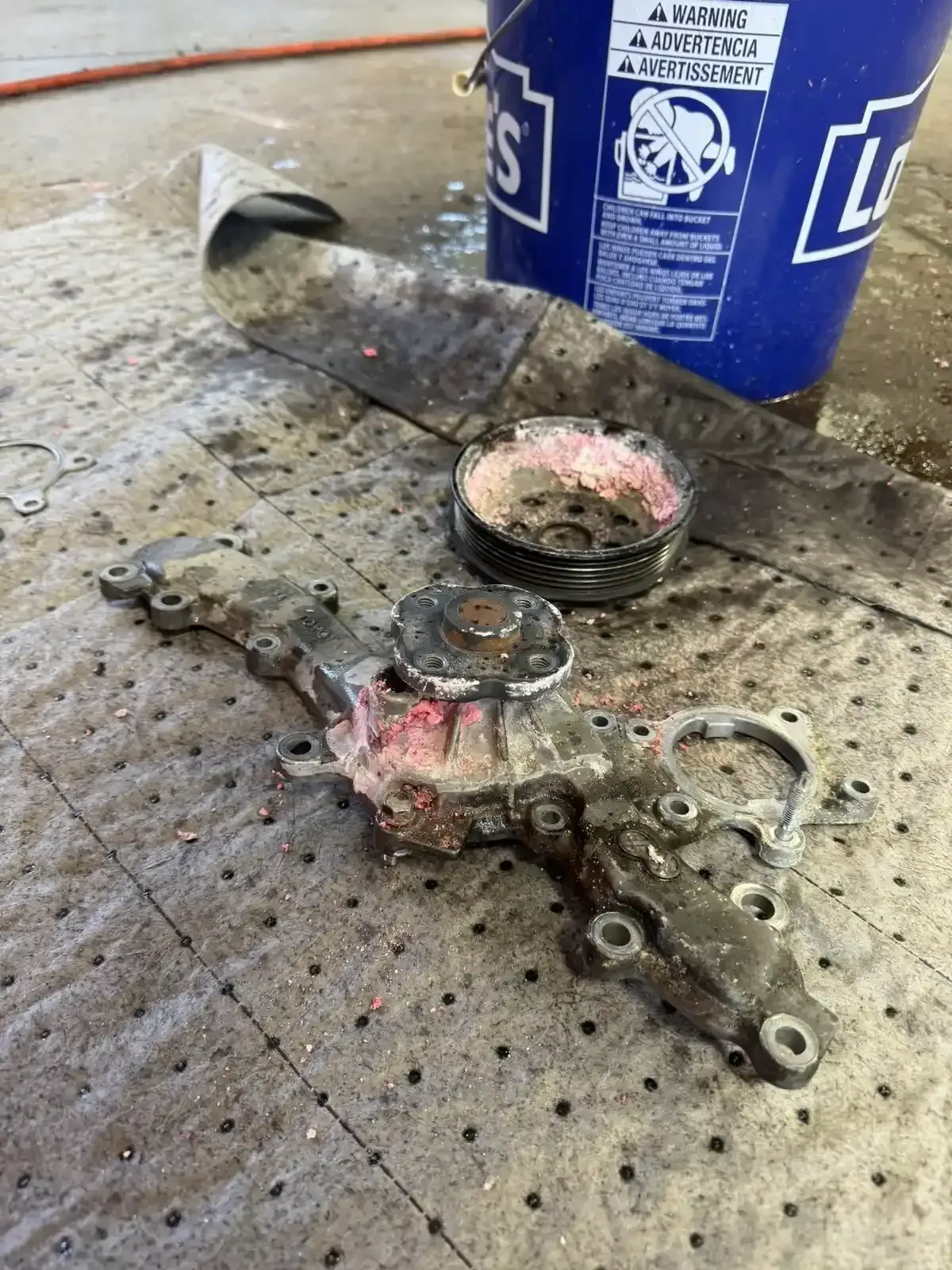
    A car’s water pump can fail because of age and wear, contaminated coolant, corrosion, a damaged seal or bearing, or a problem with the belt system that drives it. When the pump...
    By Sun Valley Auto Repair • October 9, 2026
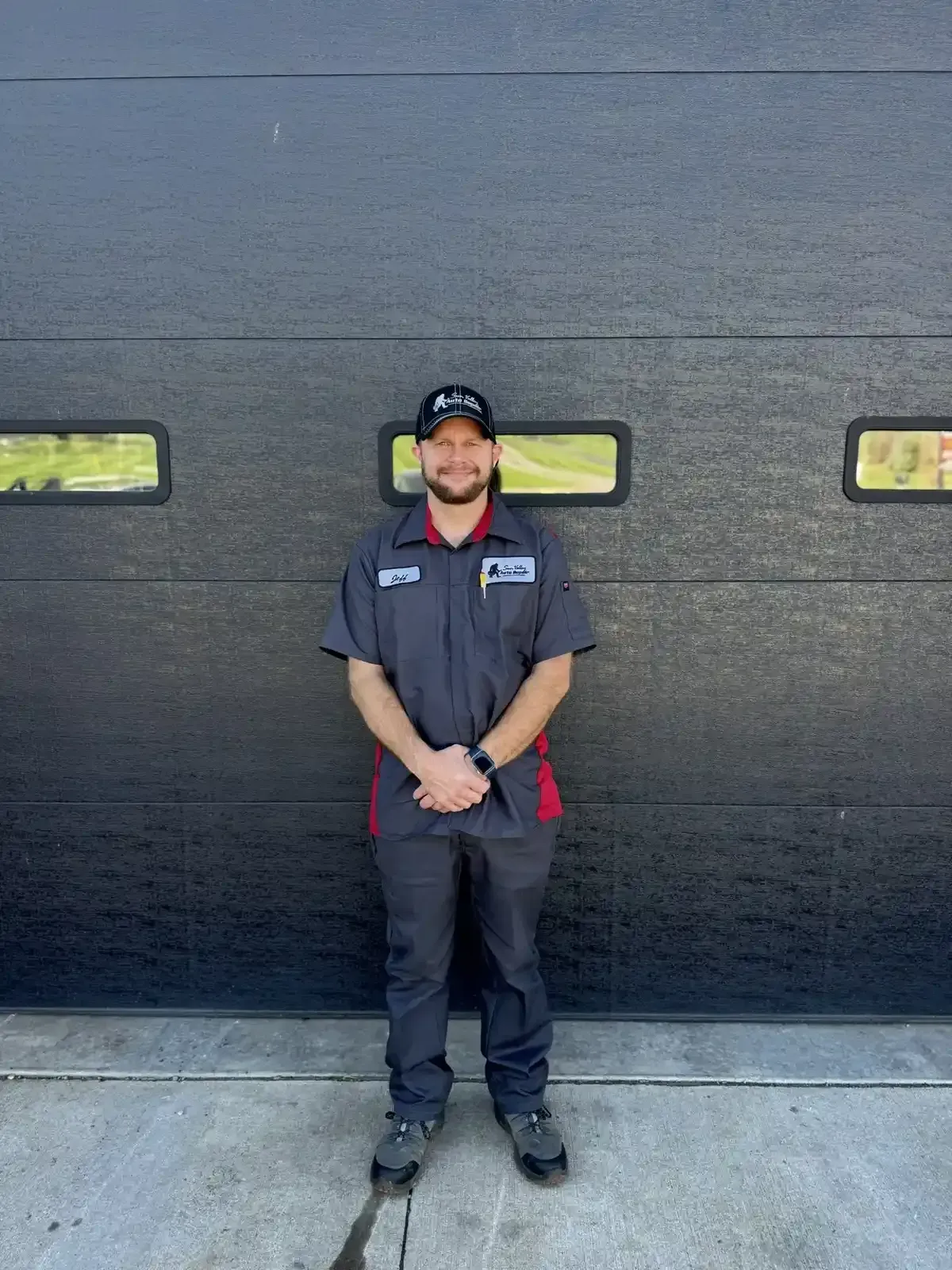
    There’s a new face at the front counter! Please join us in welcoming Jeff to the Sun Valley Auto Repair team.
    By Sun Valley Auto Repair • October 5, 2026
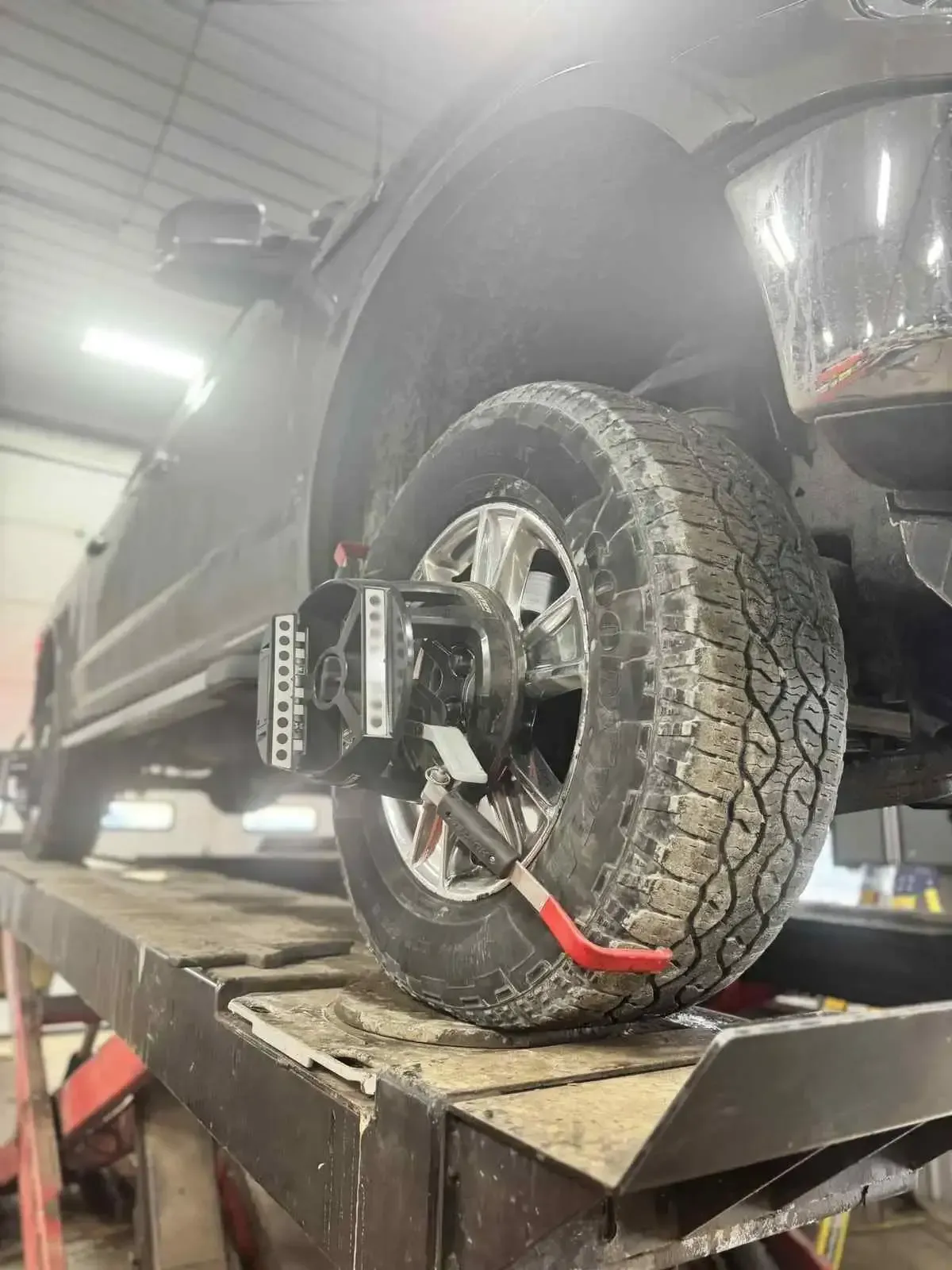
    Getting new tires does not automatically mean your vehicle needs an alignment adjustment. It is, however, a good time to have the alignment checked. If your old tires wore...
    By Sun Valley Auto Repair • September 28, 2026
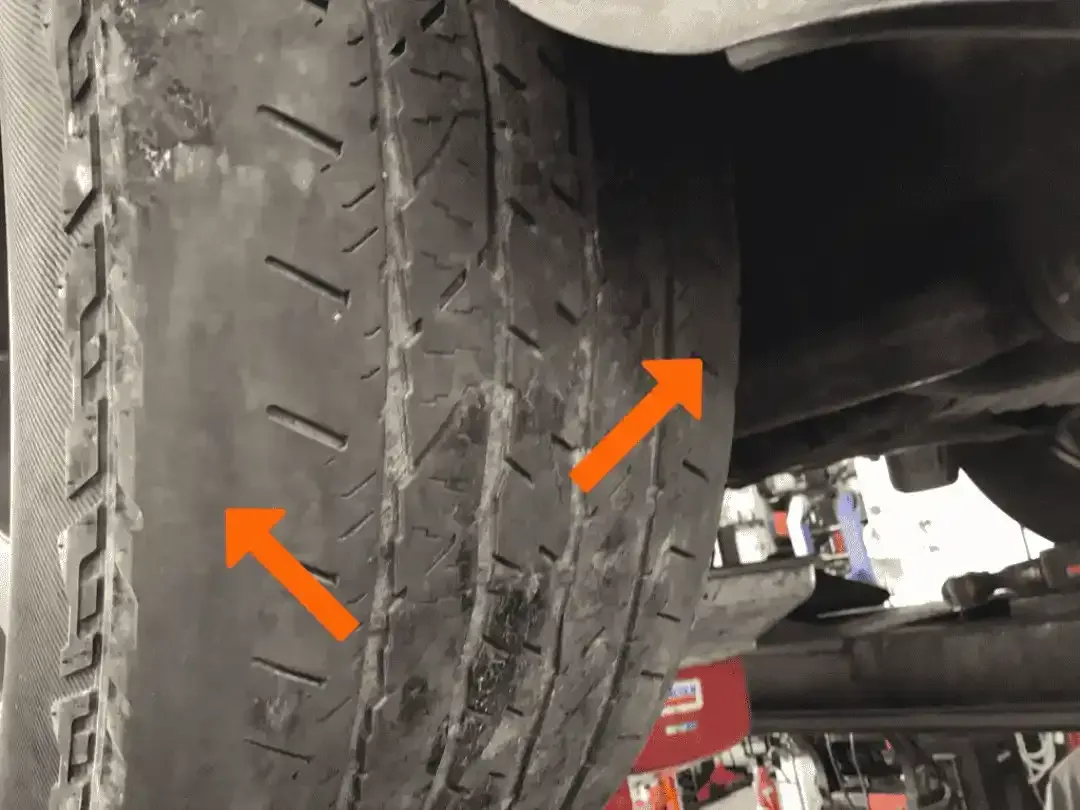
    Before winter arrives in Ohio, check your tires for low tread, uneven wear, cracks, bulges and repeated air-pressure loss. Tires should have at least 2/32 inch of tread to remain...
    By Sun Valley Auto Repair • August 31, 2026
    You turn on your car’s A/C expecting a blast of cold air, but instead you get warm—or barely cool—air coming through the vents. What’s going on?
    By Sun Valley Auto Repair • August 18, 2026
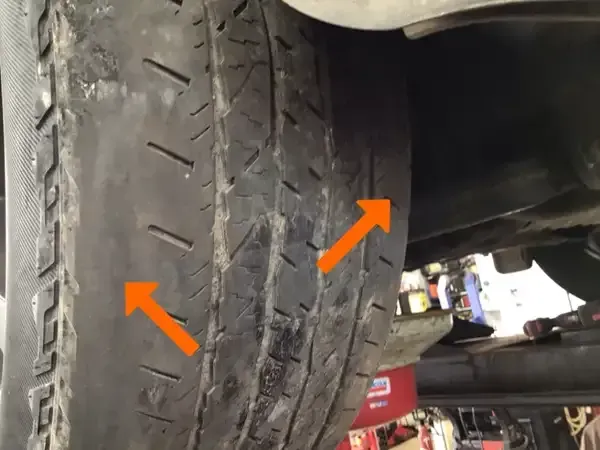
    If you've noticed that one edge of your tire is wearing faster than the other, bald spots are developing, or one tire looks noticeably different from the others, your vehicle may...
    By Sun Valley Auto Repair • August 12, 2026
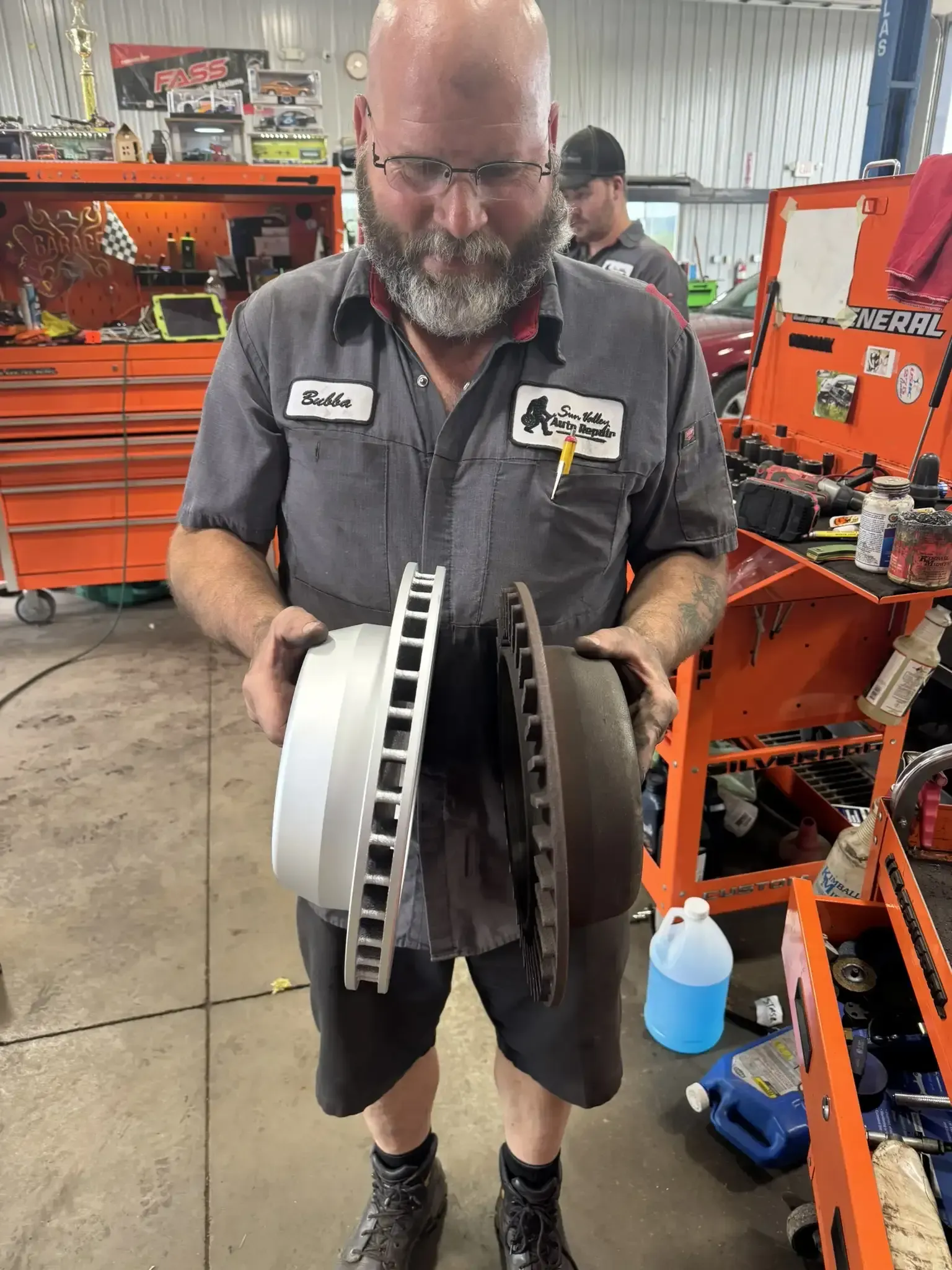
    If you've started hearing a grinding noise when you press the brake pedal , don't ignore it. Grinding brakes can be caused by something as simple as surface rust, but they can...
    By Sun Valley Auto Repair • July 30, 2026
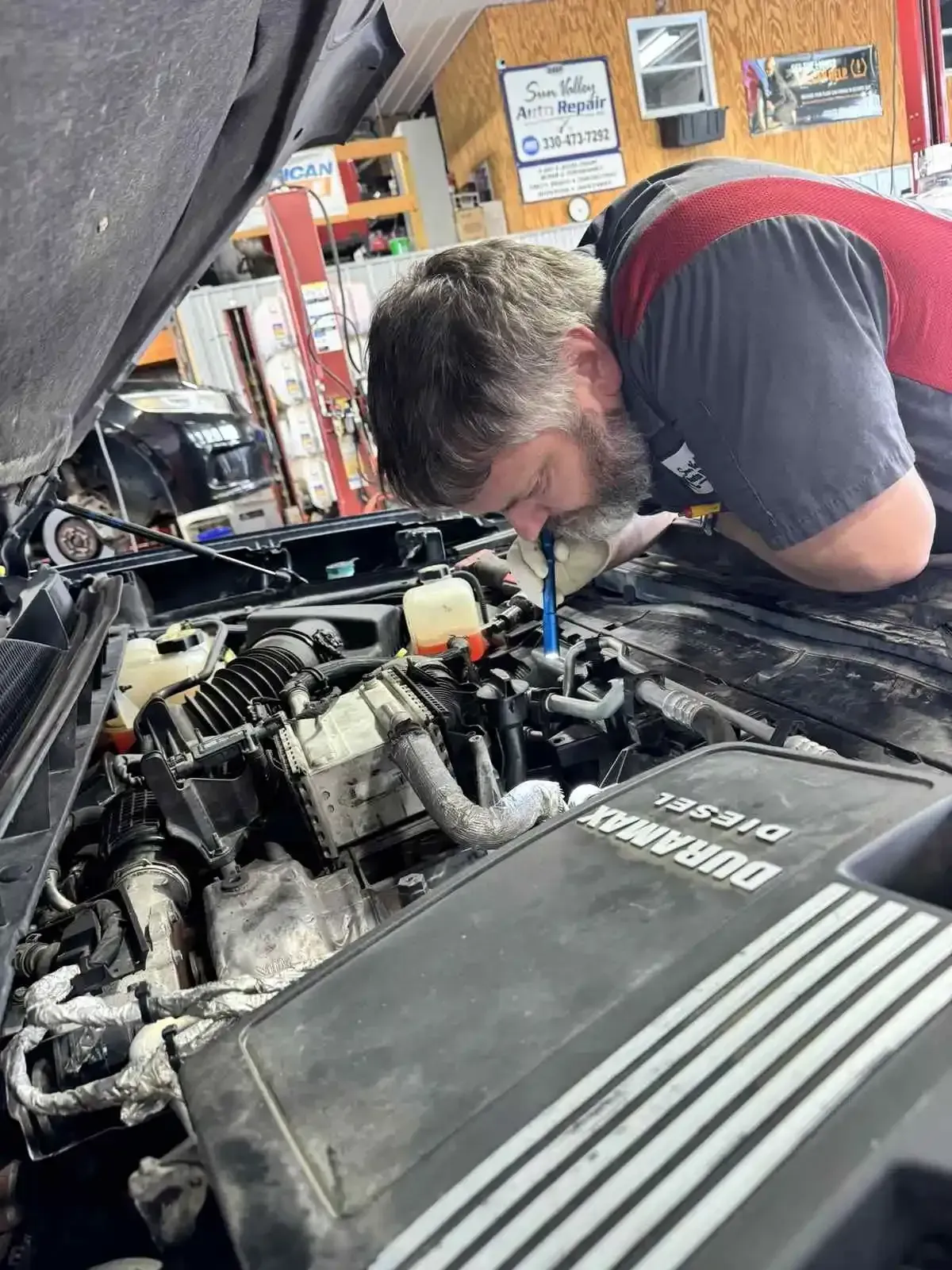
    Have you ever wondered what your mechanic is actually looking at when they inspect your vehicle?
    By Sun Valley Auto Repair • July 16, 2026
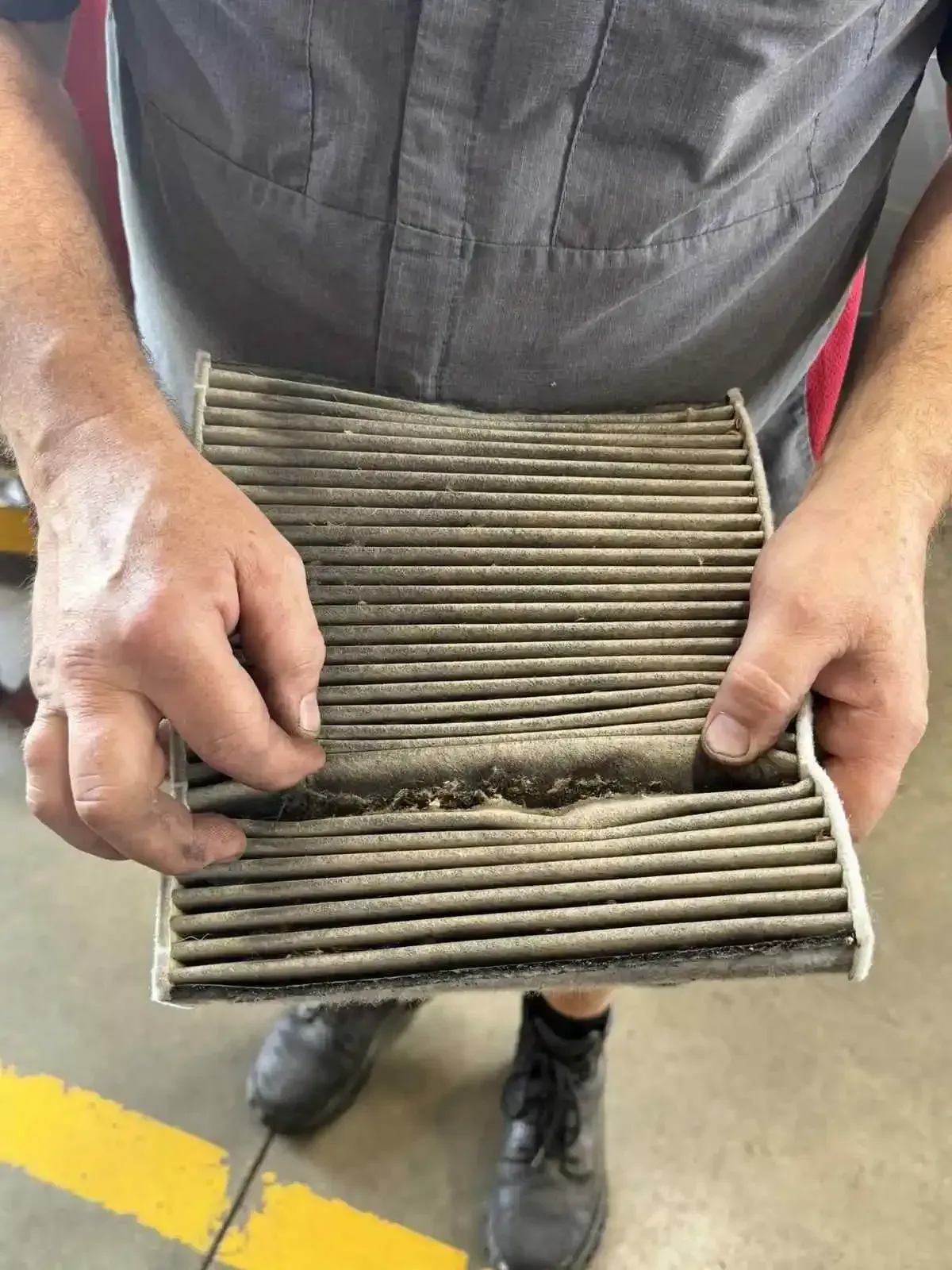
    If your business depends on a work truck, van, or commercial fleet, keeping your vehicles properly maintained isn't just good practice—it's essential to protecting your bottom...
    By Sun Valley Auto Repair • July 10, 2026
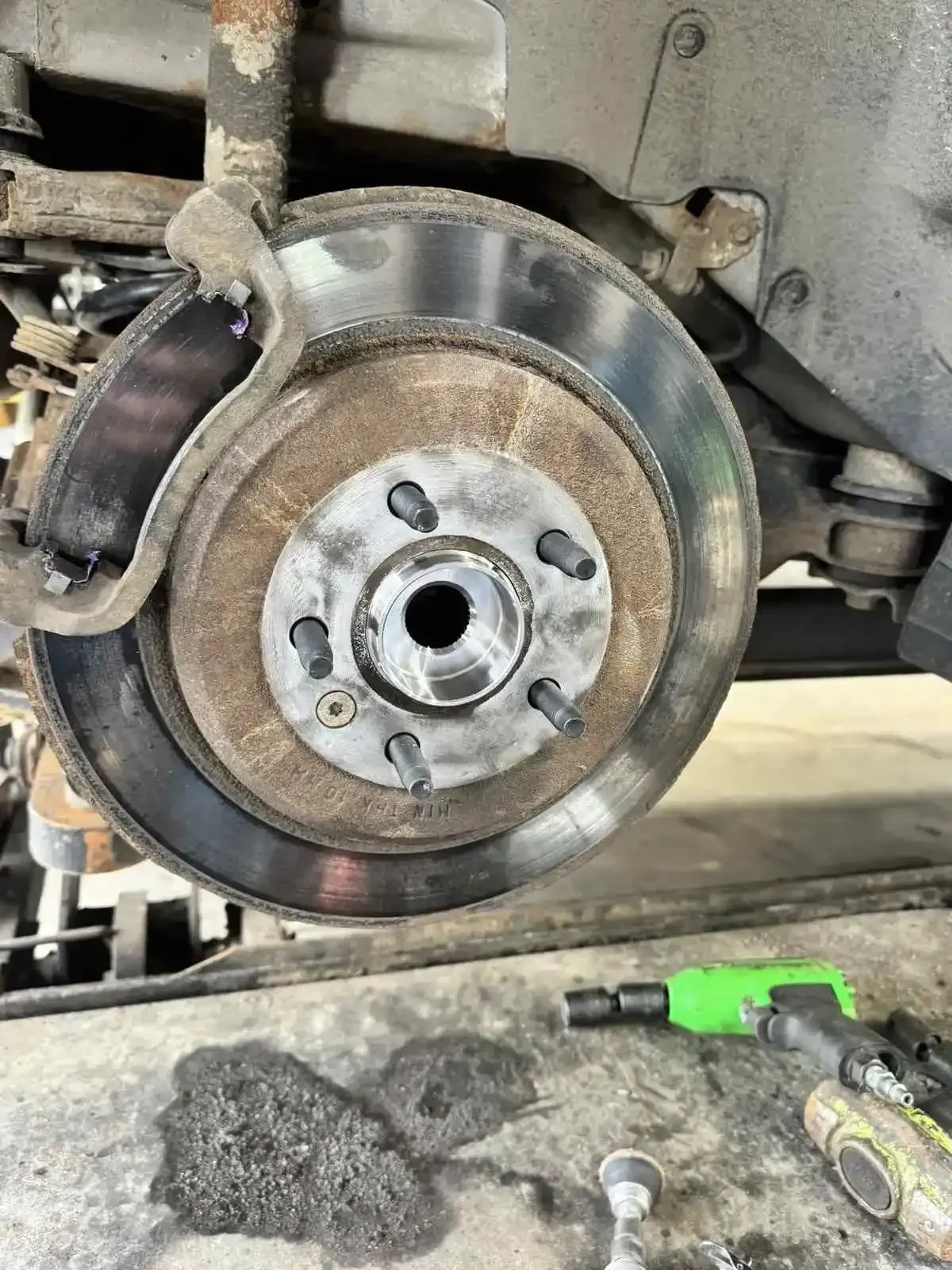
    Short answer: Yes—in most cases, we recommend replacing your brake rotors and brake pads at the same time.

    Show More