Understanding Your Car’s Heating System Before Winter Hits

Sun Valley Auto Repair • October 4, 2024

Share this article


As the temperatures begin to drop, ensuring that your car’s heating system is functioning properly becomes a top priority. A well-maintained heating system not only keeps you warm during those chilly drives but also plays a crucial role in the overall safety and comfort of your vehicle during the winter months. In this blog, we’ll guide you through the basics of your car’s heating system, common issues to watch for, and why it’s essential to have it checked before winter sets in.

1. How Your Car’s Heating System Works

Understanding the basics of how your car’s heating system works can help you identify potential problems early:

  • Heat Generation:  Your car’s heating system uses the engine’s coolant to generate heat. As the engine runs, it produces heat, which is absorbed by the coolant. The heated coolant is then circulated through the heater core, a small radiator located in your dashboard. Air blows over the heater core, warming up before being directed into your car’s cabin.
  • Temperature Control:  The temperature inside your car is controlled by a blend door that adjusts the mix of warm and cool air. This is regulated by the thermostat, which opens and closes to control the flow of coolant to the heater core.

2. Common Heating System Issues

Several issues can affect the performance of your car’s heating system. Here are some common problems to be aware of:

  • Low Coolant Levels:  If your car’s coolant level is low, there may not be enough hot coolant to warm the air, resulting in weak or no heat inside the cabin. This could be due to a leak in the system, so it’s important to have it checked out.
  • Clogged Heater Core:  Over time, debris and sediment can build up inside the heater core, reducing its efficiency and leading to poor heating performance. If you notice a sweet smell inside your car or foggy windows that are difficult to clear, it could be a sign of a clogged heater core.
  • Faulty Thermostat:  The thermostat controls the flow of coolant to the heater core. If it’s stuck open or closed, your heating system may not work properly, leading to fluctuating cabin temperatures or no heat at all.

3. Why It’s Important to Check Your Heating System Before Winter

Ensuring your heating system is in good working order before winter hits is crucial for several reasons:

  • Comfort:  Driving in cold weather without a functioning heater can be uncomfortable and even dangerous, especially during long trips or in severe weather conditions.
  • Defrosting and Visibility:  Your car’s heater also plays a key role in defrosting your windows. A malfunctioning heater can make it difficult to clear fog or ice from your windshield, reducing visibility and increasing the risk of an accident.
  • Preventive Maintenance:  Checking your heating system before winter allows you to catch and fix any issues early, preventing more expensive repairs down the road. Regular maintenance can also extend the life of your heating system and improve your car’s overall performance.

4. How to Maintain Your Car’s Heating System

Regular maintenance is key to keeping your heating system in top condition. Here are some tips:

  • Check Coolant Levels:  Regularly check your coolant levels and top off if necessary. If you notice the coolant level dropping frequently, have your system inspected for leaks.
  • Flush the Coolant System:  It’s a good idea to have your coolant system flushed and refilled according to your manufacturer’s recommendations. This helps remove debris and prevents the buildup of sediment in the heater core.
  • Inspect Belts and Hoses:  Have your belts and hoses inspected for wear and tear. These components are essential for the proper functioning of your heating system and should be replaced if they show signs of cracking or leaks.

5. When to Seek Professional Help

If you notice any issues with your heating system, such as strange noises, weak airflow, or inconsistent temperatures, it’s best to seek professional help. At Sun Valley Auto Repair, our experienced technicians can diagnose and fix any heating system problems, ensuring your car is ready for the winter months ahead.

Final Thoughts

Don’t wait until you’re caught in the cold—make sure your car’s heating system is ready to keep you warm this winter. A little preventive maintenance now can save you from discomfort and costly repairs later. Schedule a heating system check with Sun Valley Auto Repair today and drive into winter with confidence!

Our Mission: Driving Trust, Setting Standards, Your Road Our Promise

At Sun Valley Auto Repair, we're passionate about exceeding expectations. Our commitment to transparency through digital inspections aligns perfectly with our mission statement:  driving trust  by being honest and upfront about your vehicle's needs. We  set standards  for excellence in auto repair, ensuring your car receives the highest quality care. Ultimately,  your road is our promise . We're dedicated to keeping you moving safely and confidently for miles to come.

Ready to give your engine the TLC it deserves?   Schedule  your next service appointment with Sun Valley Auto Repair today! We look forward to keeping your car happy and healthy for miles to come.

Stay Connected!

Recent Posts

By Sun Valley Auto Repair • October 9, 2026
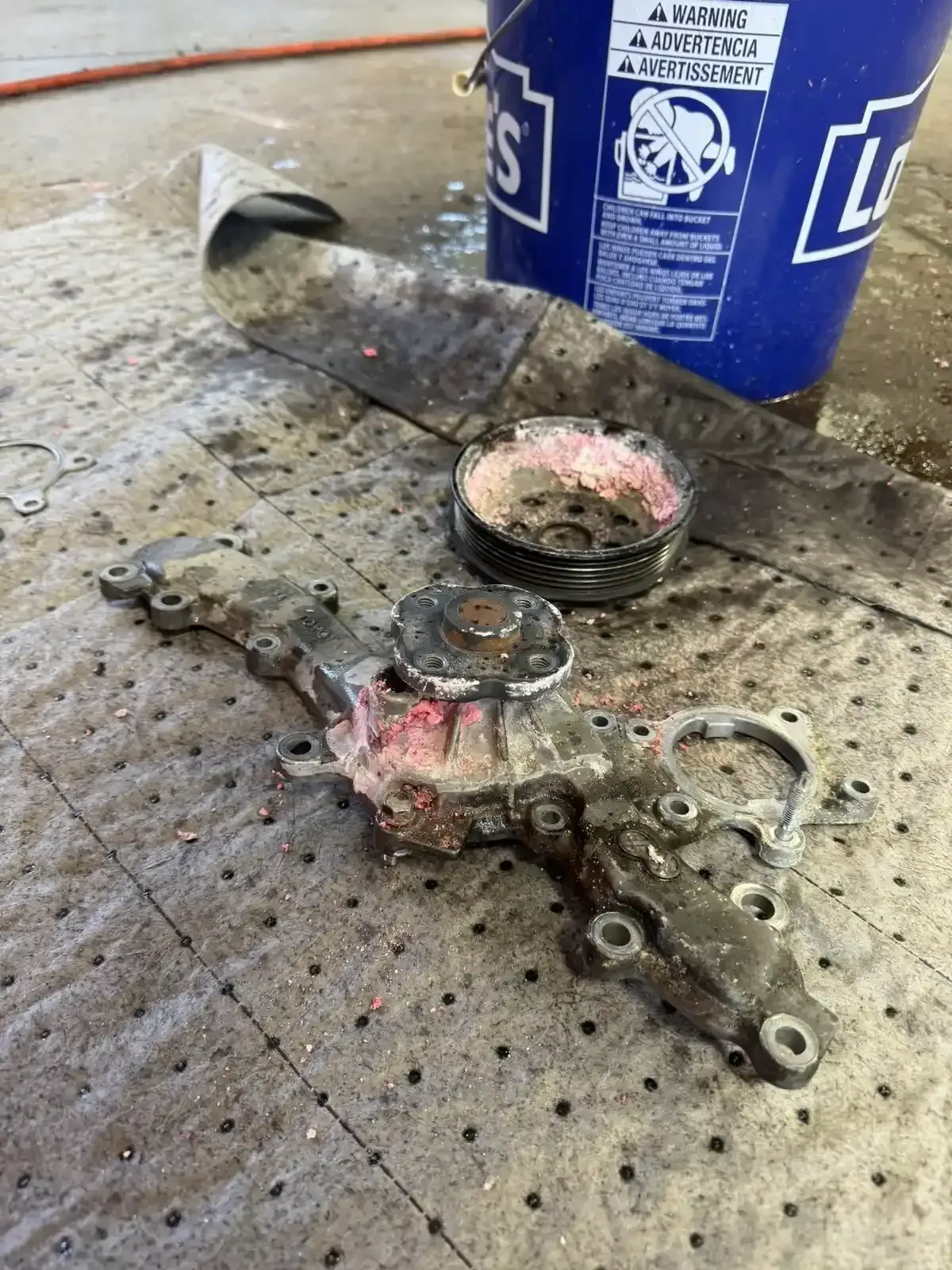
A car’s water pump can fail because of age and wear, contaminated coolant, corrosion, a damaged seal or bearing, or a problem with the belt system that drives it. When the pump...
By Sun Valley Auto Repair • October 9, 2026
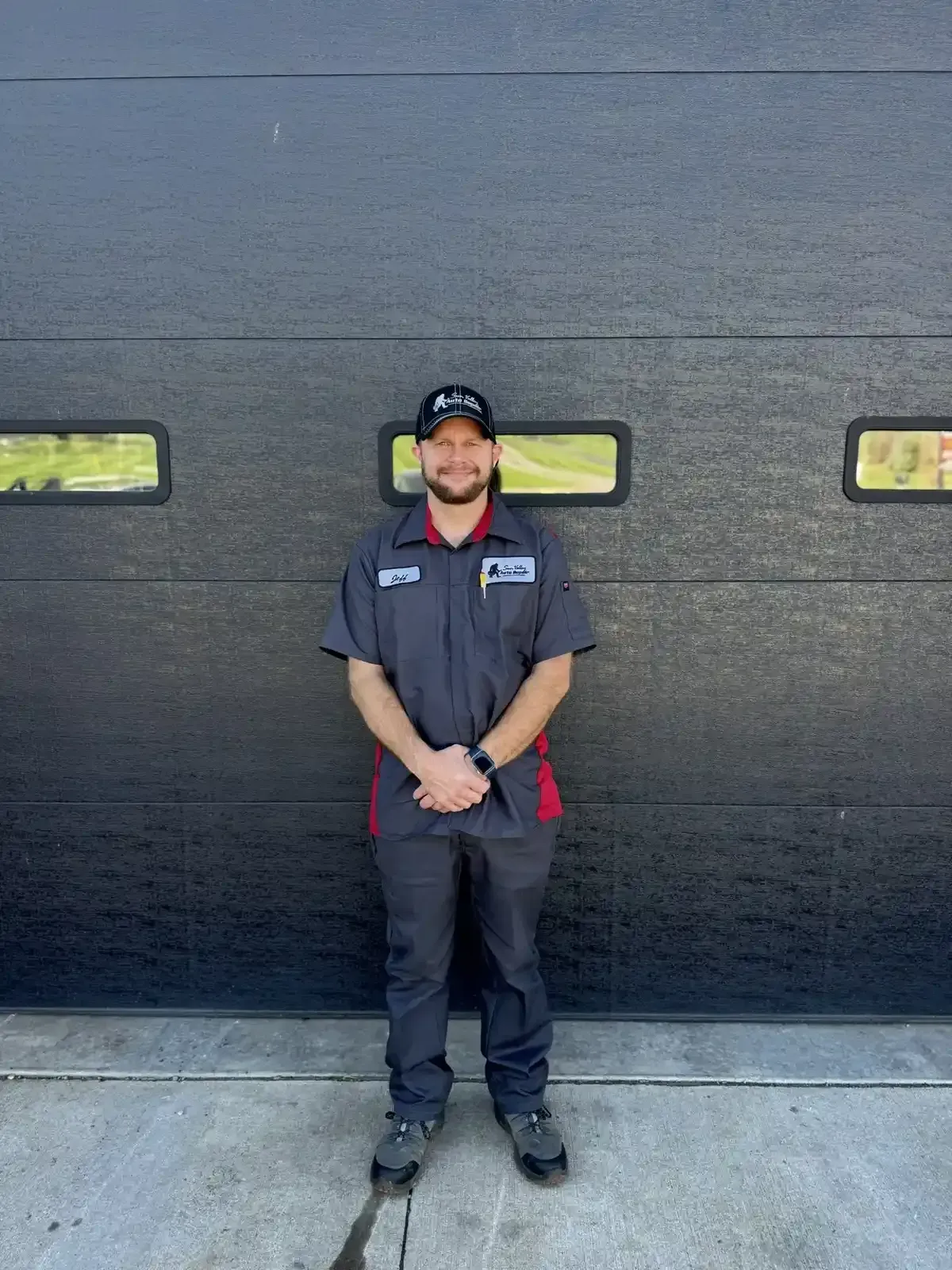
There’s a new face at the front counter! Please join us in welcoming Jeff to the Sun Valley Auto Repair team.
By Sun Valley Auto Repair • October 5, 2026
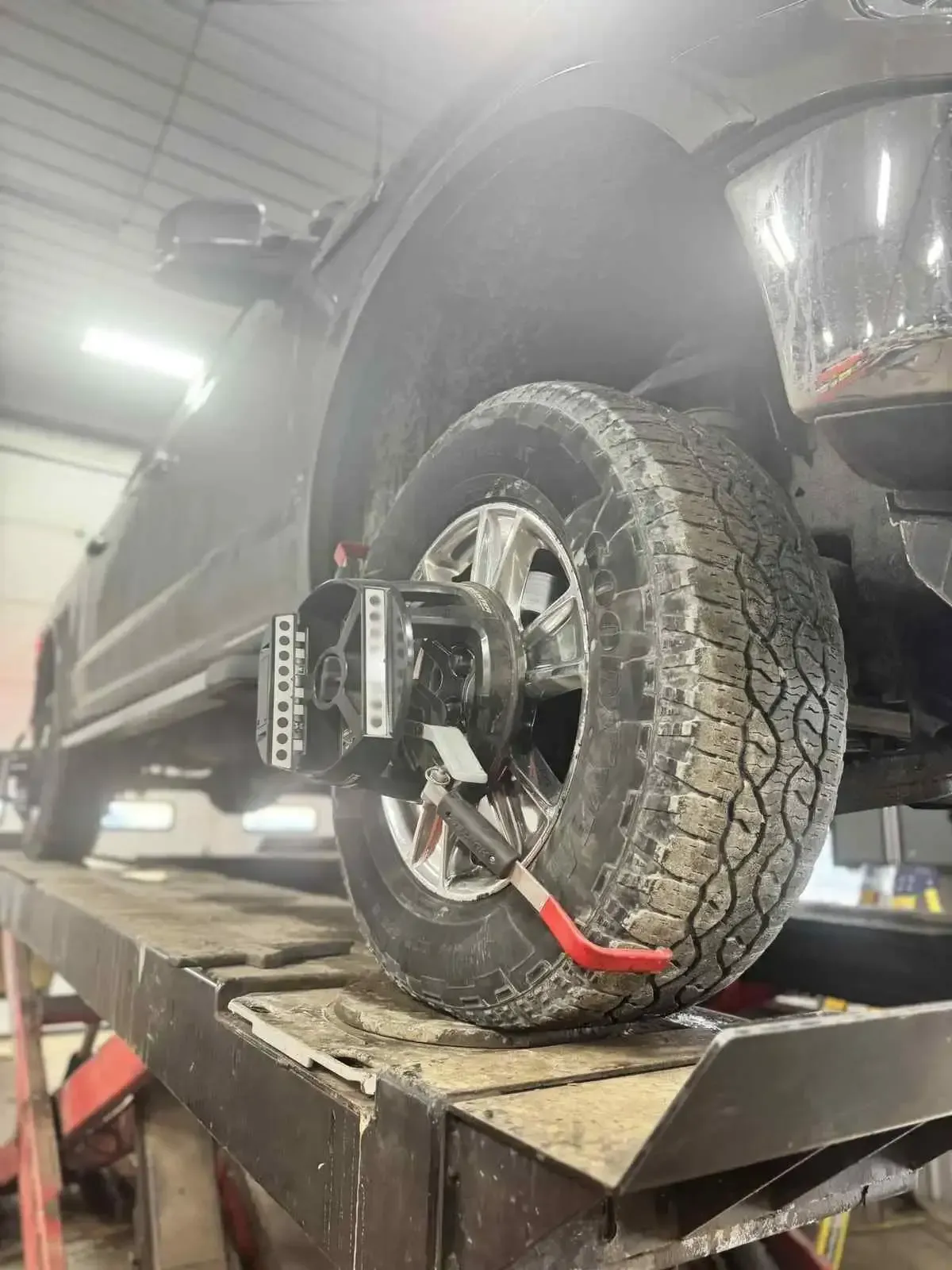
Getting new tires does not automatically mean your vehicle needs an alignment adjustment. It is, however, a good time to have the alignment checked. If your old tires wore...
By Sun Valley Auto Repair • September 28, 2026
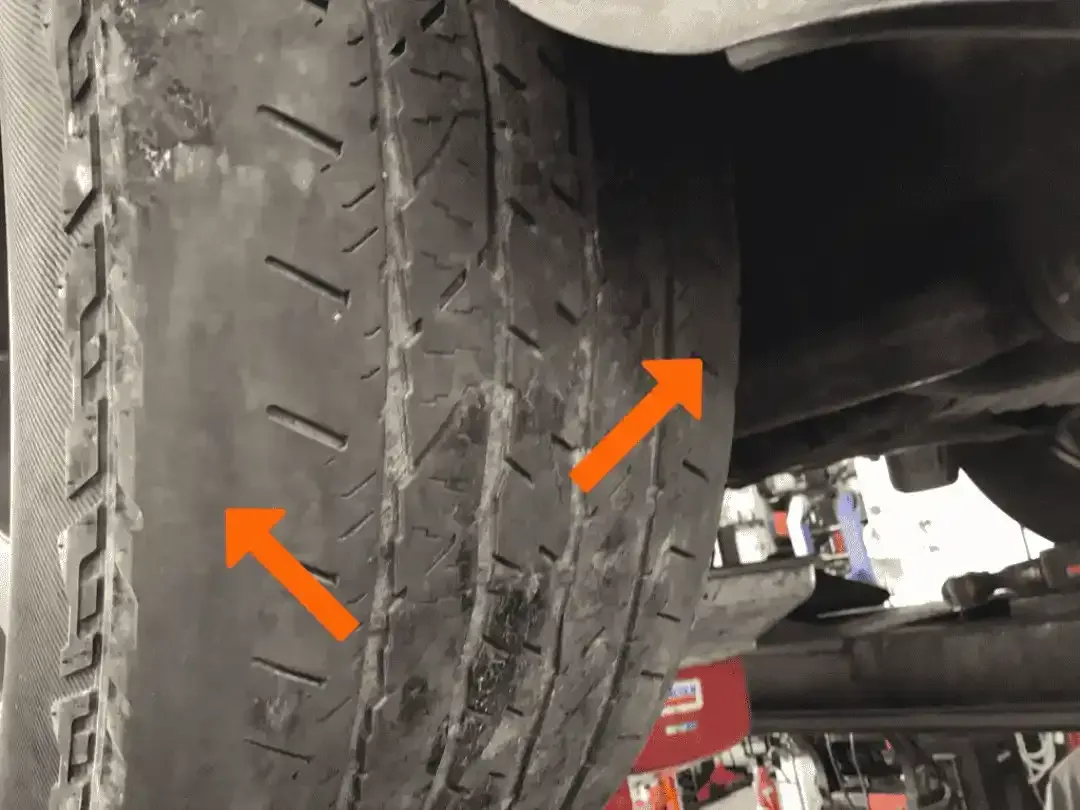
Before winter arrives in Ohio, check your tires for low tread, uneven wear, cracks, bulges and repeated air-pressure loss. Tires should have at least 2/32 inch of tread to remain...
By Sun Valley Auto Repair • August 31, 2026
You turn on your car’s A/C expecting a blast of cold air, but instead you get warm—or barely cool—air coming through the vents. What’s going on?
By Sun Valley Auto Repair • August 18, 2026
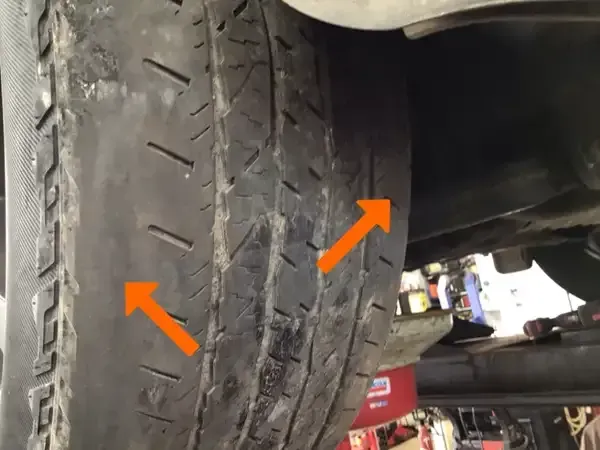
If you've noticed that one edge of your tire is wearing faster than the other, bald spots are developing, or one tire looks noticeably different from the others, your vehicle may...
By Sun Valley Auto Repair • August 12, 2026
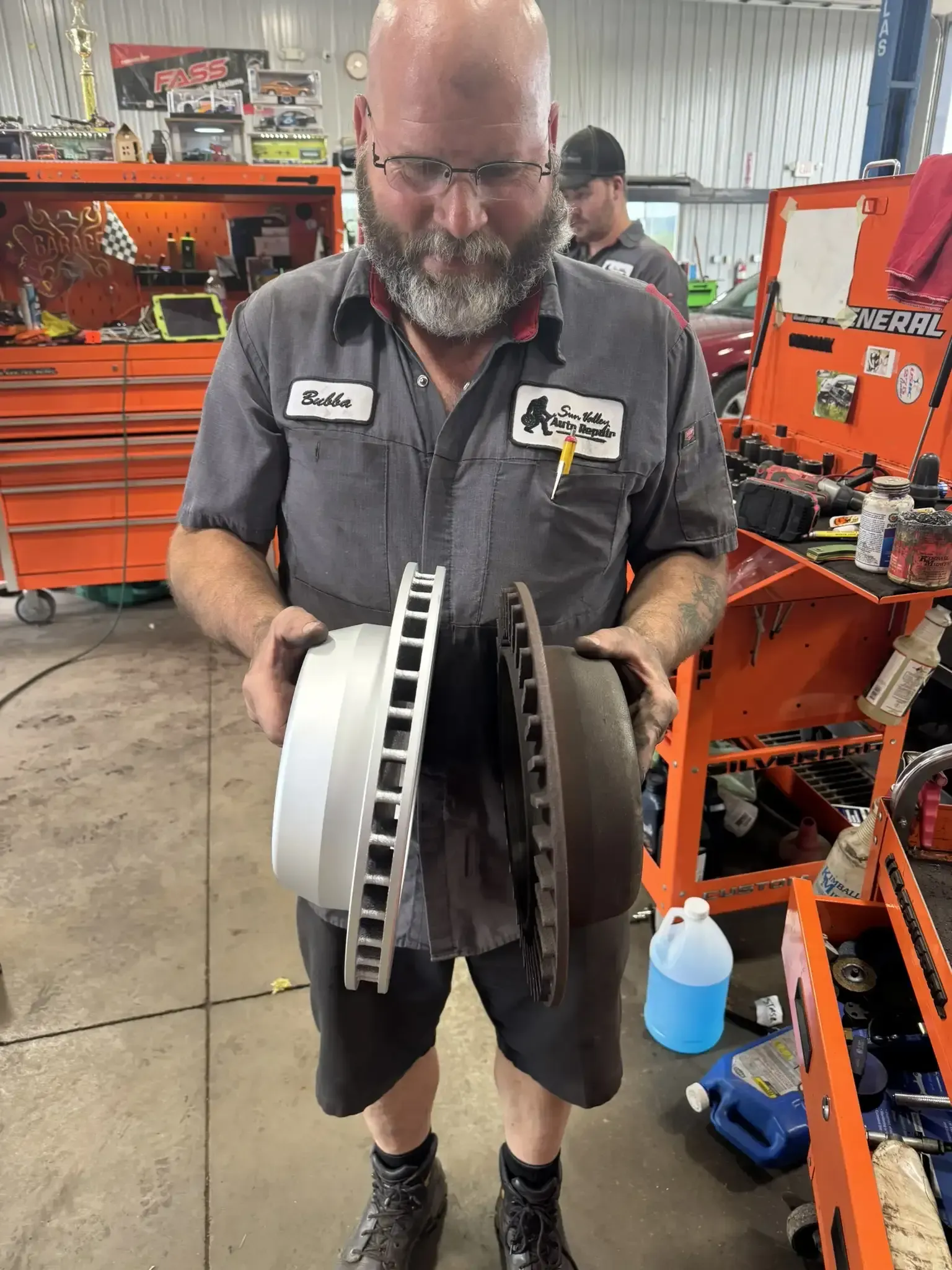
If you've started hearing a grinding noise when you press the brake pedal , don't ignore it. Grinding brakes can be caused by something as simple as surface rust, but they can...
By Sun Valley Auto Repair • July 30, 2026
Have you ever wondered what your mechanic is actually looking at when they inspect your vehicle?
By Sun Valley Auto Repair • July 16, 2026
If your business depends on a work truck, van, or commercial fleet, keeping your vehicles properly maintained isn't just good practice—it's essential to protecting your bottom...
By Sun Valley Auto Repair • July 10, 2026
Short answer: Yes—in most cases, we recommend replacing your brake rotors and brake pads at the same time.

Show More