What Basic Maintenance is Required for My Car?

Sun Valley Auto Repair • September 30, 2024

Share this article


Regular maintenance is the key to keeping your car running smoothly and avoiding costly repairs down the road. Just like any other machine, your car needs a little TLC to ensure it operates at peak performance. In this blog, we’ll cover the essential maintenance tasks every car owner should stay on top of. Whether you're driving a brand-new vehicle or an older model, these tips will help keep your car in excellent condition and extend its lifespan.

1. Regular Oil Changes

One of the most important maintenance tasks for your vehicle is regular oil changes. Your engine relies on clean oil to keep its components lubricated and running smoothly. Over time, oil breaks down and becomes less effective at protecting your engine. Skipping oil changes can lead to engine wear, decreased fuel efficiency, and even engine failure.

  • How Often?
    For most cars, oil should be changed every 3,000 to 5,000 miles, but check your owner’s manual for specific recommendations. Synthetic oils may allow you to go longer between changes.

2. Tire Maintenance

Your tires are the only part of your car that touches the road, so it’s essential to take good care of them. Proper tire maintenance not only improves safety but also helps with fuel efficiency and prolongs the life of your tires.

  • Key Tasks:
    • Check tire pressure regularly and keep them inflated to the recommended PSI.
    • Rotate your tires every 6,000 to 8,000 miles to ensure even wear.
    • Inspect your tires for signs of damage, uneven wear, or low tread. If the tread is too low, it’s time for a replacement.

3. Brake Inspections

Your car’s brakes are one of the most critical safety features, so regular inspections are a must. Brake pads wear down over time and need to be replaced to ensure your car can stop safely.

  • How Often?
    Get your brakes inspected during every oil change or at least twice a year. If you hear squeaking or grinding noises when you brake, it’s time to get them checked immediately.

4. Fluid Checks and Replacements

Your car relies on a variety of fluids to keep things running smoothly. Regularly checking and replacing these fluids helps avoid breakdowns and keeps your car performing well.

  • Essential Fluids to Check:
    • Engine oil (every oil change)
    • Coolant (every 30,000 miles or when needed)
    • Brake fluid (every 2 years or as recommended)
    • Transmission fluid (every 30,000 to 60,000 miles)
    • Power steering fluid (check monthly)
    • Windshield washer fluid (check and top off as needed)

5. Battery Maintenance

Your car’s battery is essential for starting the engine and powering electrical systems. Extreme temperatures, frequent short trips, and age can all affect your battery’s performance.

  • Key Tasks:
    • Check the battery terminals for corrosion and clean them if necessary.
    • Test your battery voltage at least twice a year, especially before winter and summer seasons.
    • Replace your battery every 3 to 5 years or when you notice signs of failure, such as slow engine starts or dim headlights.

6. Air Filter Replacement

Your car’s air filter keeps dirt, dust, and debris from entering the engine. A clogged air filter reduces engine efficiency and can negatively impact fuel economy.

  • How Often?
    Replace the air filter every 12,000 to 15,000 miles or as needed. If you drive in dusty or harsh environments, you may need to replace it more frequently.

7. Windshield Wipers

Windshield wipers are often overlooked until it’s too late. Clear visibility is essential for safe driving, so make sure your wipers are in good condition.

  • Key Tasks:
    • Replace your wipers every 6 to 12 months or when you notice streaking or poor visibility.
    • Keep your windshield washer fluid topped off, especially in winter when road salt and grime accumulate quickly.

8. Lights and Signals

Your headlights, brake lights, and turn signals are crucial for visibility and safety. It’s essential to regularly check that all lights are functioning correctly.

  • Key Tasks:
    • Inspect your lights monthly and replace any burnt-out bulbs.
    • Clean your headlights to ensure maximum brightness and visibility, especially if they’re foggy or yellowed.

9. Belts and Hoses Inspection

Your car's belts and hoses play an important role in keeping your engine running efficiently. Over time, they can wear out, crack, or break, leading to overheating or engine failure.

  • How Often?
    Inspect your belts and hoses during every oil change or at least twice a year. Look for signs of wear, such as cracks, leaks, or fraying.

10. Regular Tune-Ups

Finally, don’t forget about regular tune-ups. A tune-up ensures that your engine is running optimally by checking and replacing components like spark plugs, ignition wires, and other engine-related parts. Regular tune-ups can improve your car’s performance and fuel efficiency.

  • How Often?
    Tune-ups are typically recommended every 30,000 to 50,000 miles, depending on your vehicle’s age and condition.

Regular maintenance is the best way to ensure your car stays reliable, safe, and efficient. By staying on top of oil changes, tire care, brake inspections, fluid checks, and more, you can avoid costly repairs and keep your car running smoothly for years to come.

If you’re not sure where to start, our team at Sun Valley Auto Repair is here to help! From oil changes to brake inspections and everything in between, we’ll make sure your car gets the care it needs. Schedule your maintenance appointment today and keep your car in top shape!

Contact Us:
Call us at (330) 473-7292
Visit www.sunvalleyautorepairllc.com
Located in Sugarcreek, Ohio

Stay Connected!

Recent Posts

By Sun Valley Auto Repair • October 9, 2026
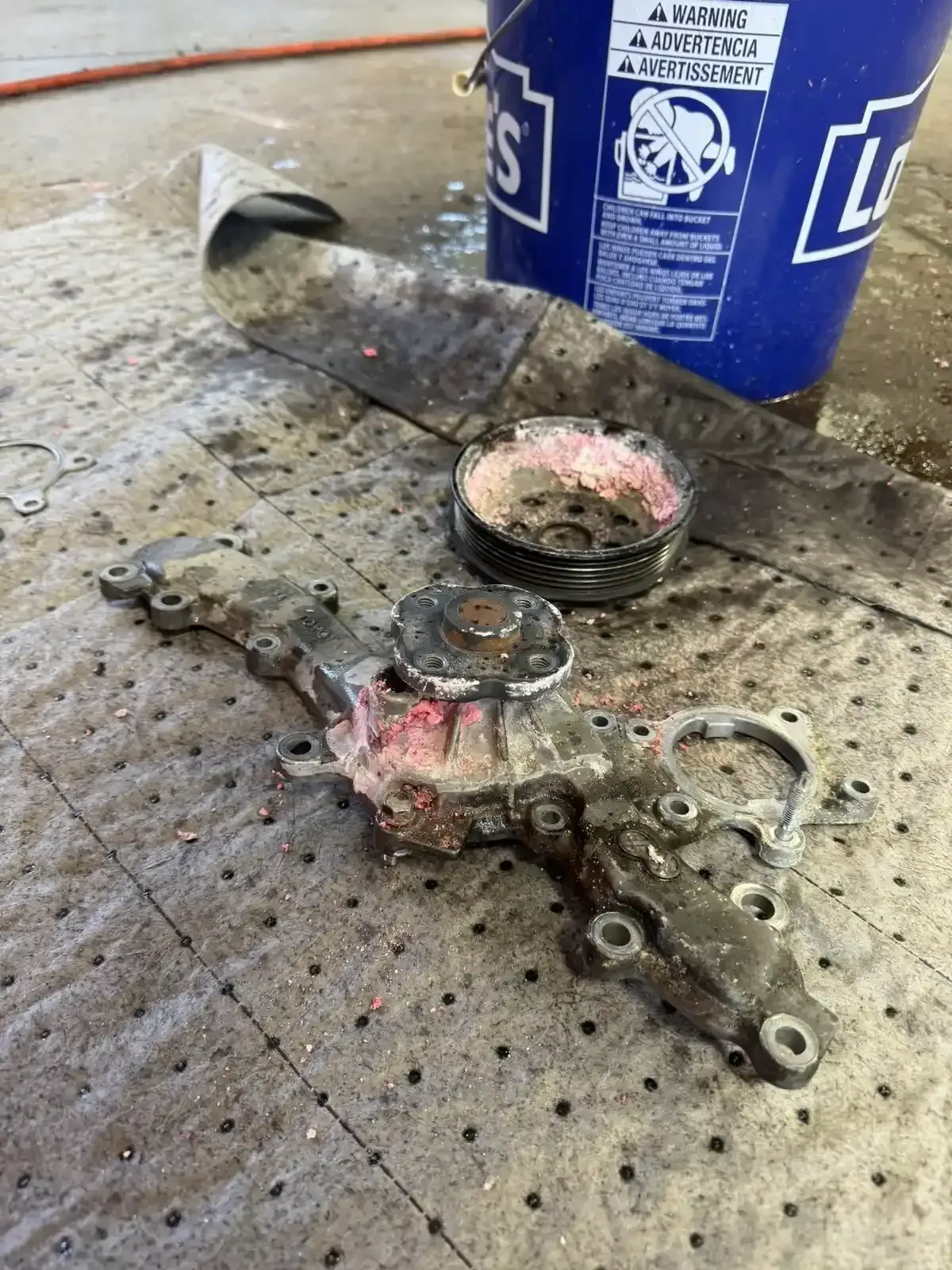
A car’s water pump can fail because of age and wear, contaminated coolant, corrosion, a damaged seal or bearing, or a problem with the belt system that drives it. When the pump...
By Sun Valley Auto Repair • October 9, 2026
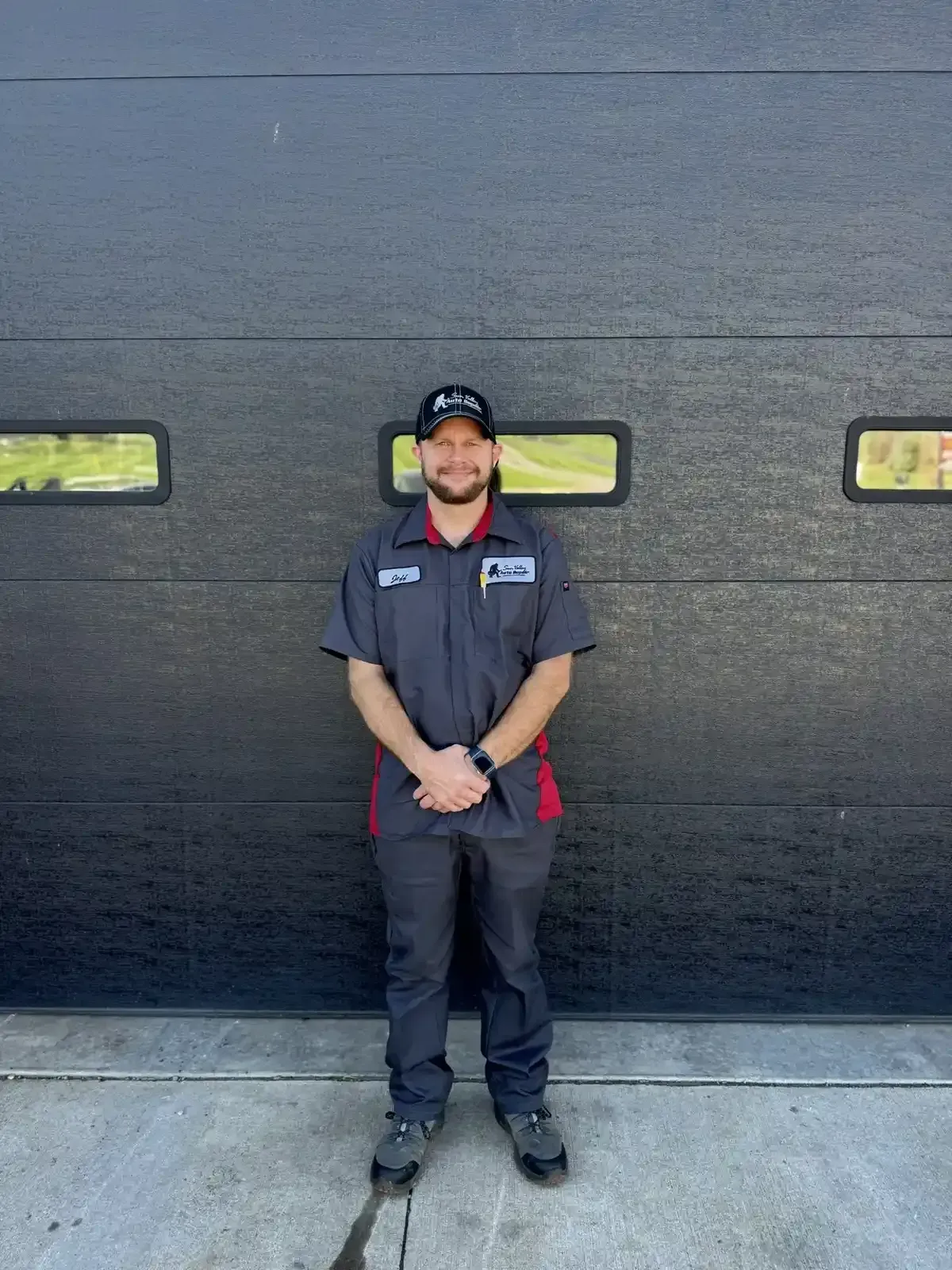
There’s a new face at the front counter! Please join us in welcoming Jeff to the Sun Valley Auto Repair team.
By Sun Valley Auto Repair • October 5, 2026
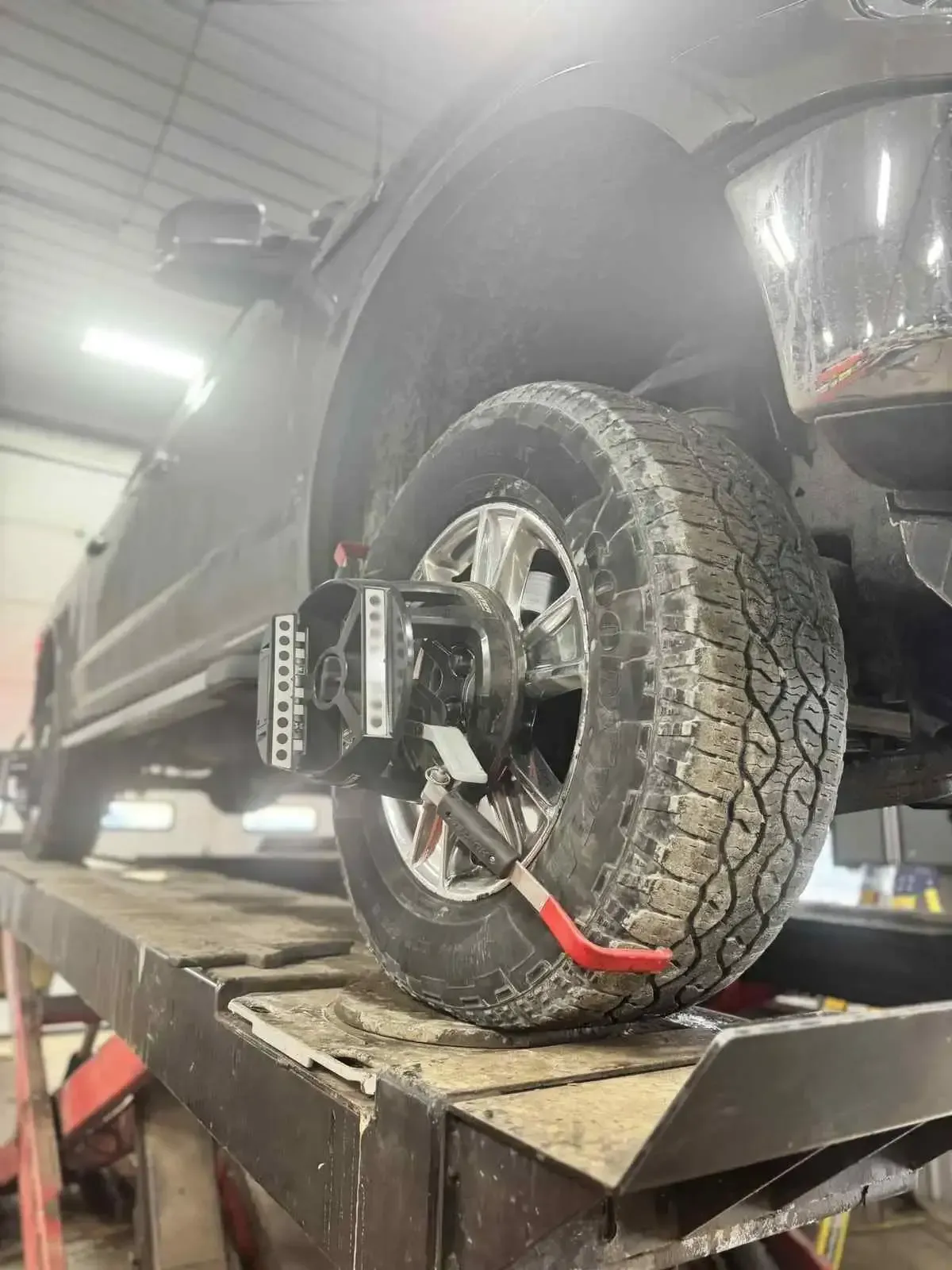
Getting new tires does not automatically mean your vehicle needs an alignment adjustment. It is, however, a good time to have the alignment checked. If your old tires wore...
By Sun Valley Auto Repair • September 28, 2026
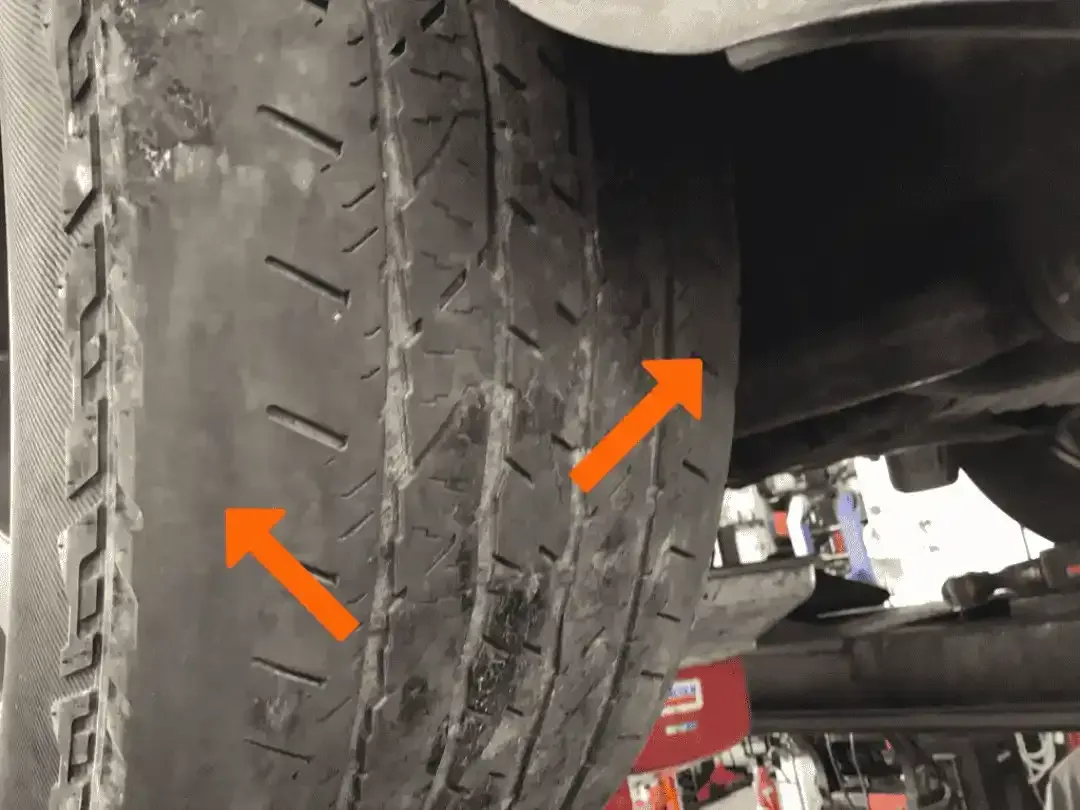
Before winter arrives in Ohio, check your tires for low tread, uneven wear, cracks, bulges and repeated air-pressure loss. Tires should have at least 2/32 inch of tread to remain...
By Sun Valley Auto Repair • August 31, 2026
You turn on your car’s A/C expecting a blast of cold air, but instead you get warm—or barely cool—air coming through the vents. What’s going on?
By Sun Valley Auto Repair • August 18, 2026
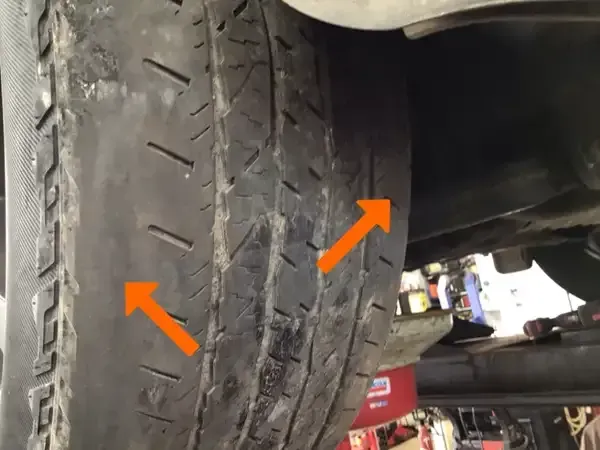
If you've noticed that one edge of your tire is wearing faster than the other, bald spots are developing, or one tire looks noticeably different from the others, your vehicle may...
By Sun Valley Auto Repair • August 12, 2026
If you've started hearing a grinding noise when you press the brake pedal , don't ignore it. Grinding brakes can be caused by something as simple as surface rust, but they can...
By Sun Valley Auto Repair • July 30, 2026
Have you ever wondered what your mechanic is actually looking at when they inspect your vehicle?
By Sun Valley Auto Repair • July 16, 2026
If your business depends on a work truck, van, or commercial fleet, keeping your vehicles properly maintained isn't just good practice—it's essential to protecting your bottom...
By Sun Valley Auto Repair • July 10, 2026
Short answer: Yes—in most cases, we recommend replacing your brake rotors and brake pads at the same time.

Show More