What Does the “!” Warning Light Mean on My Dashboard?

Sun Valley Auto Repair • June 9, 2025

Share this article

What Does the “!” Warning Light Mean on My Dashboard?

You’re cruising down the road and suddenly— ding! —a warning light with an exclamation mark pops up on your dash. What does it mean? Should you pull over? Is your car in danger?

At Sun Valley Auto Repair in Sugarcreek, Ohio, we help drivers across Holmes and Tuscarawas counties stay safe and informed. Let’s break down the most common meanings behind the mysterious exclamation point—and when it’s time to stop in for a check.


Common Meanings Behind the “!” Dashboard Light

1. Tire Pressure Monitoring System (TPMS) Warning

Symbol: A horseshoe or flat tire shape with an exclamation point in the middle.

This is the most common “!” light you’ll see. It means one or more tires may be underinflated—or the TPMS sensor itself isn’t functioning properly.

What to Do:
Check your tire pressure manually or swing by our shop. We’ll check all four (plus the spare if needed), fill them to the correct PSI, and inspect for leaks or worn treads.


2. Brake System Warning

Symbol: A circle with an exclamation point, often inside parentheses or next to the word “BRAKE.”

This could mean:

Your parking brake is still on
Your brake fluid is low
There’s a more serious brake system issue

What to Do:
First, make sure your parking brake is fully released. If the light stays on or if braking feels spongy, come in right away. Brakes are not something to gamble with!


3. Transmission, Electrical, or General Alert

In some vehicles, the exclamation mark may appear as part of a broader alert message. Some European or newer vehicles display general warning triangles with “!” to signal low washer fluid, burnt-out bulbs, or electronic system issues.

What to Do:
If your vehicle has a message center or info screen, check for details. If you’re unsure—bring it in. Our ASE-certified technicians can run diagnostics and get to the root of the issue.


Should You Keep Driving?

It depends on the symbol and what the vehicle is telling you. A tire pressure warning might not be urgent if it’s a small drop, but brake warnings or system alerts should never be ignored.

If you're in doubt, it’s always safest to have your vehicle looked at by a professional—especially before a road trip or long drive.


FAQs: Exclamation Point Warning Light

Q: Can I drive with the “!” light on?
A: Possibly—but it depends on what the warning is for. If it's tire pressure and your tires feel okay, you might be fine short-term. But if it’s related to brakes or another system, don’t risk it.

Q: How do I reset the TPMS light after adding air?
A: Some vehicles reset automatically after a few miles of driving. Others may need a manual reset using a button or in the settings menu. If it stays on, stop by and we’ll reset it for you.

Q: What if the light comes on and off randomly?
A: That usually means a sensor is failing or conditions (like outside temps) are fluctuating. It’s a good idea to get it checked so you’re not caught off guard later.


We’ll Help Decode the Dashboard

At Sun Valley Auto Repair, we believe your car should communicate clearly—and you should always feel confident behind the wheel. If that warning light has you wondering, let us help!

📅 Schedule your appointment today or just stop in for a quick check.


Our Mission: Driving Trust, Setting Standards, Your Road Our Promise
At Sun Valley Auto Repair, we're passionate about exceeding expectations. Our commitment to transparency through digital inspections aligns perfectly with our mission statement: driving trust by being honest and upfront about your vehicle's needs. We set standards for excellence in auto repair, ensuring your car receives the highest quality care. Ultimately, your road is our promise. We're dedicated to keeping you moving safely and confidently for miles to come.

Stay Connected!

Like us on Facebook

Follow us on Instagram

Learn More About Us

Join Our Team

Subscribe to our Youtube Channel


Recent Posts

By Sun Valley Auto Repair • October 9, 2026
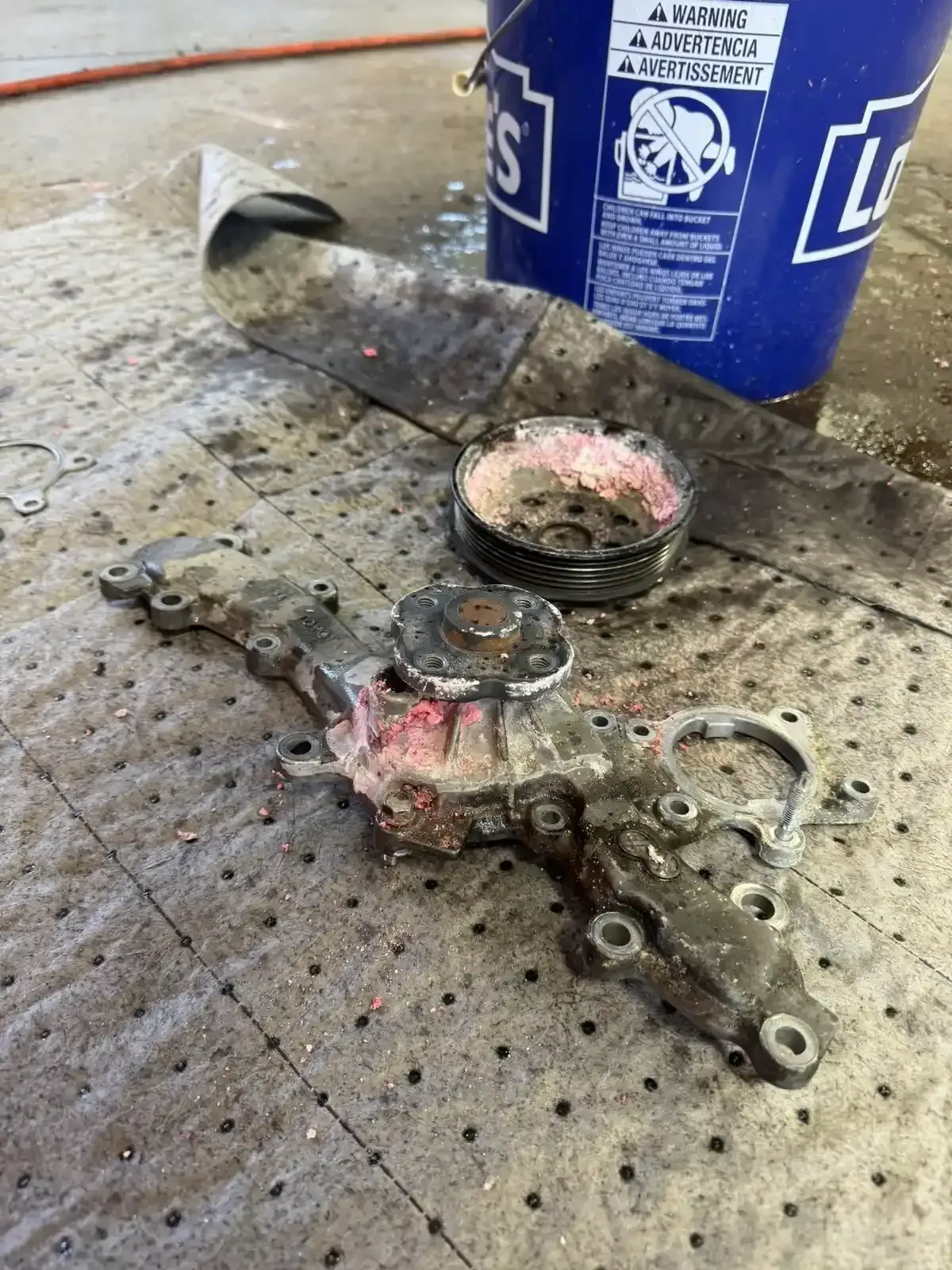
A car’s water pump can fail because of age and wear, contaminated coolant, corrosion, a damaged seal or bearing, or a problem with the belt system that drives it. When the pump...
By Sun Valley Auto Repair • October 9, 2026
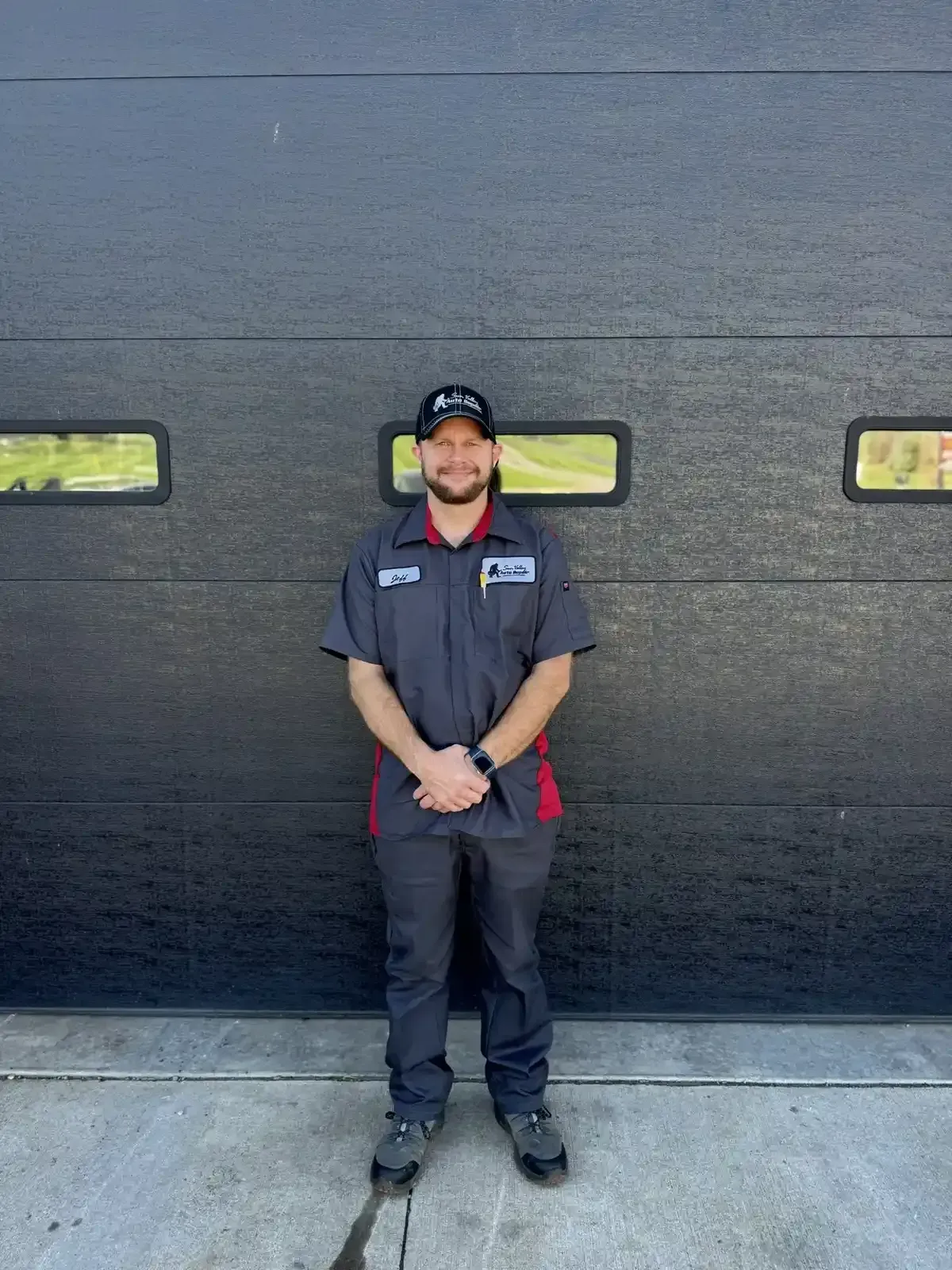
There’s a new face at the front counter! Please join us in welcoming Jeff to the Sun Valley Auto Repair team.
By Sun Valley Auto Repair • October 5, 2026
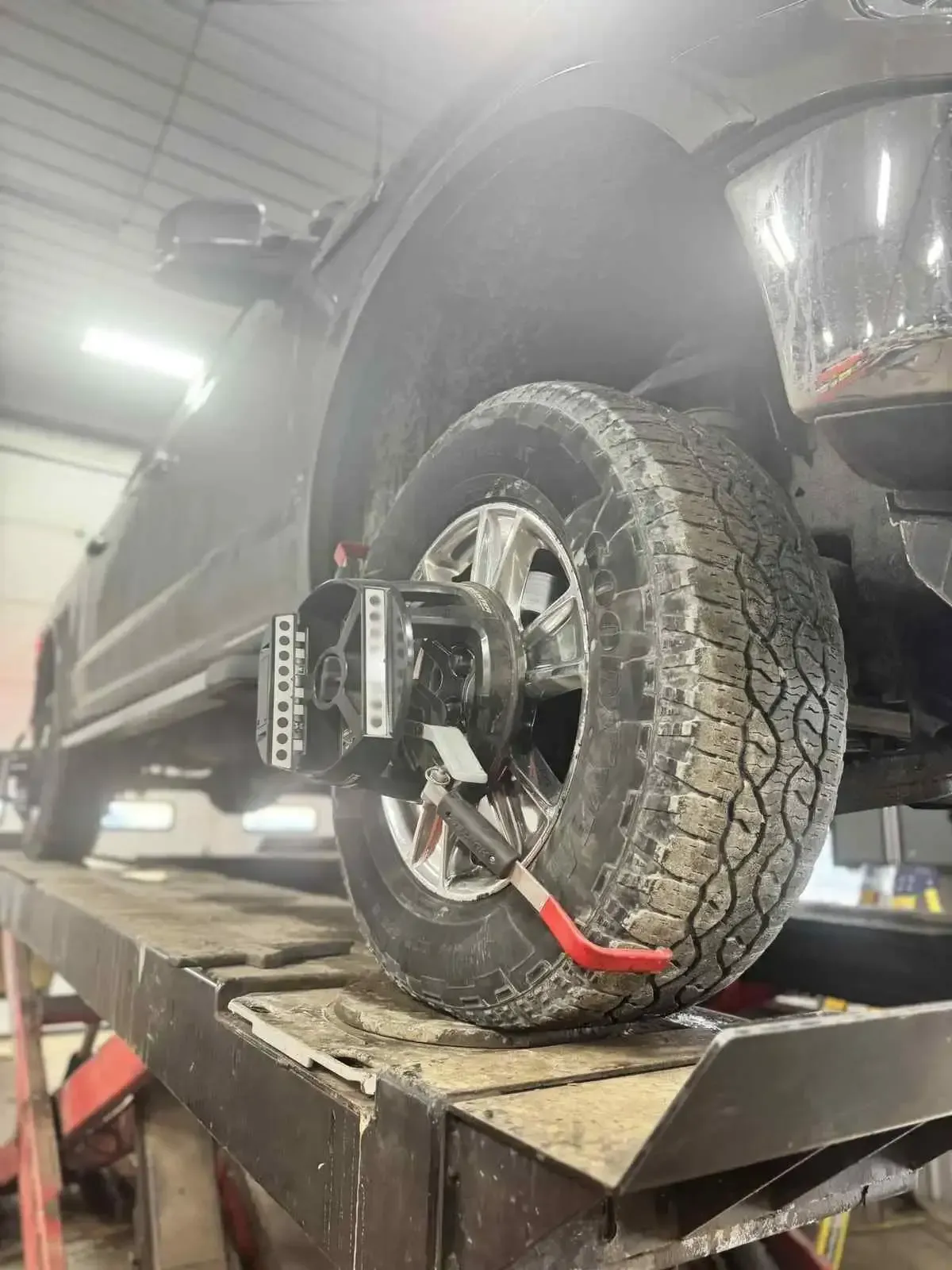
Getting new tires does not automatically mean your vehicle needs an alignment adjustment. It is, however, a good time to have the alignment checked. If your old tires wore...
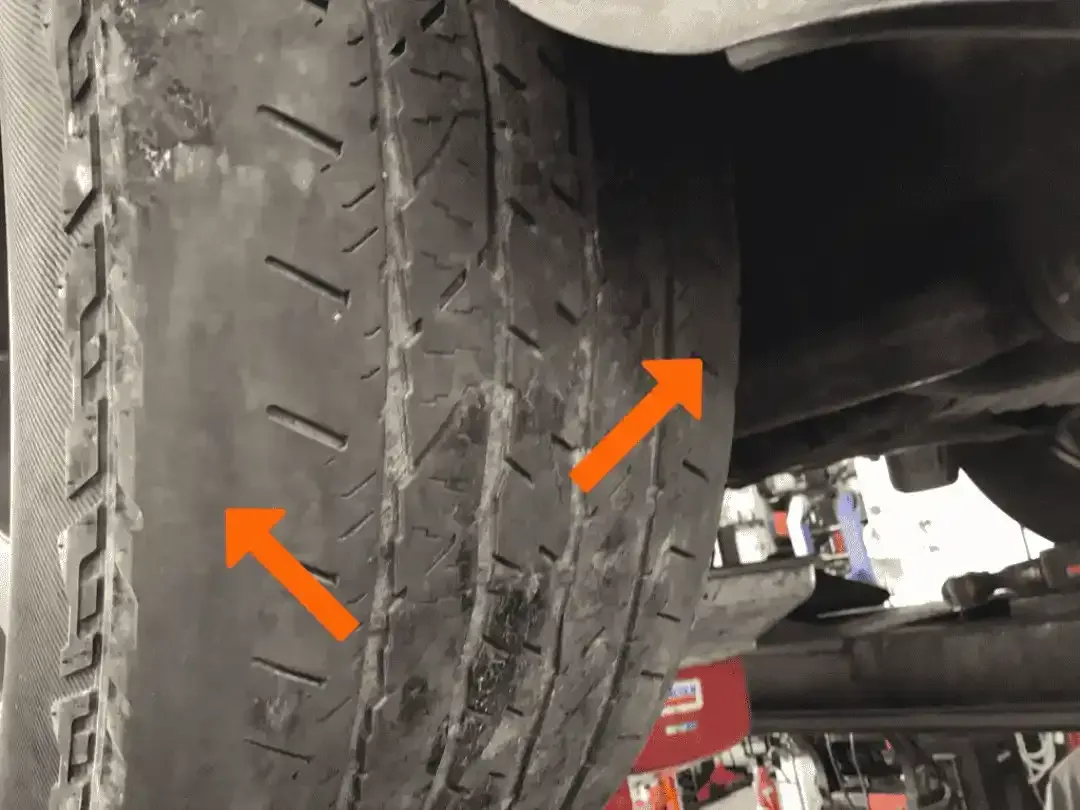
By Sun Valley Auto Repair • September 28, 2026
Before winter arrives in Ohio, check your tires for low tread, uneven wear, cracks, bulges and repeated air-pressure loss. Tires should have at least 2/32 inch of tread to remain...
By Sun Valley Auto Repair • August 31, 2026
You turn on your car’s A/C expecting a blast of cold air, but instead you get warm—or barely cool—air coming through the vents. What’s going on?
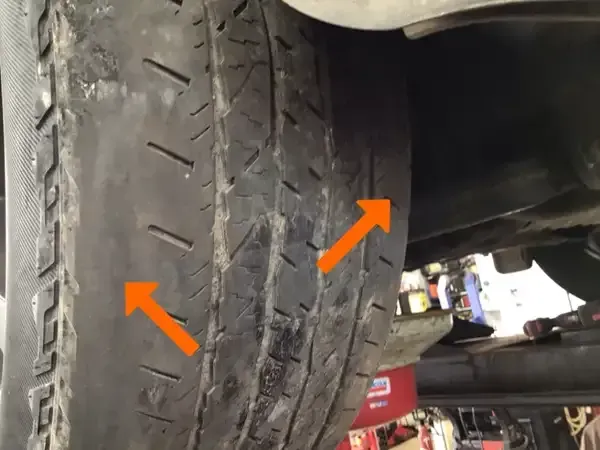
By Sun Valley Auto Repair • August 18, 2026
If you've noticed that one edge of your tire is wearing faster than the other, bald spots are developing, or one tire looks noticeably different from the others, your vehicle may...
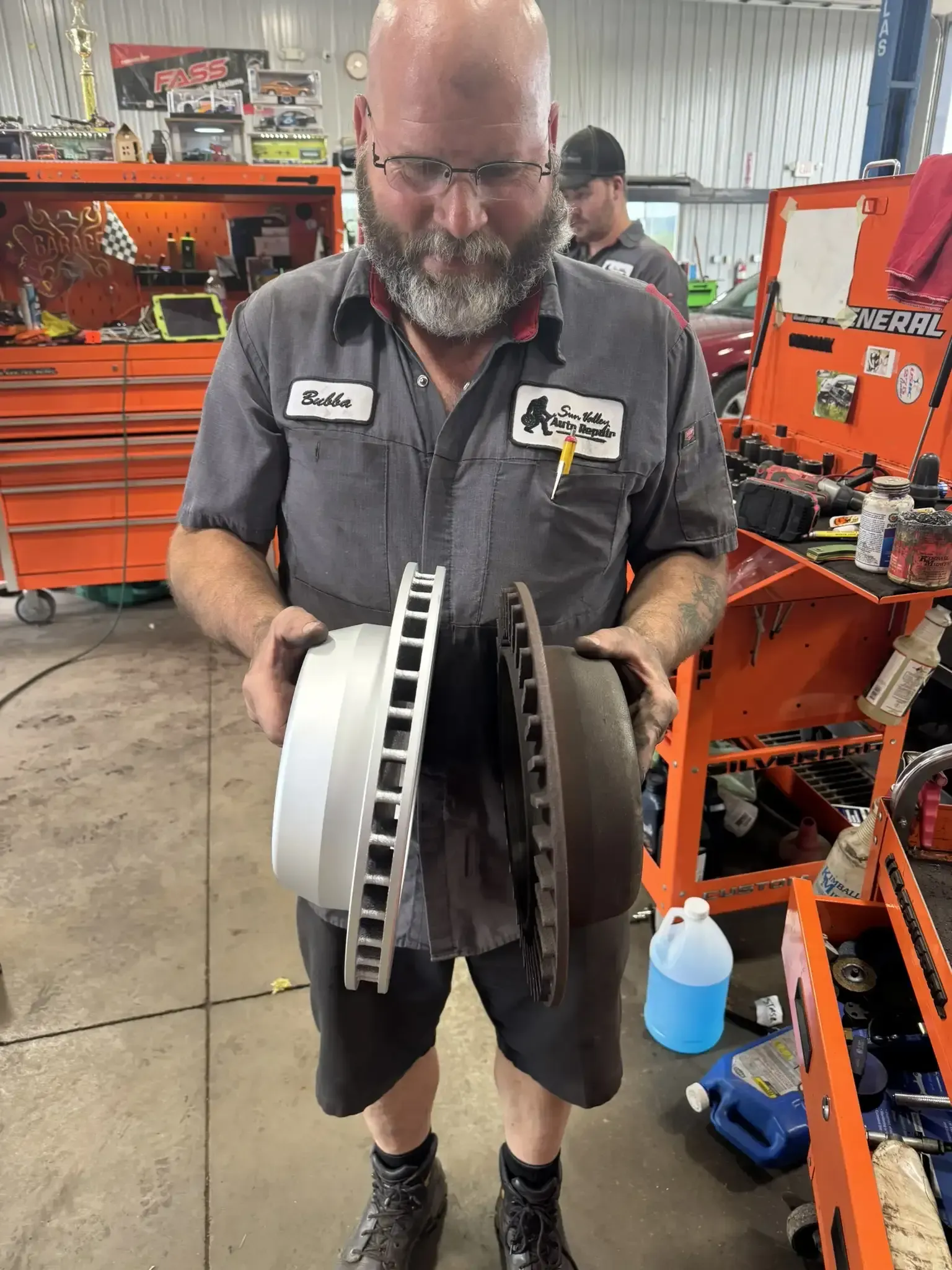
By Sun Valley Auto Repair • August 12, 2026
If you've started hearing a grinding noise when you press the brake pedal , don't ignore it. Grinding brakes can be caused by something as simple as surface rust, but they can...
By Sun Valley Auto Repair • July 30, 2026
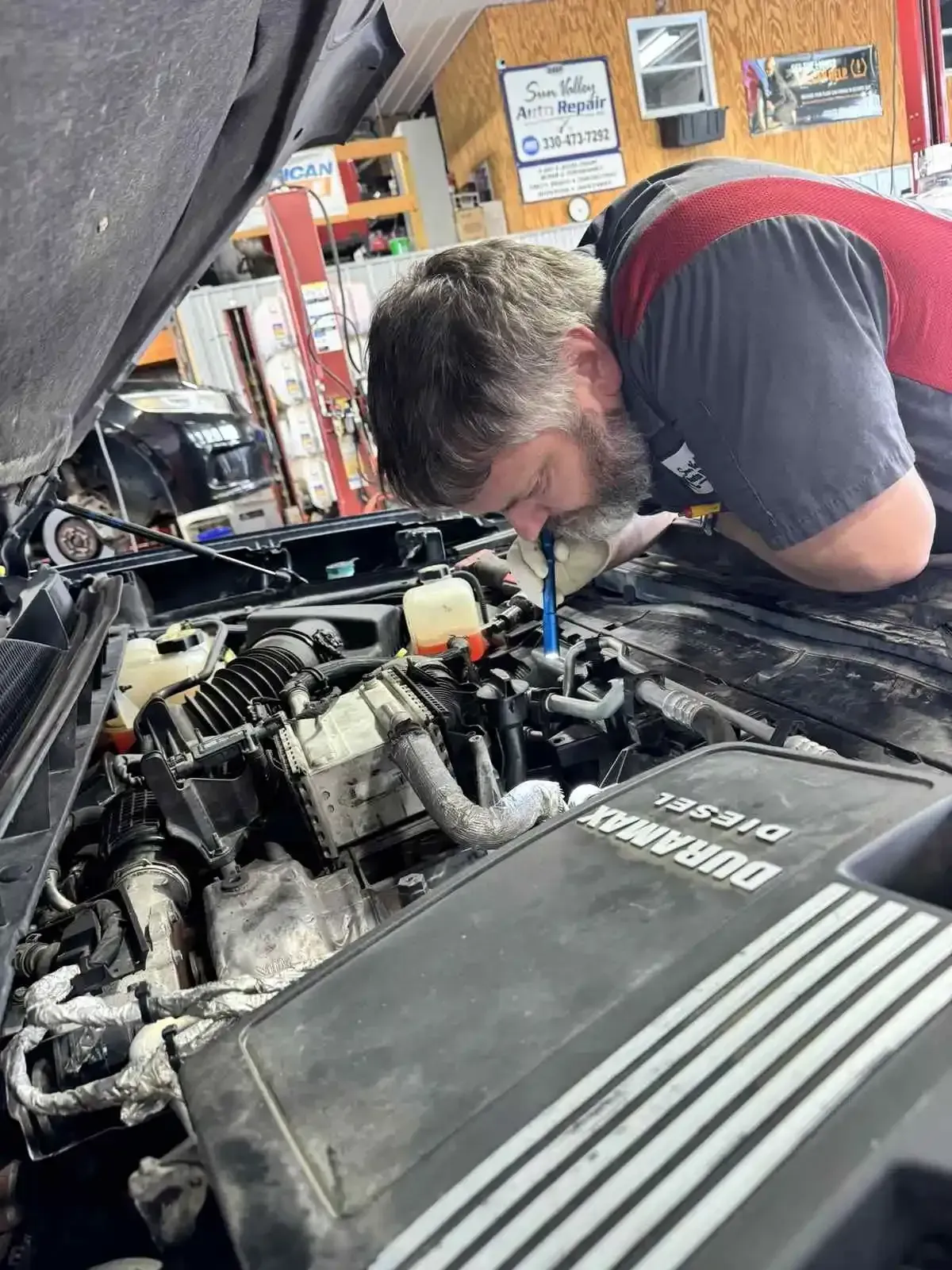
Have you ever wondered what your mechanic is actually looking at when they inspect your vehicle?
By Sun Valley Auto Repair • July 16, 2026
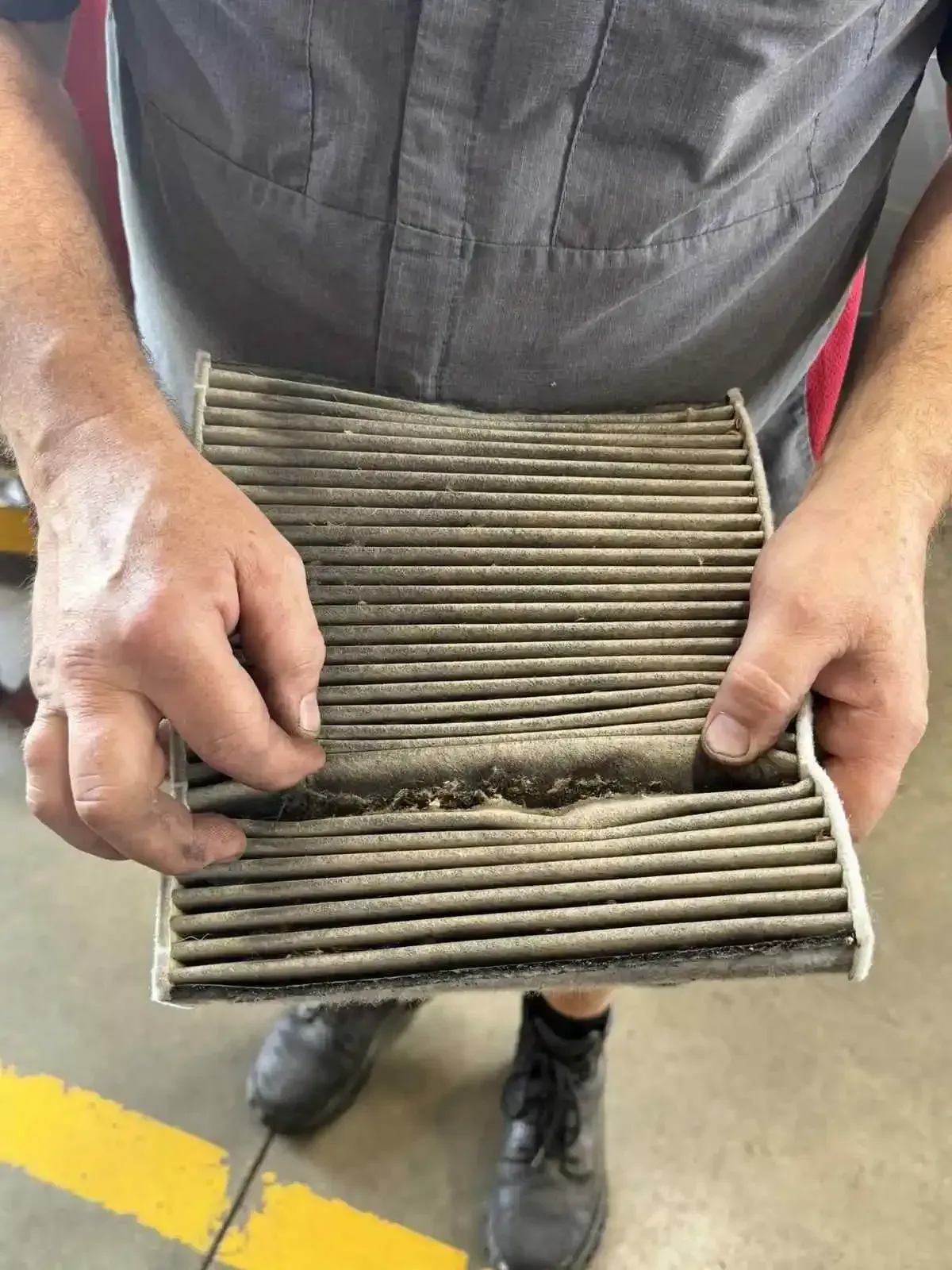
If your business depends on a work truck, van, or commercial fleet, keeping your vehicles properly maintained isn't just good practice—it's essential to protecting your bottom...
By Sun Valley Auto Repair • July 10, 2026
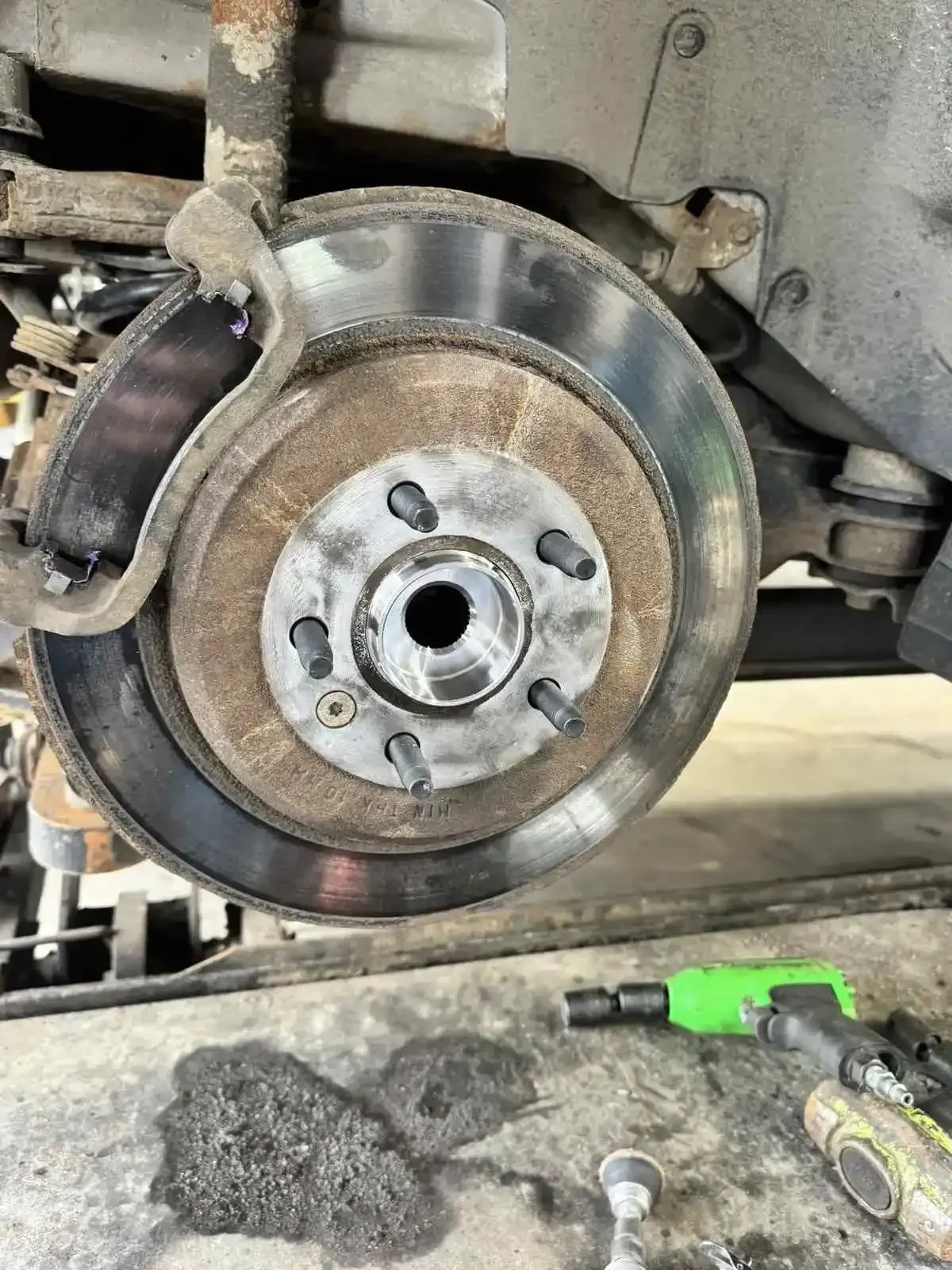
Short answer: Yes—in most cases, we recommend replacing your brake rotors and brake pads at the same time.

Show More