Why a Loose Battery Connection Can Leave You Stranded

January 23, 2025

Share this article

Why a Loose Battery Connection Can Leave You Stranded

When your car doesn’t start, the frustration can be overwhelming. While there are many reasons a vehicle might not turn over, one of the most common and often overlooked culprits is a loose battery connection. This small issue can lead to big problems if not addressed promptly. Let’s dive into why this happens, how it impacts your car, and what you can do to fix it.

How a Loose Battery Connection Happens

Your car’s battery terminals connect to cables that deliver power to start the engine and run electrical systems. Over time, these connections can become loose due to:

  • Vibration: Constant movement while driving can gradually loosen the terminal connections.

  • Corrosion: A buildup of battery acid and grime can interfere with a tight connection.

  • Improper Installation: If the battery was replaced or worked on, the terminals might not have been securely fastened.

Signs of a Loose Battery Connection

A loose battery connection often exhibits warning signs before it causes major issues. Watch for:

  • Intermittent Starting Issues: Your car might start sometimes and fail to start other times.

  • Dim or Flickering Lights: The electrical system may not receive consistent power.

  • Unresponsive Dashboard Electronics: Features like the radio, clock, or dashboard lights may not work properly.

  • Clicking Sound When Starting: The starter may not receive enough power to engage.

Why It’s a Big Deal

Ignoring a loose connection can lead to:

  • Complete Power Loss: Your car won’t start, leaving you stranded.

  • Electrical Component Damage: Inconsistent voltage can harm your car’s sensitive electronics.

  • Increased Battery Wear: A poor connection forces the battery to work harder, shortening its lifespan.

How to Fix a Loose Battery Connection

The good news? Fixing this issue is straightforward and can often be done at home. Here’s a step-by-step guide:

  1. Turn Off the Engine: For safety, ensure the car is off and the keys are out of the ignition.

  2. Inspect the Battery Terminals: Look for any corrosion or buildup around the connections.

  3. Clean the Terminals: Use a wire brush or battery terminal cleaner to remove debris.

  4. Tighten the Connections: Use a wrench to secure the terminal clamps snugly over the battery posts. Be careful not to overtighten.

  5. Test the Connection: Start the car and check for proper functionality.

When to Seek Professional Help

If you’ve tightened the connection but still experience issues, it’s time to consult a professional. The problem might stem from a faulty battery, alternator, or wiring issue that requires specialized equipment to diagnose.

Preventing Loose Connections in the Future

To avoid future problems, consider these tips:

  • Regular Inspections: Check your battery connections during routine maintenance.

  • Clean Terminals: Keep them free from corrosion with a protective spray.

  • Secure the Battery: Ensure the battery is properly fastened in its tray to reduce vibration.

Trust Sun Valley Auto Repair for Your Battery Needs

At Sun Valley Auto Repair, we understand how essential a reliable vehicle is to your daily life. If you suspect a loose battery connection or any other issue, our skilled technicians are here to help. We’ll ensure your car runs smoothly so you can drive with confidence.

Need assistance? Schedule an appointment today by clicking here or give us a call. Don’t let a loose connection leave you stranded!

Stay Safe This Winter with Sun Valley Auto Repair

At Sun Valley Auto Repair , we know that clear visibility is critical for safe driving during Ohio winters. That’s why we offer professional wiper blade inspections and replacements to keep you safe on the road.

Don’t wait until your visibility is compromised—stop by today and let us help you prepare for winter driving conditions.

?? Schedule your appointment now:
Book your wiper blade replacement online here

Stay Connected!

Subscribe to our Youtube Channel

Recent Posts

By Sun Valley Auto Repair • October 9, 2026
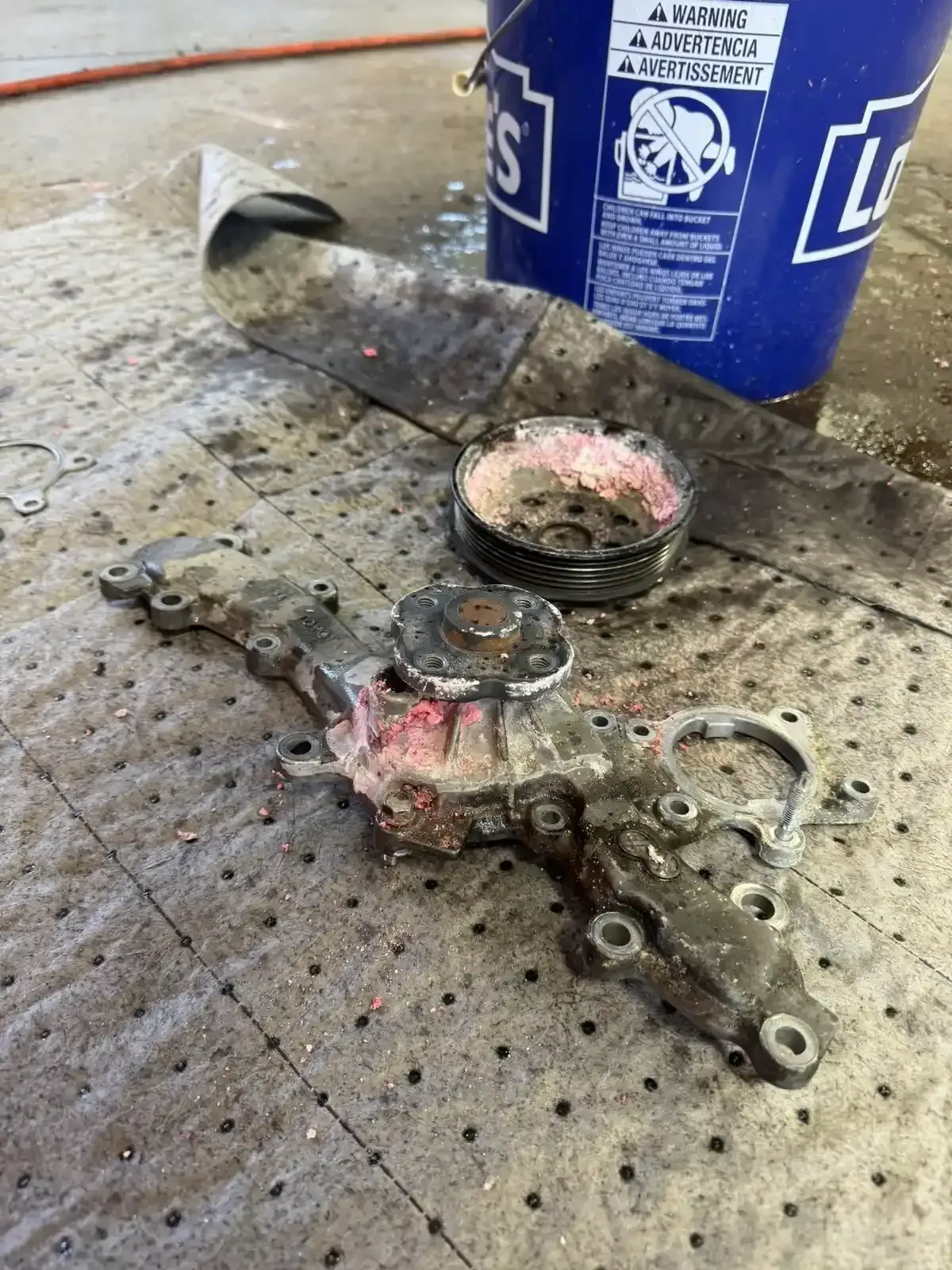
A car’s water pump can fail because of age and wear, contaminated coolant, corrosion, a damaged seal or bearing, or a problem with the belt system that drives it. When the pump...

By Sun Valley Auto Repair • October 9, 2026
There’s a new face at the front counter! Please join us in welcoming Jeff to the Sun Valley Auto Repair team.
By Sun Valley Auto Repair • October 5, 2026
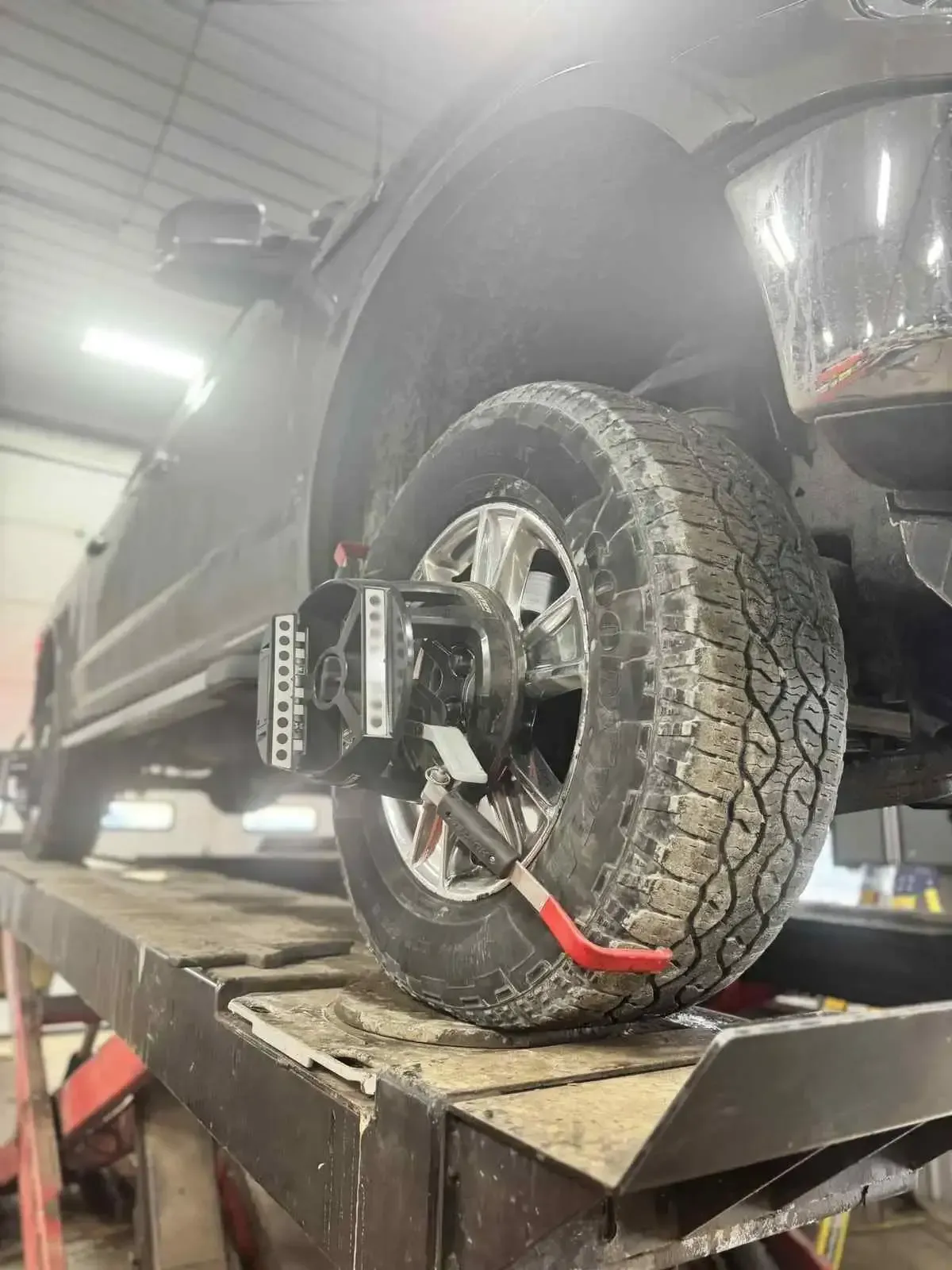
Getting new tires does not automatically mean your vehicle needs an alignment adjustment. It is, however, a good time to have the alignment checked. If your old tires wore...
By Sun Valley Auto Repair • September 28, 2026
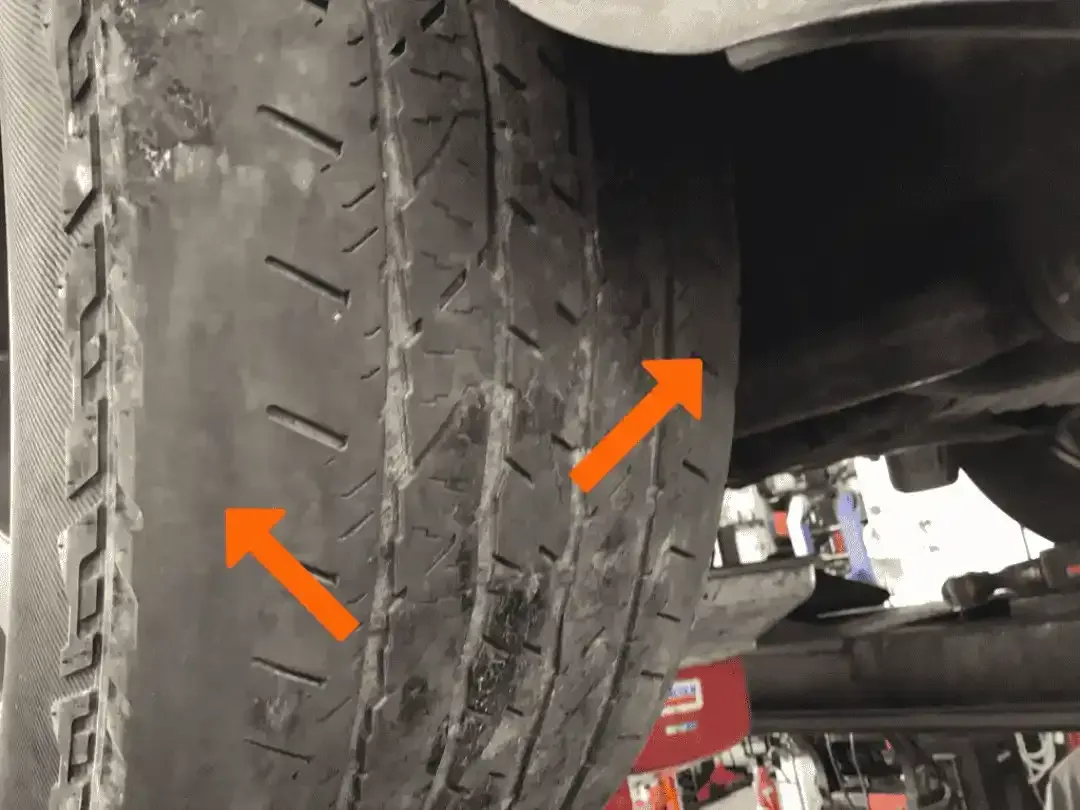
Before winter arrives in Ohio, check your tires for low tread, uneven wear, cracks, bulges and repeated air-pressure loss. Tires should have at least 2/32 inch of tread to remain...
By Sun Valley Auto Repair • August 31, 2026
You turn on your car’s A/C expecting a blast of cold air, but instead you get warm—or barely cool—air coming through the vents. What’s going on?
By Sun Valley Auto Repair • August 18, 2026
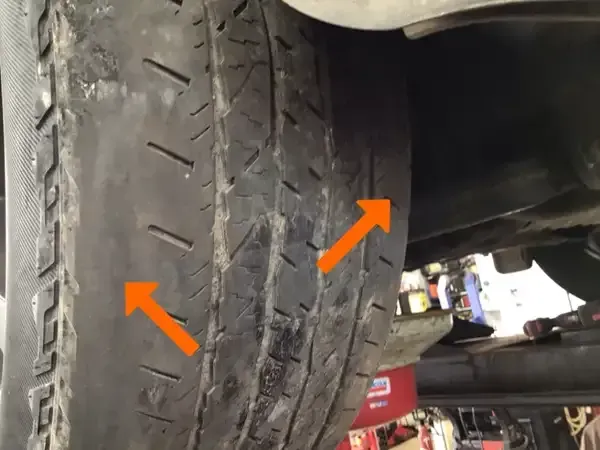
If you've noticed that one edge of your tire is wearing faster than the other, bald spots are developing, or one tire looks noticeably different from the others, your vehicle may...
By Sun Valley Auto Repair • August 12, 2026
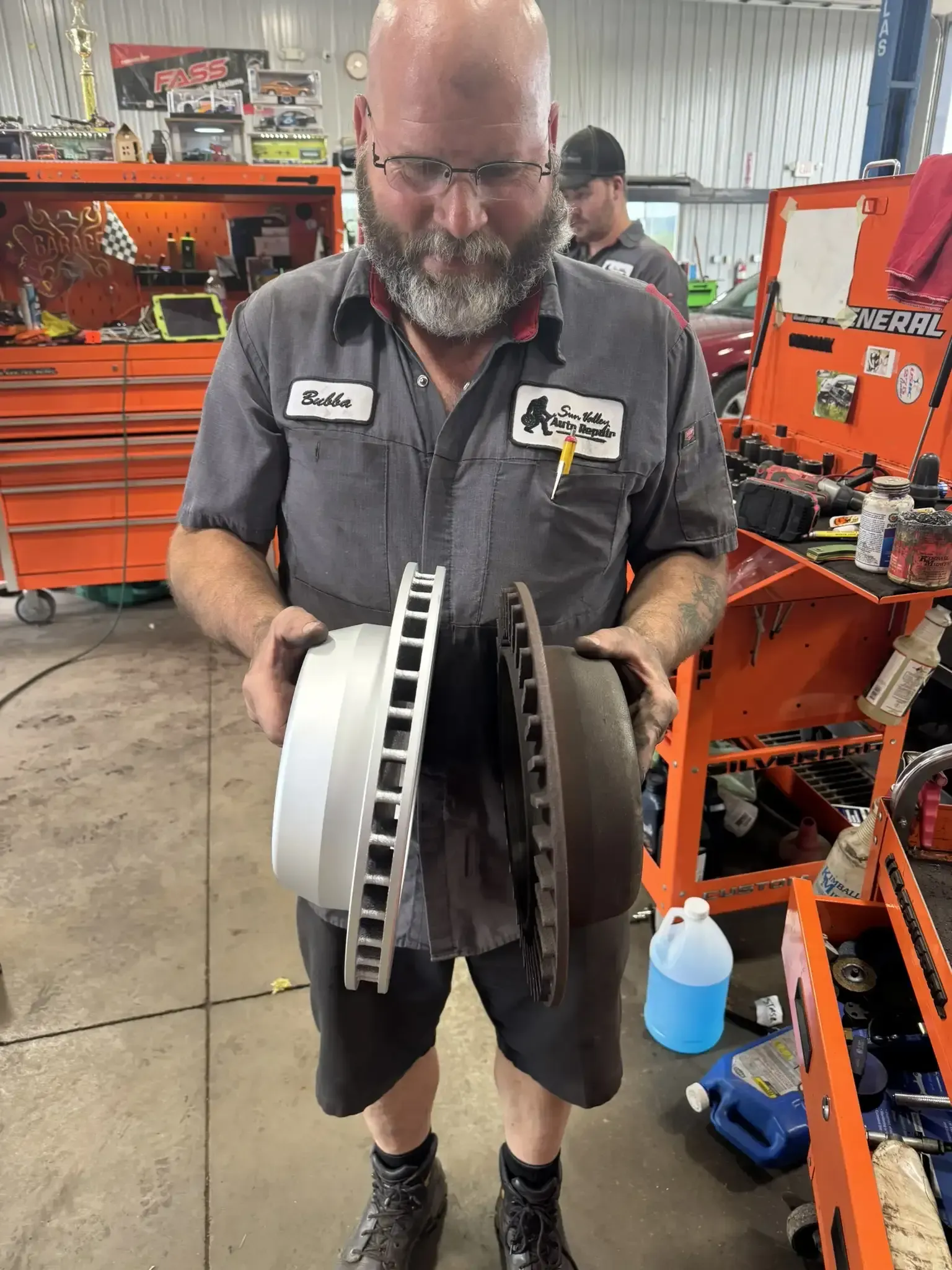
If you've started hearing a grinding noise when you press the brake pedal , don't ignore it. Grinding brakes can be caused by something as simple as surface rust, but they can...
By Sun Valley Auto Repair • July 30, 2026
Have you ever wondered what your mechanic is actually looking at when they inspect your vehicle?
By Sun Valley Auto Repair • July 16, 2026
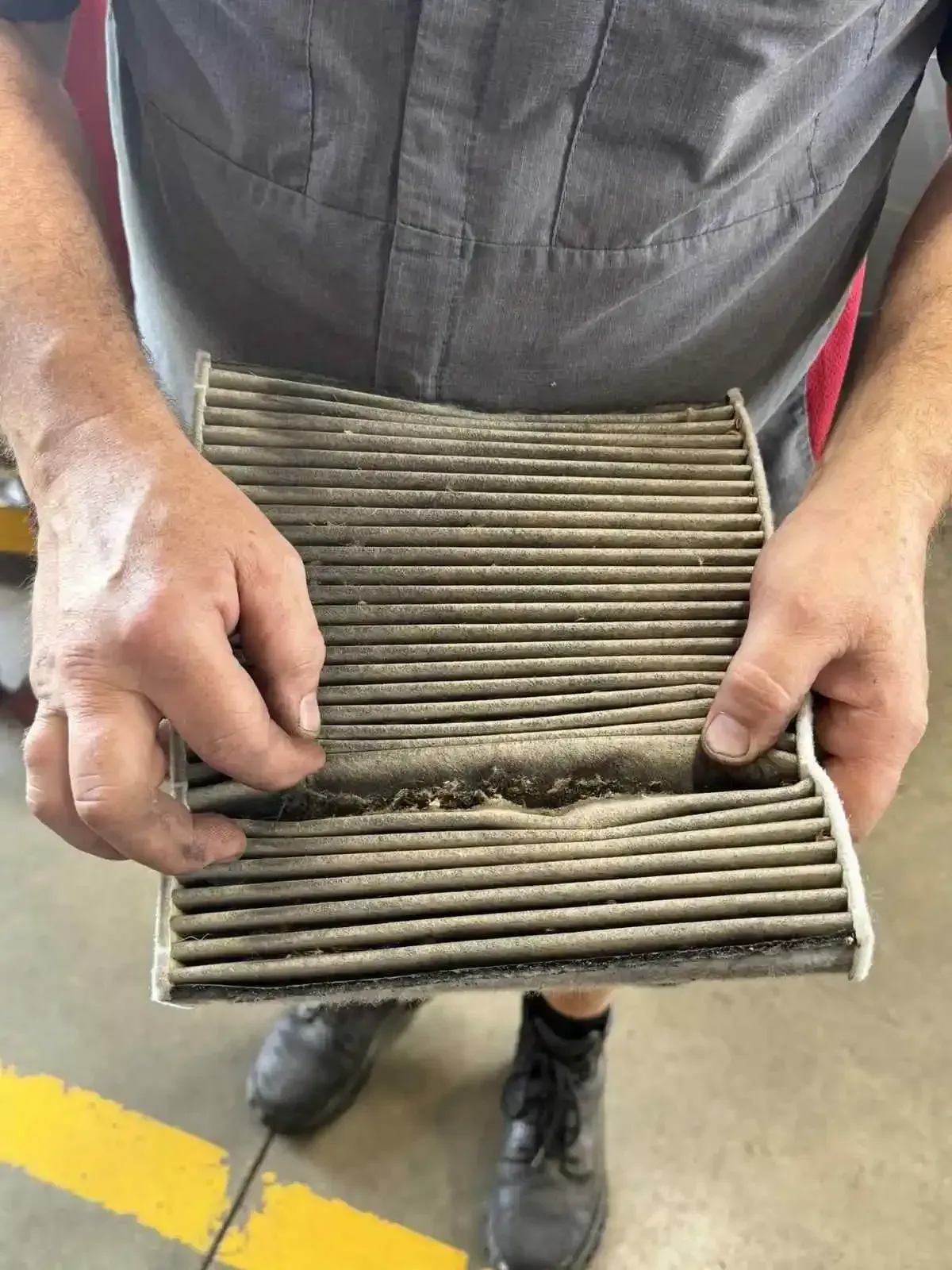
If your business depends on a work truck, van, or commercial fleet, keeping your vehicles properly maintained isn't just good practice—it's essential to protecting your bottom...
By Sun Valley Auto Repair • July 10, 2026
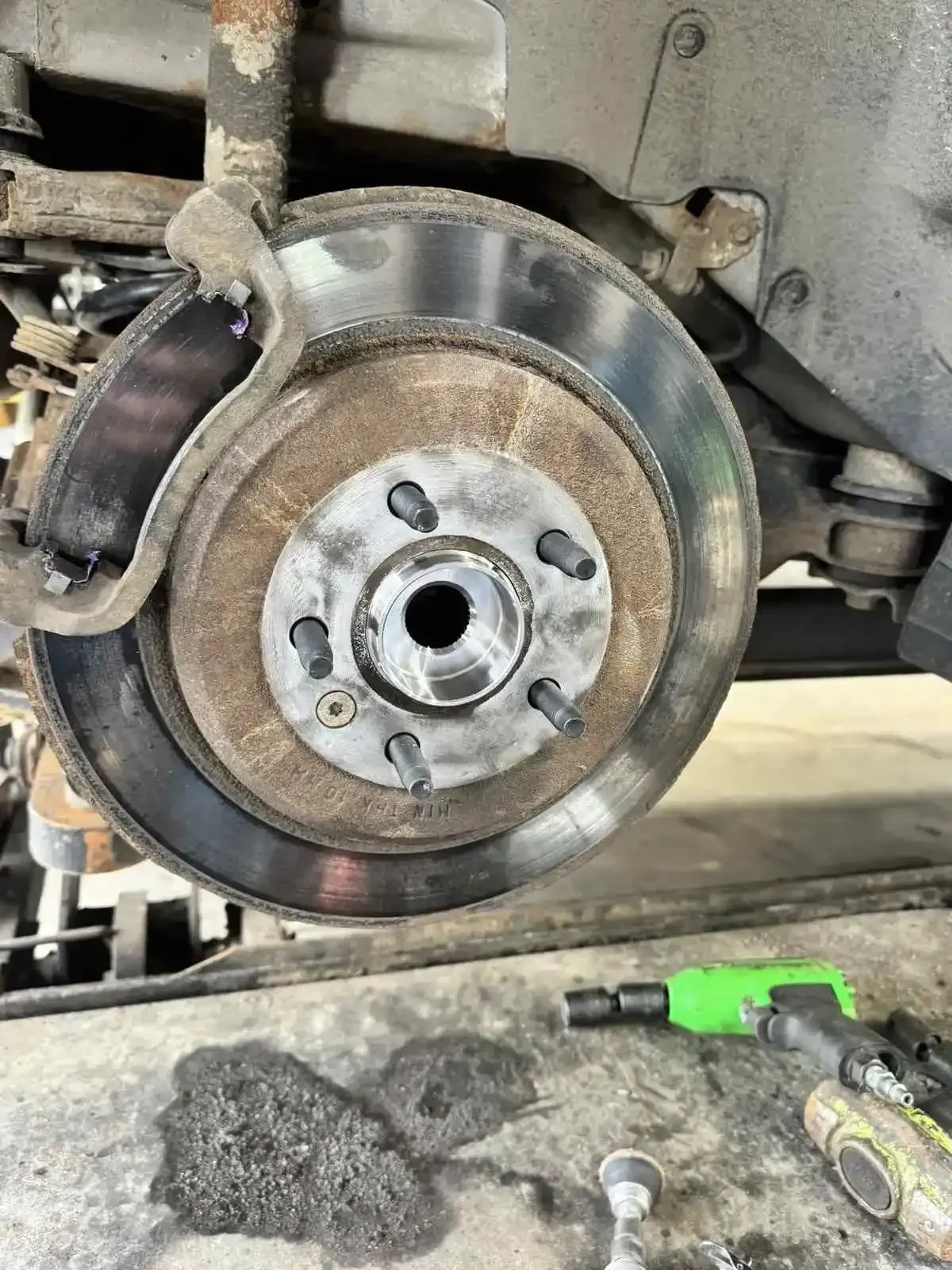
Short answer: Yes—in most cases, we recommend replacing your brake rotors and brake pads at the same time.

Show More