Signs of a weak car battery include slow engine cranking, clicking when you try to start the vehicle, repeated jump-starts, and dim lights during startup. A swollen or leaking battery also needs prompt attention. However, starting problems can involve the starter, charging system, or electrical connections, so testing is the best next step before replacing parts. At Sun Valley Auto Repair in Sugarcreek, Ohio, we check your battery and related systems to help determine what is causing the problem. 1. Your Engine Cranks More Slowly Than Usual Does your vehicle sound sluggish when you turn the key or press the start button? Slow cranking can indicate that the battery is struggling to supply enough starting power. You may notice it first on a cold Ohio morning. A weak battery is one possibility, but loose or corroded connections and starter problems can cause similar symptoms. If starting takes longer than usual, have the vehicle checked before it leaves you stranded. 2. You Hear Clicking When You Try to Start Rapid clicking can happen when there is not enough electrical power reaching the starter. A discharged battery or a poor connection may be responsible. A single click can also involve the starter or another electrical concern. The sound alone does not confirm which part has failed. Tell your service advisor whether the engine turns over, whether the lights dim, and whether the problem happens every time. Those details help guide testing. 3. Your Vehicle Has Needed More Than One Jump-Start A jump-start may get you moving, but it does not identify why the battery lost its charge. Possible causes include: A battery that can no longer hold an adequate charge Lights or accessories left on A charging system problem An electrical drain while the vehicle is parked Driving patterns that do not allow the battery to recharge sufficiently If your vehicle repeatedly needs a jump, have the cause checked. Replacing the battery without addressing an underlying problem could leave you with another dead battery. 4. Lights Dim or Electronics Reset During Startup Unusually dim lights during cranking, a clock that resets, or electronics that lose settings can be signs of low voltage. These symptoms can involve the battery, connections, or another electrical issue. Some changes in brightness during starting are normal; pay attention to behavior that is new or noticeably different. 5. The Battery Case Looks Swollen or Is Leaking A swollen, cracked, or leaking battery needs prompt professional attention. Do not attempt to jump-start or charge a visibly damaged battery. If you notice a strong sulfur or rotten-egg smell near the battery, avoid handling it and arrange for assistance. Battery damage or a charging problem may be involved. Does the Battery Warning Light Mean I Need a New Battery? Not necessarily. The battery-shaped dashboard light generally indicates a charging system problem when the engine is running. The battery, alternator, drive belt, wiring, or connections may need attention. Replacing the battery alone may not resolve the warning. If the light appears while driving, find a safe place to stop and call for guidance. The vehicle may eventually stall if the charging system is not supplying power. Why Do Car Batteries Struggle in Cold Weather? Cold temperatures reduce a battery’s ability to deliver power while making the engine harder to crank. That combination can expose a battery that was already weak. A vehicle that started normally during warmer weather may struggle when temperatures fall around Sugarcreek, Berlin, and Walnut Creek. Having the battery tested before winter can help identify a concern before a no-start morning. How Long Does a Car Battery Usually Last? Many conventional automotive batteries last approximately three to five years, but there is no guaranteed replacement age. Temperature, driving habits, vibration, and repeated discharge can affect battery life. Age is a reason to pay closer attention—not proof that replacement is necessary. If your battery is three years old or older, include regular testing in your maintenance plans. What Happens During a Battery Inspection? At Sun Valley Auto Repair, our battery service in Sugarcreek evaluates the battery and the systems that help it start and recharge. Depending on the concern, checks may include: Battery condition and starting capacity Terminals, cables, and connections Starting and charging system operation Signs of corrosion, damage, or leakage Further testing if the battery repeatedly loses charge A discharged battery may need to be charged and retested before its condition can be accurately assessed. We’ll explain the findings and discuss the appropriate next step. Frequently Asked Questions About Weak Car Batteries Can a battery fail without warning? Yes. Some batteries fail with little noticeable warning. Regular testing can help assess their condition, although no test guarantees exactly how long a battery will last. Does corrosion mean the battery needs replacing? Not automatically. Corrosion can interfere with electrical connections, but the battery, terminals, and cables should be inspected before deciding whether cleaning, repair, or replacement is needed. Will driving recharge a dead battery? Driving may restore some charge if the charging system is working, but a short trip may not fully recharge a deeply discharged battery. Proper charging and testing may be needed, along with finding out why it went dead. Can I use any battery that fits my vehicle? No. Battery size, terminal arrangement, capacity, and battery technology must meet your vehicle’s requirements. Vehicles with automatic start-stop systems may require a specific battery type and a registration or reset procedure after replacement. Do hybrids and electric vehicles have a regular battery? Many hybrids and electric vehicles have a low-voltage battery in addition to their high-voltage battery. This article primarily addresses conventional starting batteries and low-voltage battery concerns. Testing and replacement procedures depend on the vehicle. Battery Testing and Replacement in Sugarcreek, Ohio If your vehicle is starting slowly, needs repeated jump-starts, or has a battery warning light, Sun Valley Auto Repair can help determine what needs attention. We serve drivers in Sugarcreek, Berlin, Walnut Creek, Winesburg, Millersburg, Dover, New Philadelphia, and surrounding communities. We’ll explain the test results and help you decide whether your battery needs replacement or another concern needs to be addressed. Schedule an appointment or call 330-473-7292 to have your battery and starting concern checked. Driving Trust. Setting Standards. Your Road, Our Promise.
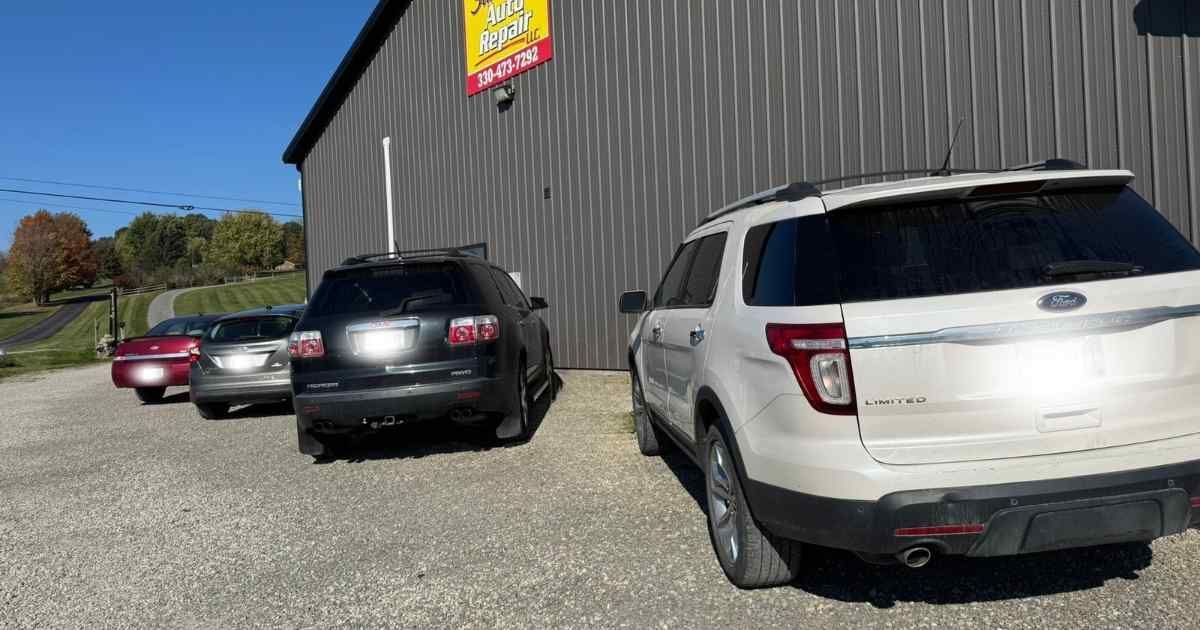
Sun Valley Auto Repair in Sugarcreek, Ohio, offers free loaner vehicles, a local shuttle generally serving destinations within approximately 10–15 miles of the shop, and vehicle pickup and delivery by prior arrangement.
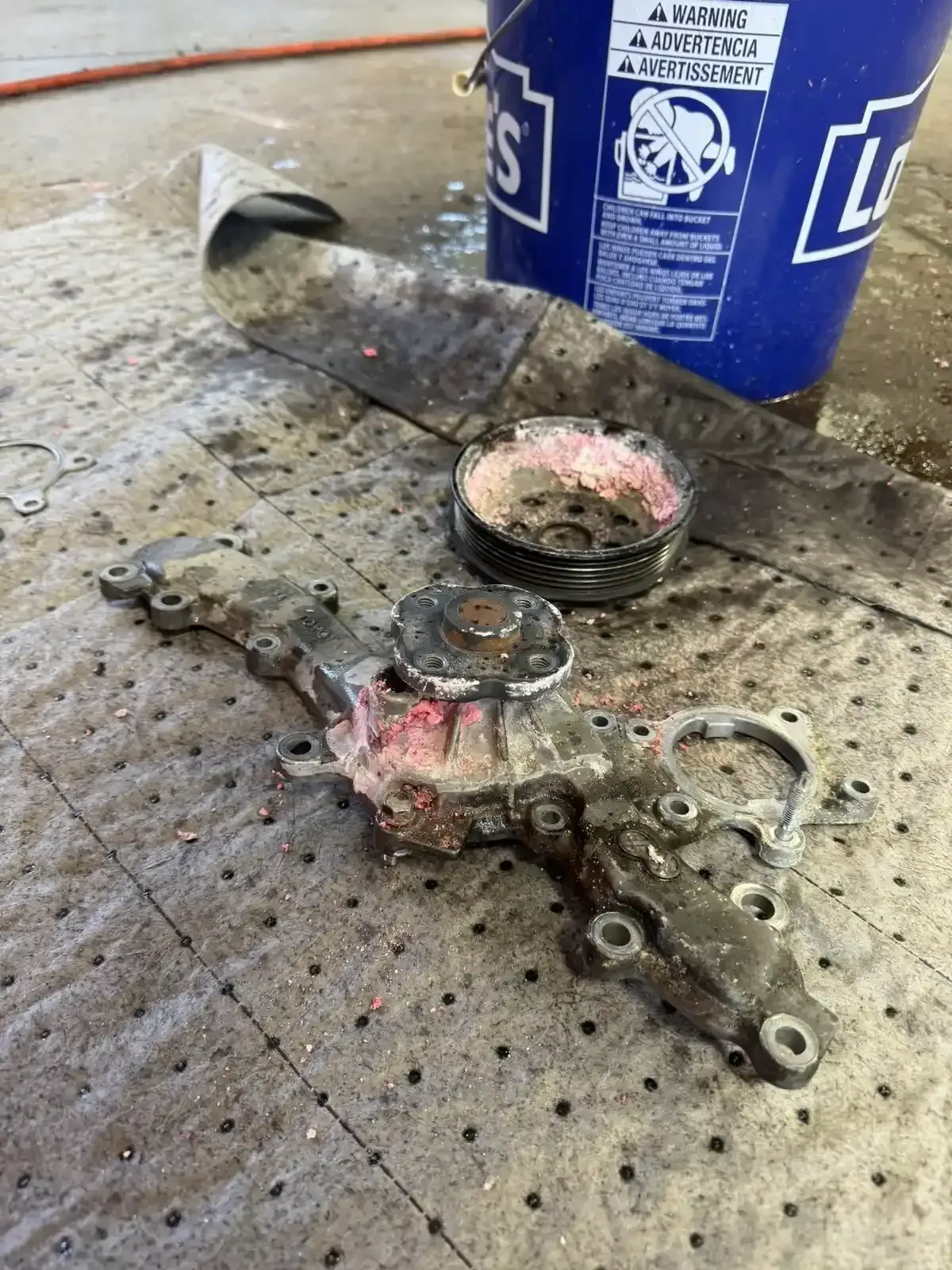
A car’s water pump can fail because of age and wear, contaminated coolant, corrosion, a damaged seal or bearing, or a problem with the belt system that drives it. When the pump...

There’s a new face at the front counter! Please join us in welcoming Jeff to the Sun Valley Auto Repair team.
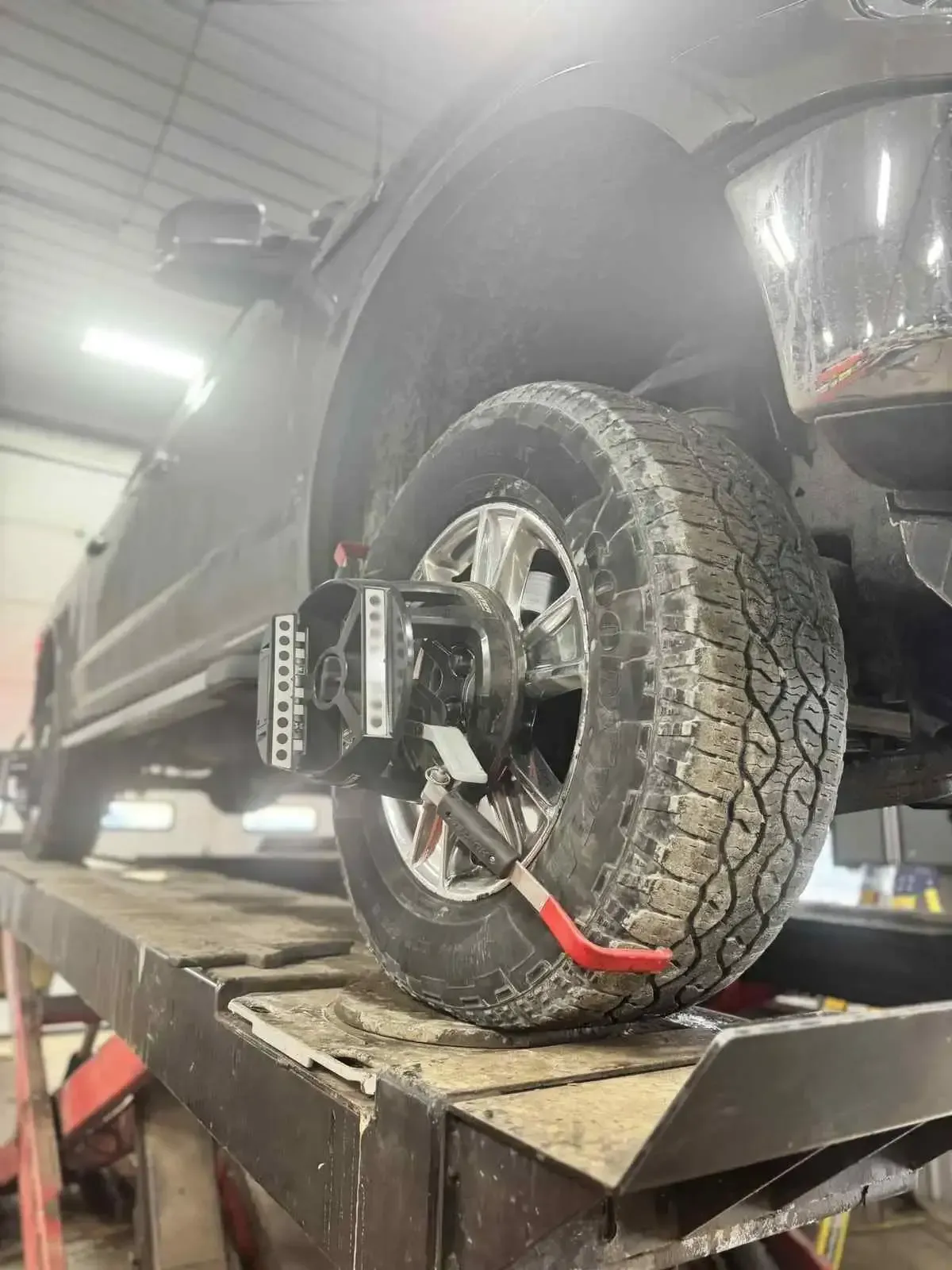
Getting new tires does not automatically mean your vehicle needs an alignment adjustment. It is, however, a good time to have the alignment checked. If your old tires wore...
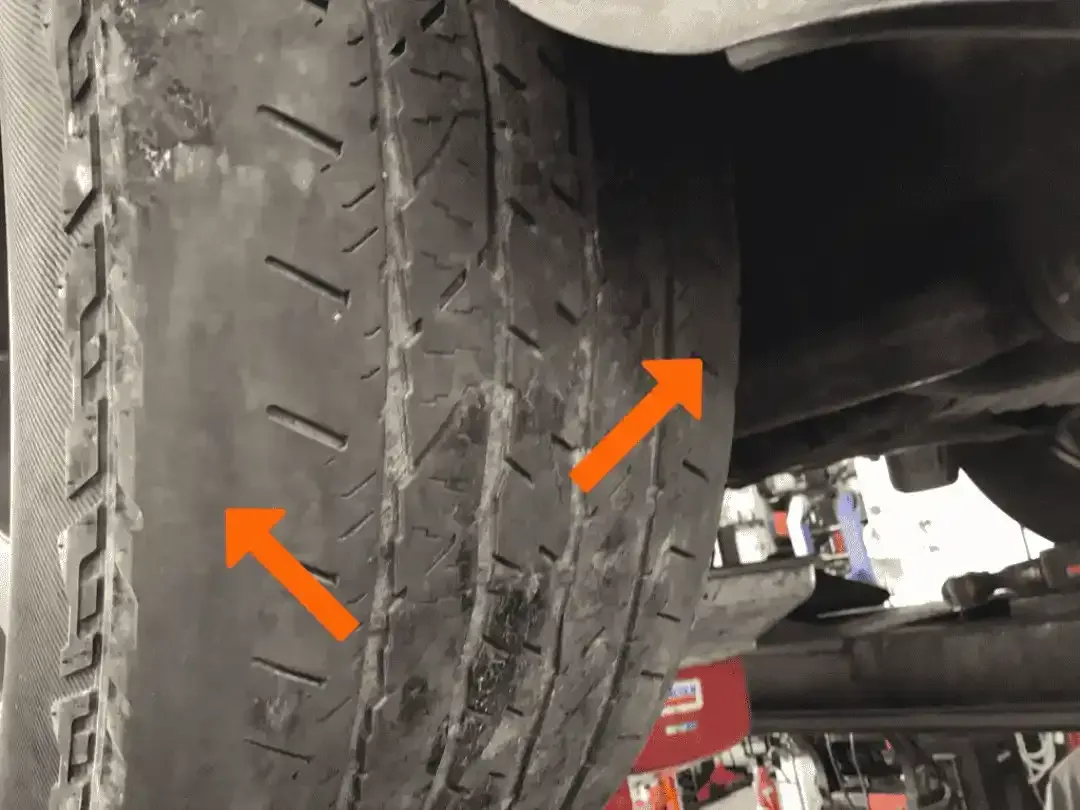
Before winter arrives in Ohio, check your tires for low tread, uneven wear, cracks, bulges and repeated air-pressure loss. Tires should have at least 2/32 inch of tread to remain...
You turn on your car’s A/C expecting a blast of cold air, but instead you get warm—or barely cool—air coming through the vents. What’s going on?
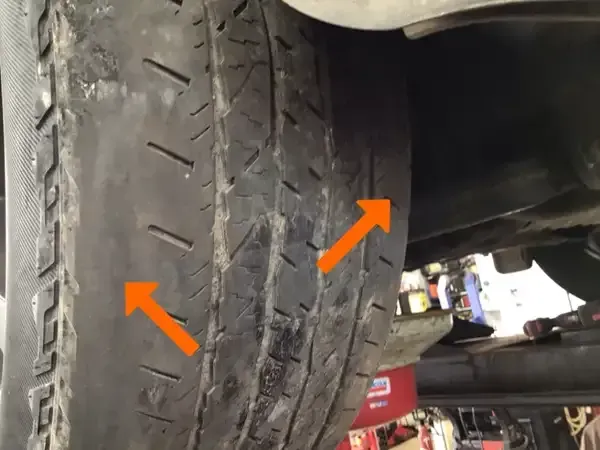
If you've noticed that one edge of your tire is wearing faster than the other, bald spots are developing, or one tire looks noticeably different from the others, your vehicle may...
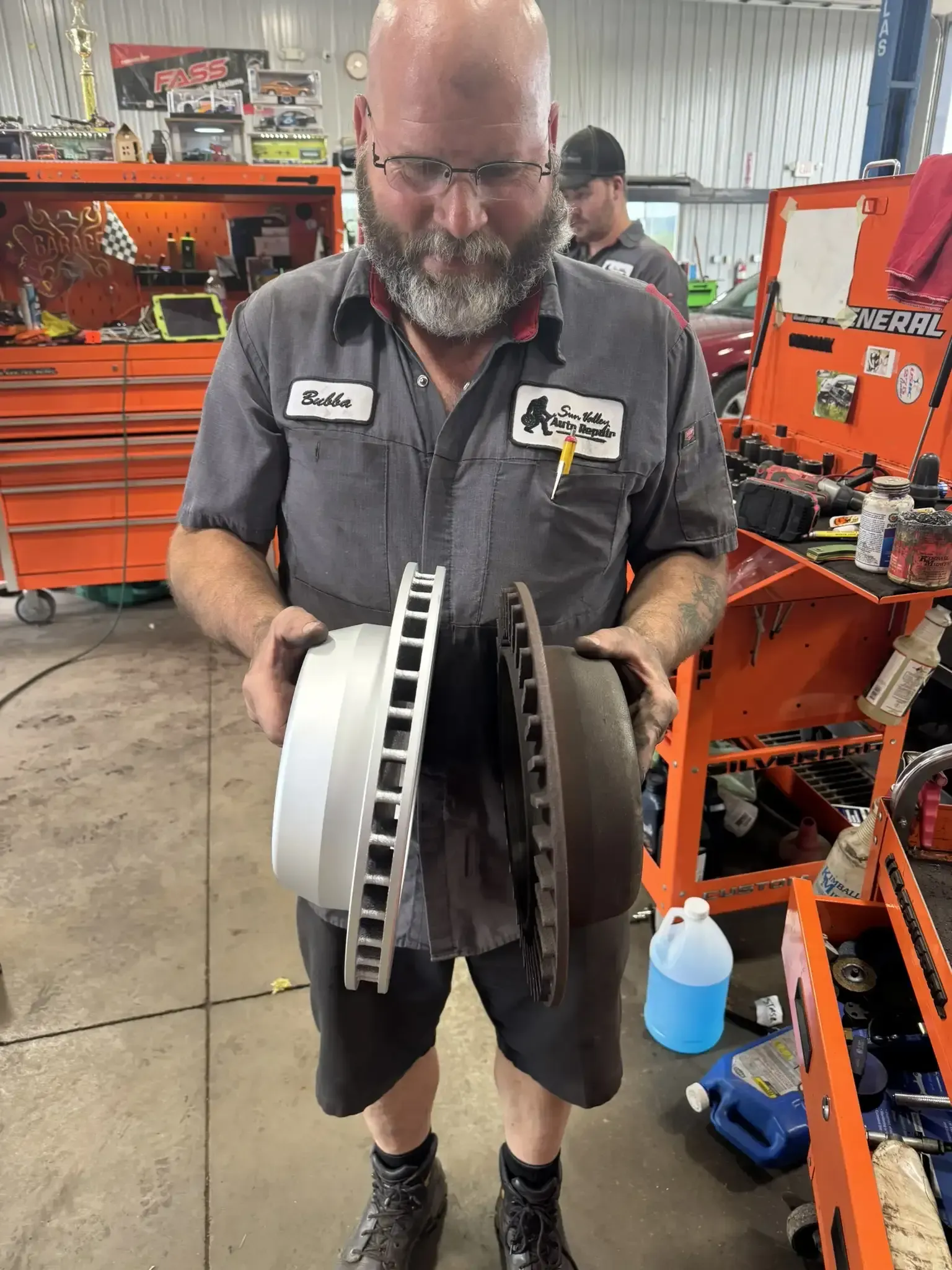
If you've started hearing a grinding noise when you press the brake pedal , don't ignore it. Grinding brakes can be caused by something as simple as surface rust, but they can...
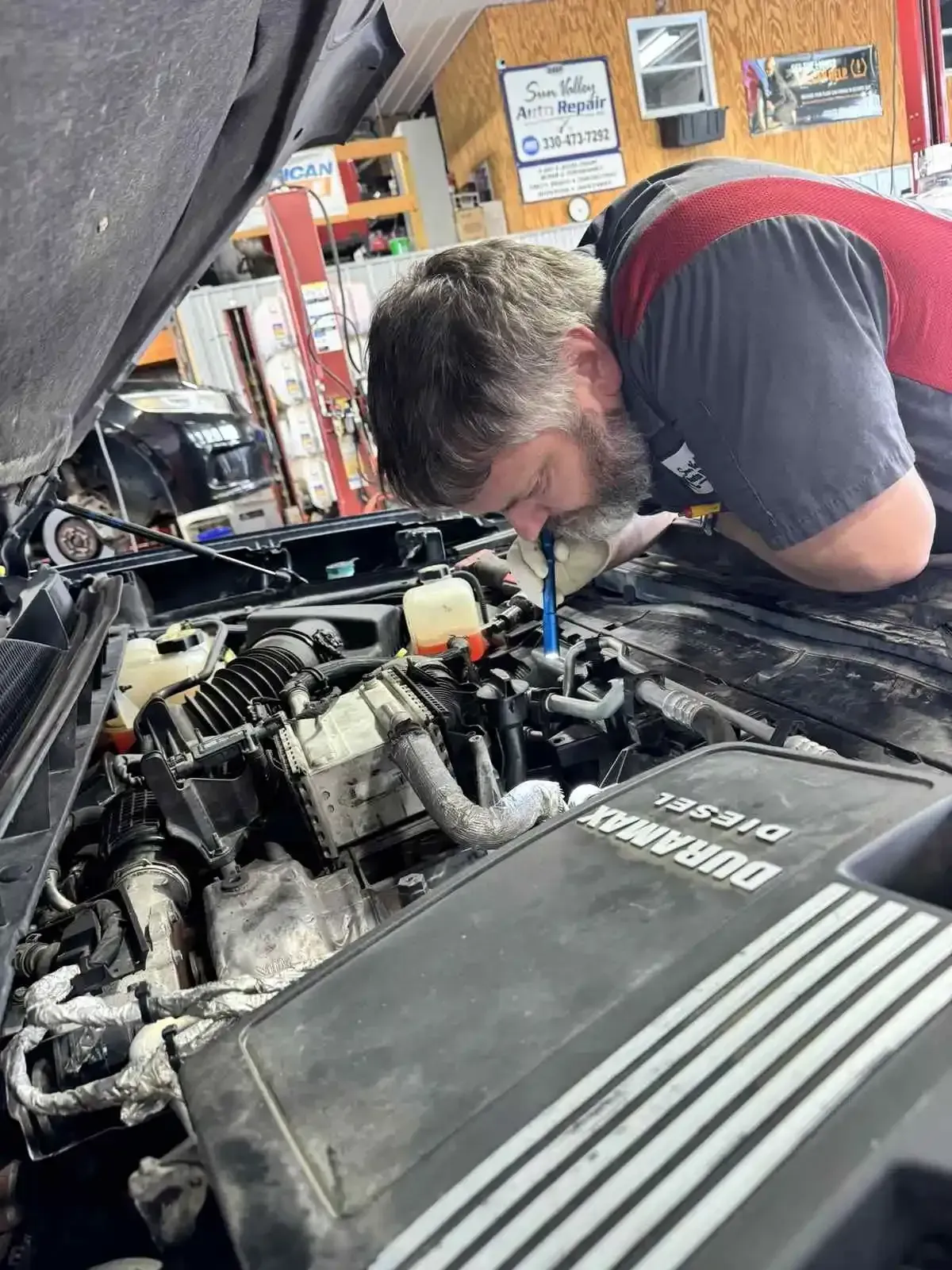
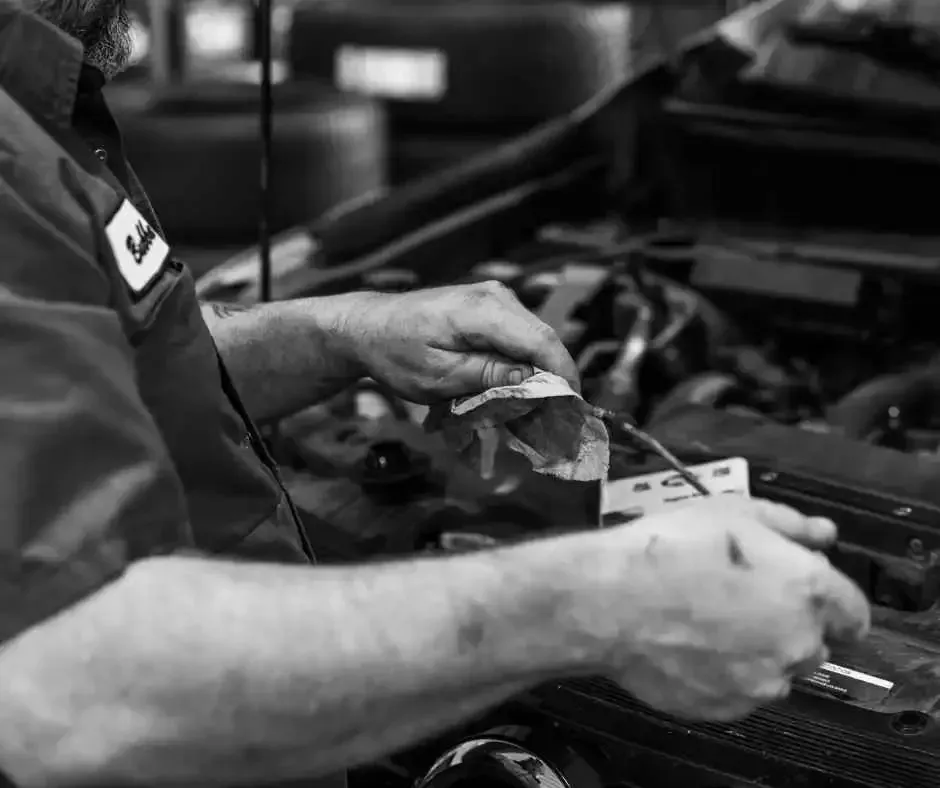
Have you ever wondered what your mechanic is actually looking at when they inspect your vehicle?