Why Is Tire Pressure Monitoring Crucial During Ohio's Spring?

April 24, 2025

Share this article

Spring in Ohio is a season of change—sometimes all in one day. Temperatures can swing wildly between chilly mornings and sunny afternoons, and while you might be quick to adjust your wardrobe, your tires aren't so adaptable.

At Sun Valley Auto Repair , we know that monitoring your tire pressure during Ohio's spring months is one of the simplest but most important things you can do to stay safe and save money on the road.

How Temperature Swings Affect Tire Pressure

Tire pressure is directly affected by changes in temperature. As a general rule, tire pressure drops by about 1 PSI (pound per square inch) for every 10-degree drop in temperature—and rises by the same amount when it warms up.

That means if you inflate your tires on a cold March morning, they might be overinflated by the time that sunny April afternoon rolls around.

On the flip side, tires inflated during a warm afternoon can end up under inflated when the temperature drops overnight, especially in early spring.

Why Proper Tire Pressure Matters

Your vehicle’s tire pressure isn’t just a number—it affects everything from how your car handles to how efficiently it runs. Here’s why it matters:

Safety:
Underinflated tires reduce your ability to brake and steer properly, especially on wet or slick spring roads. They also increase your risk of a blowout, particularly when hitting potholes.

Fuel Efficiency:
Driving on underinflated tires increases rolling resistance, which means your engine has to work harder—and burns more fuel. Proper inflation helps maximize your miles per gallon.

Tire Longevity:
Improper pressure causes uneven tread wear, which shortens the life of your tires. A well-inflated tire wears more evenly, meaning you won’t need a new set as soon.

Ride Comfort:
Tires with the right amount of air provide a smoother, more controlled ride—especially important on Ohio’s winding country roads and uneven spring pavement.

How Often Should You Check Tire Pressure?

We recommend checking your tire pressure at least once a month—more often during seasonal transitions like spring. And always check your pressure before a road trip or after a significant temperature shift.

Don’t rely solely on your dashboard TPMS (Tire Pressure Monitoring System). While helpful, it doesn’t always alert you until the pressure is significantly off. A manual check with a reliable tire pressure gauge is best.

Let Sun Valley Auto Repair Handle It

If checking your tire pressure feels like a hassle—or if you’re not sure what the correct PSI should be for your vehicle—we’ve got you covered. At Sun Valley Auto Repair , we’ll:

1. Check and adjust your tire pressure to manufacturer's specs

2. Inspect your tires for wear and damage

3. Help you stay ahead of seasonal maintenance needs

It’s a quick, affordable way to stay safe and extend the life of your tires.

Schedule your spring tire check or rotation today and drive into the new season with confidence.

Our Mission: Driving Trust, Setting Standards, Your Road Our Promise
At Sun Valley Auto Repair, we're passionate about exceeding expectations. Our commitment to transparency through digital inspections aligns perfectly with our mission statement: driving trust by being honest and upfront about your vehicle's needs. We set standards for excellence in auto repair, ensuring your car receives the highest quality care. Ultimately, your road is our promise. We're dedicated to keeping you moving safely and confidently for miles to come.

Ready to give your engine the TLC it deserves? Schedule your next service appointment with Sun Valley Auto Repair today! We look forward to keeping your car happy and healthy for miles to come.

Recent Posts

By Sun Valley Auto Repair • October 9, 2026
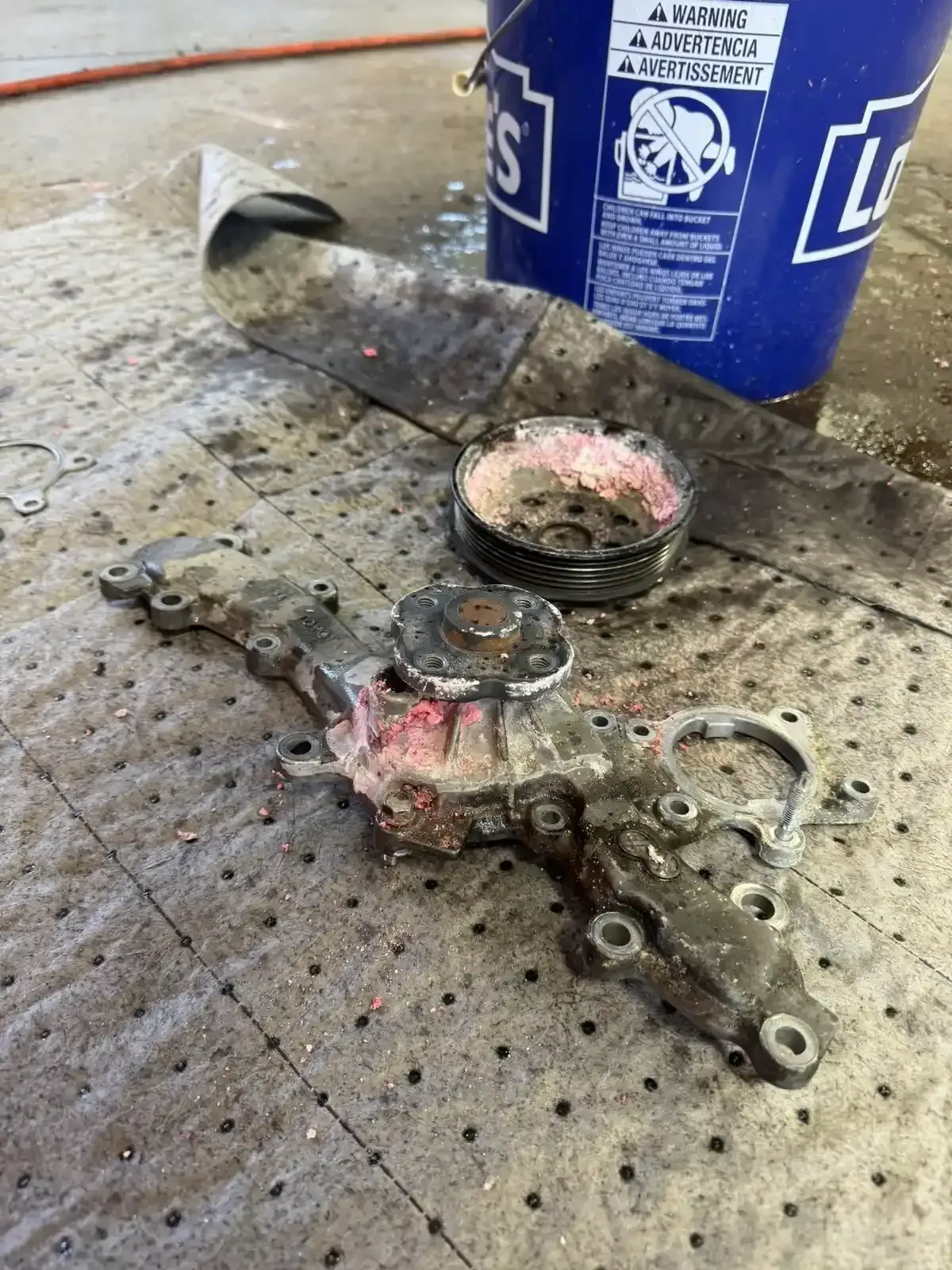
A car’s water pump can fail because of age and wear, contaminated coolant, corrosion, a damaged seal or bearing, or a problem with the belt system that drives it. When the pump...
By Sun Valley Auto Repair • October 9, 2026
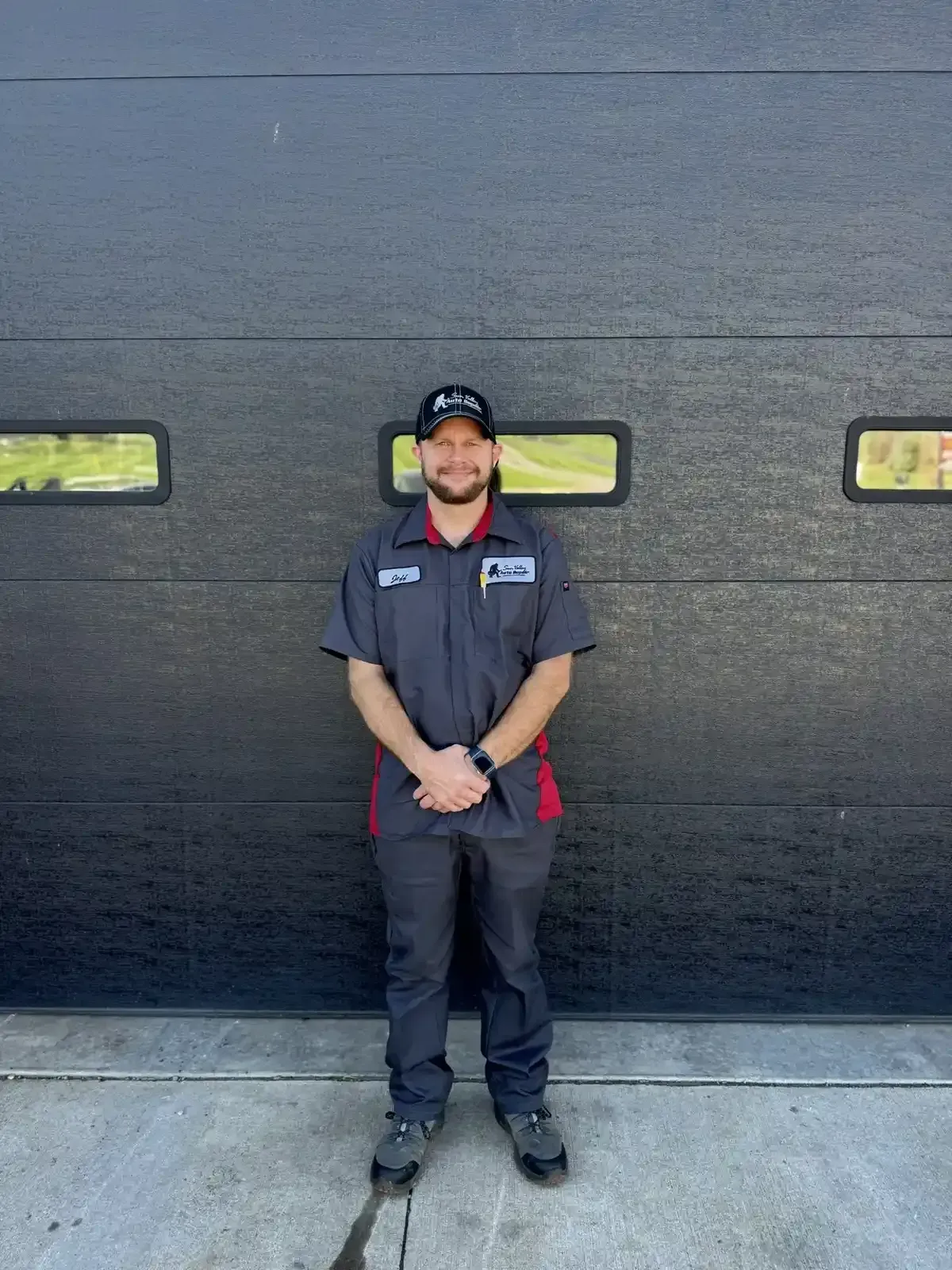
There’s a new face at the front counter! Please join us in welcoming Jeff to the Sun Valley Auto Repair team.
By Sun Valley Auto Repair • October 5, 2026
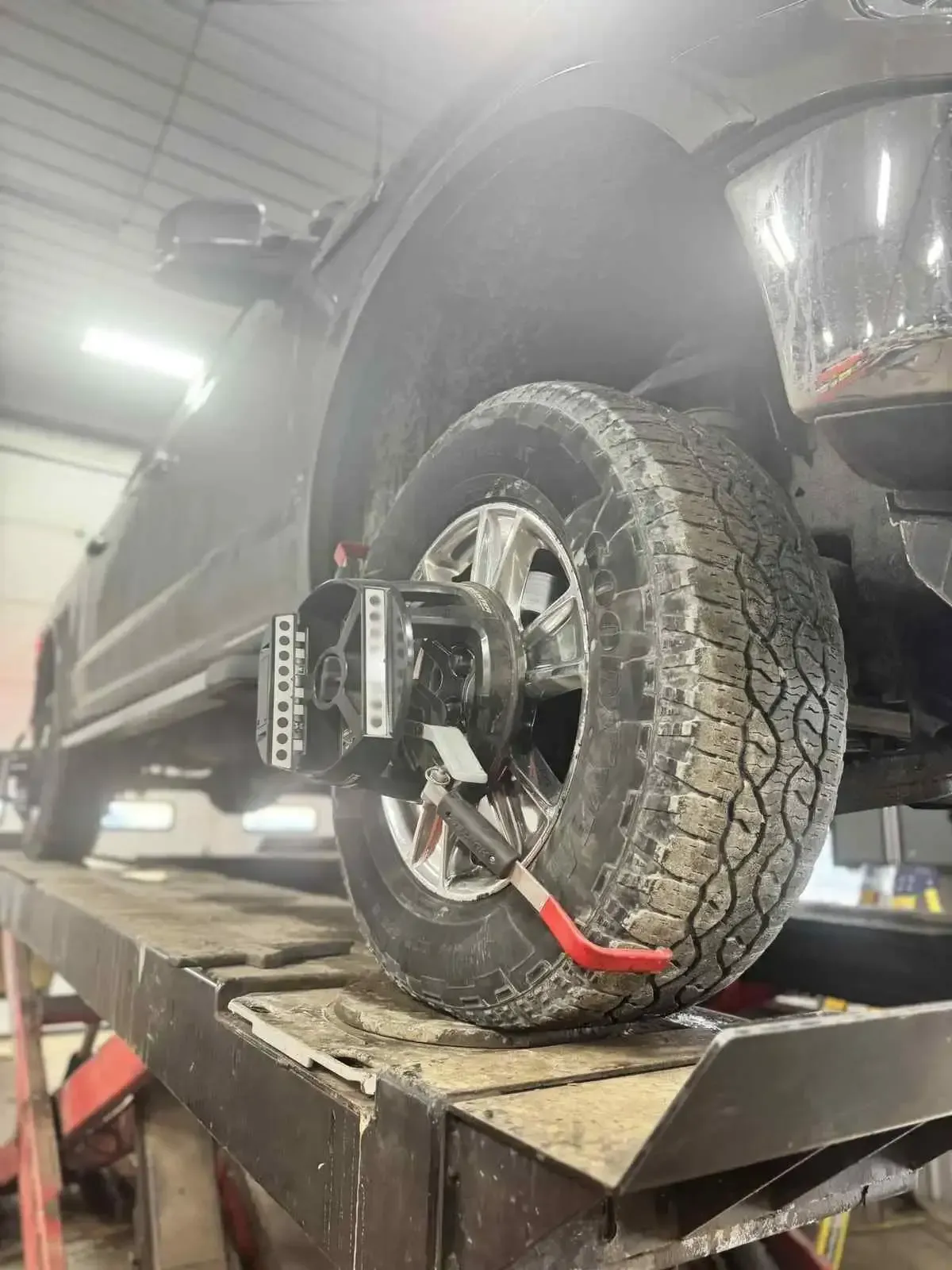
Getting new tires does not automatically mean your vehicle needs an alignment adjustment. It is, however, a good time to have the alignment checked. If your old tires wore...
By Sun Valley Auto Repair • September 28, 2026
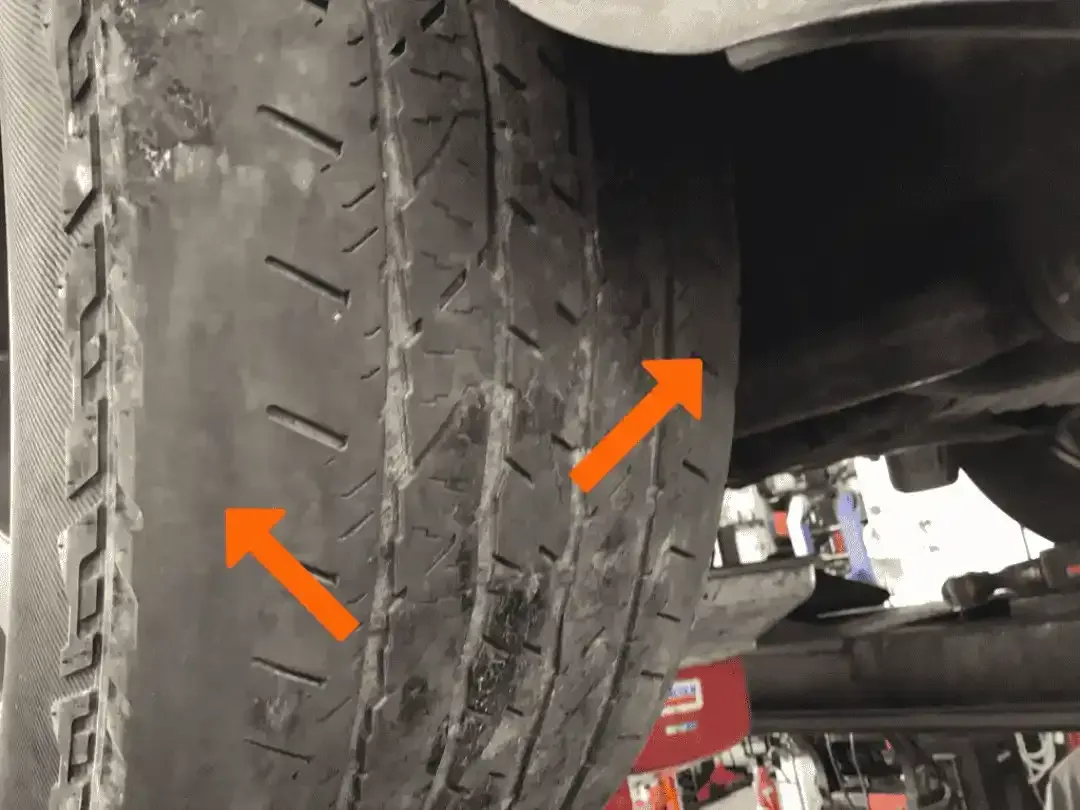
Before winter arrives in Ohio, check your tires for low tread, uneven wear, cracks, bulges and repeated air-pressure loss. Tires should have at least 2/32 inch of tread to remain...
By Sun Valley Auto Repair • August 31, 2026
You turn on your car’s A/C expecting a blast of cold air, but instead you get warm—or barely cool—air coming through the vents. What’s going on?
By Sun Valley Auto Repair • August 18, 2026
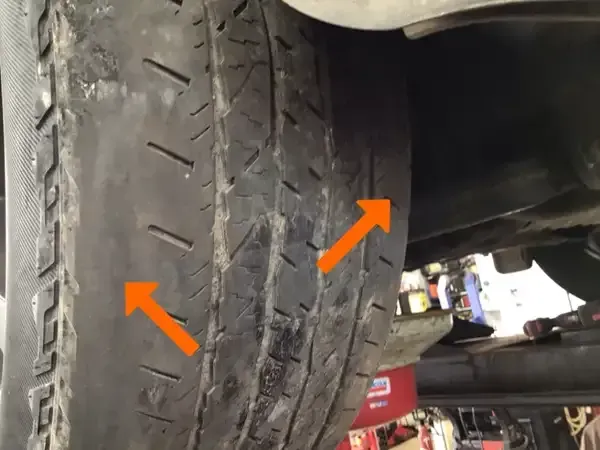
If you've noticed that one edge of your tire is wearing faster than the other, bald spots are developing, or one tire looks noticeably different from the others, your vehicle may...
By Sun Valley Auto Repair • August 12, 2026
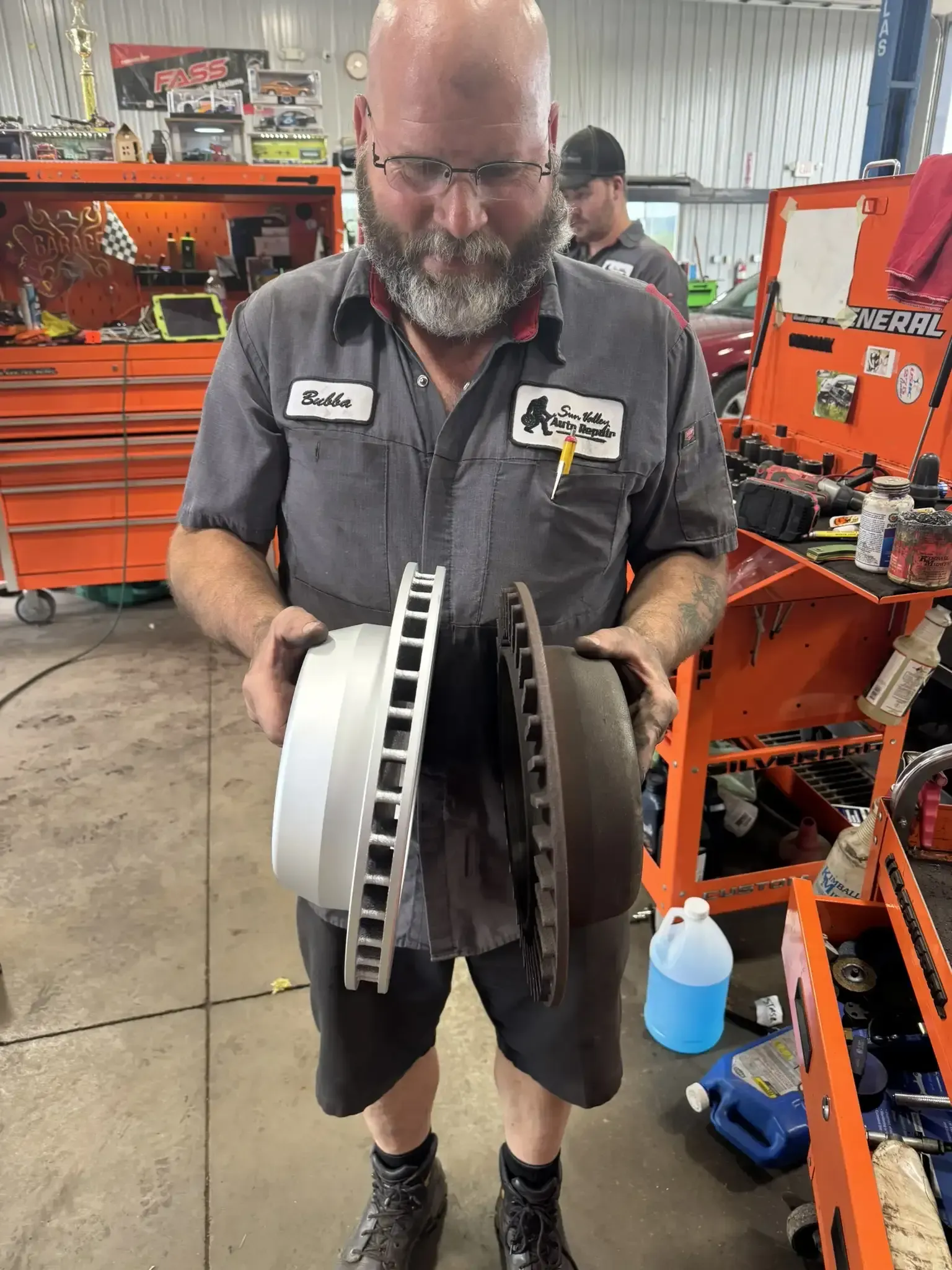
If you've started hearing a grinding noise when you press the brake pedal , don't ignore it. Grinding brakes can be caused by something as simple as surface rust, but they can...
By Sun Valley Auto Repair • July 30, 2026
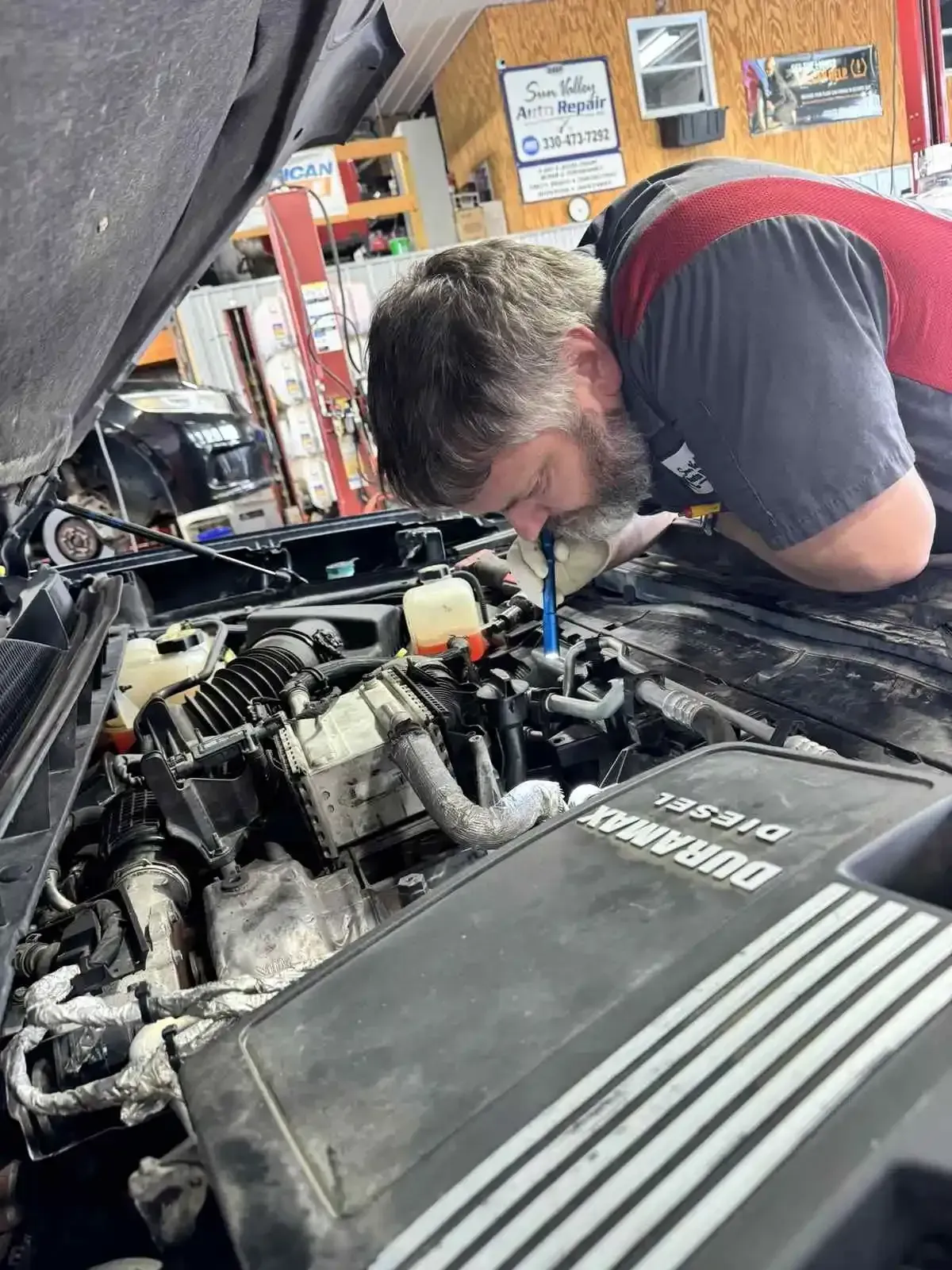
Have you ever wondered what your mechanic is actually looking at when they inspect your vehicle?
By Sun Valley Auto Repair • July 16, 2026
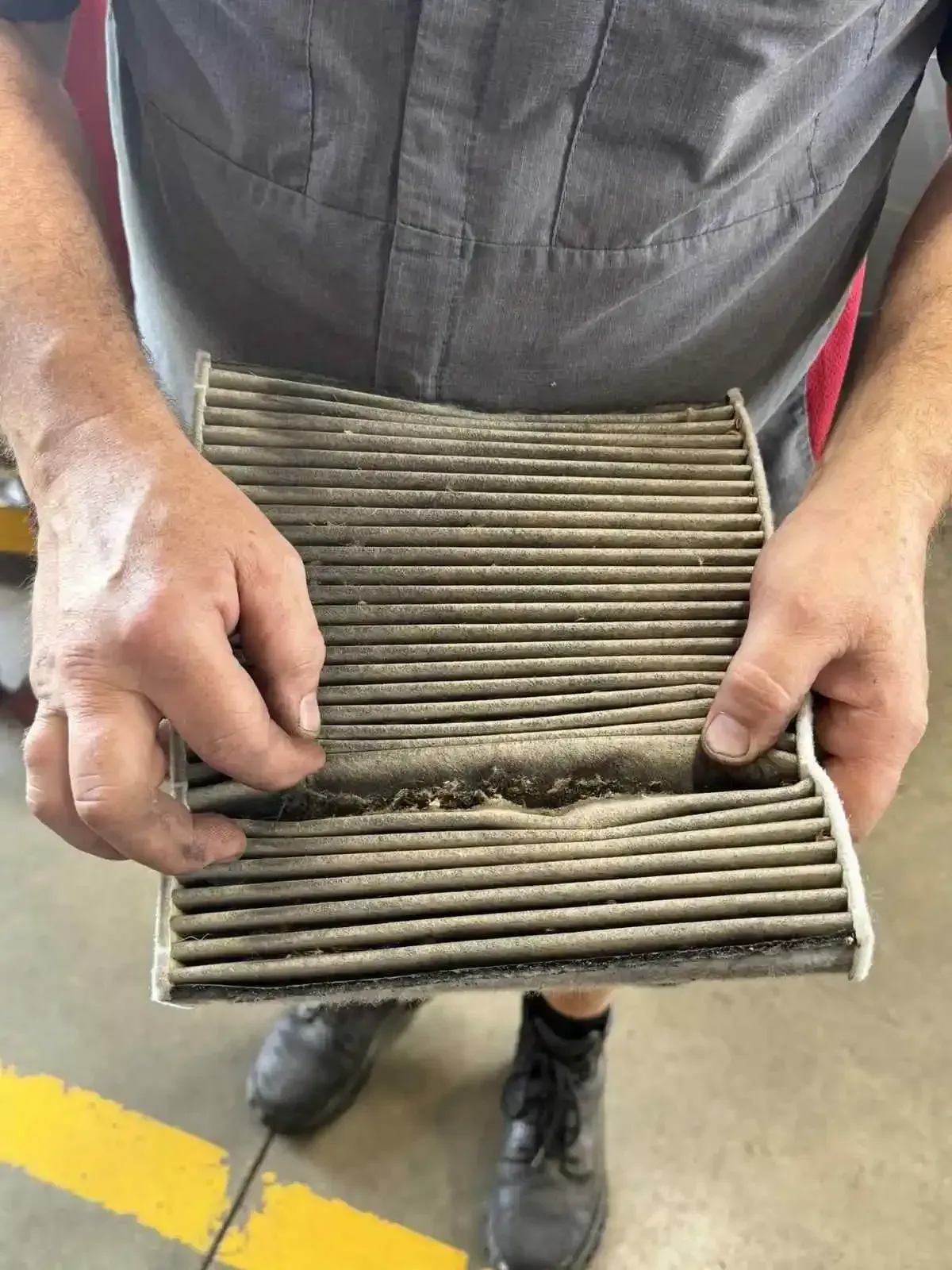
If your business depends on a work truck, van, or commercial fleet, keeping your vehicles properly maintained isn't just good practice—it's essential to protecting your bottom...
By Sun Valley Auto Repair • July 10, 2026
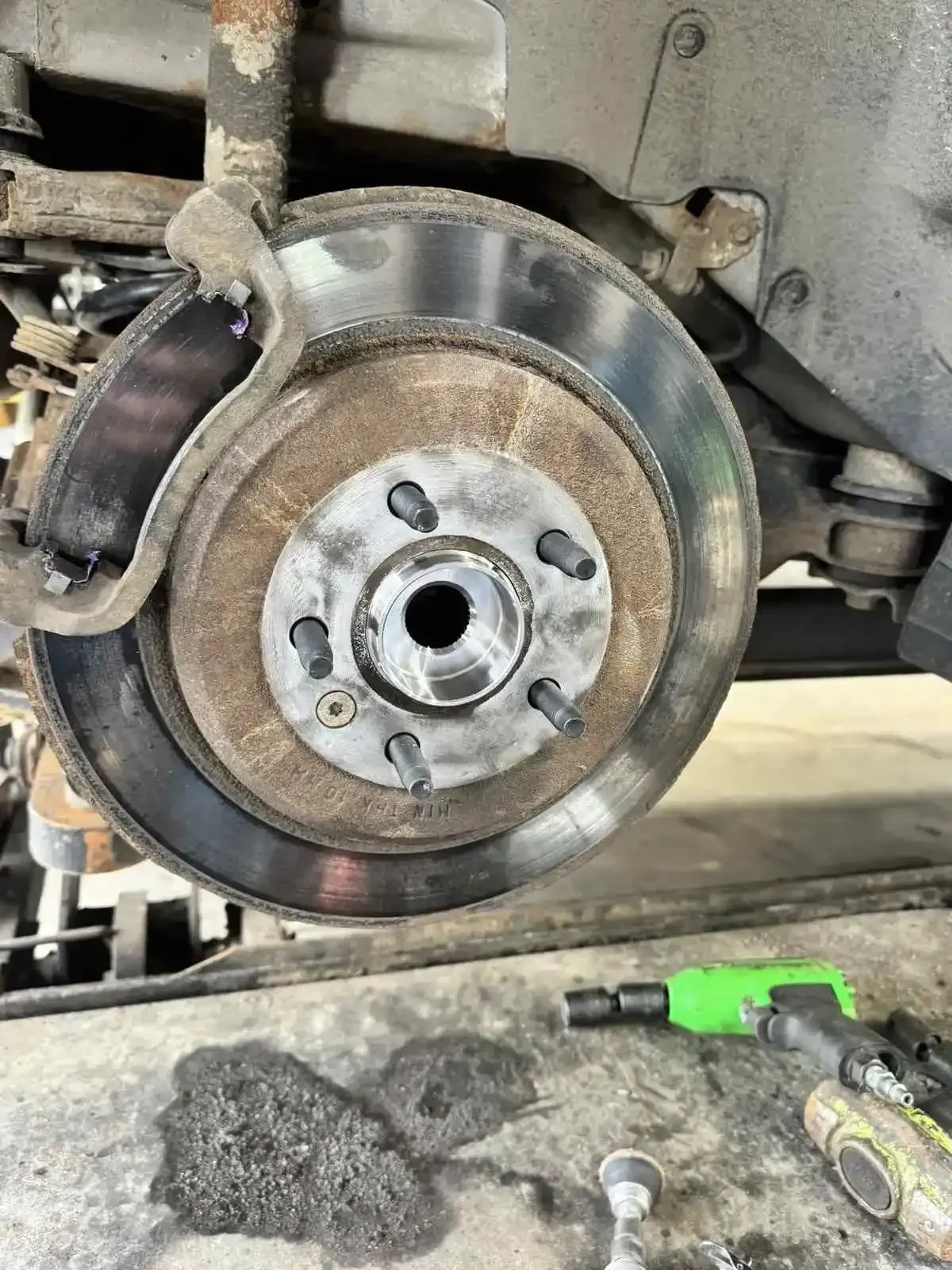
Short answer: Yes—in most cases, we recommend replacing your brake rotors and brake pads at the same time.

Show More