Clear Roads Ahead: When and Why to Replace Your Windshield Wiper Blades This Winter

January 16, 2025

Share this article

Clear Roads Ahead: When and Why to Replace Your Windshield Wiper Blades This Winter

Driving safely in Ohio’s unpredictable winter weather requires a clear windshield, and your wiper blades play a crucial role in ensuring your visibility. But how do you know when to replace them, and why is this especially important in the winter? At Sun Valley Auto Repair , we’re here to answer your questions and help you stay safe on the road.


How Often Should You Replace Your Wiper Blades?

Wiper blades naturally wear out over time, and environmental factors like sun, rain, and snow speed up the process. The general rule is to replace them every 6 to 12 months , depending on their condition and how often you use them.

Regularly inspecting your blades can prevent poor performance and ensure clear visibility.


Signs It’s Time to Replace Your Wiper Blades

If you’re not sure whether your wiper blades are due for a replacement, here are the key signs to look for:

  1. Streaking or Smearing:
    If your wipers leave streaks or smears on the windshield, the rubber is likely worn or cracked.

  2. Chattering or Squeaking:
    Noisy wipers can indicate that the blade isn’t making smooth contact with the glass, which reduces effectiveness.

  3. Visible Damage:
    Look for tears, cracks, or jagged edges in the rubber. Even minor damage can affect performance.

  4. Reduced Visibility in Rain or Snow:
    If your windshield stays unclear even with the wipers running, it’s time for a replacement.

At Sun Valley Auto Repair , we can quickly inspect your wipers and replace them if needed to keep your driving visibility clear.


Why Replacing Wiper Blades Is Essential in Winter

Winter weather presents unique challenges for windshield wipers, making them even more critical:

  • Snow and Ice Build-Up:
    Winter wipers are specifically designed to prevent snow and ice accumulation, maintaining a clear windshield.

  • Increased Precipitation:
    Between snow, sleet, and rain, winter driving requires wipers that can handle heavy use.

  • Cold Temperatures:
    Freezing weather can cause regular wipers to stiffen and crack. Winter-grade blades are made to withstand these conditions.

Replacing your wiper blades before winter hits ensures that you’re prepared for the harsh elements.


How to Maintain Wiper Blades During Winter

Want to make the most of your wiper blades? Follow these tips:

  1. Keep Them Clean:
    Use a damp cloth and washer fluid to wipe off dirt, ice, and road salt.

  2. Upgrade to Winter Wiper Blades:
    These are built with thicker rubber and a stronger frame to perform better in cold, snowy conditions.

  3. Avoid Using Wipers on Ice:
    Scrape off ice before using your wipers to prevent tearing the rubber.

  4. Use Winter Windshield Washer Fluid:
    Regular washer fluid can freeze in cold temperatures. Switch to a winter-specific formula for better performance.


FAQs About Wiper Blades and Winter Driving

Q: How often should I check my wiper blades in winter?
A: Inspect them every month for wear and tear, especially during heavy use.

Q: Can I replace wiper blades myself?
A: Yes, but if you’re unsure, our team at Sun Valley Auto Repair can handle it for you quickly and affordably.

Q: What’s the difference between regular and winter wiper blades?
A: Winter wiper blades are designed with stronger materials and a protective rubber casing to resist freezing and provide better performance in snow and ice.


Stay Safe This Winter with Sun Valley Auto Repair

At Sun Valley Auto Repair , we know that clear visibility is critical for safe driving during Ohio winters. That’s why we offer professional wiper blade inspections and replacements to keep you safe on the road.

Don’t wait until your visibility is compromised—stop by today and let us help you prepare for winter driving conditions.

?? Schedule your appointment now:
Book your wiper blade replacement online here


Stay Connected!


Recent Posts

By Sun Valley Auto Repair • October 9, 2026
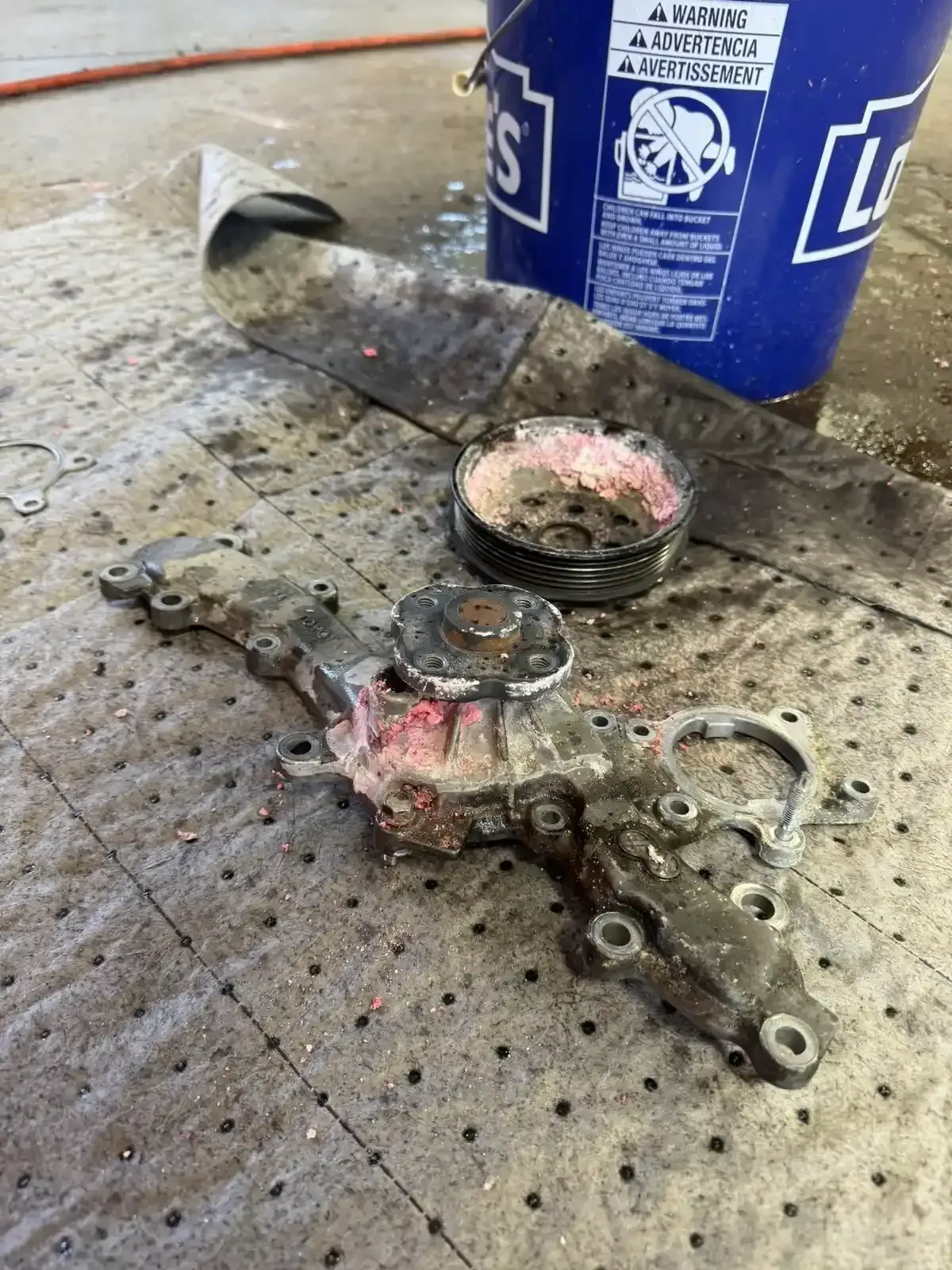
A car’s water pump can fail because of age and wear, contaminated coolant, corrosion, a damaged seal or bearing, or a problem with the belt system that drives it. When the pump...

By Sun Valley Auto Repair • October 9, 2026
There’s a new face at the front counter! Please join us in welcoming Jeff to the Sun Valley Auto Repair team.
By Sun Valley Auto Repair • October 5, 2026
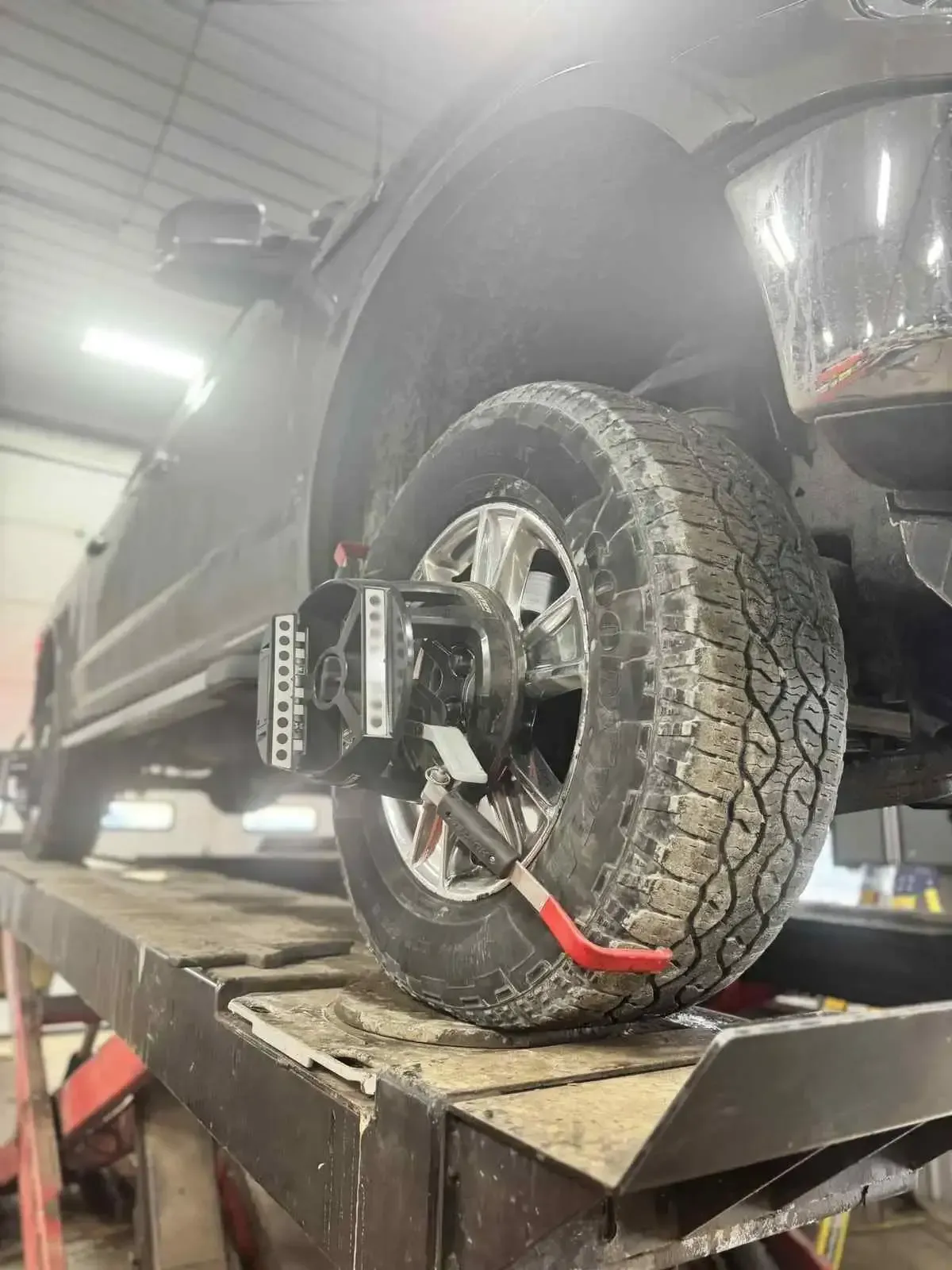
Getting new tires does not automatically mean your vehicle needs an alignment adjustment. It is, however, a good time to have the alignment checked. If your old tires wore...
By Sun Valley Auto Repair • September 28, 2026
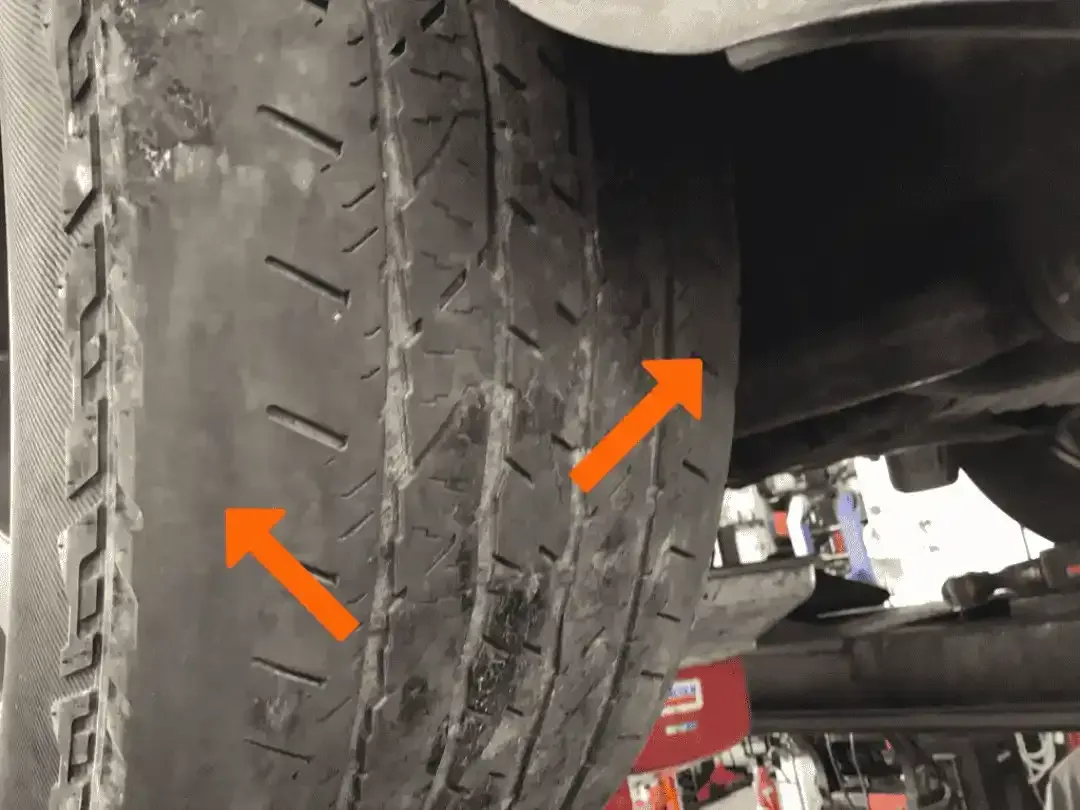
Before winter arrives in Ohio, check your tires for low tread, uneven wear, cracks, bulges and repeated air-pressure loss. Tires should have at least 2/32 inch of tread to remain...
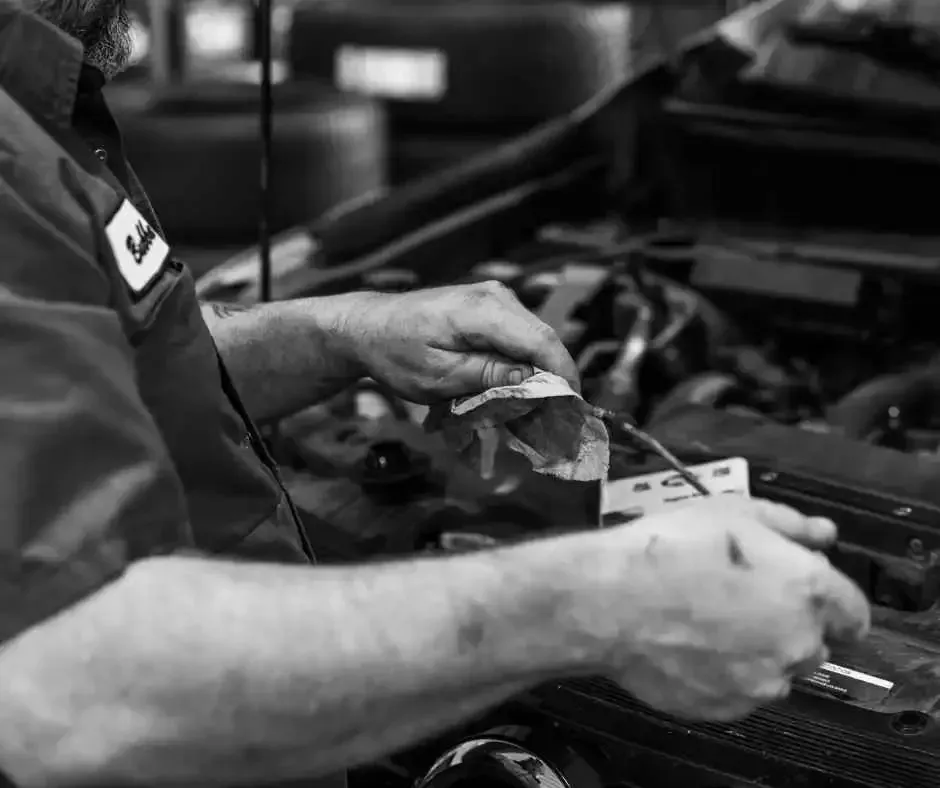
By Sun Valley Auto Repair • August 31, 2026
You turn on your car’s A/C expecting a blast of cold air, but instead you get warm—or barely cool—air coming through the vents. What’s going on?
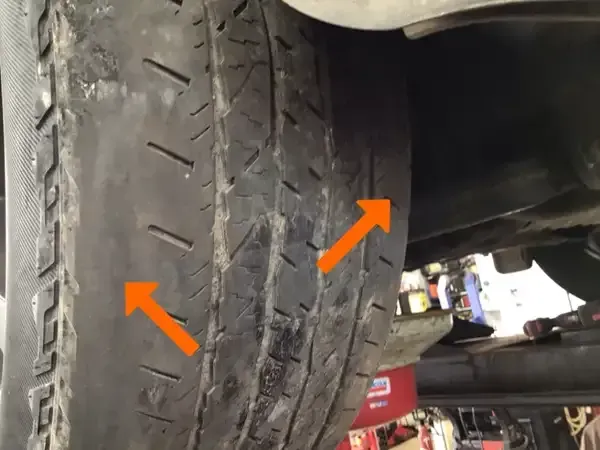
By Sun Valley Auto Repair • August 18, 2026
If you've noticed that one edge of your tire is wearing faster than the other, bald spots are developing, or one tire looks noticeably different from the others, your vehicle may...
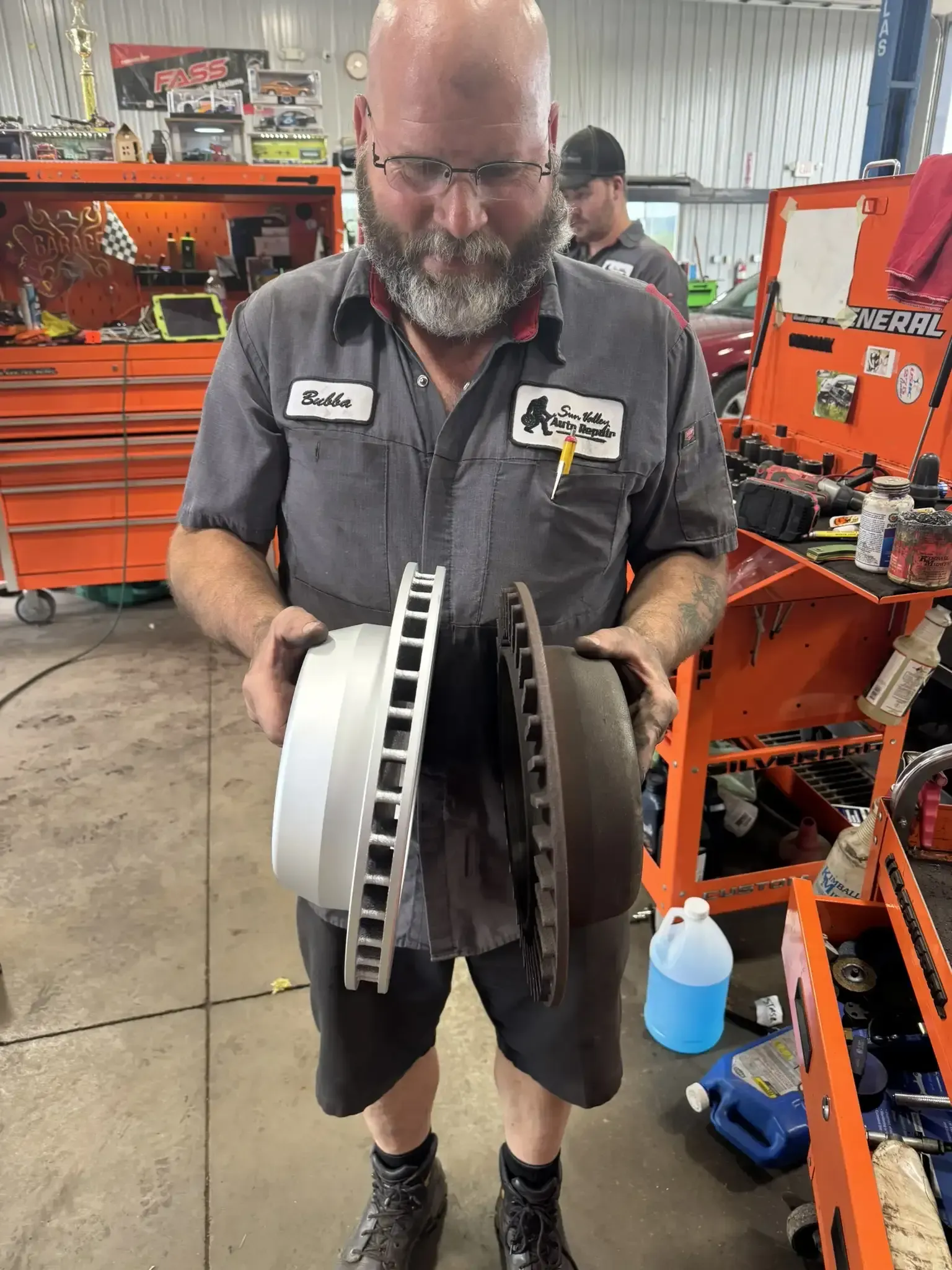
By Sun Valley Auto Repair • August 12, 2026
If you've started hearing a grinding noise when you press the brake pedal , don't ignore it. Grinding brakes can be caused by something as simple as surface rust, but they can...
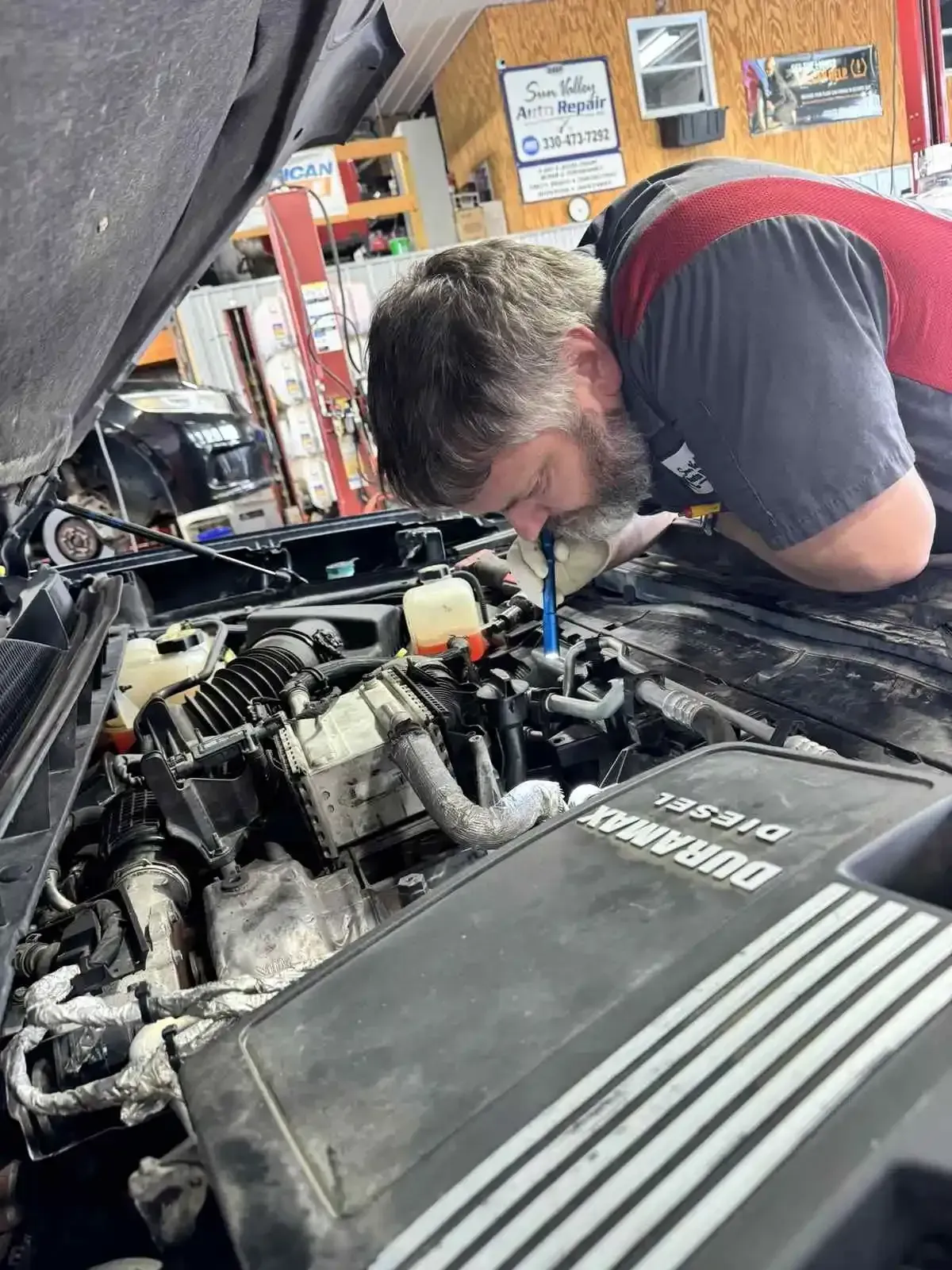
By Sun Valley Auto Repair • July 30, 2026
Have you ever wondered what your mechanic is actually looking at when they inspect your vehicle?
By Sun Valley Auto Repair • July 16, 2026
If your business depends on a work truck, van, or commercial fleet, keeping your vehicles properly maintained isn't just good practice—it's essential to protecting your bottom...
By Sun Valley Auto Repair • July 10, 2026
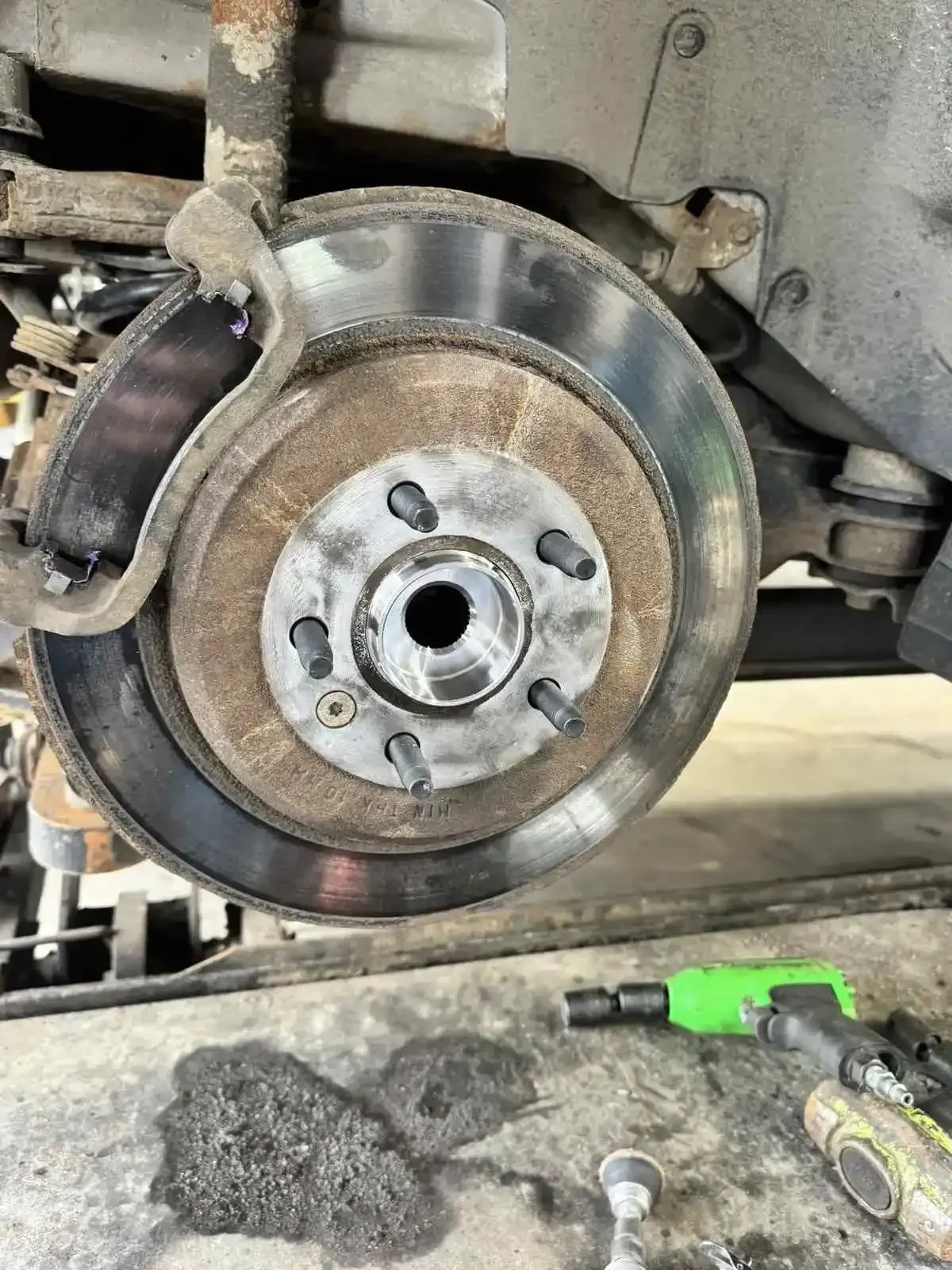
Short answer: Yes—in most cases, we recommend replacing your brake rotors and brake pads at the same time.

Show More