
How Cold Weather Affects Your Car Battery (And What You Can Do About It)

January 14, 2025

Share this article

How Cold Weather Affects Your Car Battery (And What You Can Do About It)

It’s no secret that Ohio winters can be brutal, and while you’re bundling up in layers, your car’s battery is also braving the cold. Have you ever wondered why your car struggles to start on freezing mornings or why your battery seems to give out just when you need it most? This blog dives into how cold weather impacts your car battery—and what you can do to stay ahead of the chill.


Why Does Cold Weather Drain Your Car Battery?

Cold temperatures slow down the chemical reactions inside your battery. Here’s what happens:

  1. Reduced Battery Capacity :
    At 32°F, a fully charged battery loses about 20% of its capacity. At 0°F, it can lose up to 50%. That means less power to start your car, especially when your engine oil thickens in the cold, requiring more effort to crank.

  2. Increased Power Demands :
    In winter, your car’s electrical systems—like the heater, defroster, and lights—work overtime, putting extra strain on your battery.

  3. Corrosion and Wear :
    Cold weather can worsen existing corrosion on battery terminals, further reducing power delivery.


Signs Your Battery Might Be Failing

Cold weather has a way of exposing a weak battery. Watch for these common warning signs:

  • Slow engine cranking when starting your car.

  • Dimming headlights or dashboard lights.

  • A "clicking" sound when you turn the key.

  • A battery that’s more than 3-5 years old.

If you’re experiencing any of these symptoms, don’t wait until you’re stuck in the cold—get your battery tested!


What You Can Do to Protect Your Battery in Winter

The good news? There are simple steps you can take to keep your battery performing well during winter:

  1. Test Your Battery Regularly
    A quick battery test can tell you if it’s holding a charge. At Sun Valley Auto Repair, we offer complimentary battery checks to make sure you’re not caught off guard.

  2. Keep the Terminals Clean
    Corrosion buildup can interrupt the flow of electricity. Clean the terminals with a mix of baking soda and water, and tighten the connections.

  3. Park Indoors or Use a Battery Blanket
    If possible, park in a garage to keep your car warmer. If that’s not an option, a battery warmer can help maintain a stable temperature.

  4. Limit Electrical Usage
    Turn off non-essential electronics like heated seats and the defroster once your car is warmed up to reduce battery strain.

  5. Invest in a New Battery if Needed
    If your battery is nearing the end of its life, replace it before winter hits. A fresh battery with higher cold-cranking amps (CCA) can handle freezing temperatures better.


Frequently Asked Questions About Cold Weather and Car Batteries

Here are answers to some of the most common questions we hear from drivers:

Q: How often should I test my car battery in winter?
A: Test it monthly during extreme cold, or if you notice slow starts or dimming lights.

Q: What’s the best battery for cold weather?
A: Look for a battery with high cold-cranking amps (CCA). This rating measures the battery’s ability to start in freezing temperatures.

Q: Can I jump-start my car in freezing weather?
A: Yes, but ensure you follow safety guidelines. If your battery frequently needs jump-starting, it’s time for a replacement.

Q: How long does a car battery last?
A: On average, 3-5 years. Extreme temperatures and lack of maintenance can shorten its lifespan.

Q: Should I let my car warm up in the winter?
A: While warming up your engine is important, it doesn’t directly affect your battery. However, idling for too long can drain the battery if it’s already weak.


Stay Ahead of Winter with Sun Valley Auto Repair

Don’t let a dead battery leave you out in the cold. Our team at Sun Valley Auto Repair is here to help with:

  • Free battery testing.

  • Battery replacements with options for high CCA ratings.

  • Winter vehicle inspections to keep you safe all season long.

?? Schedule your battery check today and drive with confidence, no matter the temperature!

Stay Connected!

Recent Posts

By Sun Valley Auto Repair • October 9, 2026
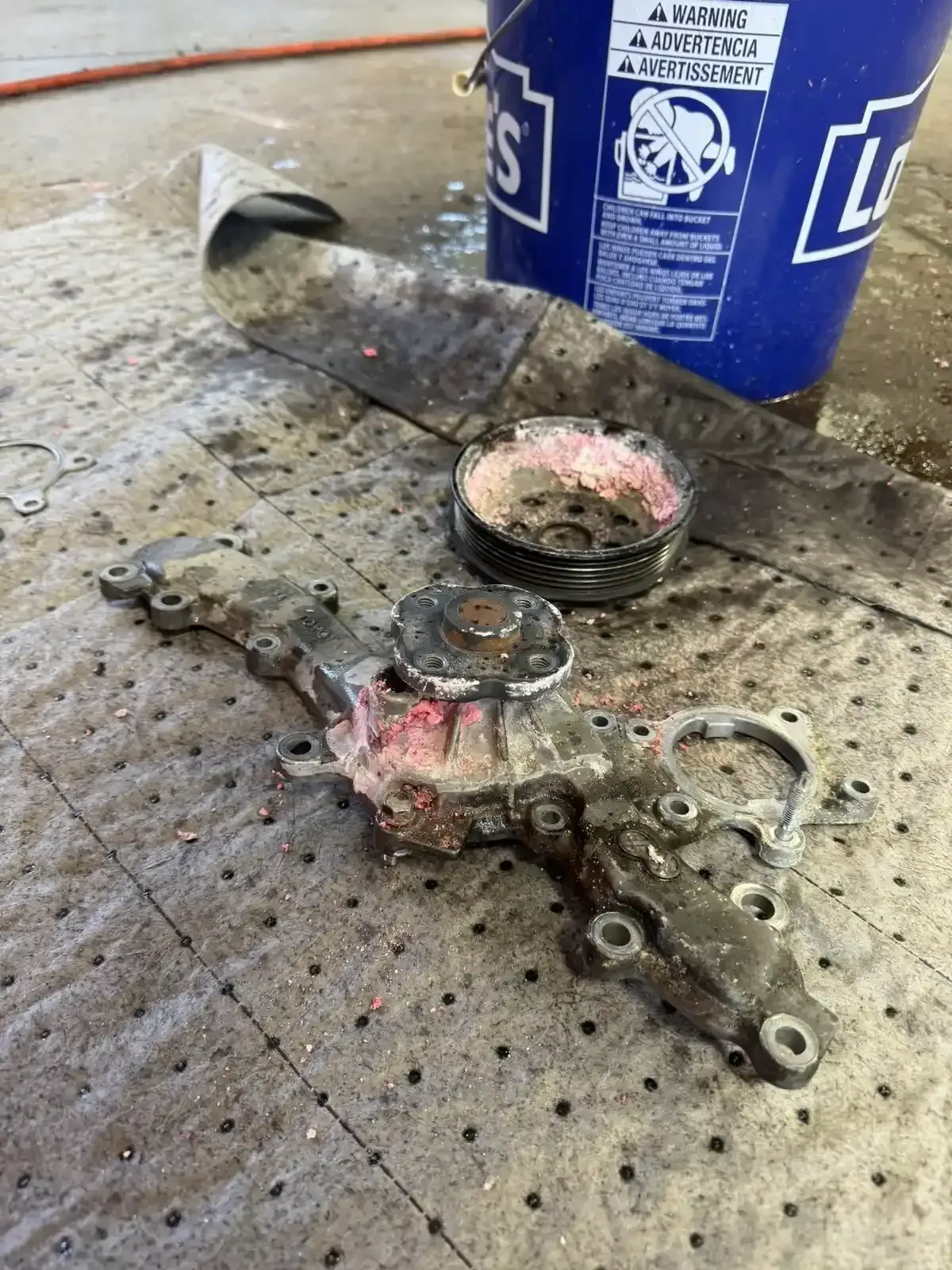
A car’s water pump can fail because of age and wear, contaminated coolant, corrosion, a damaged seal or bearing, or a problem with the belt system that drives it. When the pump...

By Sun Valley Auto Repair • October 9, 2026
There’s a new face at the front counter! Please join us in welcoming Jeff to the Sun Valley Auto Repair team.
By Sun Valley Auto Repair • October 5, 2026
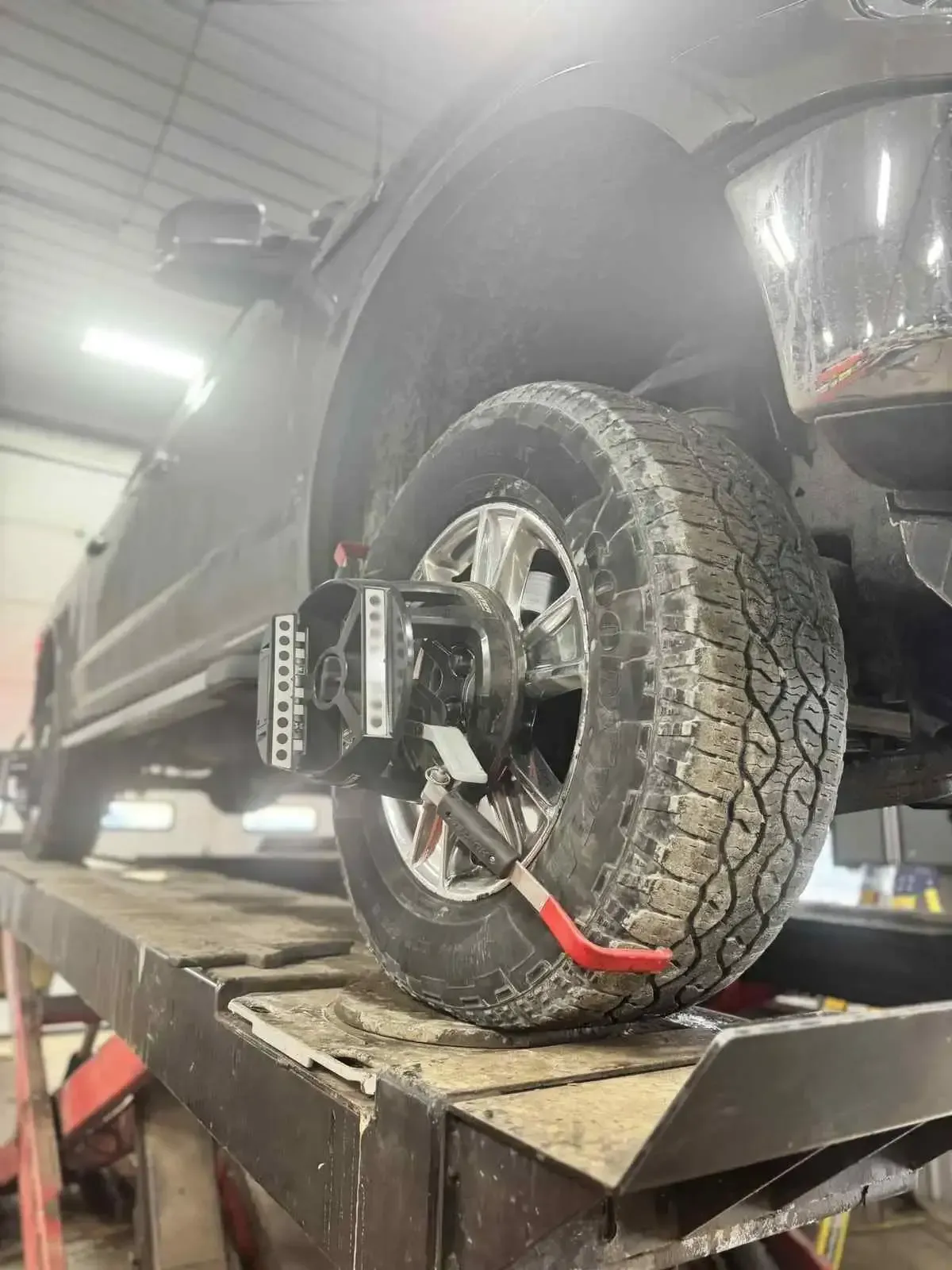
Getting new tires does not automatically mean your vehicle needs an alignment adjustment. It is, however, a good time to have the alignment checked. If your old tires wore...
By Sun Valley Auto Repair • September 28, 2026
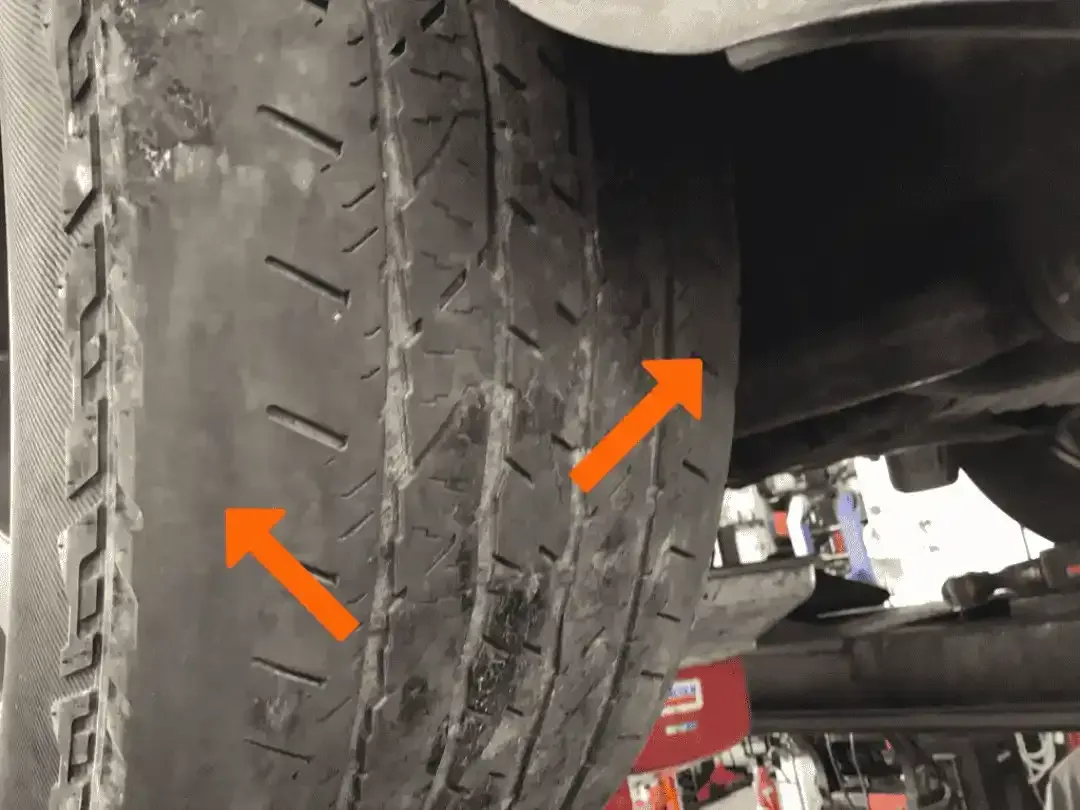
Before winter arrives in Ohio, check your tires for low tread, uneven wear, cracks, bulges and repeated air-pressure loss. Tires should have at least 2/32 inch of tread to remain...
By Sun Valley Auto Repair • August 31, 2026
You turn on your car’s A/C expecting a blast of cold air, but instead you get warm—or barely cool—air coming through the vents. What’s going on?
By Sun Valley Auto Repair • August 18, 2026
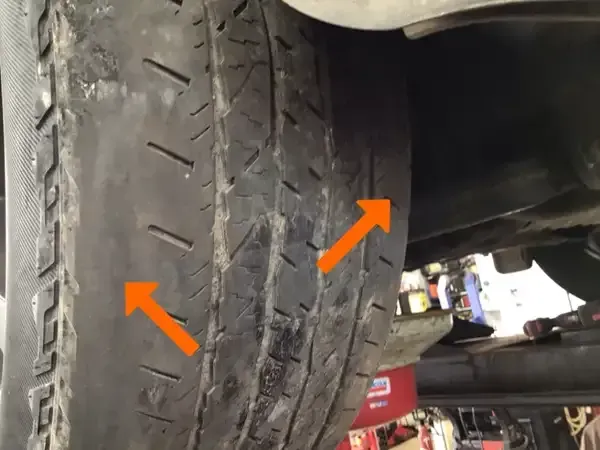
If you've noticed that one edge of your tire is wearing faster than the other, bald spots are developing, or one tire looks noticeably different from the others, your vehicle may...
By Sun Valley Auto Repair • August 12, 2026
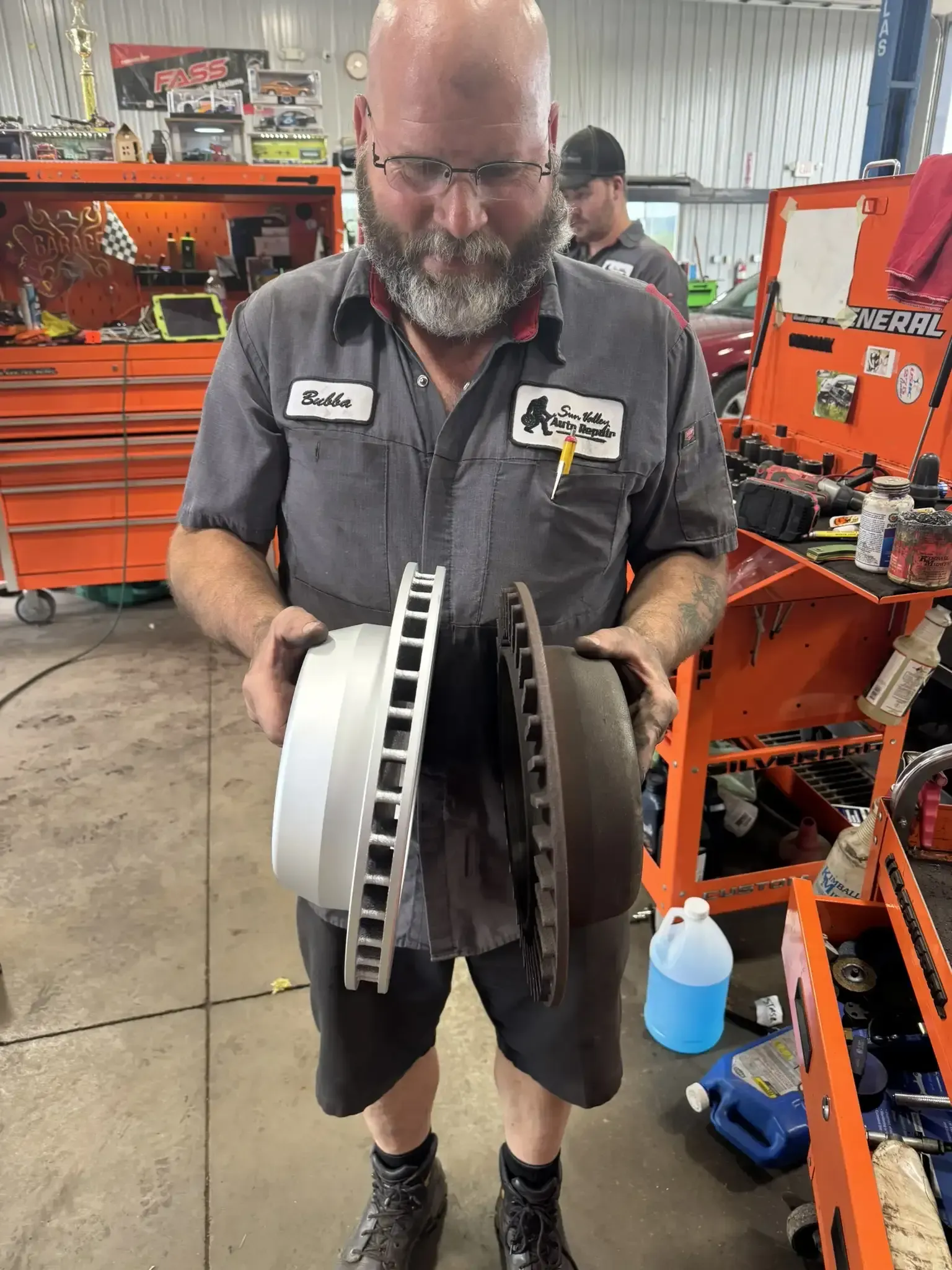
If you've started hearing a grinding noise when you press the brake pedal , don't ignore it. Grinding brakes can be caused by something as simple as surface rust, but they can...
By Sun Valley Auto Repair • July 30, 2026
Have you ever wondered what your mechanic is actually looking at when they inspect your vehicle?
By Sun Valley Auto Repair • July 16, 2026
If your business depends on a work truck, van, or commercial fleet, keeping your vehicles properly maintained isn't just good practice—it's essential to protecting your bottom...
By Sun Valley Auto Repair • July 10, 2026
Short answer: Yes—in most cases, we recommend replacing your brake rotors and brake pads at the same time.

Show More