How Often Should You Warm Up Your Car in Winter? What Ohio Drivers Need to Know

Sun Valley Auto Repair • December 11, 2025

Share this article

Warming up your car in an Ohio winter feels like a seasonal ritual. The frost hits, the dashboard lights glow a little slower, and everyone has an opinion about how long you should let your engine idle before heading out. Some swear by ten minutes. Others say “start it and go.” Modern engines make the answer simpler, and knowing the right amount of warm-up time can protect your engine, save fuel, and prevent unnecessary wear during freezing temperatures.

Do You Really Need To Warm Up Your Car in Cold Weather?

Older vehicles with carburetors needed several minutes of warm-up time to run properly. Today’s fuel-injected engines are designed to adjust quickly to cold conditions, which means they don’t need nearly as much idling as most drivers think. In most cases, your vehicle only needs thirty seconds to about two minutes of warm-up time before it is ready to be driven gently. That short window allows engine oil to circulate, sensors to calibrate, and internal components to begin moving the way they should.

Why a Short Warm-Up Helps in an Ohio Winter

Even though your vehicle doesn’t need a long warm-up, the cold does affect how oil, rubber, and metal behave. Oil is thicker at low temperatures and needs a moment to flow through the engine. Rubber components stiffen and become less flexible until they heat up. Metal parts contract, creating extra resistance until everything reaches normal operating temperature. Giving your engine a brief moment before you drive helps reduce strain—especially on frigid mornings.

What warming up will not fix is frozen wiper blades or thick layers of ice on your windshield. Those still require old-fashioned scraping power… something Glenn the Sasquatch learns every winter.

How Long Should You Warm Up Your Car in Ohio?

For most winter days, one to three minutes is the ideal warm-up window. If the temperature is well below zero or your vehicle has been sitting for an extended period, allowing it up to five minutes can be helpful, but anything beyond that wastes fuel and increases carbon buildup inside your engine. Remote start is a great comfort feature, but it does not mean your engine needs ten minutes of idling before driving. Your toes may want that, but your engine doesn’t.

When a Longer Warm-Up Might Be Necessary

Some situations call for a bit more patience. If your engine oil hasn’t been changed in a long time, the oil may be thicker and slower to circulate. A weak or aging battery can struggle during very cold mornings and may benefit from a few extra moments of idle time. If your windshield is heavily frosted or iced over, your defroster may need a minute to help clear it enough for safe visibility. Frozen doors or stiff seals can also make getting on the road slower than usual. In those moments, a slightly longer warm-up helps, but ongoing issues like hard starts or sluggish performance are signs your vehicle needs a winter check-up.

FAQs: Winter Warm-Up Questions Ohio Drivers Ask

How long should I warm up my car in cold weather?
Most modern engines only require one to three minutes of warm-up time during winter.

Is idling my vehicle for ten minutes bad for it?
Excessive idling can cause carbon buildup, waste fuel, and create unnecessary wear on the engine.

Does warming up my car protect the engine?
A short warm-up helps, but regular maintenance—especially oil changes and battery checks—has a greater impact on long-term engine health.

Will warming up my vehicle melt ice faster?
It helps a little, but scraping is still the fastest and safest way to clear your windshield.

Why does my car still feel sluggish after warming up?
Cold tires, thick fluids, and icy brake components all need movement before they perform normally. The first few minutes of driving gently help everything settle in.


Our Mission: Driving Trust, Setting Standards, Your Road Our Promise

At Sun Valley Auto Repair, we're passionate about exceeding expectations.  Our commitment to transparency through digital inspections aligns perfectly with our mission statement: driving trust by being honest and upfront about your vehicle's needs.  We set standards for excellence in auto repair, ensuring your car receives the highest quality care.  Ultimately, your road is our promise .  We're dedicated to keeping you moving safely and confidently for miles to come.

Ready to give your engine the TLC it deserves?   Schedule your next service appointment with Sun Valley Auto Repair today!   We look forward to keeping your car happy and healthy for miles to come.

Stay Connected!

Like us on Facebook

Follow us on Instagram

Learn More About Us

Join Our Team

Subscribe to our Youtube Channel

Recent Posts

By Sun Valley Auto Repair • October 9, 2026
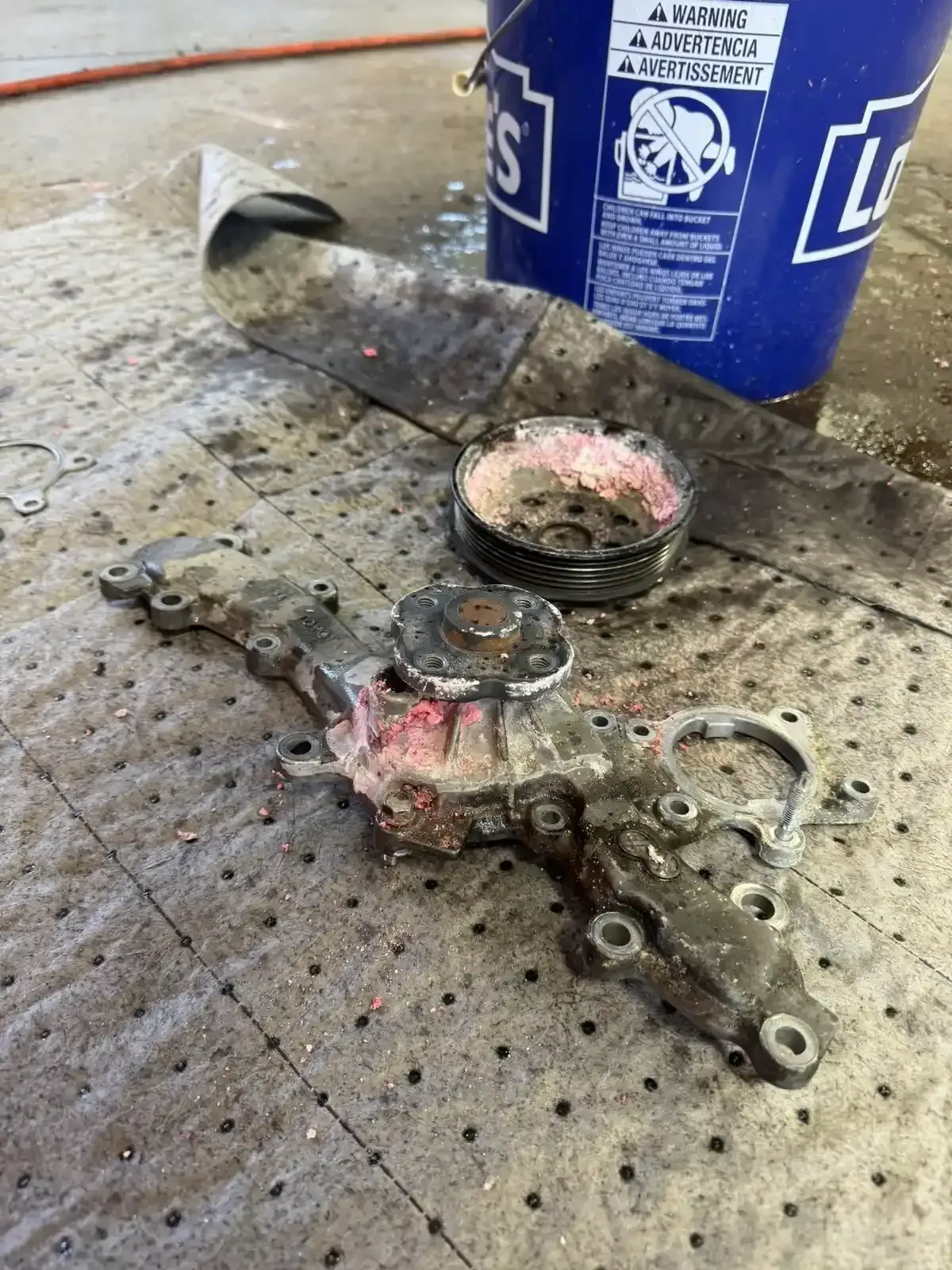
A car’s water pump can fail because of age and wear, contaminated coolant, corrosion, a damaged seal or bearing, or a problem with the belt system that drives it. When the pump...
By Sun Valley Auto Repair • October 9, 2026
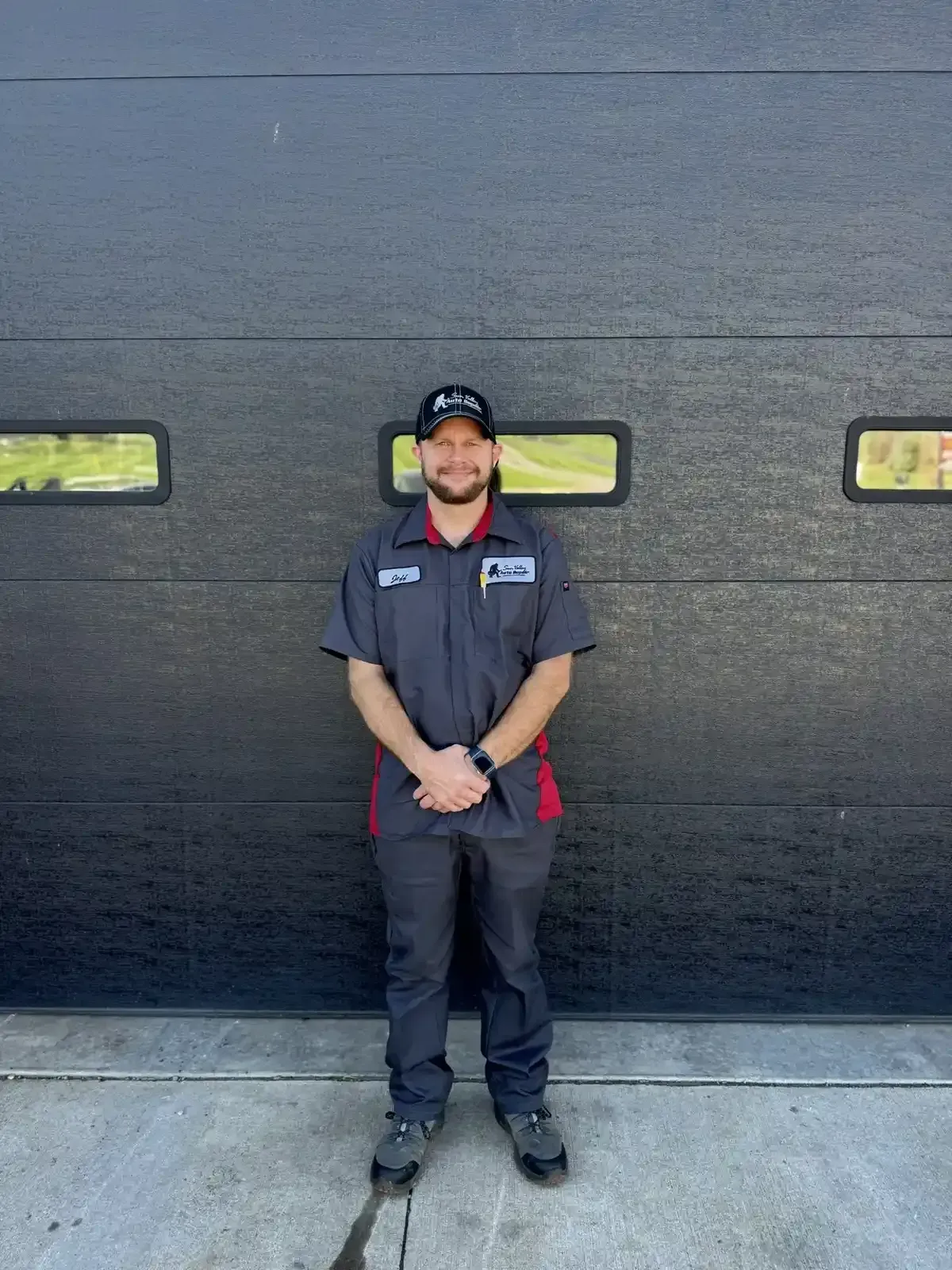
There’s a new face at the front counter! Please join us in welcoming Jeff to the Sun Valley Auto Repair team.
By Sun Valley Auto Repair • October 5, 2026
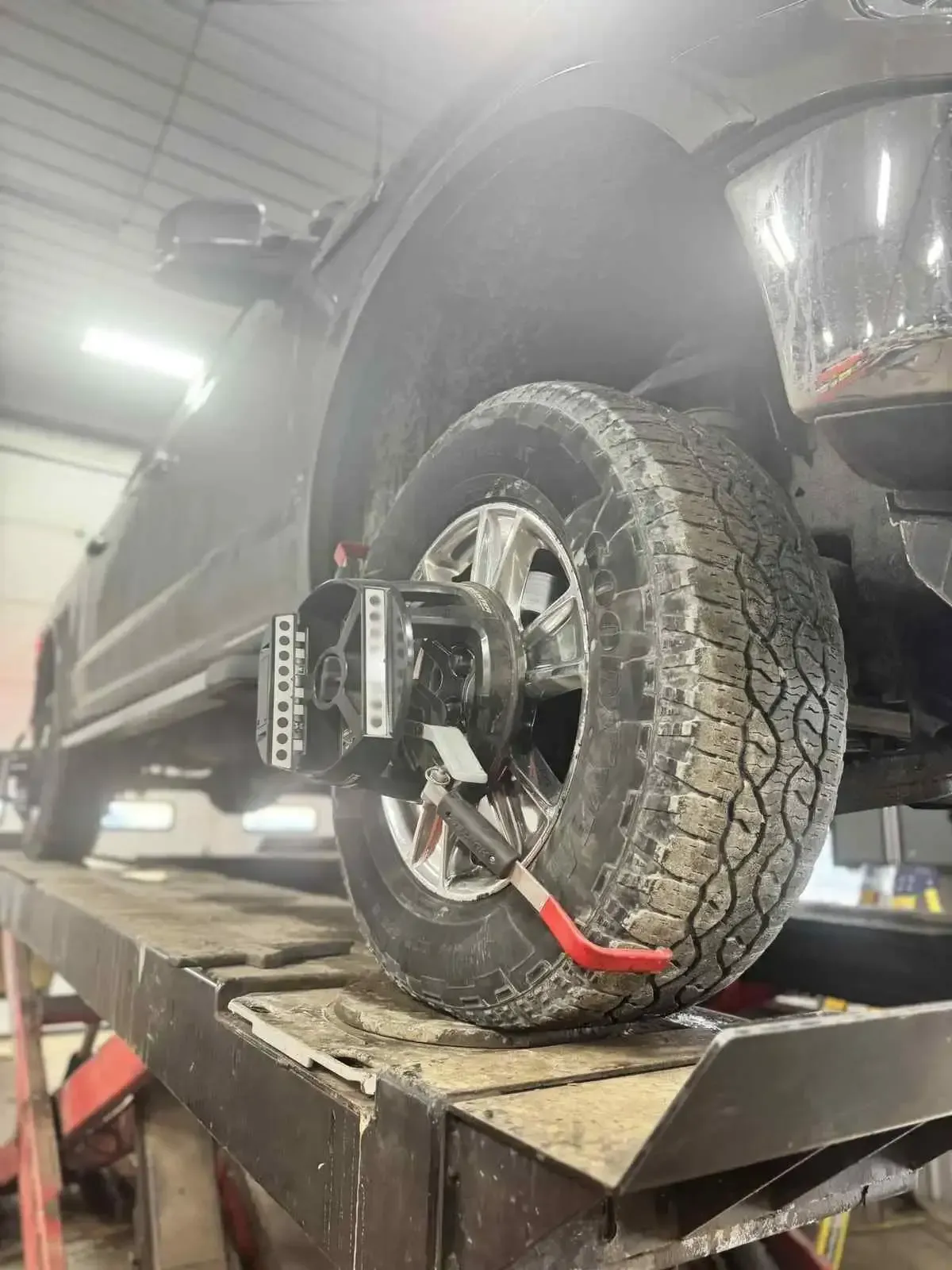
Getting new tires does not automatically mean your vehicle needs an alignment adjustment. It is, however, a good time to have the alignment checked. If your old tires wore...
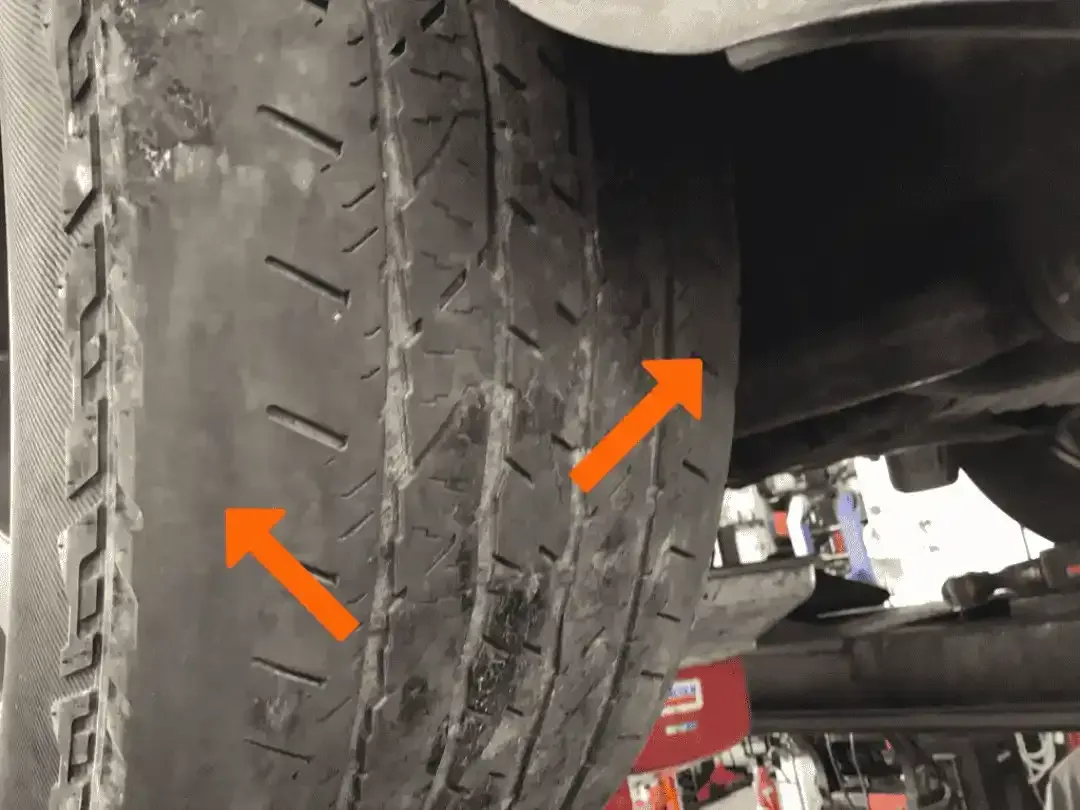
By Sun Valley Auto Repair • September 28, 2026
Before winter arrives in Ohio, check your tires for low tread, uneven wear, cracks, bulges and repeated air-pressure loss. Tires should have at least 2/32 inch of tread to remain...
By Sun Valley Auto Repair • August 31, 2026
You turn on your car’s A/C expecting a blast of cold air, but instead you get warm—or barely cool—air coming through the vents. What’s going on?
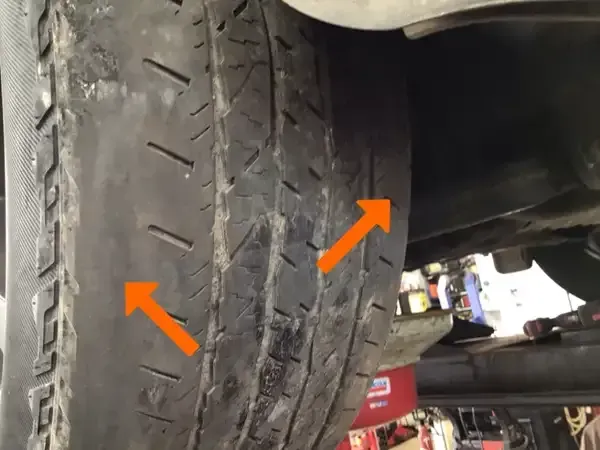
By Sun Valley Auto Repair • August 18, 2026
If you've noticed that one edge of your tire is wearing faster than the other, bald spots are developing, or one tire looks noticeably different from the others, your vehicle may...
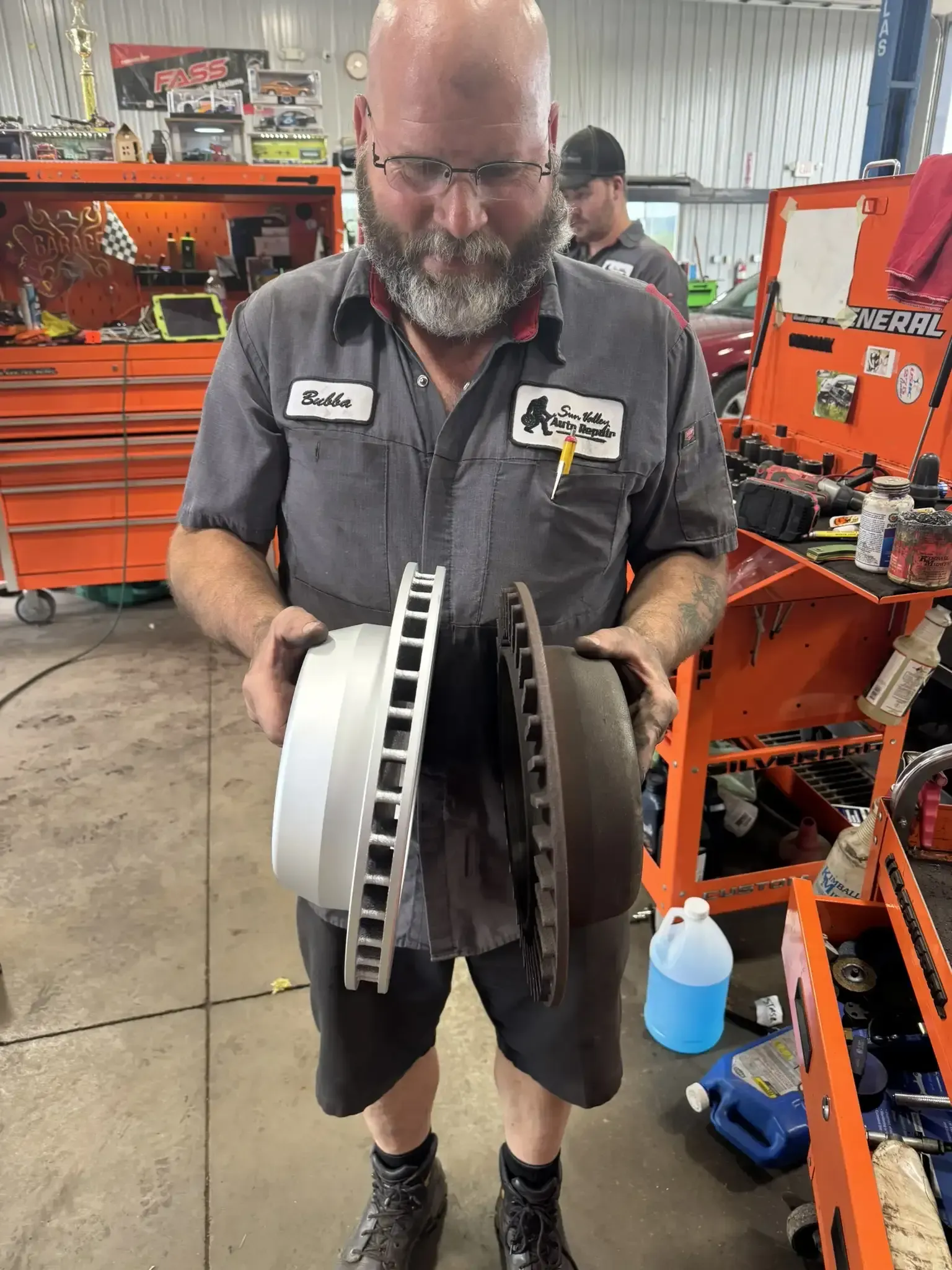
By Sun Valley Auto Repair • August 12, 2026
If you've started hearing a grinding noise when you press the brake pedal , don't ignore it. Grinding brakes can be caused by something as simple as surface rust, but they can...
By Sun Valley Auto Repair • July 30, 2026
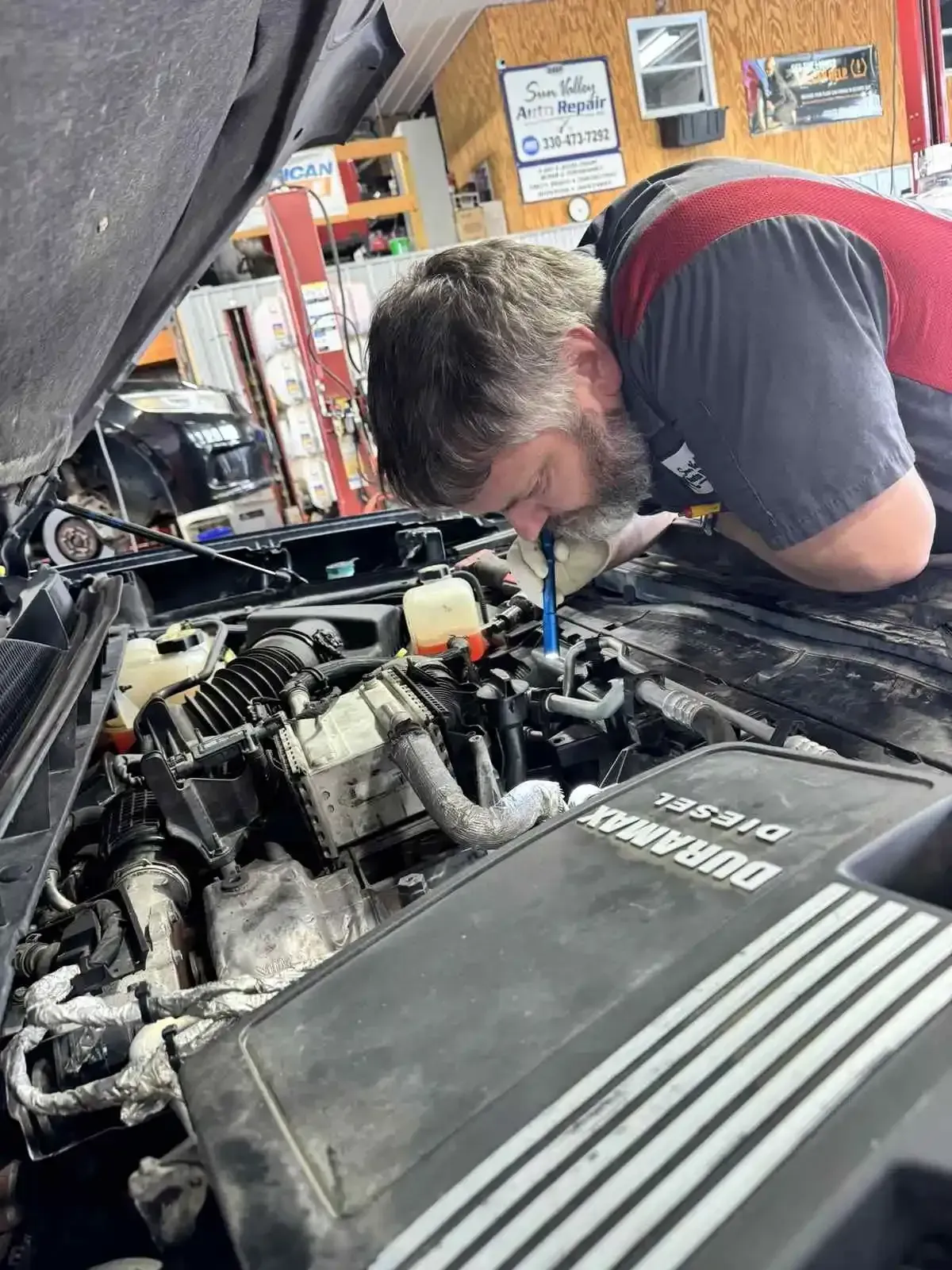
Have you ever wondered what your mechanic is actually looking at when they inspect your vehicle?
By Sun Valley Auto Repair • July 16, 2026
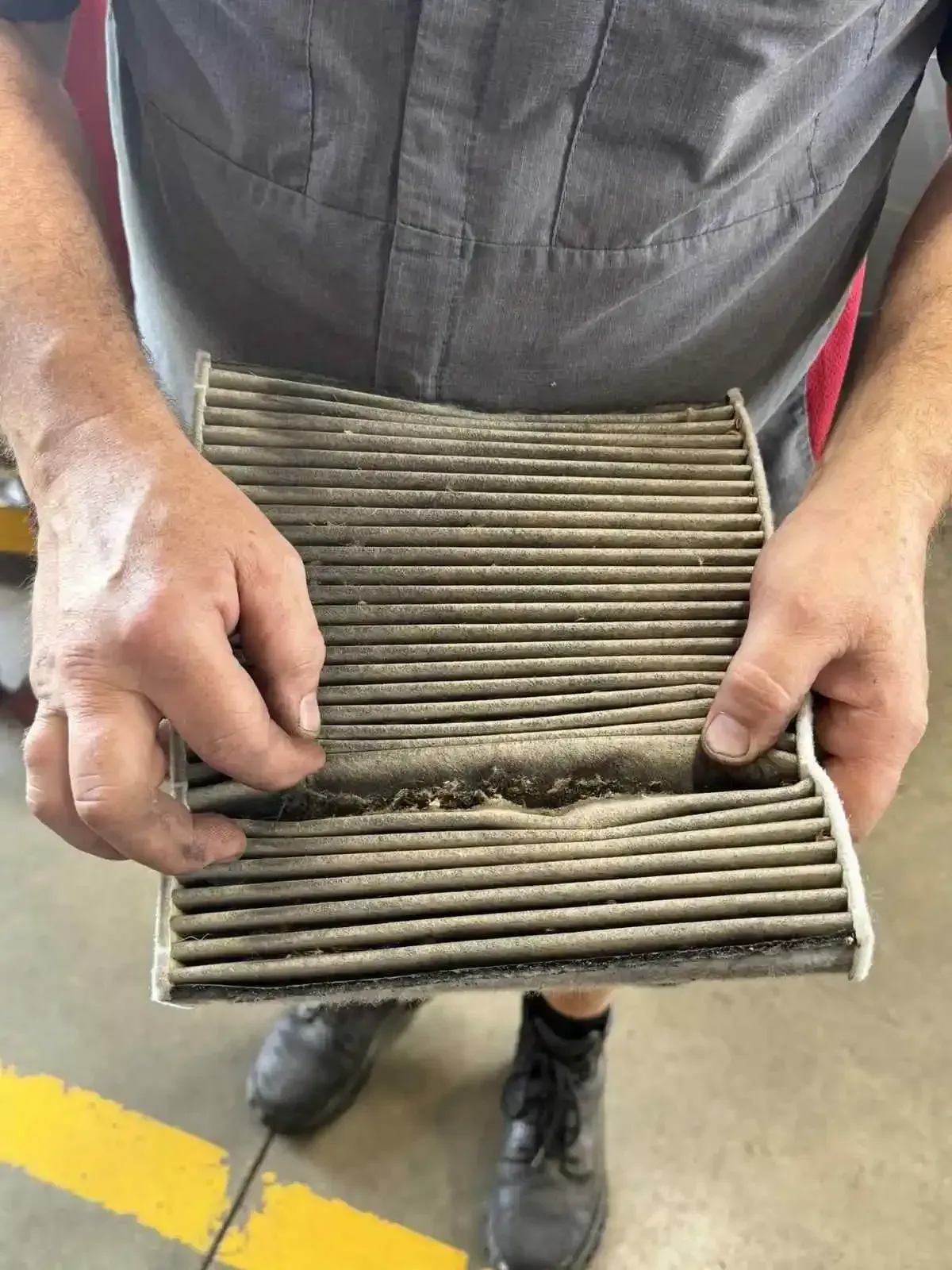
If your business depends on a work truck, van, or commercial fleet, keeping your vehicles properly maintained isn't just good practice—it's essential to protecting your bottom...
By Sun Valley Auto Repair • July 10, 2026
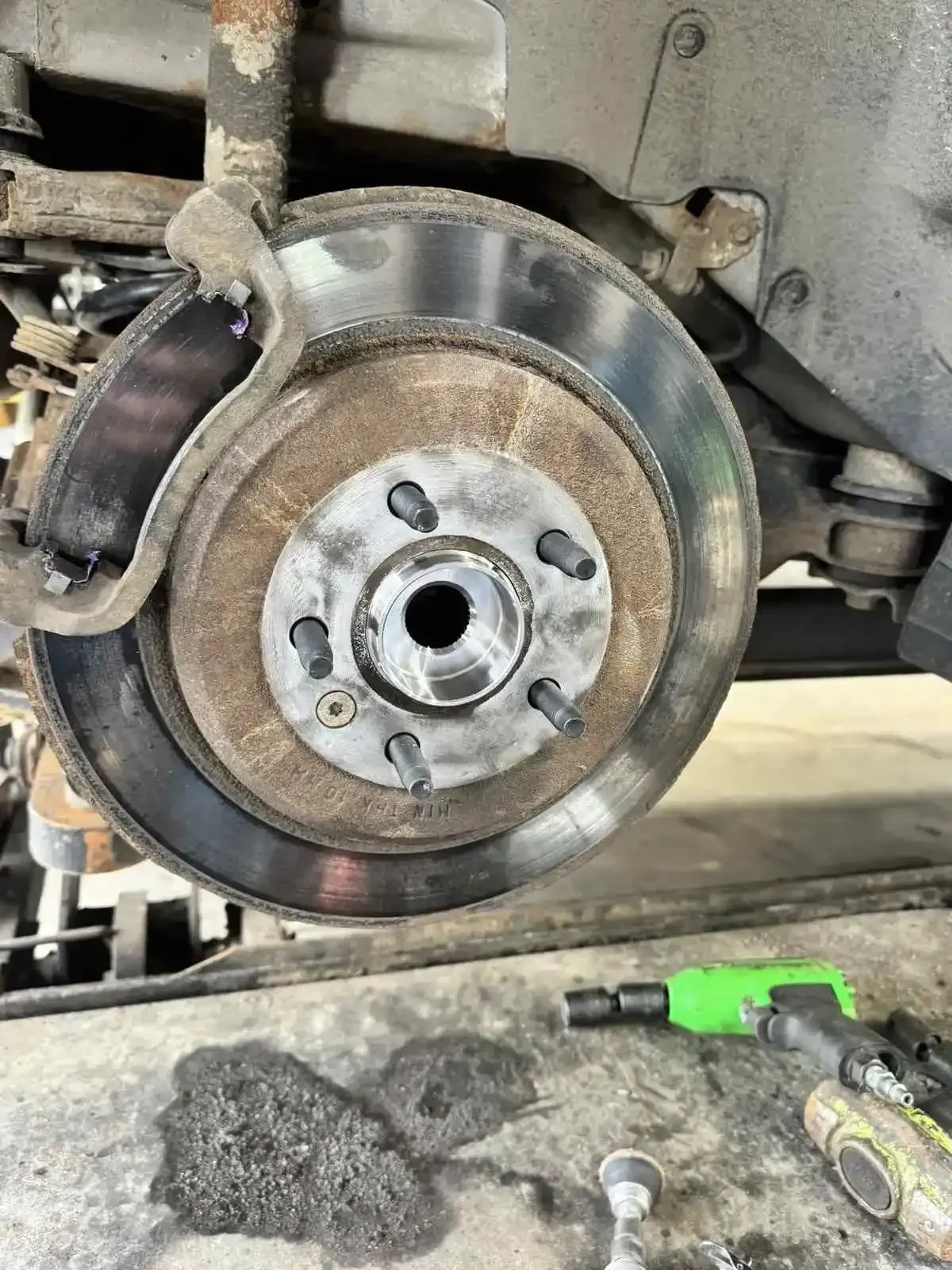
Short answer: Yes—in most cases, we recommend replacing your brake rotors and brake pads at the same time.

Show More