Why Your Car Makes Weird Noises in Cold Weather (And When to Worry)

Sun Valley Auto Repair • December 9, 2025

Share this article

Winter in Ohio brings snow, ice, and the occasional “why does my car sound like a dying goose?” moment. If your vehicle starts making strange noises once the temperatures drop, you’re not alone. Cold weather affects everything from rubber to metal to fluids — and your car will tell you when it’s not happy.

Here’s what those sounds actually mean and how to know when it’s time to let our team at Sun Valley Auto Repair take a look.

Why Cars Make More Noise in the Winter

Cold weather stiffens belts

When temperatures plummet, rubber belts lose flexibility. This leads to:

High-pitched squealing
Chirping when you start the engine
Squeaks that go away as the car warms up

This is usually a belt on its way out — a warning you don’t want to ignore.

Thickened fluids create groaning sounds

Engine oil, transmission fluid, and power steering fluid thicken in freezing temps. Thicker fluids move slower, which may cause:

Groaning when turning the wheel
Rougher shifting
A louder engine on cold start

If the noise continues after the car warms up, it’s time for a check.

Cold brakes can be loud (and dramatic)

Moisture + freezing temps = icy brake components. This can lead to:

Grinding or scraping first thing in the morning
Squeaks that quiet down after a few stops

But if the grinding doesn’t go away? That’s a more serious issue.

Suspension noises increase in winter

Cold metal contracts and rubber bushings harden. This may cause:

Clunking over bumps
Creaks when turning
Rattles on rough roads

Winter magnifies suspension problems that were already developing.

When to Worry (And When It’s Normal)

Some winter noises are harmless. Others are your car’s version of waving a little red flag.

You shouldn’t worry if:

The noise goes away after a few minutes of driving
Your car behaves normally otherwise
It's a quick squeak on cold start

You should call Sun Valley Auto Repair if:

The noise continues after warm-up
The sound is new and getting worse
You hear grinding, knocking, or rhythmic thumping
The car feels different while driving

If something doesn’t sound right… it probably isn’t. And ignoring it can turn a simple fix into a major repair.

FAQs for Ohio Drivers

Why does my car squeal when I start it in the cold?
Usually a worn or loose belt reacting to low temperatures.

Is it safe to drive my car if it's making noise in cold weather?
If the noise goes away quickly, it’s often fine. If it continues, have us check it.

Does cold weather cause long-term damage?
Cold itself doesn’t — but the strain from stiff belts, thick fluids, and brittle parts can.

Can I prevent winter noises?
Yes! Regular maintenance, fluid checks, and timely belt replacement help keep things quiet.

Our Mission: Driving Trust, Setting Standards, Your Road Our Promise

At Sun Valley Auto Repair, we're passionate about exceeding expectations.  Our commitment to transparency through digital inspections aligns perfectly with our mission statement: driving trust by being honest and upfront about your vehicle's needs.  We set standards for excellence in auto repair, ensuring your car receives the highest quality care.  Ultimately, your road is our promise .  We're dedicated to keeping you moving safely and confidently for miles to come.

Ready to give your engine the TLC it deserves?   Schedule your next service appointment with Sun Valley Auto Repair today!   We look forward to keeping your car happy and healthy for miles to come.

Stay Connected!

Like us on Facebook

Follow us on Instagram

Learn More About Us

Join Our Team

Subscribe to our Youtube Channel

Recent Posts

By Sun Valley Auto Repair • October 9, 2026
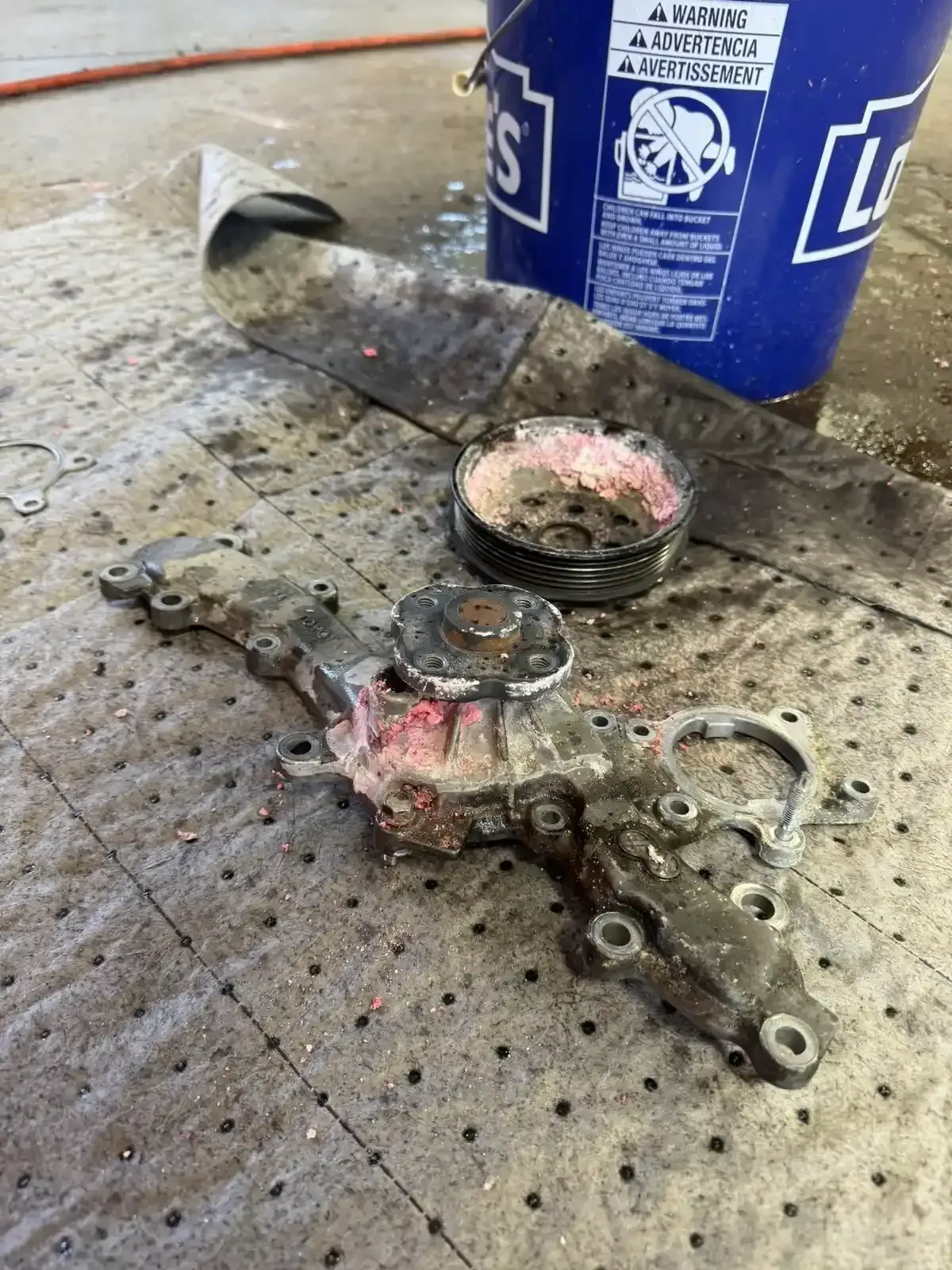
A car’s water pump can fail because of age and wear, contaminated coolant, corrosion, a damaged seal or bearing, or a problem with the belt system that drives it. When the pump...
By Sun Valley Auto Repair • October 9, 2026
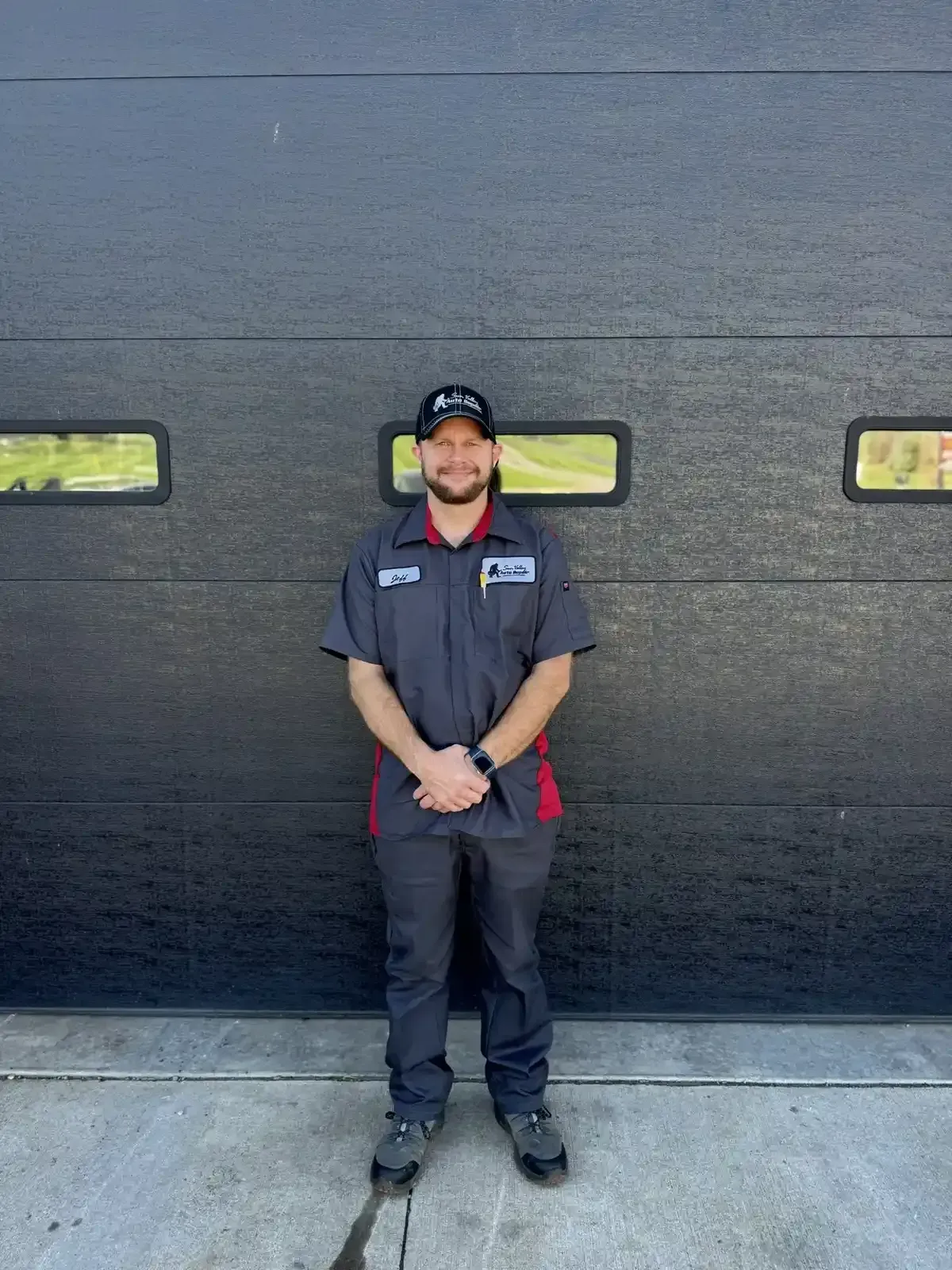
There’s a new face at the front counter! Please join us in welcoming Jeff to the Sun Valley Auto Repair team.
By Sun Valley Auto Repair • October 5, 2026
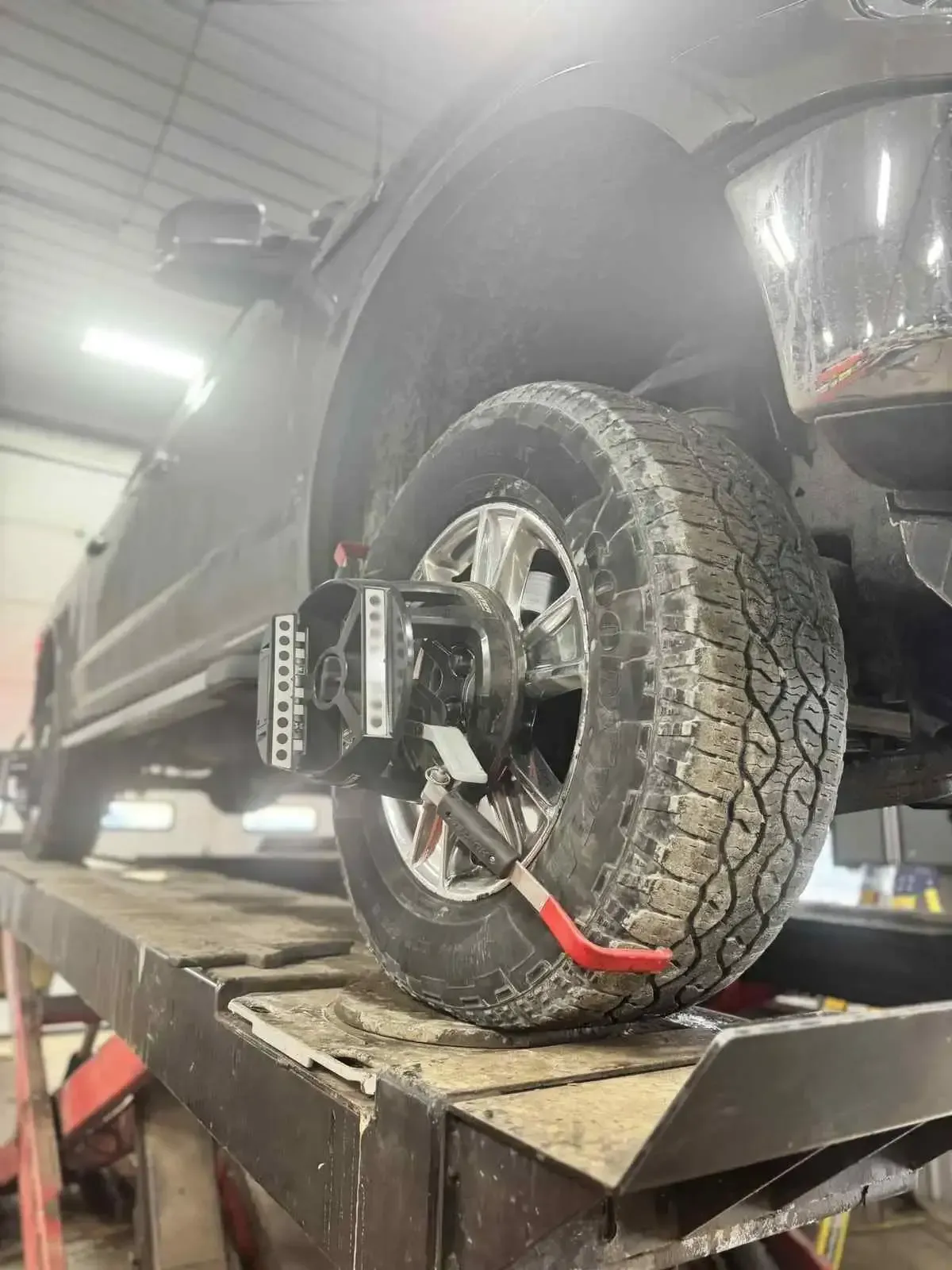
Getting new tires does not automatically mean your vehicle needs an alignment adjustment. It is, however, a good time to have the alignment checked. If your old tires wore...
By Sun Valley Auto Repair • September 28, 2026
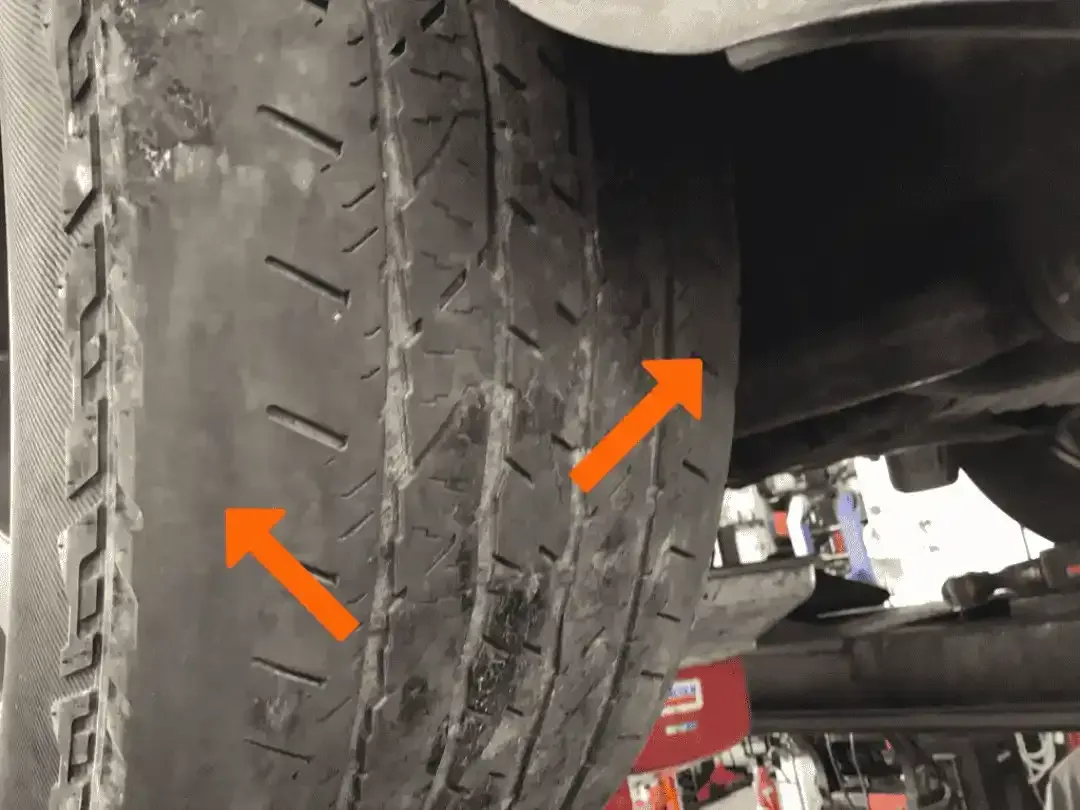
Before winter arrives in Ohio, check your tires for low tread, uneven wear, cracks, bulges and repeated air-pressure loss. Tires should have at least 2/32 inch of tread to remain...
By Sun Valley Auto Repair • August 31, 2026
You turn on your car’s A/C expecting a blast of cold air, but instead you get warm—or barely cool—air coming through the vents. What’s going on?
By Sun Valley Auto Repair • August 18, 2026
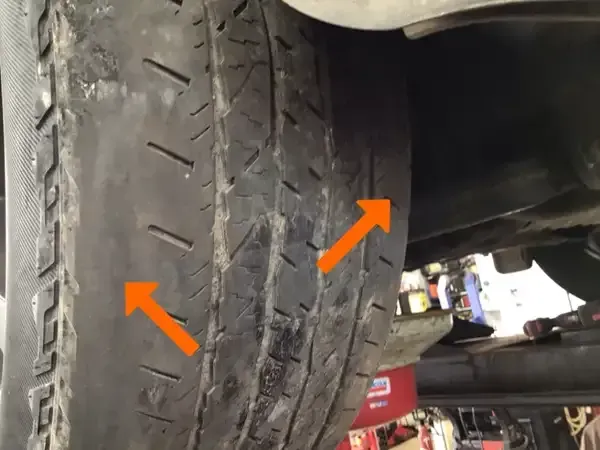
If you've noticed that one edge of your tire is wearing faster than the other, bald spots are developing, or one tire looks noticeably different from the others, your vehicle may...
By Sun Valley Auto Repair • August 12, 2026
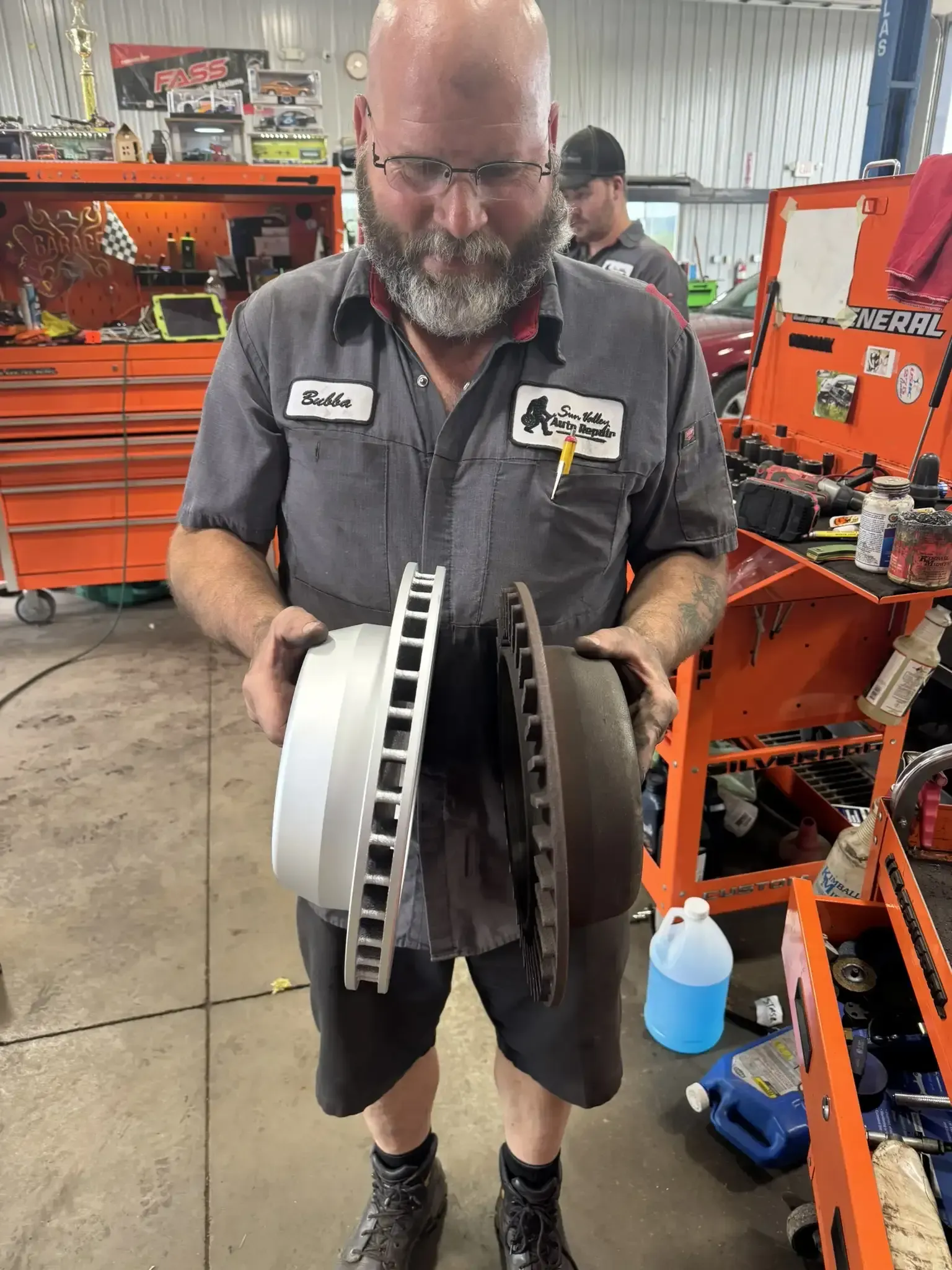
If you've started hearing a grinding noise when you press the brake pedal , don't ignore it. Grinding brakes can be caused by something as simple as surface rust, but they can...
By Sun Valley Auto Repair • July 30, 2026
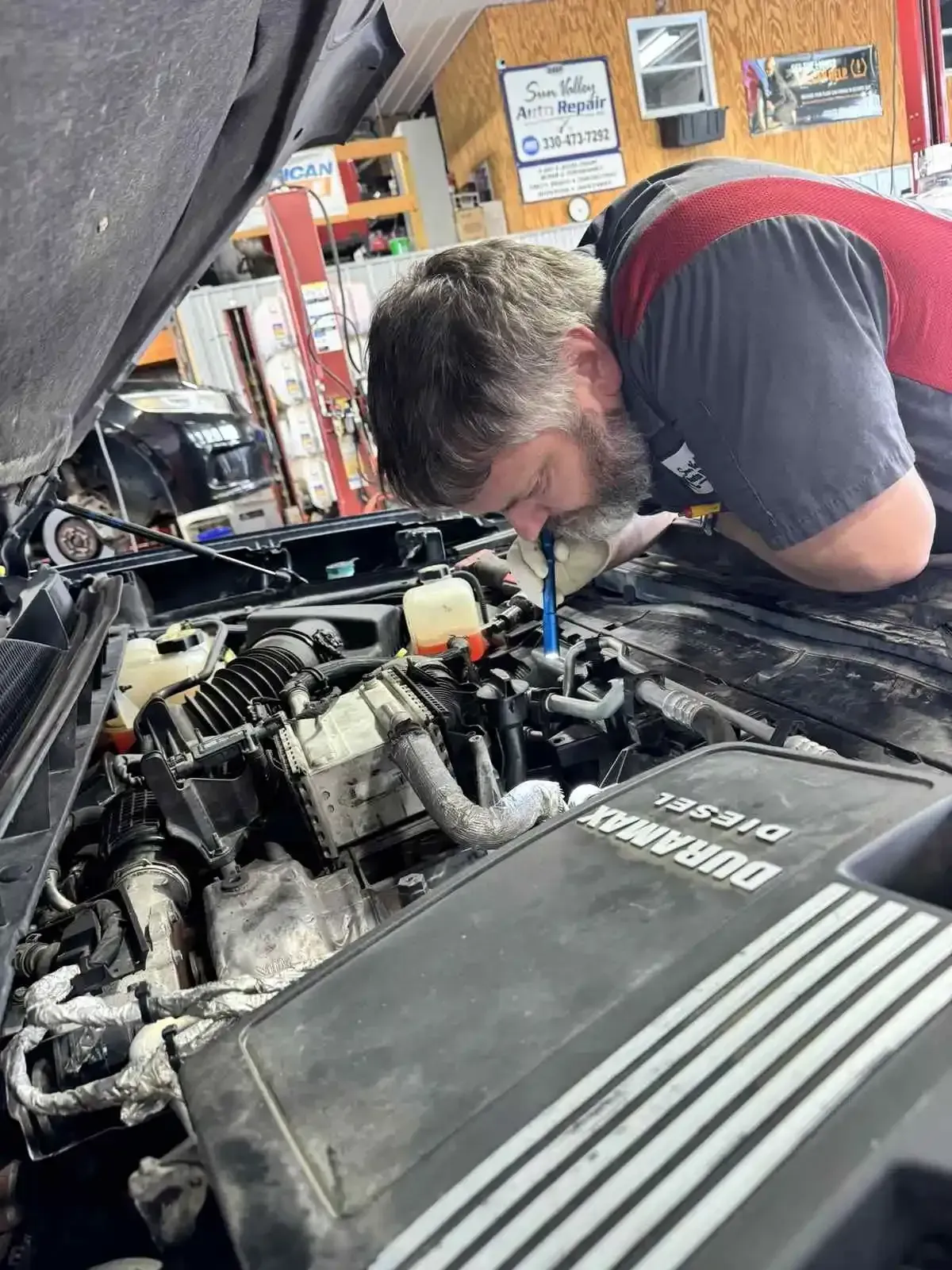
Have you ever wondered what your mechanic is actually looking at when they inspect your vehicle?
By Sun Valley Auto Repair • July 16, 2026
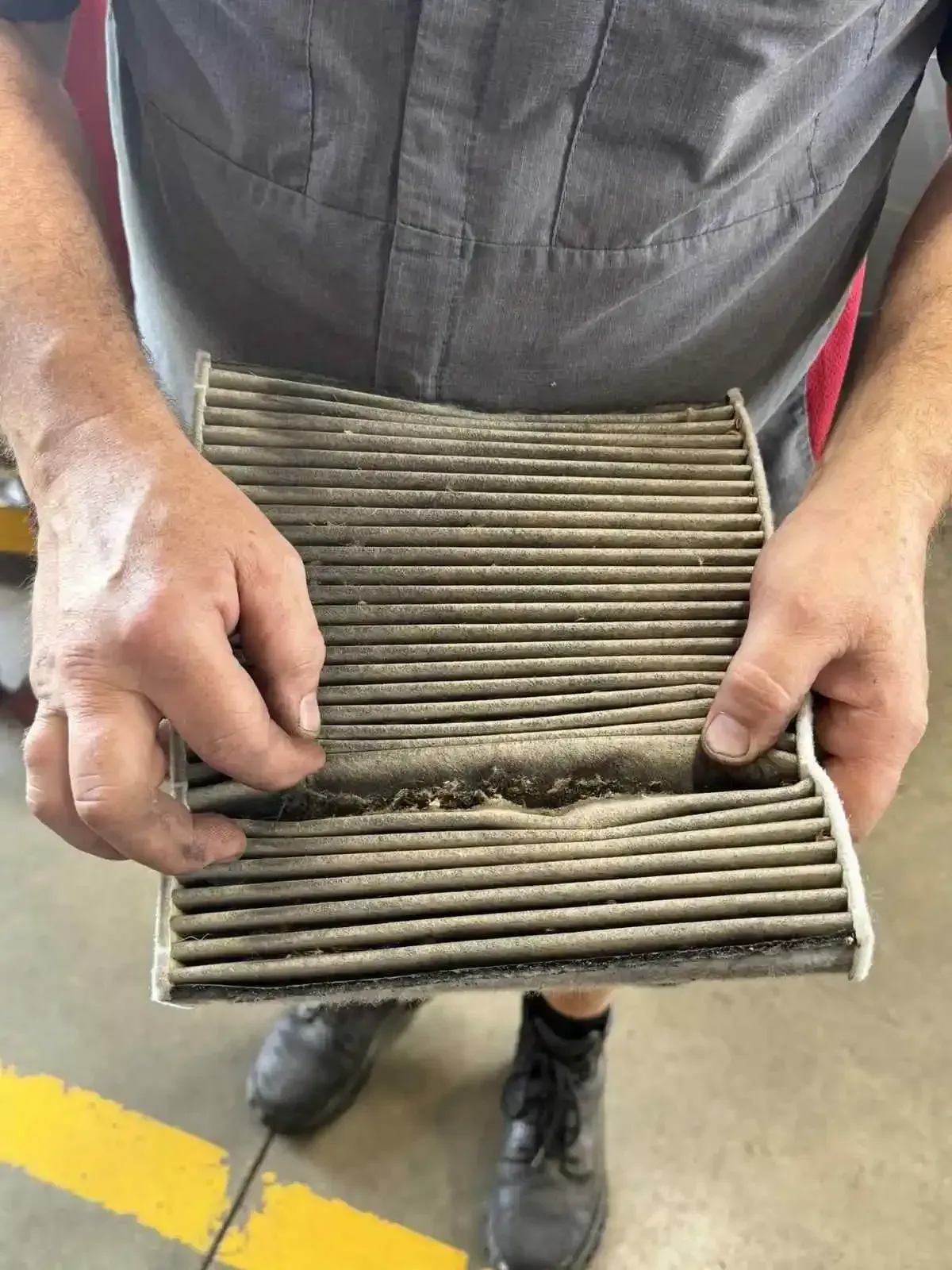
If your business depends on a work truck, van, or commercial fleet, keeping your vehicles properly maintained isn't just good practice—it's essential to protecting your bottom...
By Sun Valley Auto Repair • July 10, 2026
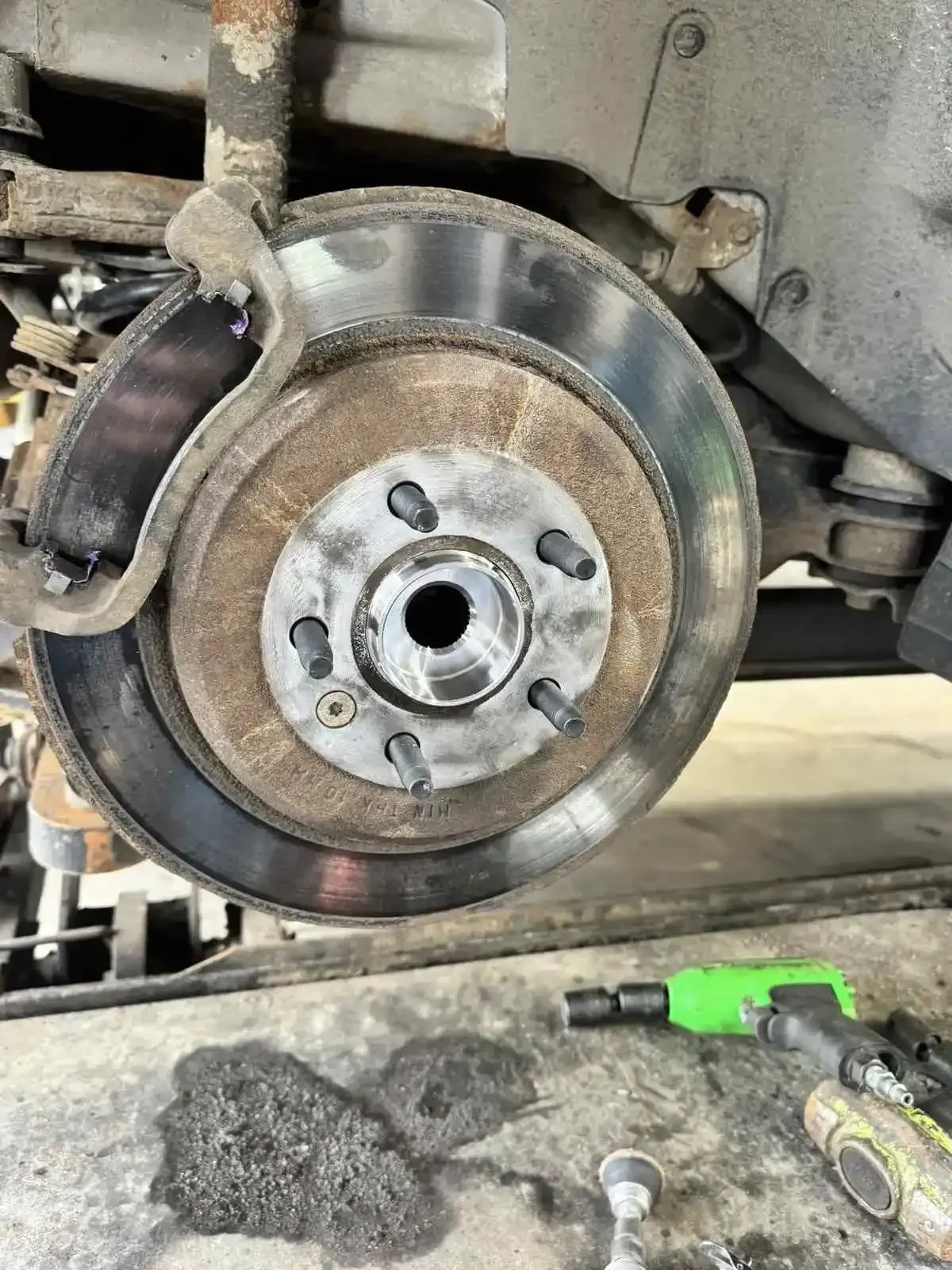
Short answer: Yes—in most cases, we recommend replacing your brake rotors and brake pads at the same time.

Show More