How to Check Your Tires for Fall Safety

Sun Valley Auto Repair • September 16, 2024

Share this article

As the leaves begin to change and temperatures drop, it’s time to make sure your vehicle is prepared for the challenges of fall driving. One of the most important aspects of vehicle safety during this season is your tires. Proper tire maintenance is crucial to ensure safe driving on wet, slippery roads and to prepare for the coming winter. In this blog, we’ll guide you through the steps to check your tires for fall safety.

1. Check Your Tire Tread Depth

Tire tread is essential for maintaining traction, especially on wet or slippery roads. Here’s how to check your tread depth:

  • The Penny Test:  Insert a penny into the tire tread with Lincoln’s head facing down. If you can see all of Lincoln’s head, it’s time to replace your tires. The tread should be at least 2/32 of an inch deep to be considered safe, but replacing them at 4/32 of an inch is advisable for better traction during fall and winter.
  • Tread Wear Indicators:  Many tires have built-in tread wear indicators that become visible when the tread is worn down to the minimum safe level. If these indicators are flush with the tire surface, it’s time for new tires.

2. Inspect for Uneven Wear

Uneven wear can lead to poor handling and reduced tire life. To inspect for uneven wear:

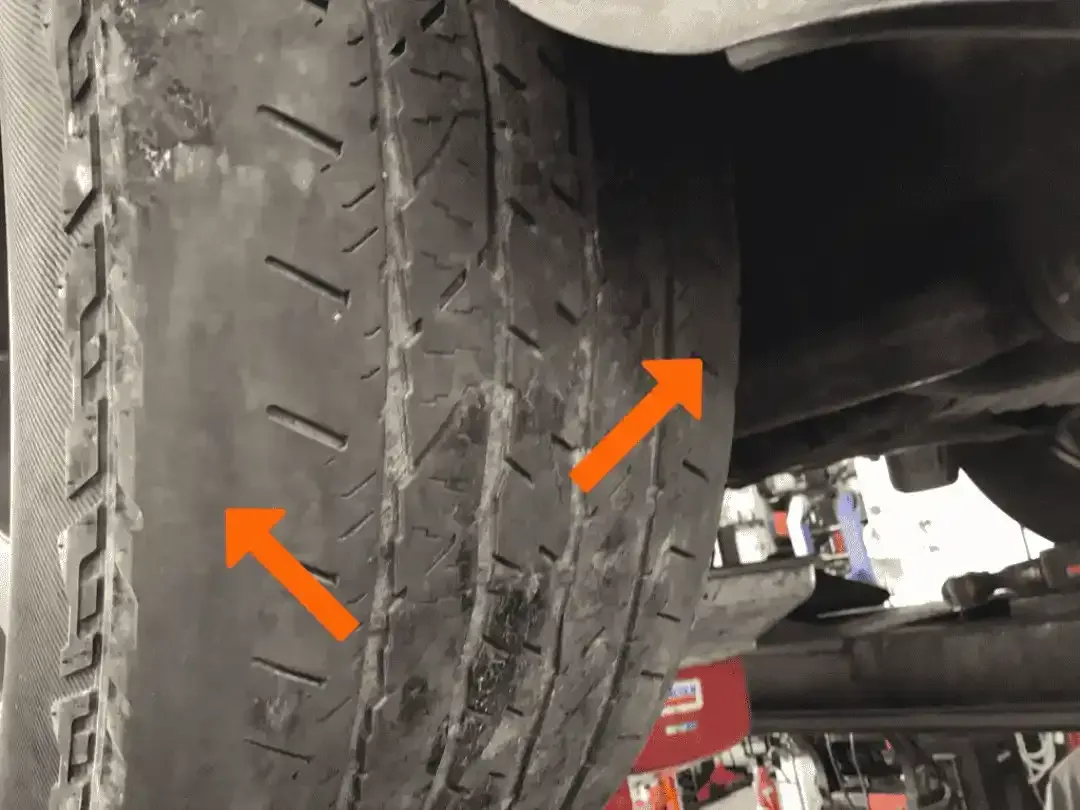
  • Visual Inspection:  Look at the tread on each tire and compare them. If one part of the tire is more worn than another, this could indicate issues like improper alignment, over- or under-inflation, or suspension problems.
  • Feathering:  Run your hand along the tire’s tread. If the tread feels smooth in one direction and sharp in the other, your tires may be feathered, which could be a sign of misalignment.

3. Check Tire Pressure Regularly

Tire pressure tends to drop as the weather gets colder. Proper inflation is crucial for safe driving and fuel efficiency:

  • Use a Tire Pressure Gauge:  Check your tire pressure at least once a month and before long trips. Compare the reading to the manufacturer’s recommended PSI (usually found on a sticker inside the driver’s door or in the owner’s manual).
  • Adjust as Necessary:  Inflate your tires to the recommended level. Under-inflated tires can lead to poor fuel economy and uneven wear, while over-inflated tires can reduce traction and increase the risk of a blowout.

4. Inspect for Damage

Even small damage to your tires can become a bigger issue over time, especially as temperatures drop:

  • Look for Cracks or Bulges:  Inspect the sidewalls of your tires for any visible cracks, cuts, or bulges. These are signs that your tires may be weakened and could fail.
  • Check for Foreign Objects:  Look for any nails, screws, or other objects lodged in your tires. Even if the tire isn’t losing air, it’s best to have it checked by a professional.

5. Rotate Your Tires

Regular tire rotation promotes even wear and extends the life of your tires:

  • Follow a Schedule:  Rotate your tires according to your vehicle’s owner’s manual, typically every 5,000 to 7,000 miles. This ensures that all tires wear evenly, providing better handling and longer tire life.

Final Thoughts

Tires are your vehicle’s connection to the road, so it’s essential to keep them in top condition, especially as the weather changes. By following these steps, you can ensure your tires are ready to handle the wet, slippery roads that fall often brings. At Sun Valley Auto Repair, our experienced technicians are here to help you with all your tire maintenance needs. Schedule a tire inspection today and drive safely into the fall season!

Our Mission: Driving Trust, Setting Standards, Your Road Our Promise

At Sun Valley Auto Repair, we're passionate about exceeding expectations. Our commitment to transparency through digital inspections aligns perfectly with our mission statement:  driving trust  by being honest and upfront about your vehicle's needs. We  set standards  for excellence in auto repair, ensuring your car receives the highest quality care. Ultimately,  your road is our promise . We're dedicated to keeping you moving safely and confidently for miles to come.

Ready to give your engine the TLC it deserves?   Schedule  your next service appointment with Sun Valley Auto Repair today! We look forward to keeping your car happy and healthy for miles to come.

Stay Connected!


Recent Posts

By Sun Valley Auto Repair • October 9, 2026
A car’s water pump can fail because of age and wear, contaminated coolant, corrosion, a damaged seal or bearing, or a problem with the belt system that drives it. When the pump...
By Sun Valley Auto Repair • October 9, 2026
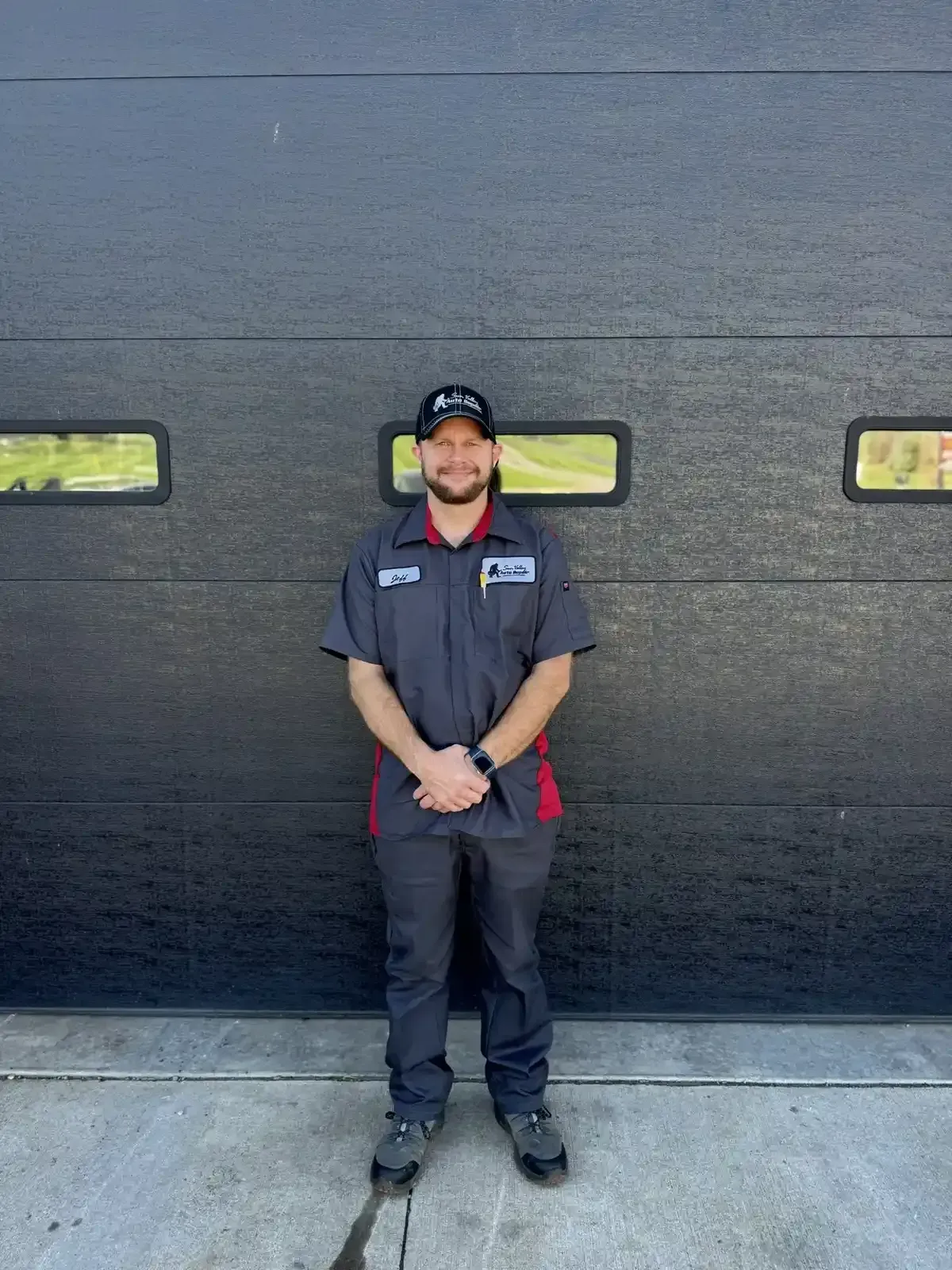
There’s a new face at the front counter! Please join us in welcoming Jeff to the Sun Valley Auto Repair team.
By Sun Valley Auto Repair • October 5, 2026
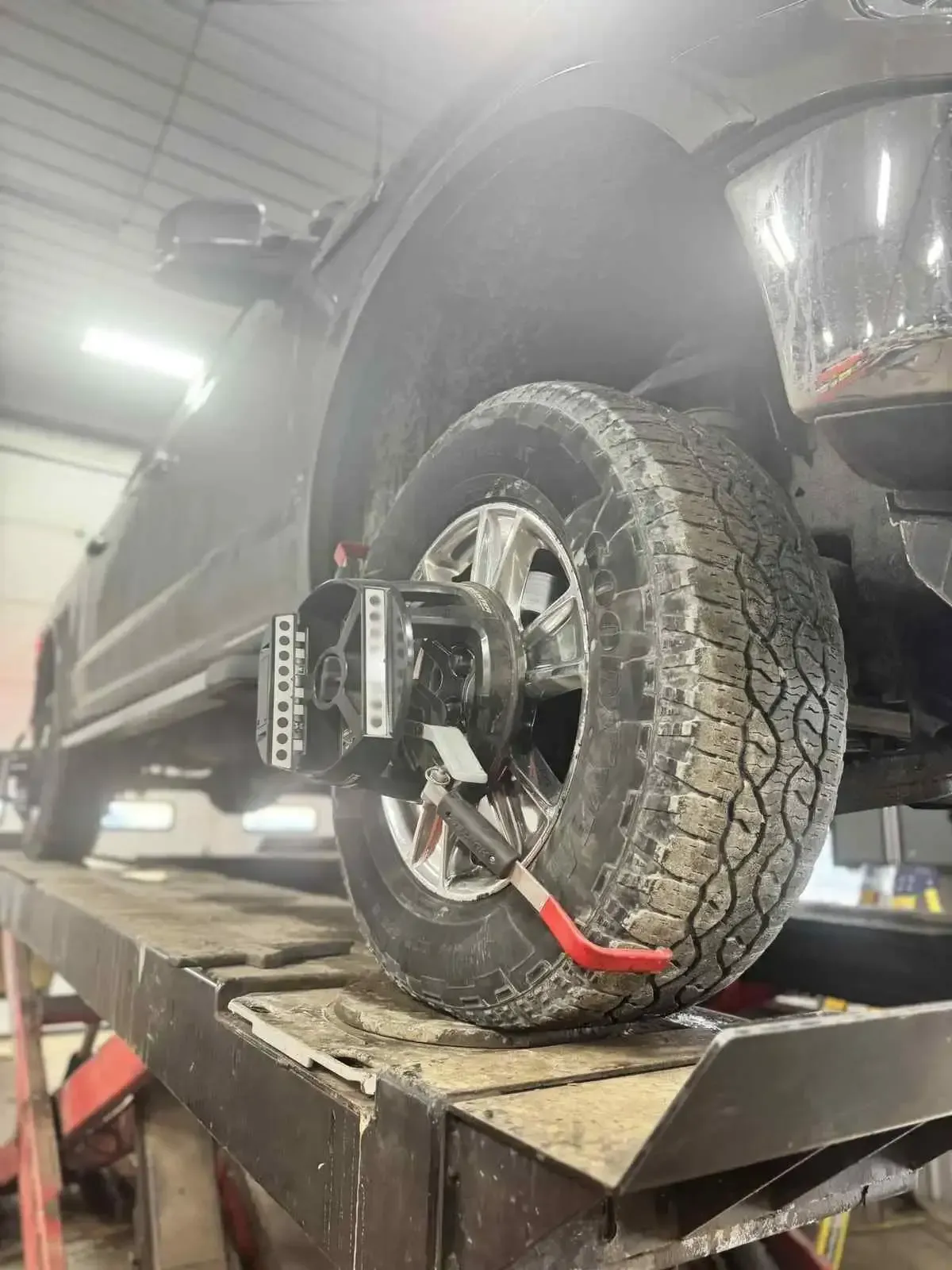
Getting new tires does not automatically mean your vehicle needs an alignment adjustment. It is, however, a good time to have the alignment checked. If your old tires wore...
By Sun Valley Auto Repair • September 28, 2026
Before winter arrives in Ohio, check your tires for low tread, uneven wear, cracks, bulges and repeated air-pressure loss. Tires should have at least 2/32 inch of tread to remain...
By Sun Valley Auto Repair • August 31, 2026
You turn on your car’s A/C expecting a blast of cold air, but instead you get warm—or barely cool—air coming through the vents. What’s going on?
By Sun Valley Auto Repair • August 18, 2026
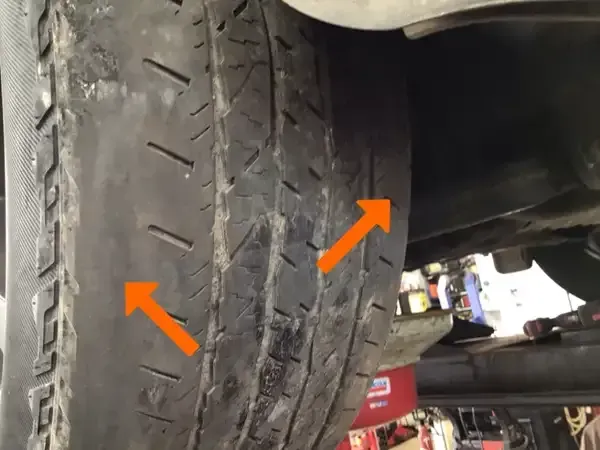
If you've noticed that one edge of your tire is wearing faster than the other, bald spots are developing, or one tire looks noticeably different from the others, your vehicle may...
By Sun Valley Auto Repair • August 12, 2026
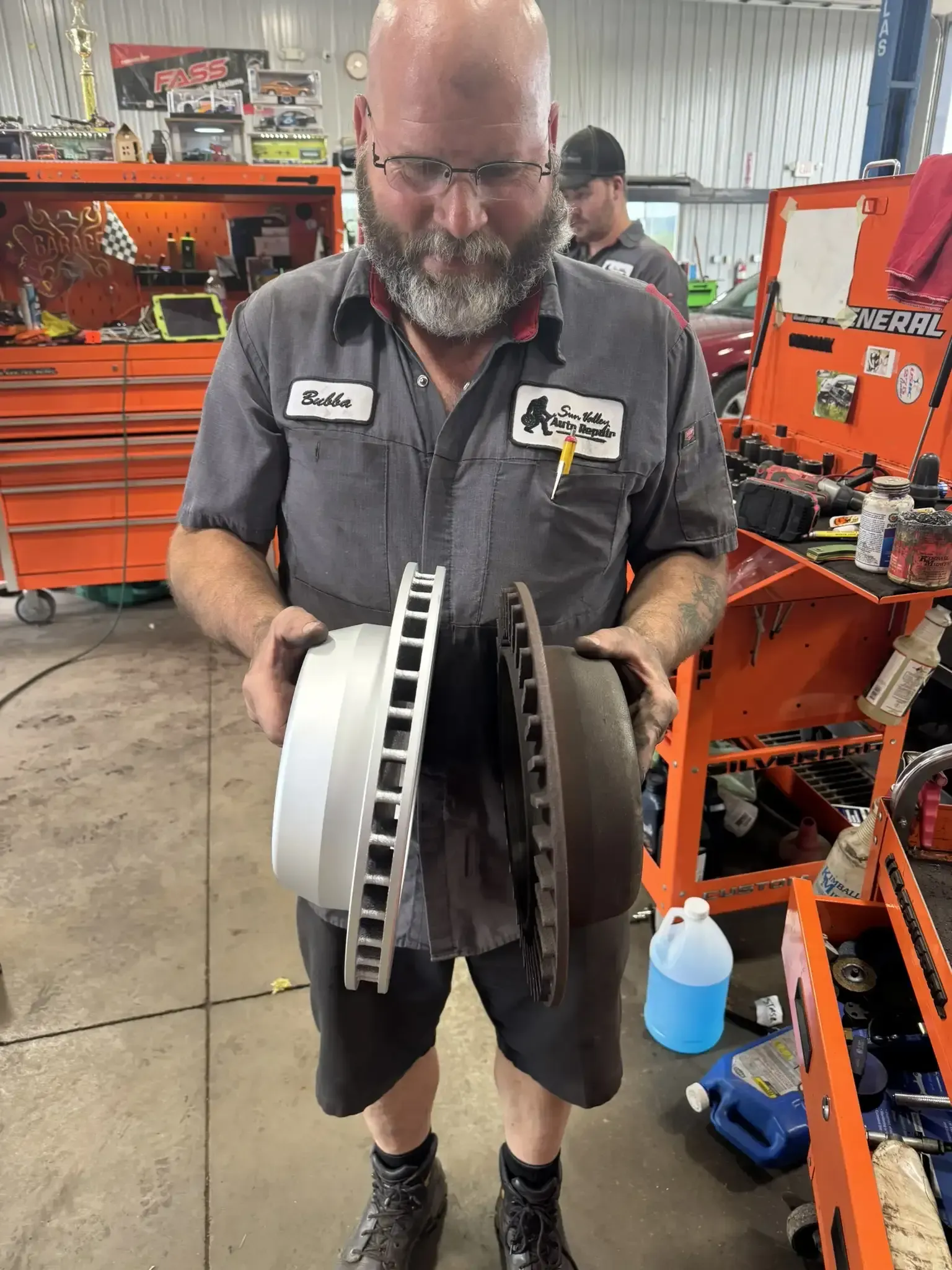
If you've started hearing a grinding noise when you press the brake pedal , don't ignore it. Grinding brakes can be caused by something as simple as surface rust, but they can...
By Sun Valley Auto Repair • July 30, 2026
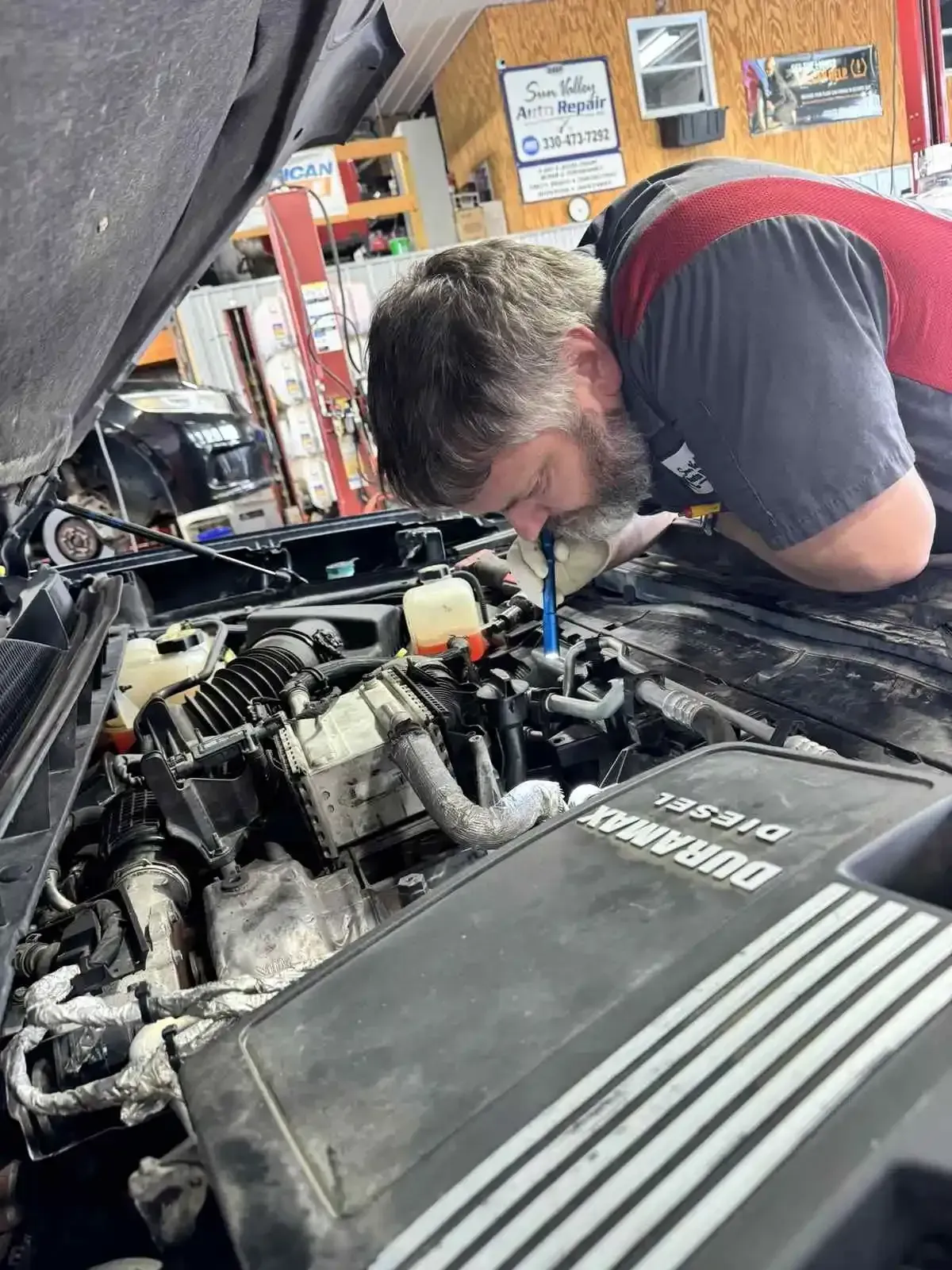
Have you ever wondered what your mechanic is actually looking at when they inspect your vehicle?
By Sun Valley Auto Repair • July 16, 2026
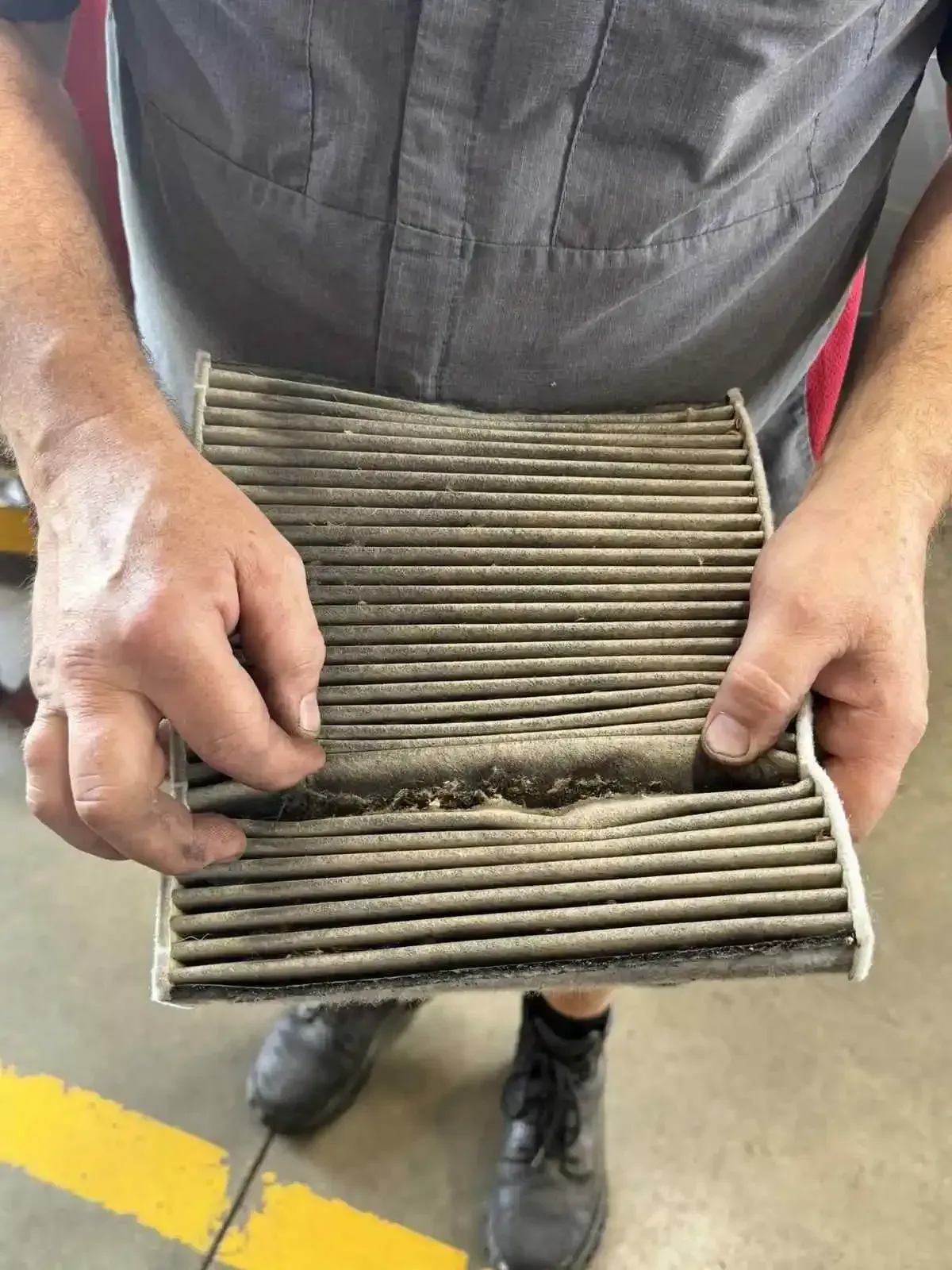
If your business depends on a work truck, van, or commercial fleet, keeping your vehicles properly maintained isn't just good practice—it's essential to protecting your bottom...
By Sun Valley Auto Repair • July 10, 2026
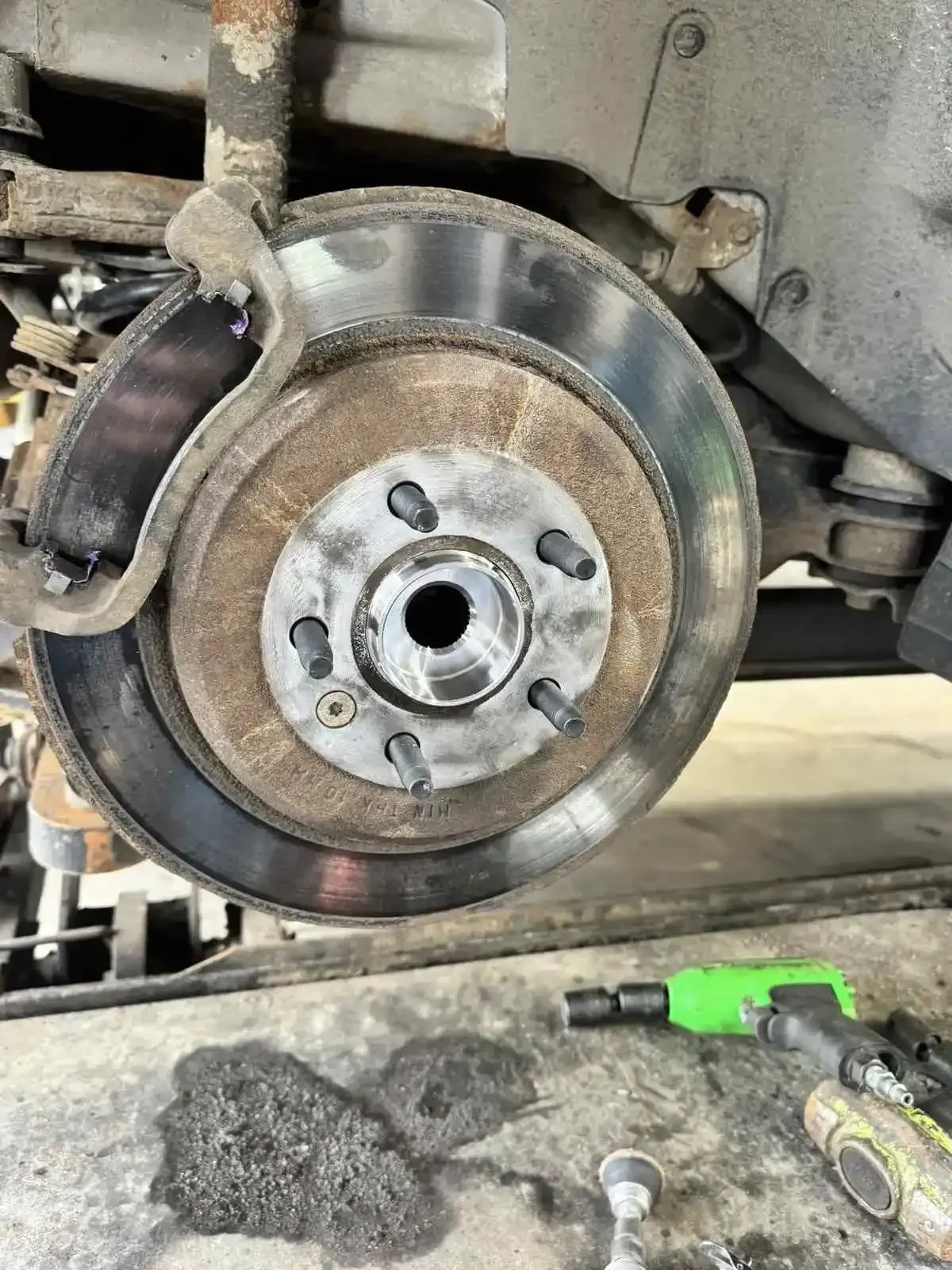
Short answer: Yes—in most cases, we recommend replacing your brake rotors and brake pads at the same time.

Show More