Why Regular Tire Rotations Are Essential for Your Vehicle’s Health

Sun Valley Auto Repair • September 13, 2024

Share this article

Tires are one of the most crucial components of your vehicle, directly affecting safety, performance, and fuel efficiency. Yet, they often don’t get the attention they deserve. One of the simplest and most effective ways to extend the life of your tires is through regular tire rotations. At Sun Valley Auto Repair, we’re here to explain why this service should be a routine part of your vehicle maintenance.

1. What Is a Tire Rotation?

Tire rotation involves moving your tires from one position on your vehicle to another. Typically, the front tires are swapped with the rear tires, and in some cases, they are also moved from one side of the vehicle to the other. This process ensures even tire wear and can significantly extend the lifespan of your tires.

2. Why Is Tire Rotation Important?

Tires don’t wear evenly. Front tires usually wear out faster than rear tires because they handle more of the vehicle's weight and are responsible for steering and braking. Without regular rotation, your front tires will wear out quicker, leading to uneven tire wear, reduced performance, and potentially unsafe driving conditions.

3. Benefits of Regular Tire Rotations

  • Even Tire Wear: By rotating your tires regularly, you ensure that all four tires wear evenly. This uniformity extends the life of your tires and ensures they perform optimally.
  • Improved Fuel Efficiency: Uneven tire wear can increase rolling resistance, making your engine work harder and reducing fuel efficiency. Regular rotations help maintain even tread, which can improve gas mileage.
  • Better Handling: Unevenly worn tires can affect your vehicle’s balance and handling, making it harder to steer or stop in an emergency. Regular rotations keep your tires in better condition, ensuring a smoother and safer ride.
  • Cost Savings: Tires can be expensive to replace. By rotating them regularly, you can extend their lifespan, saving you money in the long run.

4. How Often Should You Rotate Your Tires?

At Sun Valley Auto Repair, we recommend rotating your tires every 6,000 to 8,000 miles or as specified in your vehicle’s owner’s manual. However, this can vary depending on your driving habits and the type of tires you have. For example, if you do a lot of highway driving or carry heavy loads, you may need to rotate your tires more frequently.

5. Signs That You Need a Tire Rotation

If you notice any of the following signs, it’s time to schedule a tire rotation:

  • Uneven tread wear: If the tread on one tire is noticeably more worn than on the others, it’s a clear sign that your tires need to be rotated.
  • Vibration while driving: Unevenly worn tires can cause your vehicle to vibrate, especially at higher speeds.
  • Pulling to one side: If your car tends to pull to one side while driving, it could be due to uneven tire wear.

Regular tire rotations are a simple yet crucial part of vehicle maintenance. By making it a routine, you can improve your vehicle’s performance, save money, and drive with peace of mind knowing that your tires are in optimal condition.

Our Mission: Driving Trust, Setting Standards, Your Road Our Promise

At Sun Valley Auto Repair, we're passionate about exceeding expectations. Our commitment to transparency through digital inspections aligns perfectly with our mission statement: driving trust by being honest and upfront about your vehicle's needs. We set standards for excellence in auto repair, ensuring your car receives the highest quality care. Ultimately, your road is our promise . We're dedicated to keeping you moving safely and confidently for miles to come.

At Sun Valley Auto Repair, we’re here to help you keep your tires in top shape. Schedule your tire rotation with us today and take the next step in maintaining your vehicle’s health. We look forward to keeping your car happy and healthy for miles to come.

Stay Connected!

Recent Posts

By Sun Valley Auto Repair • October 9, 2026
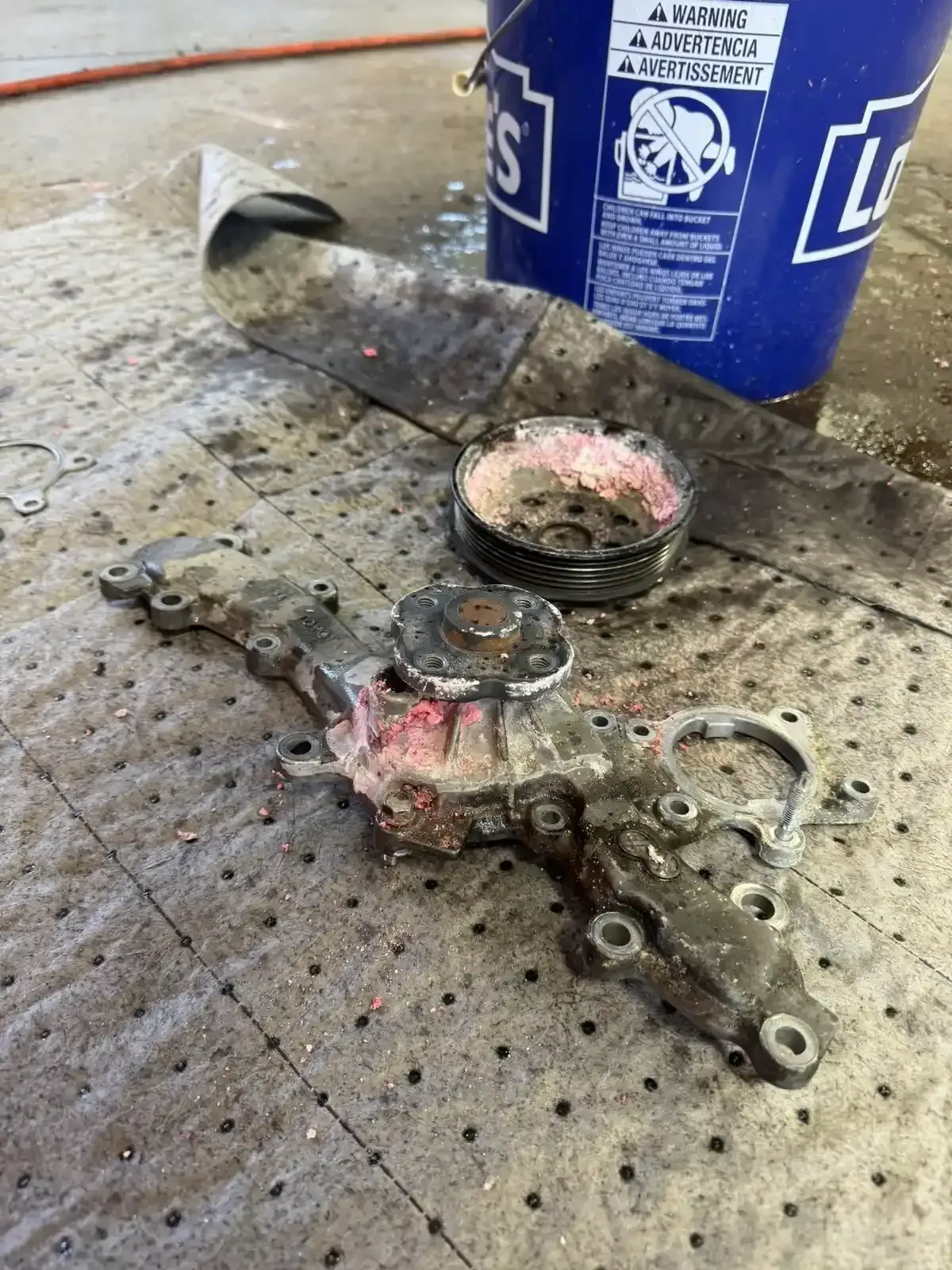
A car’s water pump can fail because of age and wear, contaminated coolant, corrosion, a damaged seal or bearing, or a problem with the belt system that drives it. When the pump...
By Sun Valley Auto Repair • October 9, 2026
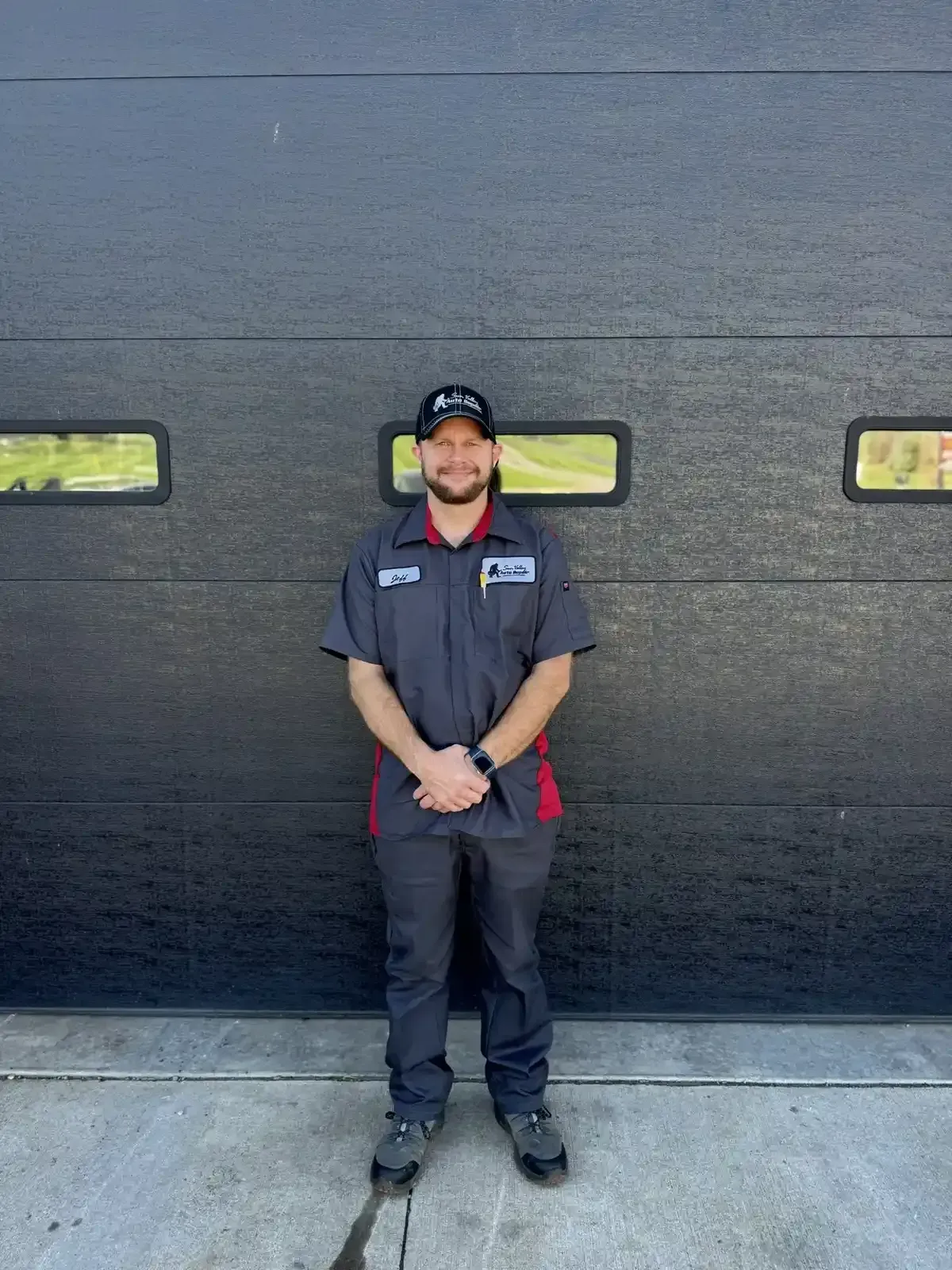
There’s a new face at the front counter! Please join us in welcoming Jeff to the Sun Valley Auto Repair team.
By Sun Valley Auto Repair • October 5, 2026
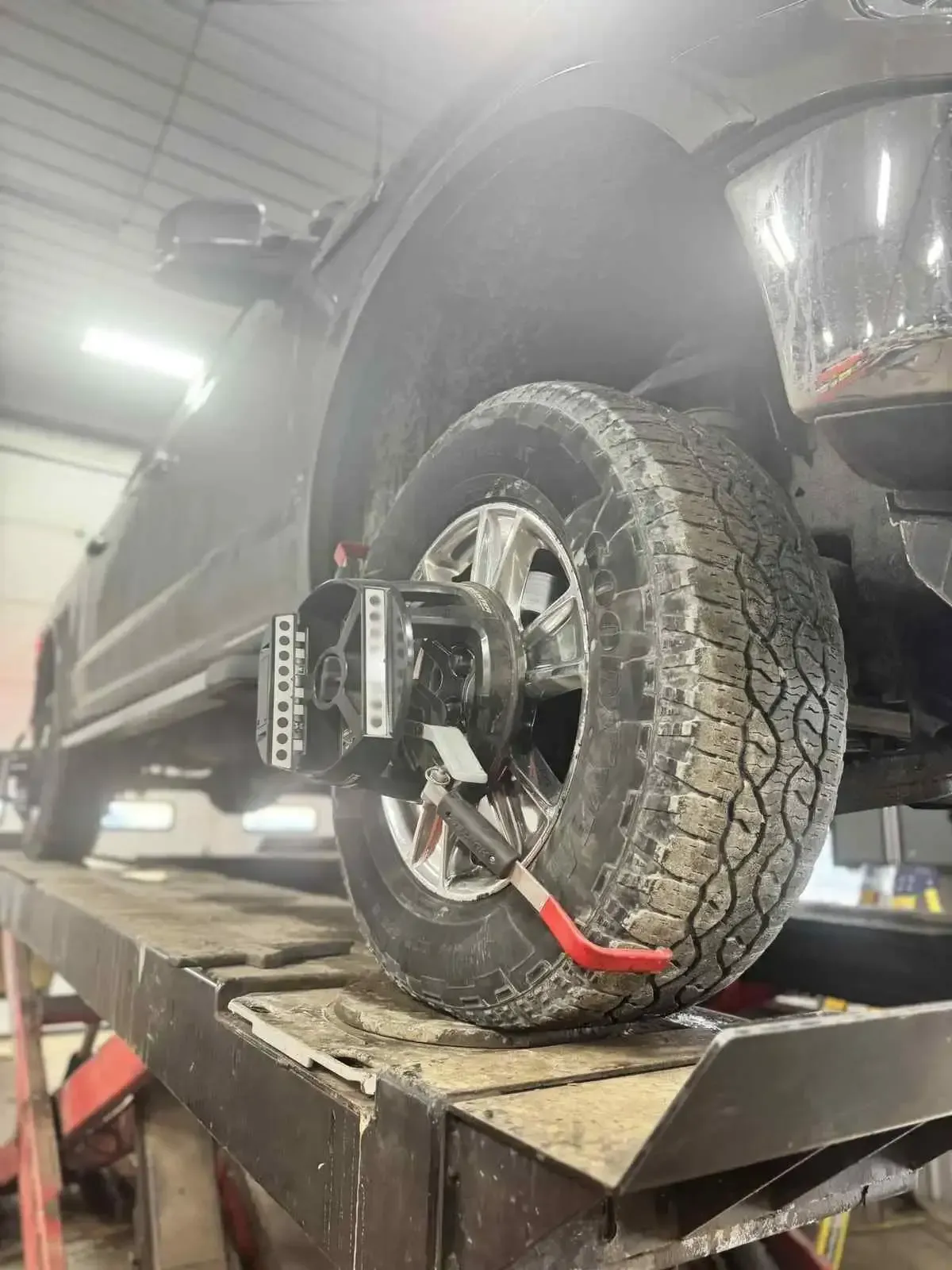
Getting new tires does not automatically mean your vehicle needs an alignment adjustment. It is, however, a good time to have the alignment checked. If your old tires wore...
By Sun Valley Auto Repair • September 28, 2026
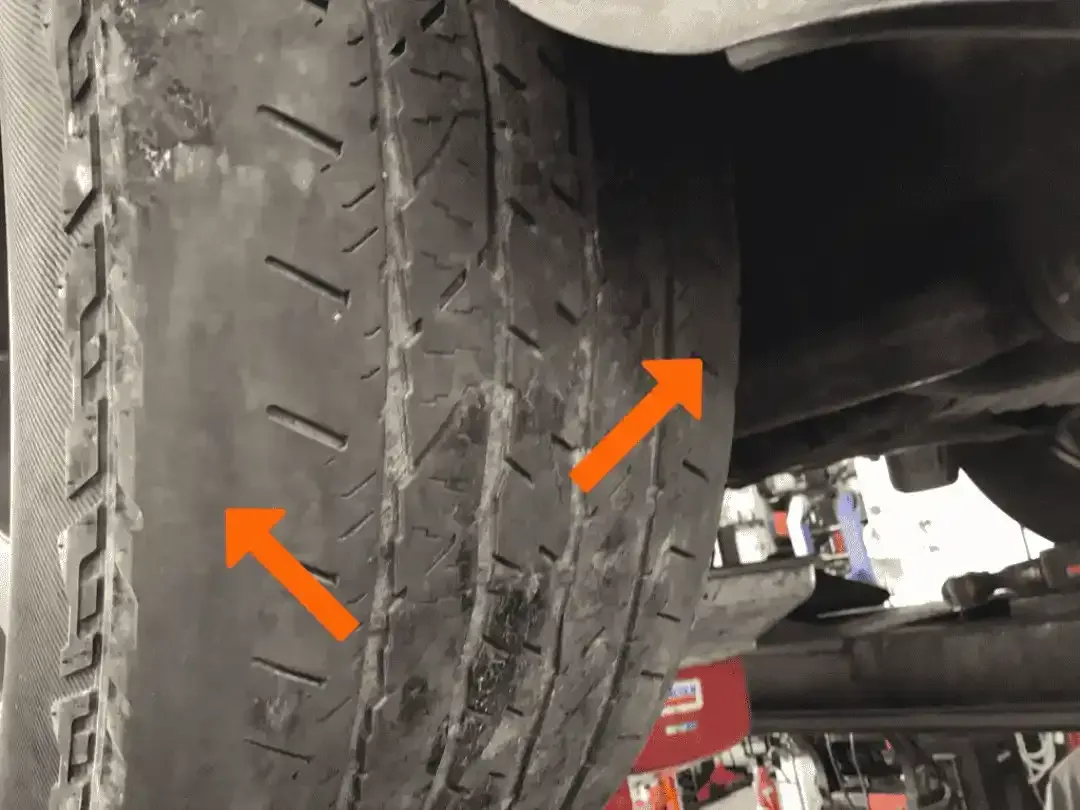
Before winter arrives in Ohio, check your tires for low tread, uneven wear, cracks, bulges and repeated air-pressure loss. Tires should have at least 2/32 inch of tread to remain...
By Sun Valley Auto Repair • August 31, 2026
You turn on your car’s A/C expecting a blast of cold air, but instead you get warm—or barely cool—air coming through the vents. What’s going on?
By Sun Valley Auto Repair • August 18, 2026
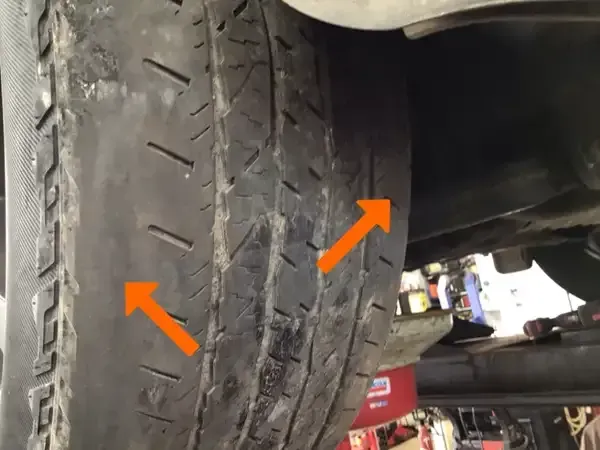
If you've noticed that one edge of your tire is wearing faster than the other, bald spots are developing, or one tire looks noticeably different from the others, your vehicle may...
By Sun Valley Auto Repair • August 12, 2026
If you've started hearing a grinding noise when you press the brake pedal , don't ignore it. Grinding brakes can be caused by something as simple as surface rust, but they can...
By Sun Valley Auto Repair • July 30, 2026
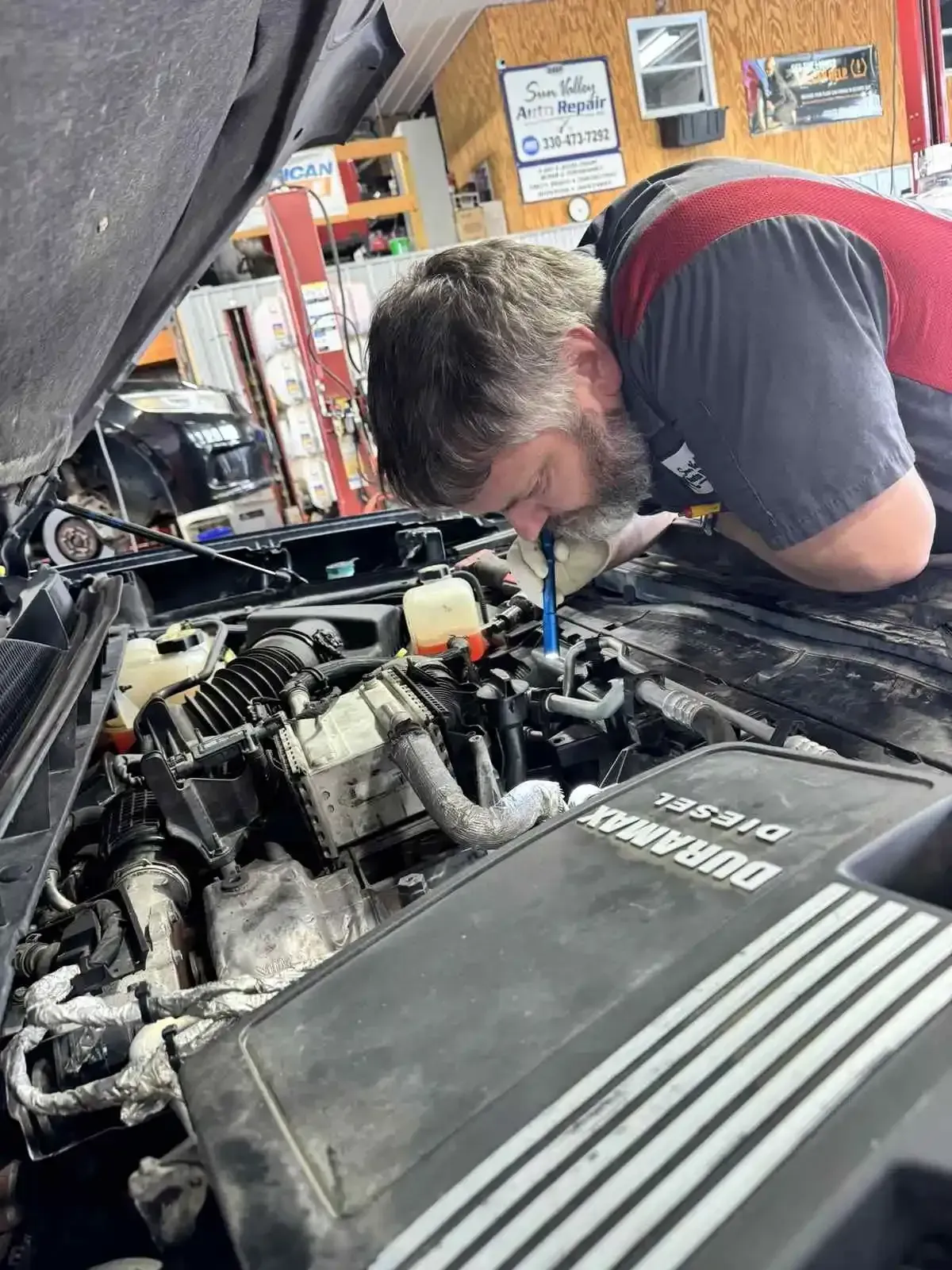
Have you ever wondered what your mechanic is actually looking at when they inspect your vehicle?
By Sun Valley Auto Repair • July 16, 2026
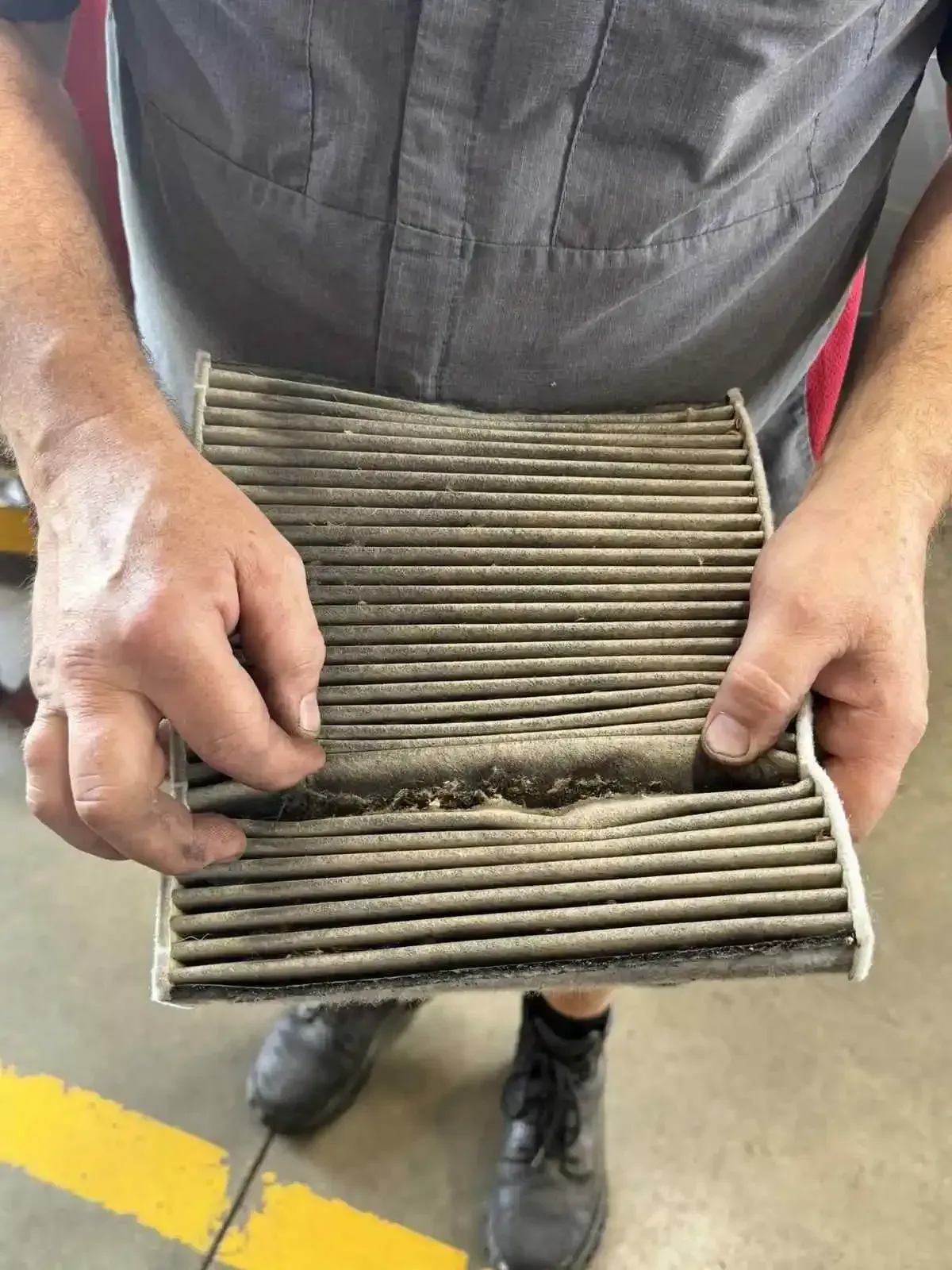
If your business depends on a work truck, van, or commercial fleet, keeping your vehicles properly maintained isn't just good practice—it's essential to protecting your bottom...
By Sun Valley Auto Repair • July 10, 2026
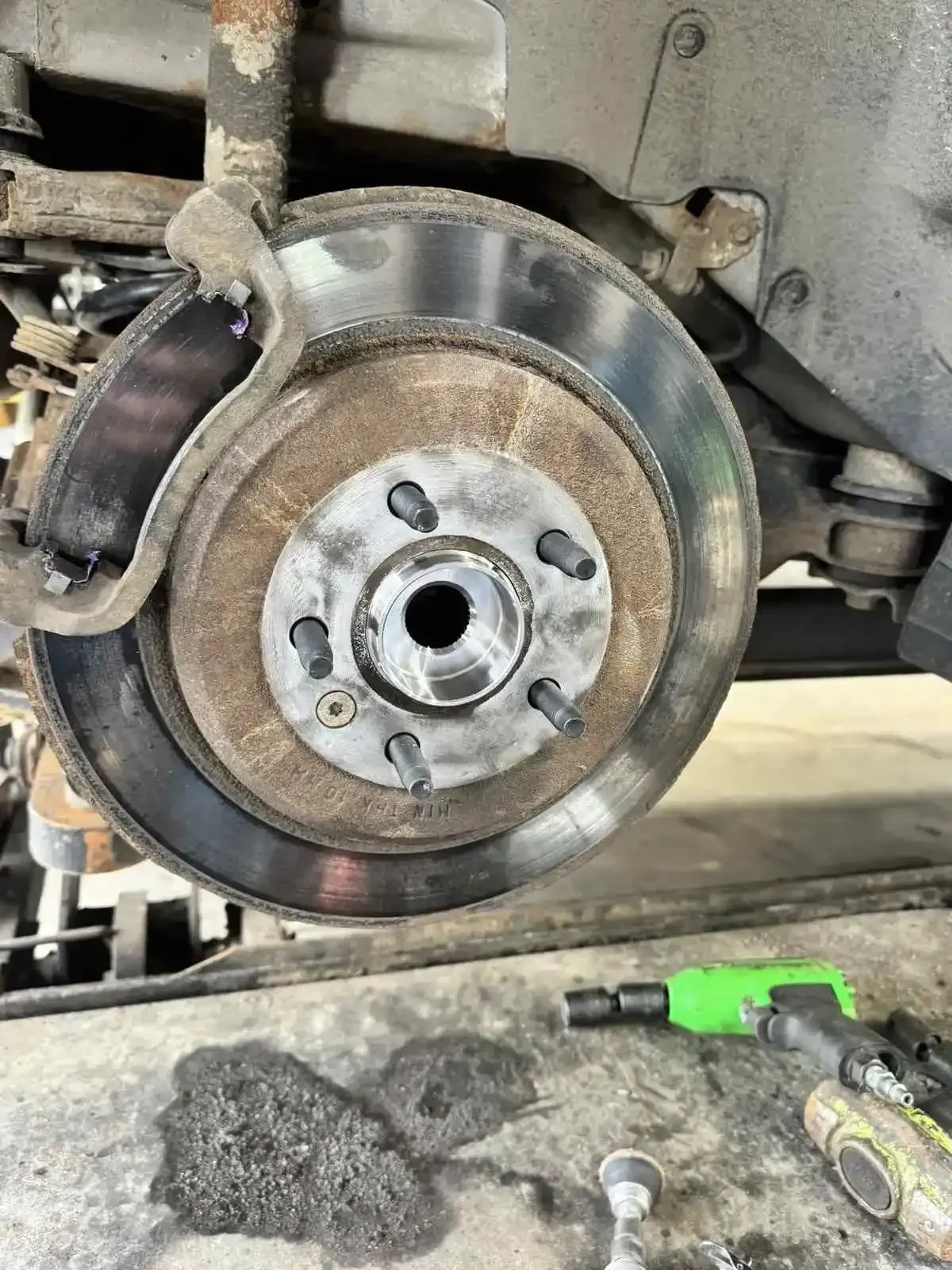
Short answer: Yes—in most cases, we recommend replacing your brake rotors and brake pads at the same time.

Show More