Should I Lower My Tire Pressure for Better Traction in Snow?
Hint: Glenn the Sasquatch says, “No way!”
Ohio winters are no joke. Snow, ice, and freezing temperatures have us all scrambling to prepare our cars for the cold. One of the most common winter driving myths we hear at Sun Valley Auto Repair is that lowering your tire pressure improves traction on snowy roads. Spoiler alert: It doesn’t.
Before you start deflating your tires, let’s bust this myth and explore the facts about tire pressure and winter driving.
Why Is Lowering Tire Pressure in Snow a Bad Idea?
Here are the reasons why this myth doesn’t hold up:
-
Does lowering tire pressure improve grip? No. Underinflated tires lose their shape, which reduces the amount of tread in contact with the road. This decreases grip and makes it harder to maintain control.
-
Will it help with stability on icy roads? Definitely not. Lower tire pressure makes your vehicle less responsive, increasing the chances of sliding or losing control.
-
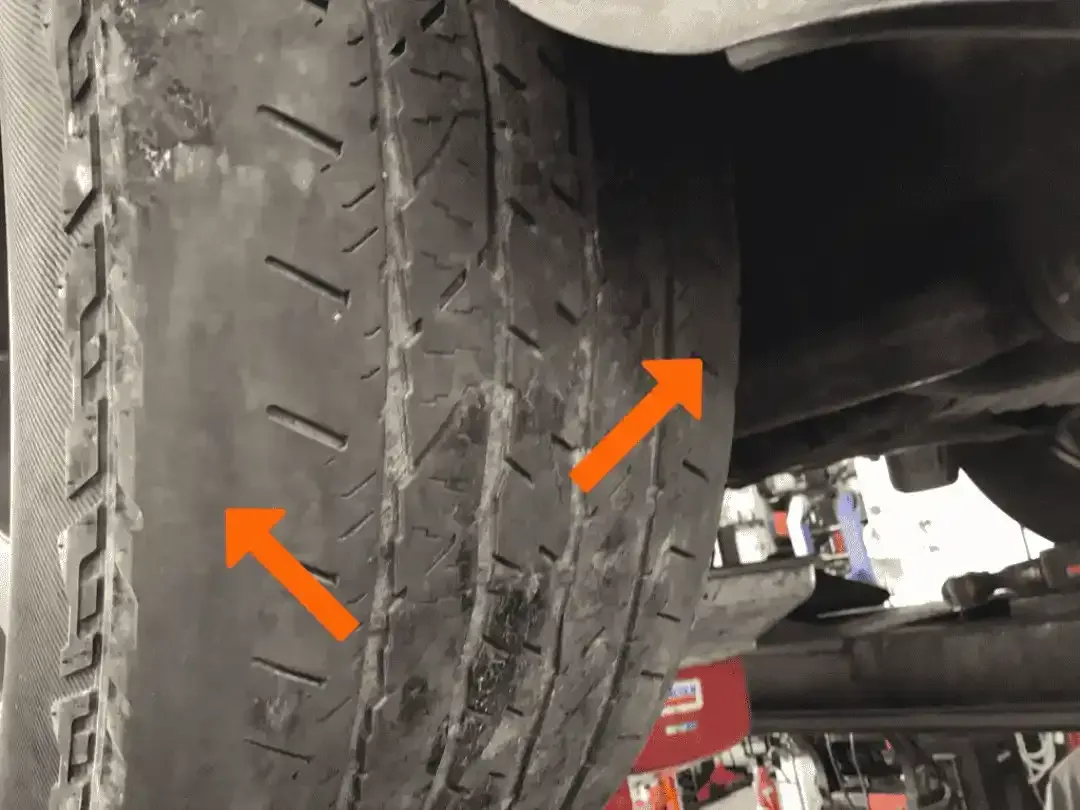
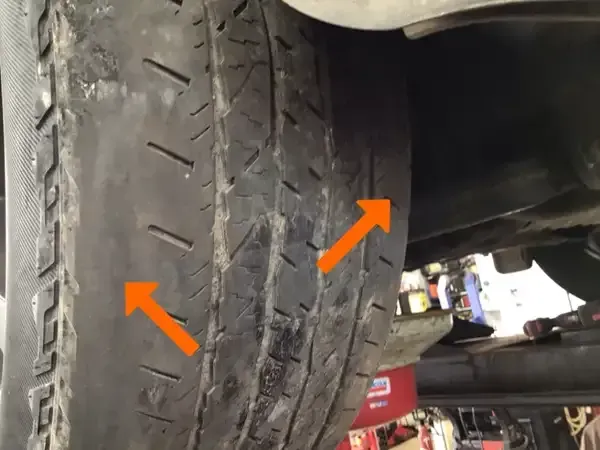
What about wear and tear on tires? Lowering tire pressure causes uneven wear and increases the risk of blowouts. Underinflated tires may overheat, even in cold weather.
-
Does it affect fuel efficiency? Yes. Underinflated tires increase rolling resistance, causing your engine to work harder and burn more fuel.
What’s the Best Way to Stay Safe on Snowy Roads?
Forget the old myth. Here’s how to actually improve traction and stay safe this winter:
-
Should I check my tire pressure in winter? Absolutely. Cold weather naturally lowers tire pressure—about 1 PSI for every 10°F drop. Check your tires weekly and maintain the manufacturer’s recommended levels (usually found on the sticker inside the driver-side door).
-
Are winter tires worth it? Yes! Winter tires are made with softer rubber and special tread patterns designed for snow and ice. They provide significantly better traction than all-season tires.
-
How can I tell if my tread depth is sufficient? For winter driving, tires should have at least 6/32 inches of tread. Worn-out tires are a hazard on snowy roads, so replace them if needed.
-
Do I need to rotate my tires? Yes, regular tire rotations every 5,000 to 7,500 miles help ensure even wear and balanced traction across all four wheels.
-
What else should I carry in winter? Keep a winter emergency kit that includes a tire pressure gauge, gloves, an ice scraper, and some warm essentials like a blanket or hot cocoa.
What Glenn the Sasquatch Wants You to Remember
Lowering your tire pressure won’t make you a winter driving pro—it’ll just make your car harder to handle, wear out your tires faster, and cost more at the pump. Stick to proper tire maintenance, invest in winter tires, and practice safe driving habits.
Bonus Tip from Sun Valley Auto Repair
Stay ahead of winter woes with a visit to Sun Valley Auto Repair. Our team (and Glenn, of course) is here to help you with tire checks, rotations, and everything else you need to conquer Ohio’s snowy roads. Book your appointment today!
Ready for Winter? We’ve Got Your Back.
Schedule
your winter tire check with us today!
Our Mission: Driving Trust, Setting Standards, Your Road Our Promise
At Sun Valley Auto Repair, we're passionate about exceeding expectations. Our commitment to transparency through digital inspections aligns perfectly with our mission statement: driving trust by being honest and upfront about your vehicle's needs. We set standards for excellence in auto repair, ensuring your car receives the highest quality care. Ultimately, your road is our promise . We're dedicated to keeping you moving safely and confidently for miles to come.
Ready to give your engine the TLC it deserves? Schedule your next service appointment with Sun Valley Auto Repair today! We look forward to keeping your car happy and healthy for miles to come.
Stay Connected!
-
Like us on Facebook
-
Follow us on Instagram
-
Learn More About Us
-
Join Our Team
-
Subscribe to our Youtube Channel
Recent Posts