What Type of Tires Are Best for Winter Driving?

January 1, 2025

Share this article

What Type of Tires Are Best for Winter Driving?

Q: Why is it important to choose the right tires for winter driving?
A: The right tires enhance traction, control, and safety on snowy, icy, or slushy roads. Winter-optimized tires are designed to handle these specific challenges, reducing the risk of skidding or losing control.

Q: What are winter tires (snow tires), and how do they work?
A: Winter tires are made with a softer rubber compound and deep tread patterns, specifically for cold weather. They remain flexible in freezing temperatures and provide excellent grip on snow and ice.

  • Pros:

    • Superior traction in snow and ice.

    • Enhanced braking performance in winter conditions.

    • Softer rubber for better handling in freezing temperatures.

  • Cons:

    • Reduced performance on dry or warm roads.

    • Need to be swapped out during warmer months to avoid wear.

  • Best For: Climates with heavy snow and prolonged cold weather.

Q: Can I use all-season tires for winter driving?
A: All-season tires are versatile and can handle light snow and mild winter conditions. However, they lack the specialized performance of winter tires in extreme cold or deep snow.

  • Pros:

    • Suitable for year-round use.

    • Cost-effective as they eliminate the need for a second set of tires.

    • Adequate performance in mild winter conditions.

  • Cons:

    • Less effective on icy or snowy roads.

    • Harder rubber stiffens in cold temperatures, reducing traction.

  • Best For: Mild climates with occasional snow or freezing temperatures.

Q: What are studded tires, and when should I use them?
A: Studded tires are winter tires with small metal studs embedded in the tread. These studs dig into ice for extra traction.

  • Pros:

    • Exceptional grip on icy roads.

    • Ideal for extreme winter conditions.

  • Cons:

    • Noisy on dry roads.

    • May damage pavement, with restrictions in some areas.

  • Best For: Regions with persistent ice or hard-packed snow.

Q: How do I decide which type of tire is right for me?

  • Heavy Snowfall and Freezing Temperatures

    • Recommendation: Winter tires.

    • Why: Superior grip and safety for harsh winter conditions.

  • Mild Winters with Occasional Snow

    • Recommendation: All-season tires.

    • Why: Convenient for year-round use in mild winter climates.

  • Icy Roads or Extreme Conditions

    • Recommendation: Studded tires.

    • Why: Unmatched traction on ice for extreme conditions or rural routes.

Q: Are there alternatives to winter tires for less severe climates?
A: Yes, all-weather tires are a great middle ground. Unlike all-season tires, they handle more challenging winter conditions without requiring a seasonal swap.

Q: What are some essential tire care tips for winter?

  • Check Pressure Regularly: Tire pressure decreases in cold weather, so monitor and adjust frequently.

  • Inspect Tread Depth: Replace tires when the tread is below 4/32 inches.

  • Store Tires Properly: If using winter tires, store them in a cool, dry place during off-seasons.

Q: Where can I find expert advice on winter tires?
A: At Sun Valley Auto Repair, we’re happy to guide you in selecting the best tires for your specific needs. Contact us today to discuss your winter driving requirements!

Get the Right Tires at Sun Valley Auto Repair

Not sure which tires are best for your vehicle? Let the experts at Sun Valley Auto Repair help! From selecting the right tires to professional installation and seasonal swaps, we’ve got you covered.

Schedule your tire service today and drive with confidence all winter long.

Our Mission: Driving Trust, Setting Standards, Your Road, Our Promise

At Sun Valley Auto Repair, we’re passionate about keeping you safe on the road. With expert advice, high-quality tire options, and professional care, we’ll help you navigate winter with ease.

Follow us for more tips and updates:

Let’s tackle winter together—one safe mile at a time! 


Recent Posts

By Sun Valley Auto Repair • October 9, 2026
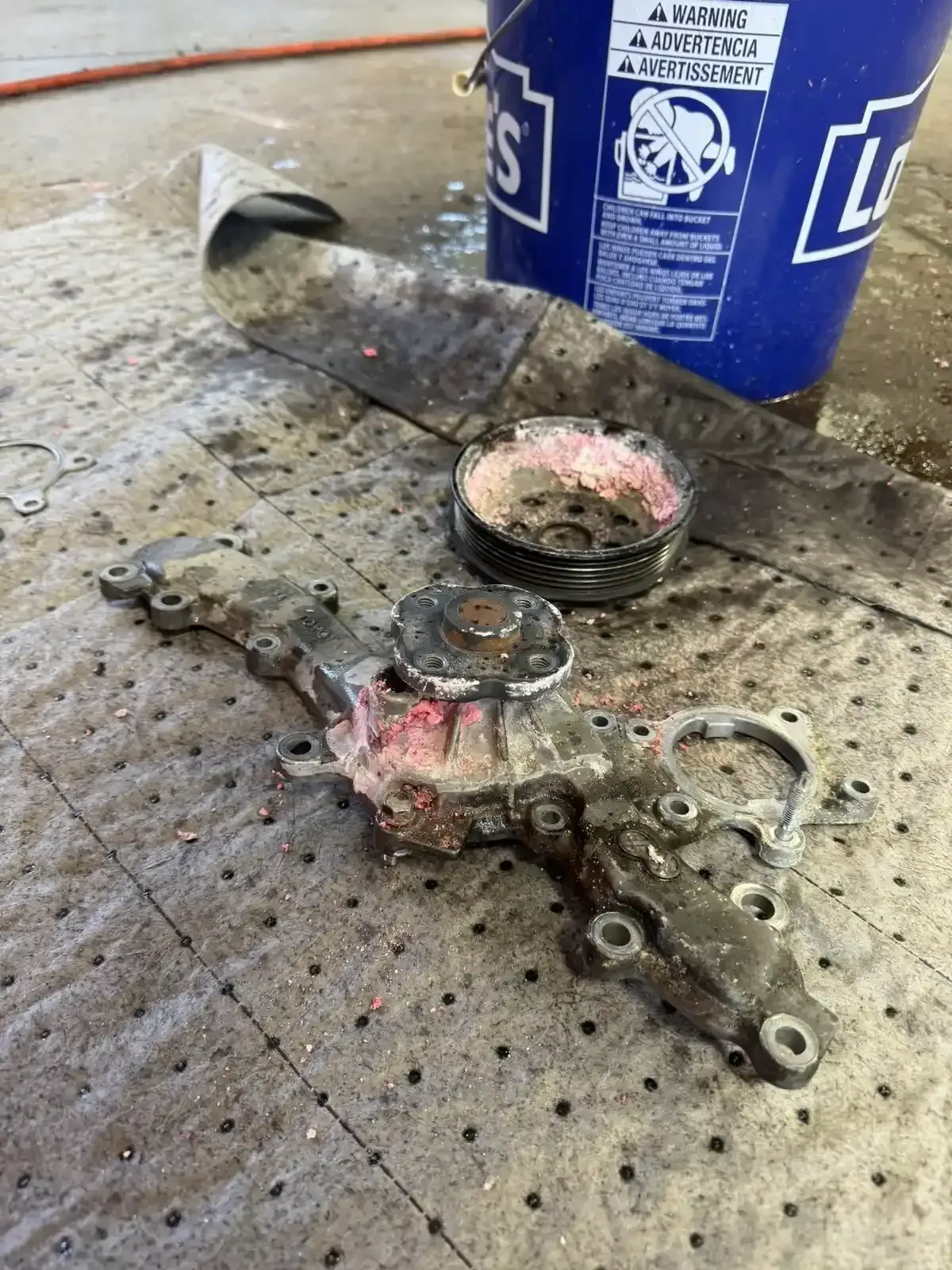
A car’s water pump can fail because of age and wear, contaminated coolant, corrosion, a damaged seal or bearing, or a problem with the belt system that drives it. When the pump...

By Sun Valley Auto Repair • October 9, 2026
There’s a new face at the front counter! Please join us in welcoming Jeff to the Sun Valley Auto Repair team.
By Sun Valley Auto Repair • October 5, 2026
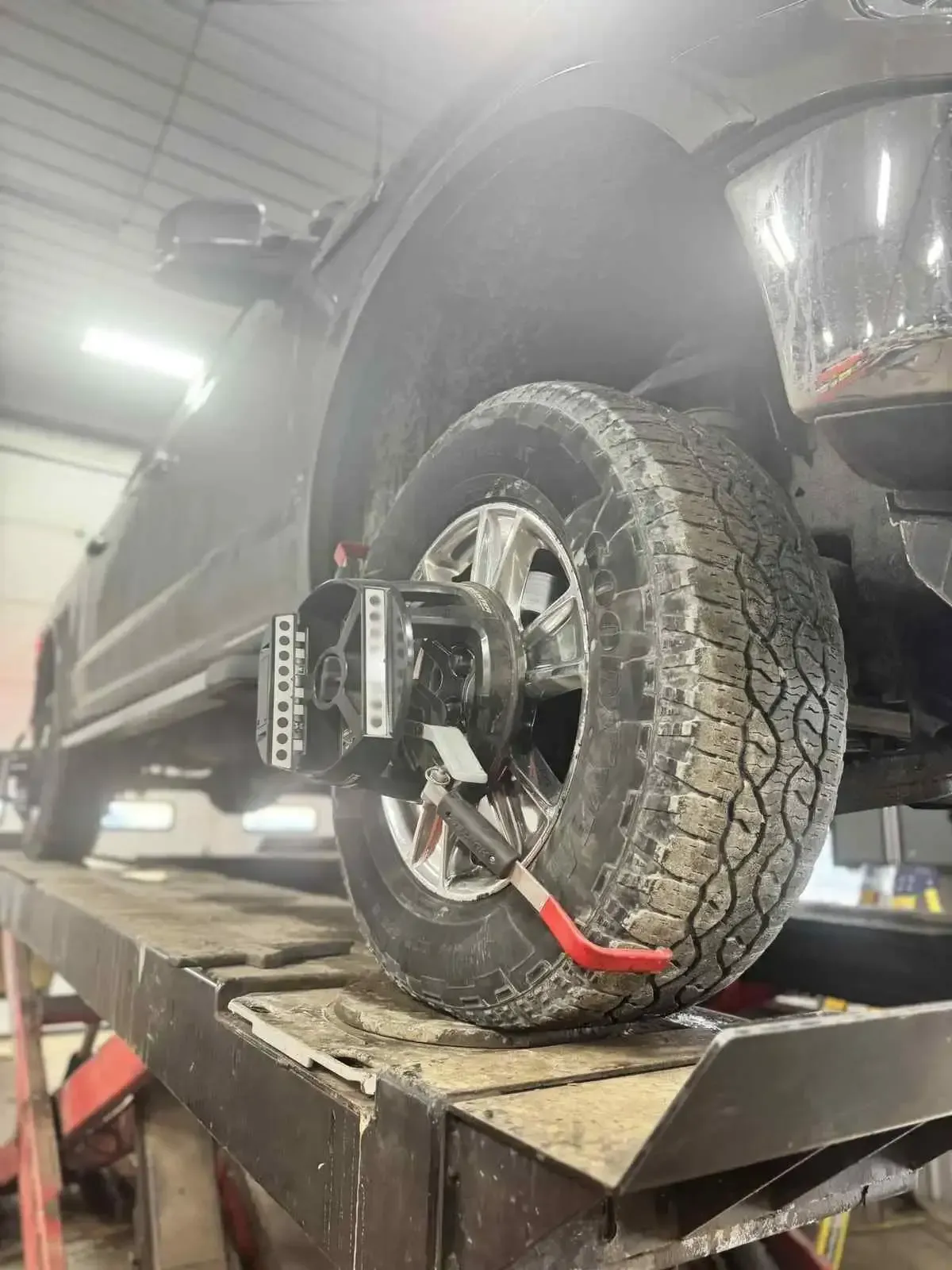
Getting new tires does not automatically mean your vehicle needs an alignment adjustment. It is, however, a good time to have the alignment checked. If your old tires wore...
By Sun Valley Auto Repair • September 28, 2026
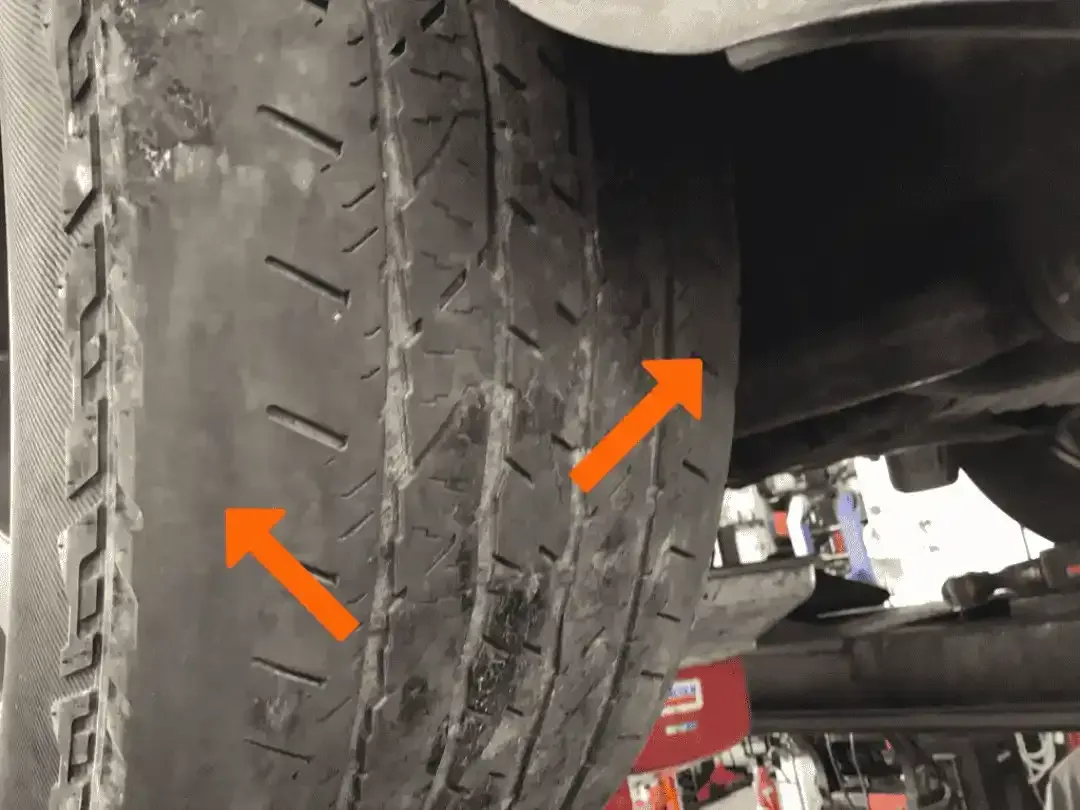
Before winter arrives in Ohio, check your tires for low tread, uneven wear, cracks, bulges and repeated air-pressure loss. Tires should have at least 2/32 inch of tread to remain...
By Sun Valley Auto Repair • August 31, 2026
You turn on your car’s A/C expecting a blast of cold air, but instead you get warm—or barely cool—air coming through the vents. What’s going on?
By Sun Valley Auto Repair • August 18, 2026
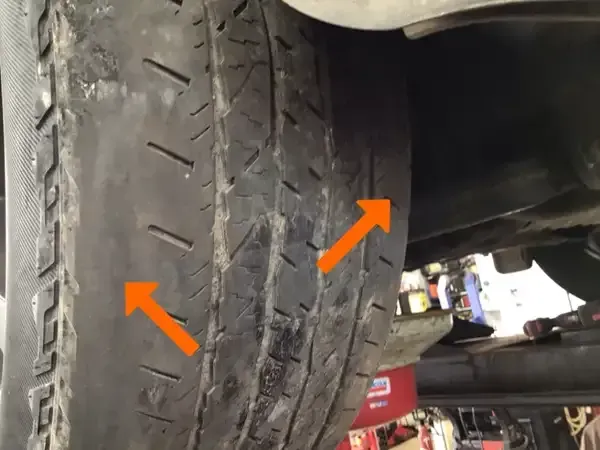
If you've noticed that one edge of your tire is wearing faster than the other, bald spots are developing, or one tire looks noticeably different from the others, your vehicle may...
By Sun Valley Auto Repair • August 12, 2026
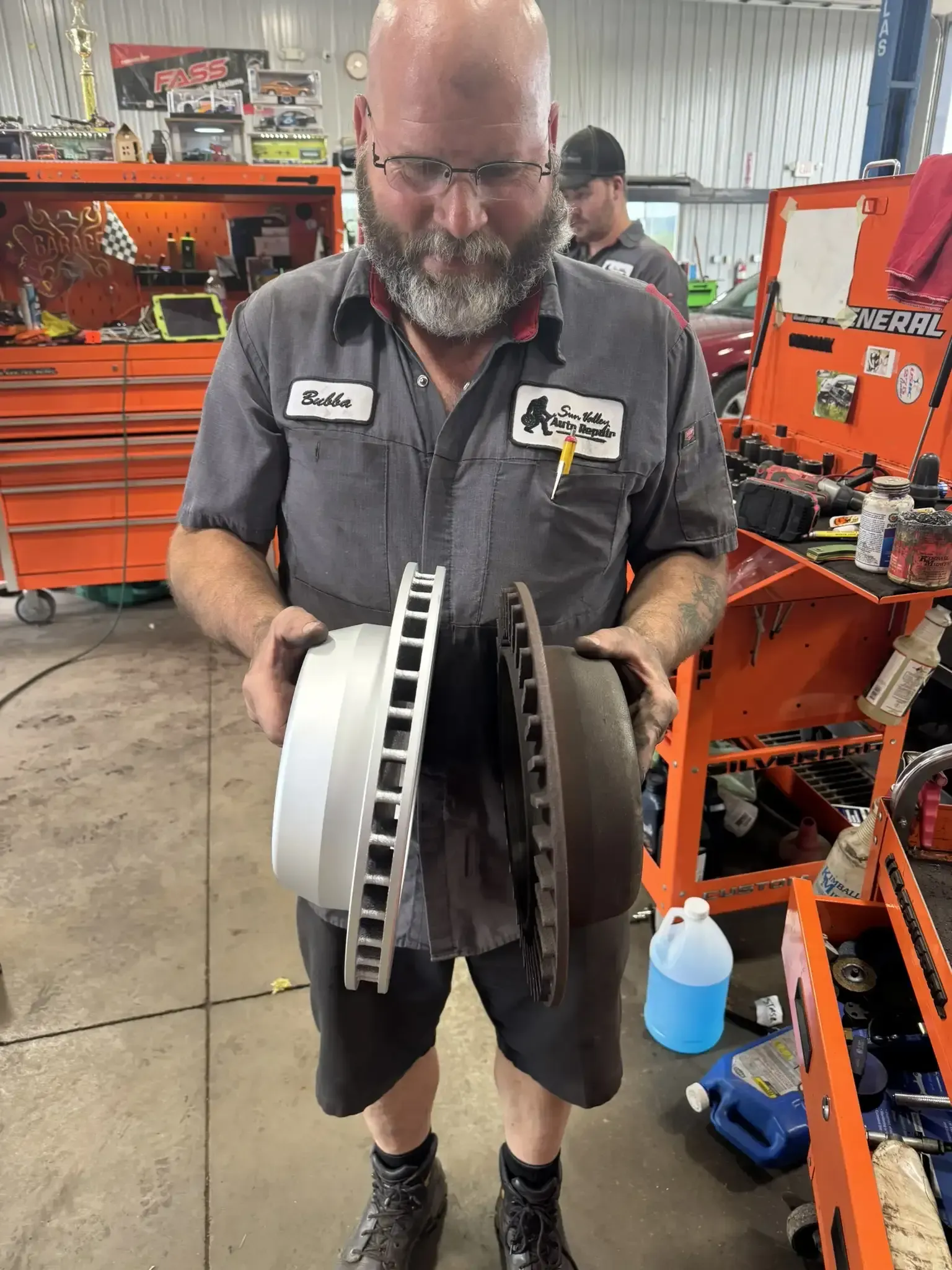
If you've started hearing a grinding noise when you press the brake pedal , don't ignore it. Grinding brakes can be caused by something as simple as surface rust, but they can...
By Sun Valley Auto Repair • July 30, 2026
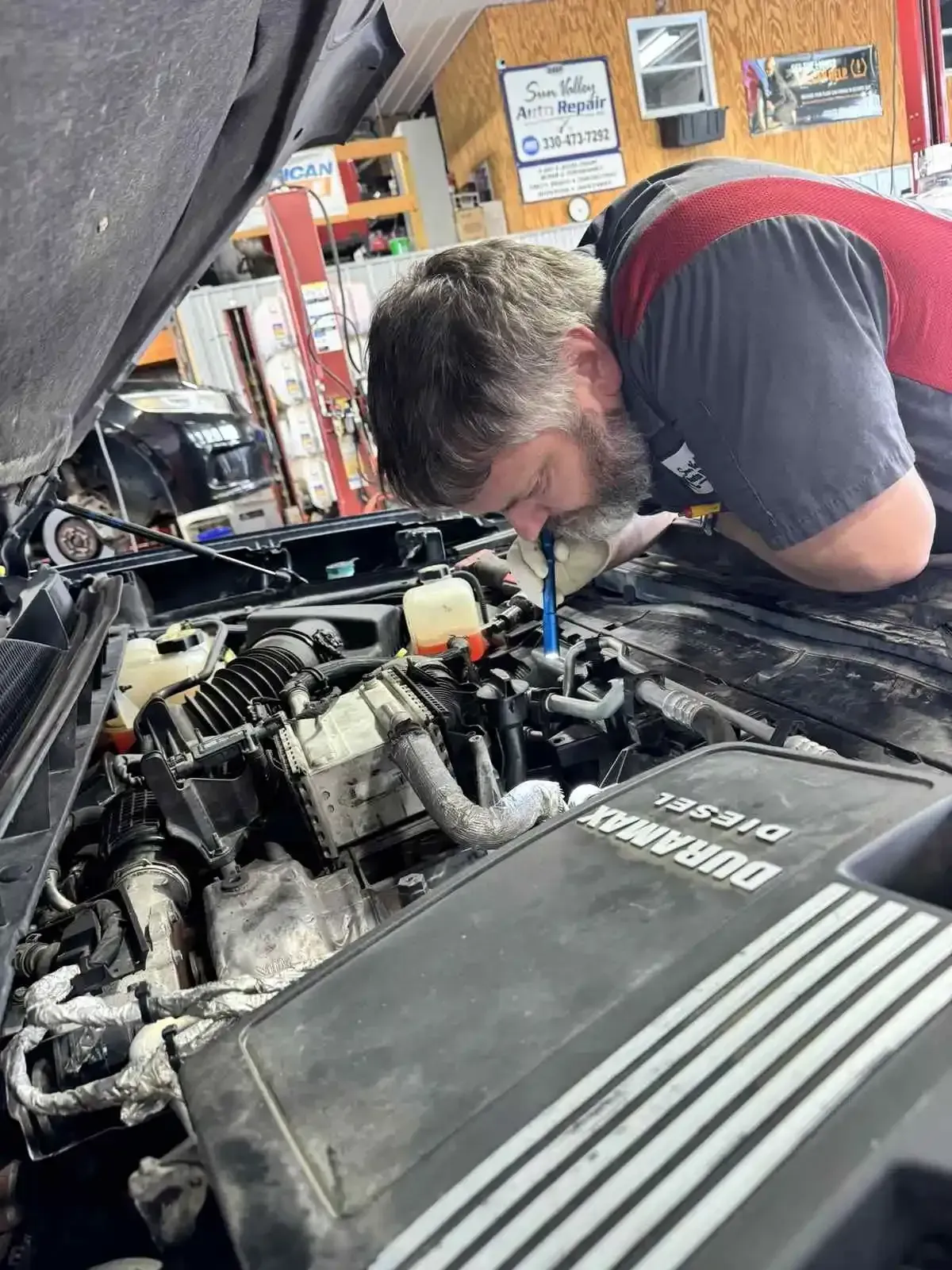
Have you ever wondered what your mechanic is actually looking at when they inspect your vehicle?
By Sun Valley Auto Repair • July 16, 2026
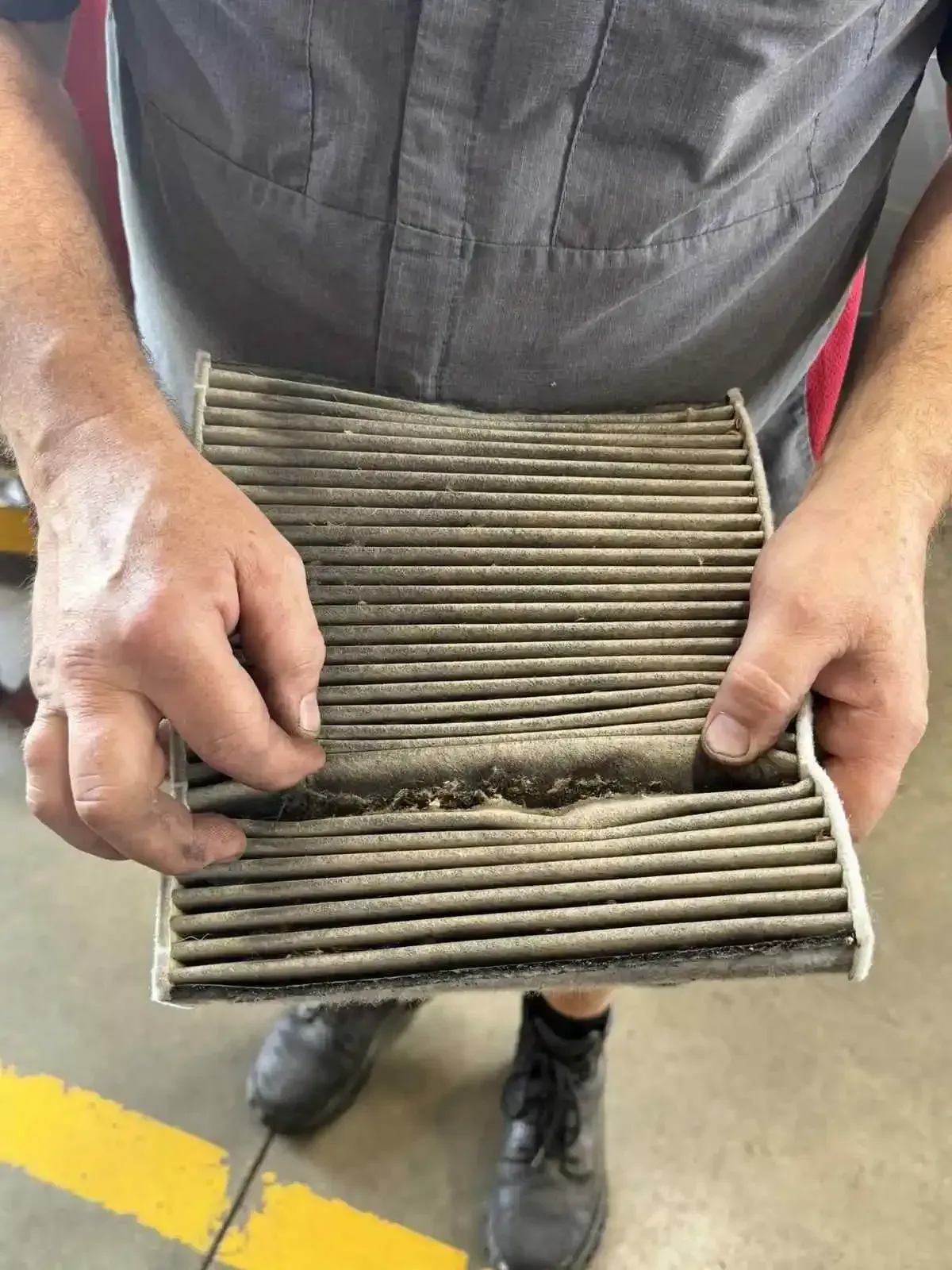
If your business depends on a work truck, van, or commercial fleet, keeping your vehicles properly maintained isn't just good practice—it's essential to protecting your bottom...
By Sun Valley Auto Repair • July 10, 2026
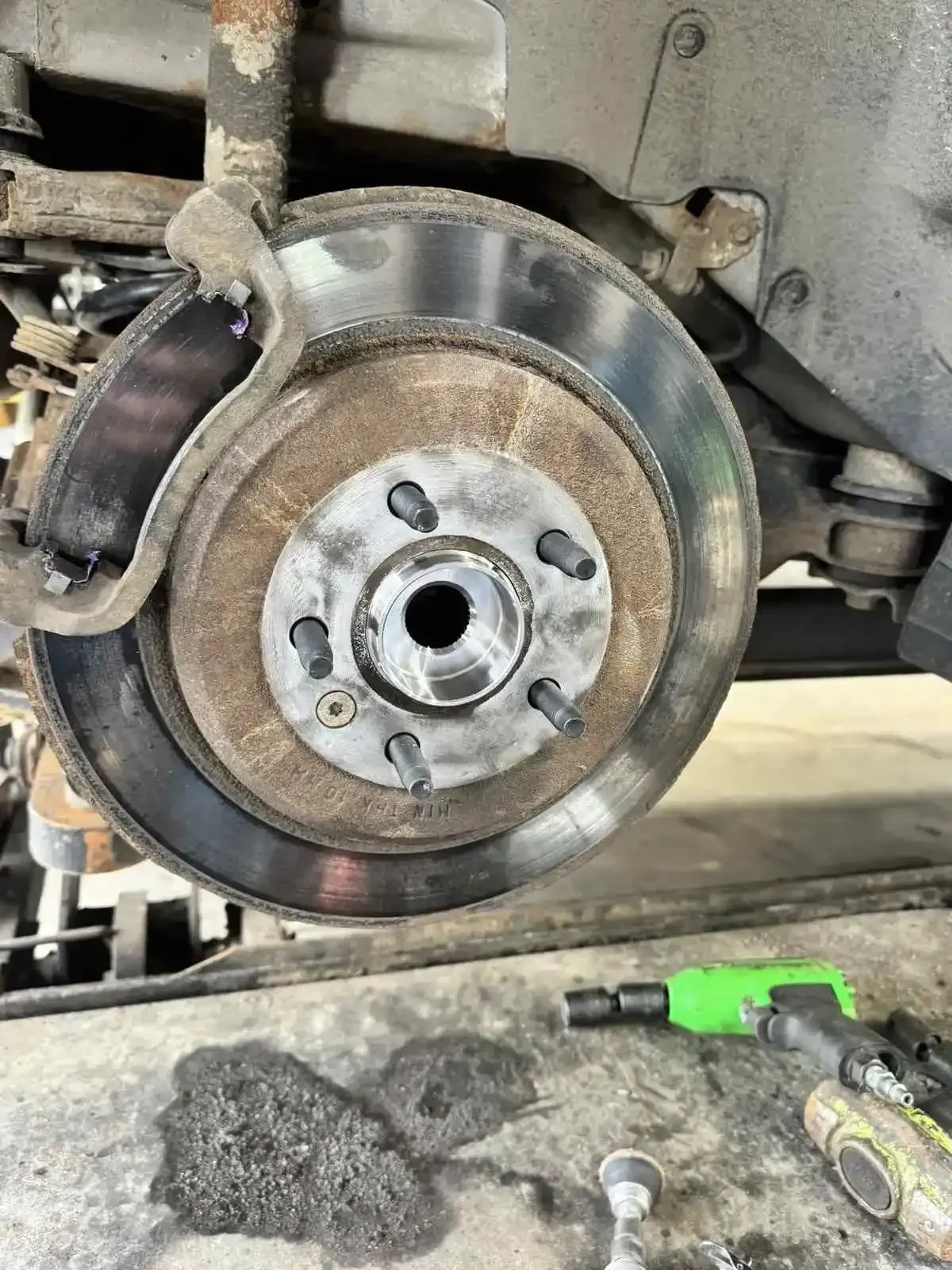
Short answer: Yes—in most cases, we recommend replacing your brake rotors and brake pads at the same time.

Show More