Top 3 Reasons Your Check Engine Light Might Be On

February 19, 2025

Share this article

Top 3 Reasons Your Check Engine Light Might Be On

That pesky check engine light—when it comes on, it’s hard not to panic. Is it something minor or a sign of a bigger problem? While it can be alarming, the light is your car’s way of saying, “Hey, something’s not right!” Here are the top three reasons your check engine light might be on and what you should do about it.

1. A Loose or Faulty Gas Cap

Believe it or not, one of the most common reasons for a check engine light is a loose or damaged gas cap. The gas cap helps seal the fuel system and maintain pressure. If it’s not secured properly or has cracks, it can trigger the light.

FAQs: Can I drive with a loose gas cap? Yes, but it’s best to fix it promptly to avoid reduced fuel efficiency and higher emissions. How do I know if my gas cap is the problem? Check if it’s tightly secured. If the light remains on, have it inspected by a professional.

2. Faulty Oxygen Sensor

The oxygen (O2) sensor monitors the amount of unburned oxygen in your car’s exhaust and helps regulate fuel efficiency. If it’s not working properly, your car may burn more fuel than necessary, reducing performance and increasing emissions.

FAQs: How long can I drive with a bad oxygen sensor? Driving too long with a faulty O2 sensor can damage your catalytic converter, so it’s best to address it quickly. What are the symptoms of a bad oxygen sensor? Poor fuel economy, rough idling, and engine misfires are common signs.

3. Issues with the Spark Plugs or Ignition System

Worn or damaged spark plugs, ignition coils, or spark plug wires can cause misfires, leading to poor engine performance and triggering the check engine light.

FAQs: What happens if I ignore bad spark plugs? Ignoring bad spark plugs can cause engine misfires, reduced power, and damage to other components like the catalytic converter. How often should spark plugs be replaced? Most spark plugs should be replaced every 30,000–100,000 miles, depending on the type and your vehicle’s manufacturer recommendations.

What Should You Do When the Check Engine Light Comes On?

  1. Don’t Ignore It: Even if your car seems to run fine, the light indicates an issue that could worsen over time.

  2. Check the Gas Cap: Start with the simplest solution—tighten or replace the gas cap if needed.

  3. Schedule a Diagnostic Check: If the light stays on, visit a trusted mechanic for a full diagnostic to identify and fix the problem.

FAQs: Can I reset the check engine light myself? You can, but it’s not recommended unless you’re certain the issue has been resolved. Otherwise, the light will likely come back on. Is it safe to drive with the check engine light on? If the light is steady, it’s usually safe to drive to a repair shop. If it’s flashing, pull over and have your car towed to avoid further damage.

Why Choose Sun Valley Auto Repair for Diagnostics?

At Sun Valley Auto Repair , our certified technicians use advanced diagnostic tools to pinpoint the exact issue behind your check engine light. With our digital vehicle inspections , you’ll receive a detailed report with photos, so you’ll know exactly what’s going on.

Schedule your diagnostic service today
Call us: 330-473-7292

FAQs for Sun Valley Auto Repair:


How long does a diagnostic check take? Most diagnostic tests take 30–60 minutes, depending on the issue. Do you offer loaner cars? Yes! We provide free loaner cars so you can stay on schedule while your vehicle is being serviced.

When that check engine light comes on, don’t let it stress you out. Whether it’s a simple fix or something more complex, Sun Valley Auto Repair has you covered. Schedule your appointment today and drive with peace of mind!

#CheckEngineLight #CarCareTips #SunValleyAutoRepairLLC #DriveConfidently


Recent Posts

By Sun Valley Auto Repair • October 9, 2026
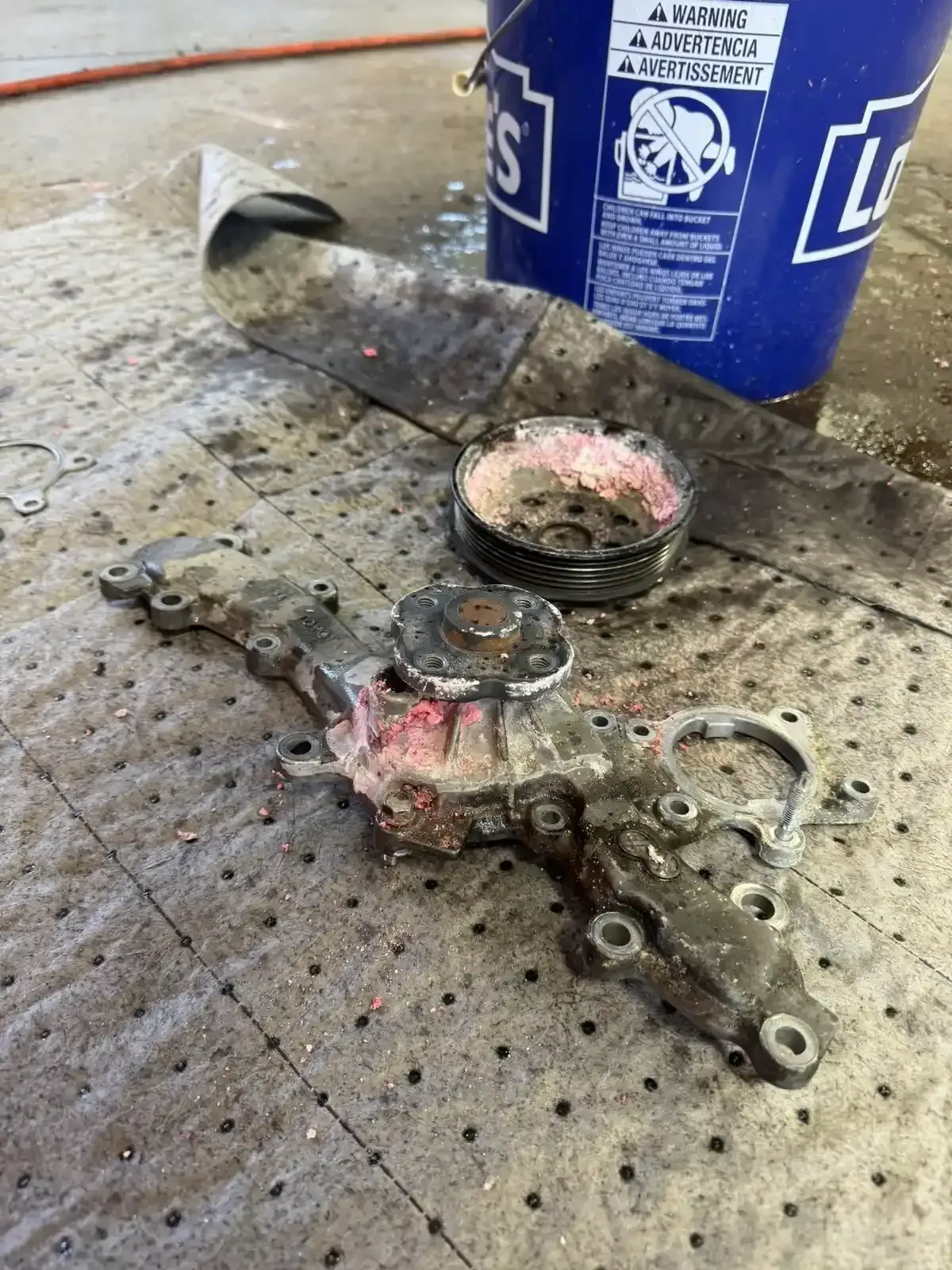
A car’s water pump can fail because of age and wear, contaminated coolant, corrosion, a damaged seal or bearing, or a problem with the belt system that drives it. When the pump...

By Sun Valley Auto Repair • October 9, 2026
There’s a new face at the front counter! Please join us in welcoming Jeff to the Sun Valley Auto Repair team.
By Sun Valley Auto Repair • October 5, 2026
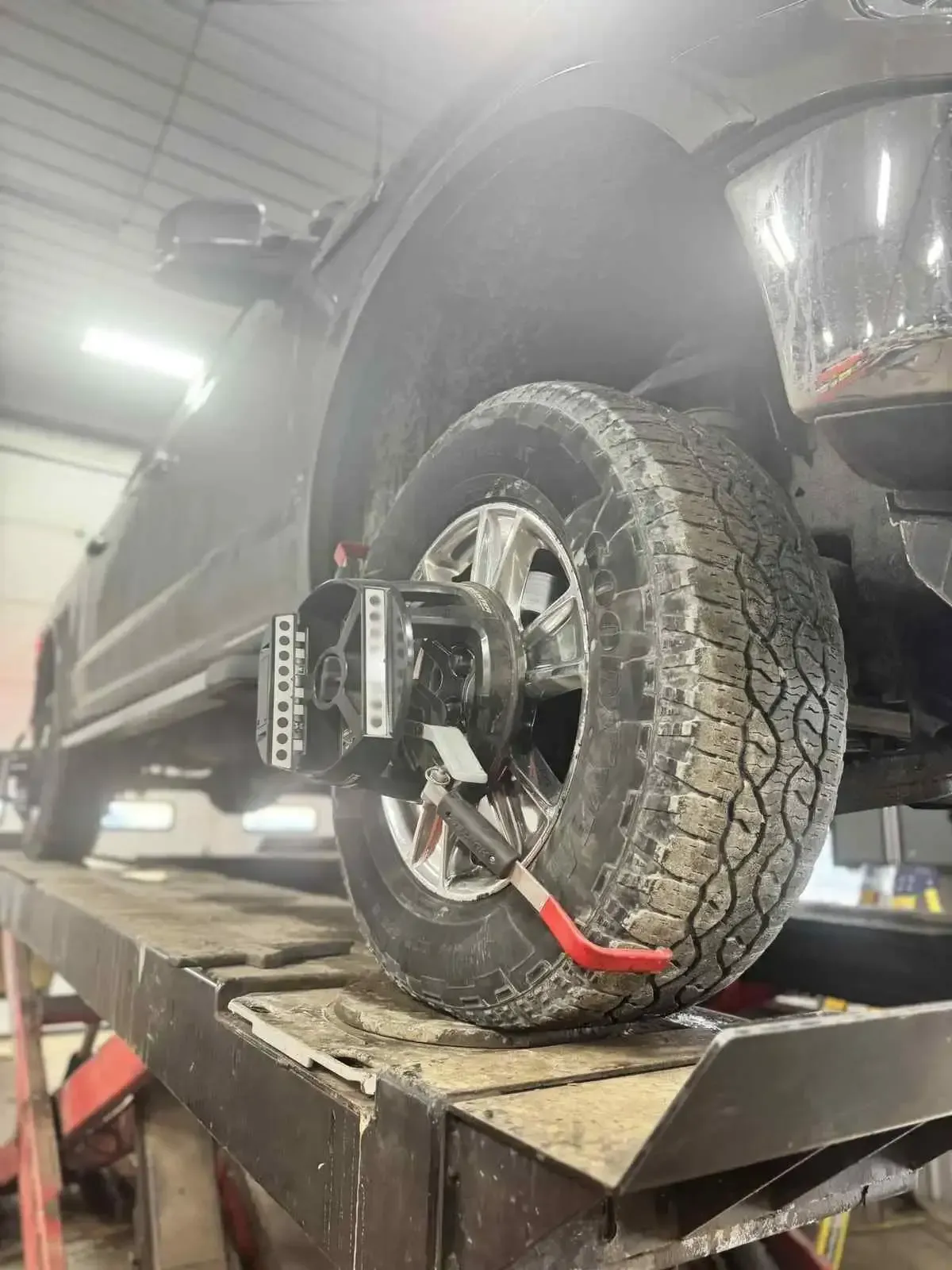
Getting new tires does not automatically mean your vehicle needs an alignment adjustment. It is, however, a good time to have the alignment checked. If your old tires wore...
By Sun Valley Auto Repair • September 28, 2026
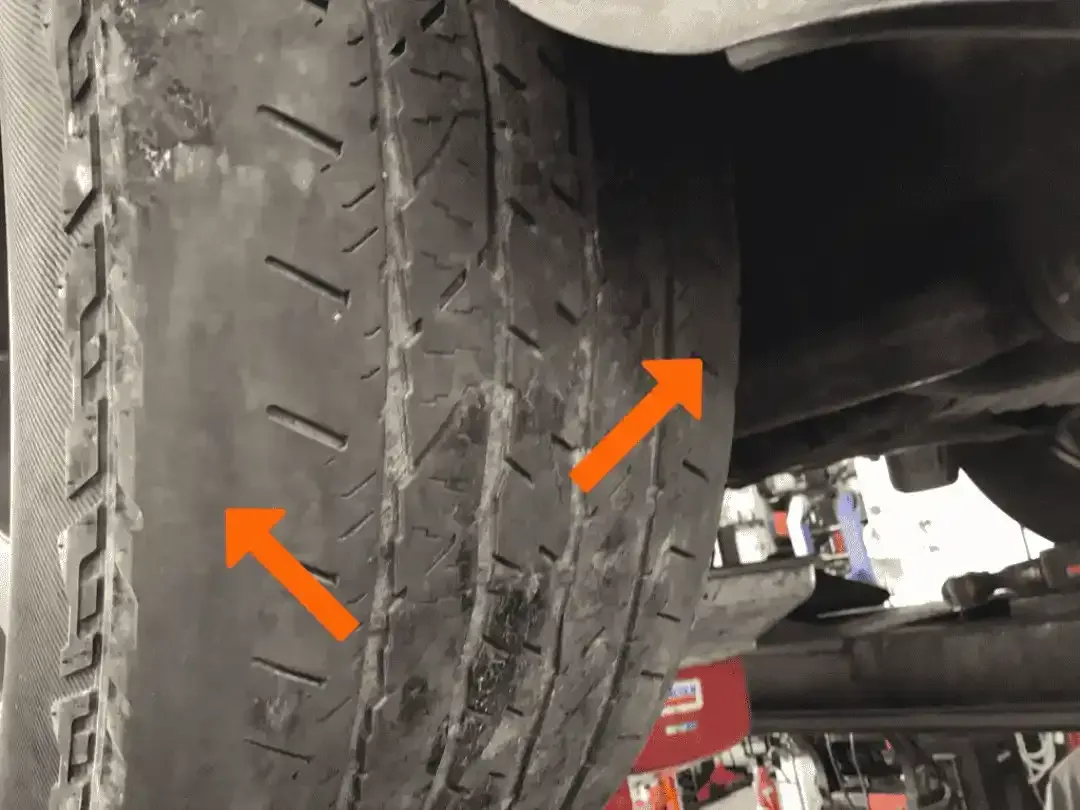
Before winter arrives in Ohio, check your tires for low tread, uneven wear, cracks, bulges and repeated air-pressure loss. Tires should have at least 2/32 inch of tread to remain...
By Sun Valley Auto Repair • August 31, 2026
You turn on your car’s A/C expecting a blast of cold air, but instead you get warm—or barely cool—air coming through the vents. What’s going on?
By Sun Valley Auto Repair • August 18, 2026
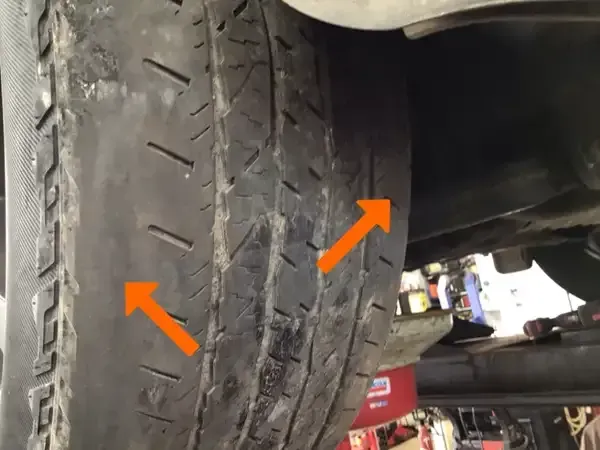
If you've noticed that one edge of your tire is wearing faster than the other, bald spots are developing, or one tire looks noticeably different from the others, your vehicle may...
By Sun Valley Auto Repair • August 12, 2026
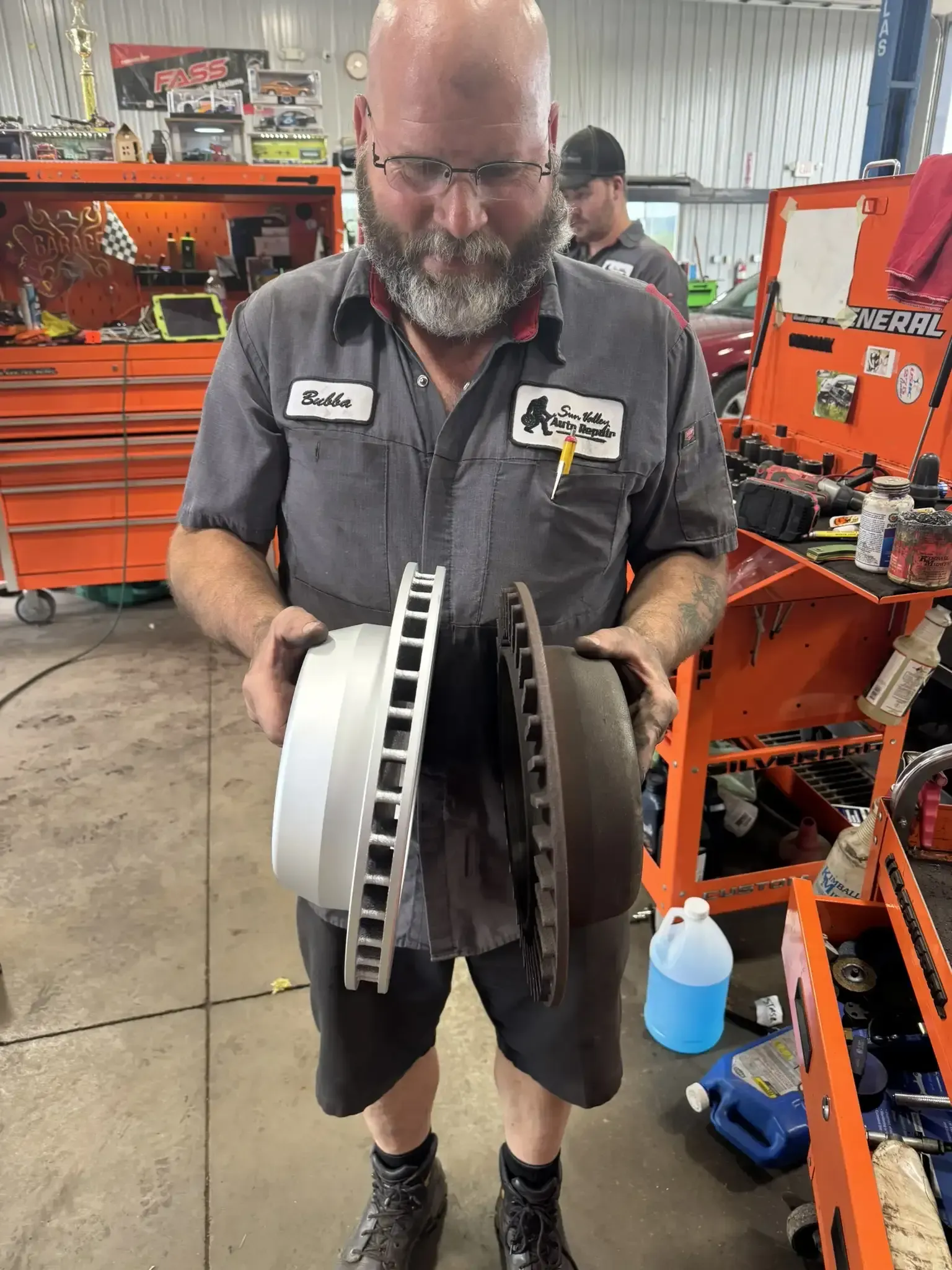
If you've started hearing a grinding noise when you press the brake pedal , don't ignore it. Grinding brakes can be caused by something as simple as surface rust, but they can...
By Sun Valley Auto Repair • July 30, 2026
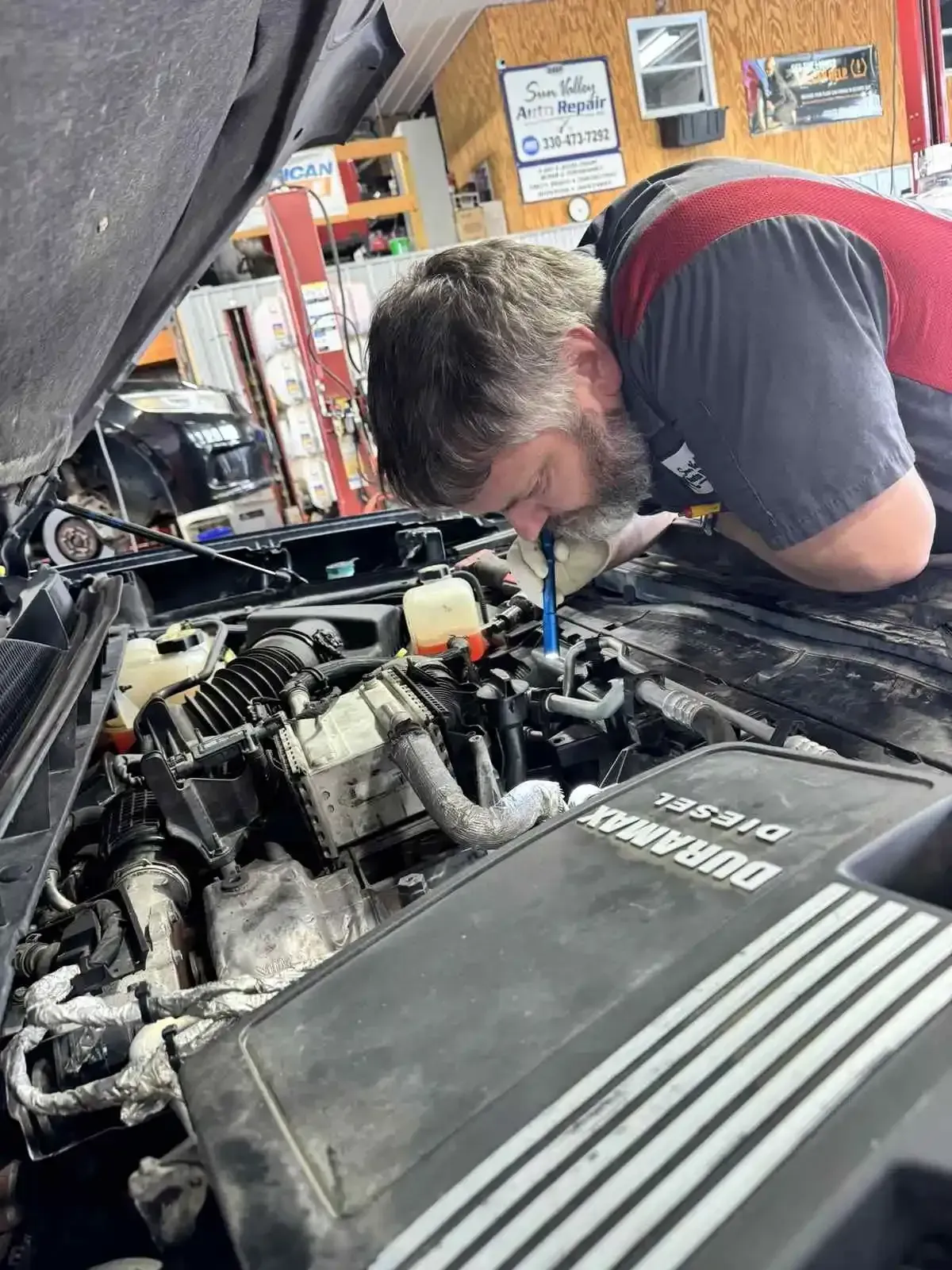
Have you ever wondered what your mechanic is actually looking at when they inspect your vehicle?
By Sun Valley Auto Repair • July 16, 2026
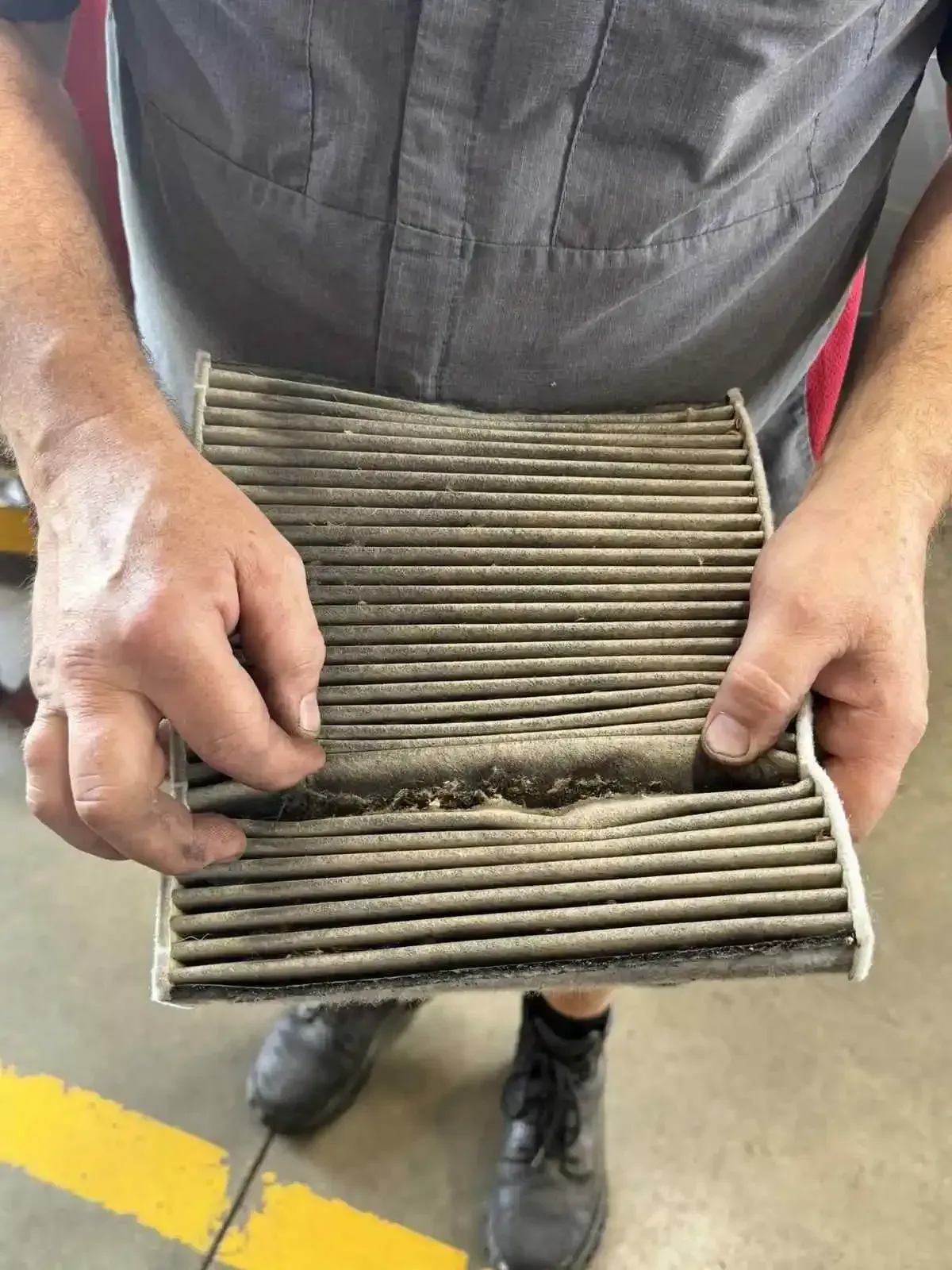
If your business depends on a work truck, van, or commercial fleet, keeping your vehicles properly maintained isn't just good practice—it's essential to protecting your bottom...
By Sun Valley Auto Repair • July 10, 2026
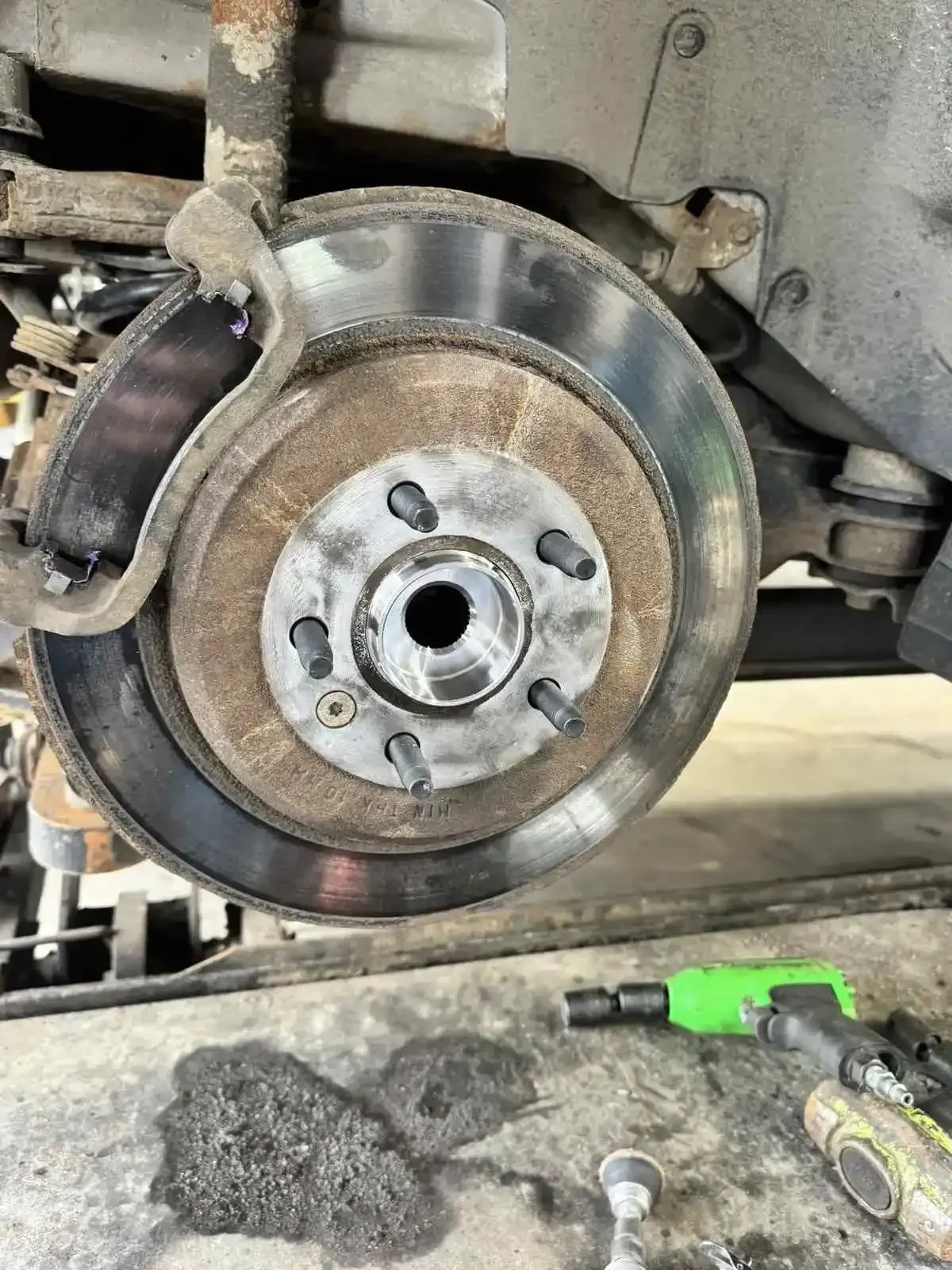
Short answer: Yes—in most cases, we recommend replacing your brake rotors and brake pads at the same time.

Show More