How to Extend the Life of Your Tires: Maintenance Tips That Work

February 21, 2025

Share this article

How to Extend the Life of Your Tires: Maintenance Tips That Work

Your tires are the only part of your car that touches the road, making them critical for safety and performance. Replacing tires can be costly, so it’s worth taking steps to extend their life. With the right maintenance habits, you can maximize your tire lifespan and save money. Here’s how to do it.

Maintain Proper Tire Pressure

Keeping your tires inflated to the recommended pressure improves fuel efficiency, handling, and wear. Underinflated or overinflated tires wear unevenly and can fail prematurely.

FAQs:

How often should I check my tire pressure?
Check it at least once a month and before long trips.

What’s the correct tire pressure for my car?
Find it in your owner’s manual or on the sticker inside the driver’s door.

Rotate Your Tires Regularly

Tire rotation ensures even wear by moving tires to different positions on your vehicle. Front tires wear faster due to steering and braking, so rotation helps balance the load.

FAQs:

How often should I rotate my tires?
Every 5,000–7,500 miles or as recommended by your vehicle’s manufacturer.

Can I rotate my tires myself?
Yes, but a professional rotation ensures it’s done correctly.

Keep Your Tires Balanced and Aligned

Unbalanced tires cause vibrations that lead to uneven wear, while misaligned wheels can make your car pull to one side and wear tires unevenly.

FAQs:

What are the signs my tires are out of balance?
Vibrations in the steering wheel or floor, especially at higher speeds.

How often should I get a wheel alignment?
Check alignment annually or whenever you notice uneven tire wear or handling issues.

Inspect Tires for Damage

Regularly inspect your tires for cuts, bulges, or uneven tread wear. Catching damage early can prevent blowouts and keep your tires in service longer.

FAQs:

How do I know if my tire tread is too low?
Use the penny test—insert a penny into the tread with Lincoln’s head facing down. If you can see the top of his head, it’s time for new tires.

Can small cracks on tires be repaired?
Small surface cracks might not be serious, but larger ones often require replacement.

Drive Smart

Aggressive driving—like hard braking, rapid acceleration, and sharp turns—puts unnecessary stress on your tires. Smooth, steady driving habits reduce wear and improve tire lifespan.

FAQs:

Does speeding affect tire wear?
Yes, higher speeds generate more heat, which can accelerate tire wear.

Can overloading my car damage my tires?
Absolutely. Overloading increases tire stress, leading to overheating and potential failure.

Why Tire Care Matters

Proper tire maintenance not only extends their life but also:

  • Improves fuel efficiency.

  • Enhances vehicle handling and safety.

  • Saves you money on replacements and repairs.

Tire Care Made Easy at Sun Valley Auto Repair

At Sun Valley Auto Repair , we’re here to help you take care of your tires. From rotations to alignments, we offer comprehensive services to keep your tires in top shape. Plus, with our Tire Care Package , you’ll enjoy added perks like free rotations, flat repairs, and road hazard protection.

Schedule your tire service today
Call us: 330-473-7292

FAQs for Sun Valley Auto Repair:

Do you offer tire inspections?
Yes, we provide free tire inspections to identify wear and damage.

Can I purchase new tires at your shop?
Absolutely! We carry a wide selection of tires to fit all makes and models.

Taking care of your tires doesn’t have to be complicated. With these simple tips and regular maintenance, you’ll get the most out of your tires and enjoy safer, smoother driving. Let Sun Valley Auto Repair be your partner in tire care—schedule your service today!

#TireCareTips #SunValleyAutoRepairLLC #DriveSafe #TireMaintenance


Recent Posts

By Sun Valley Auto Repair • October 9, 2026
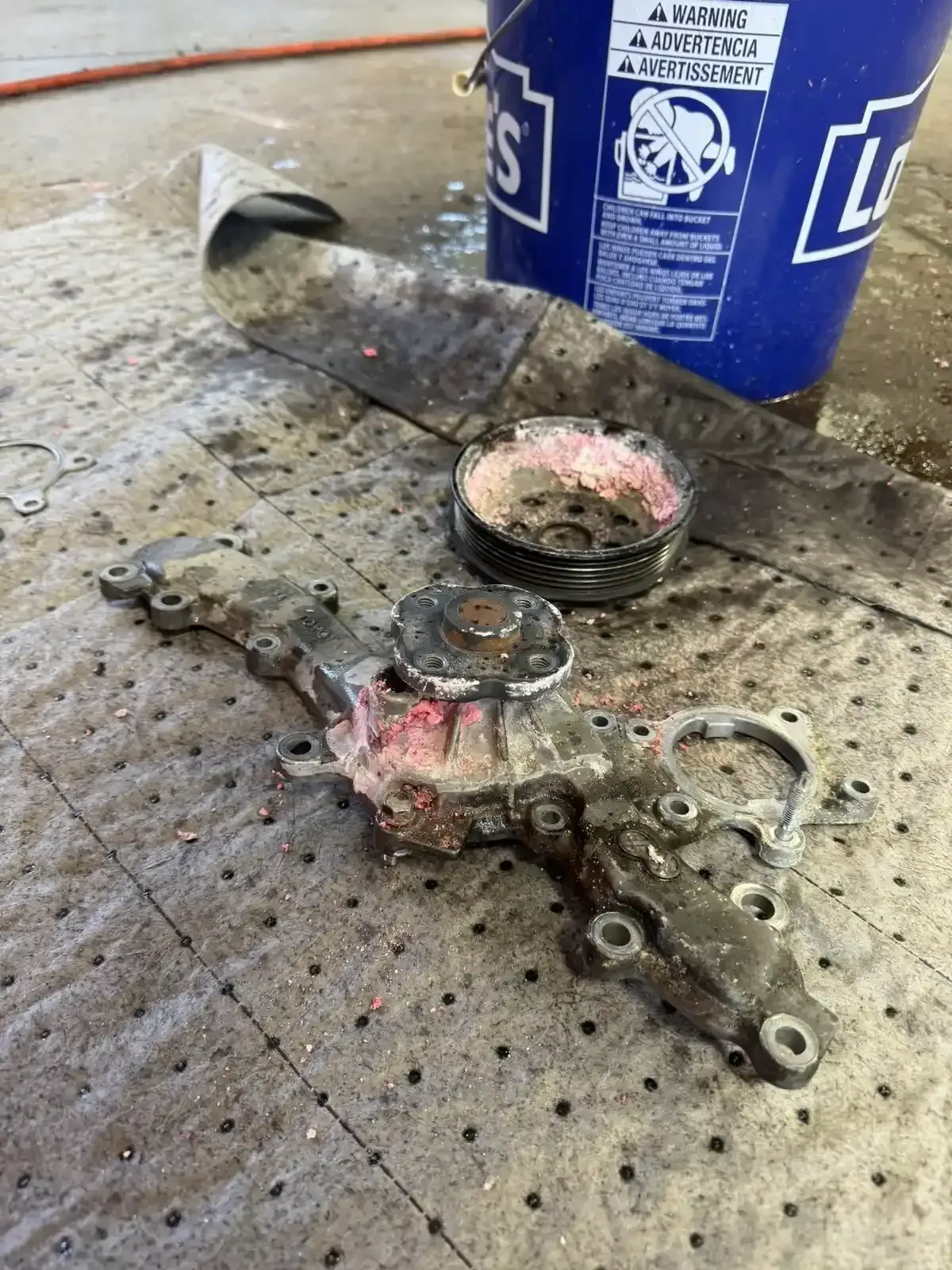
A car’s water pump can fail because of age and wear, contaminated coolant, corrosion, a damaged seal or bearing, or a problem with the belt system that drives it. When the pump...
By Sun Valley Auto Repair • October 9, 2026
There’s a new face at the front counter! Please join us in welcoming Jeff to the Sun Valley Auto Repair team.
By Sun Valley Auto Repair • October 5, 2026
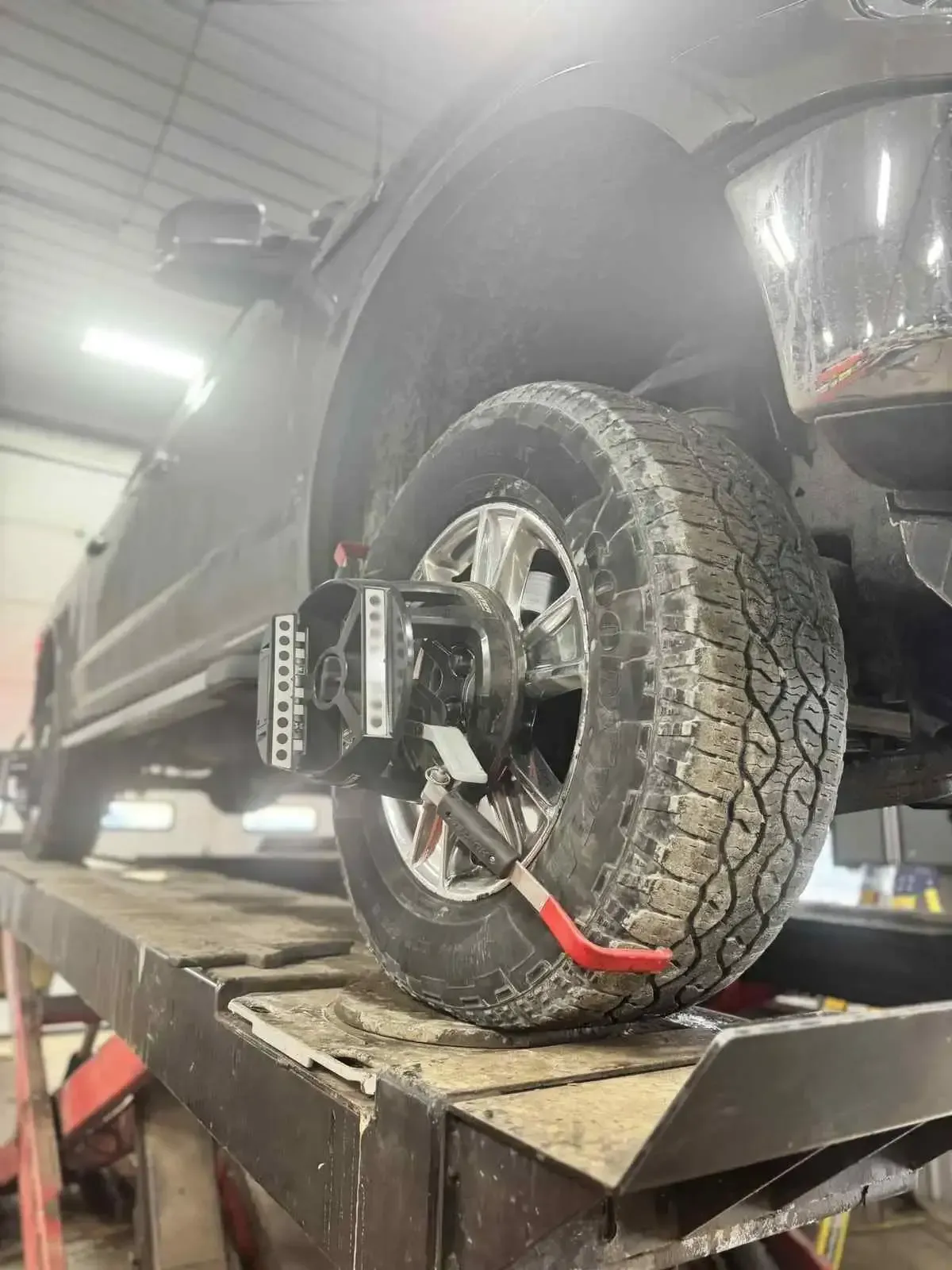
Getting new tires does not automatically mean your vehicle needs an alignment adjustment. It is, however, a good time to have the alignment checked. If your old tires wore...
By Sun Valley Auto Repair • September 28, 2026
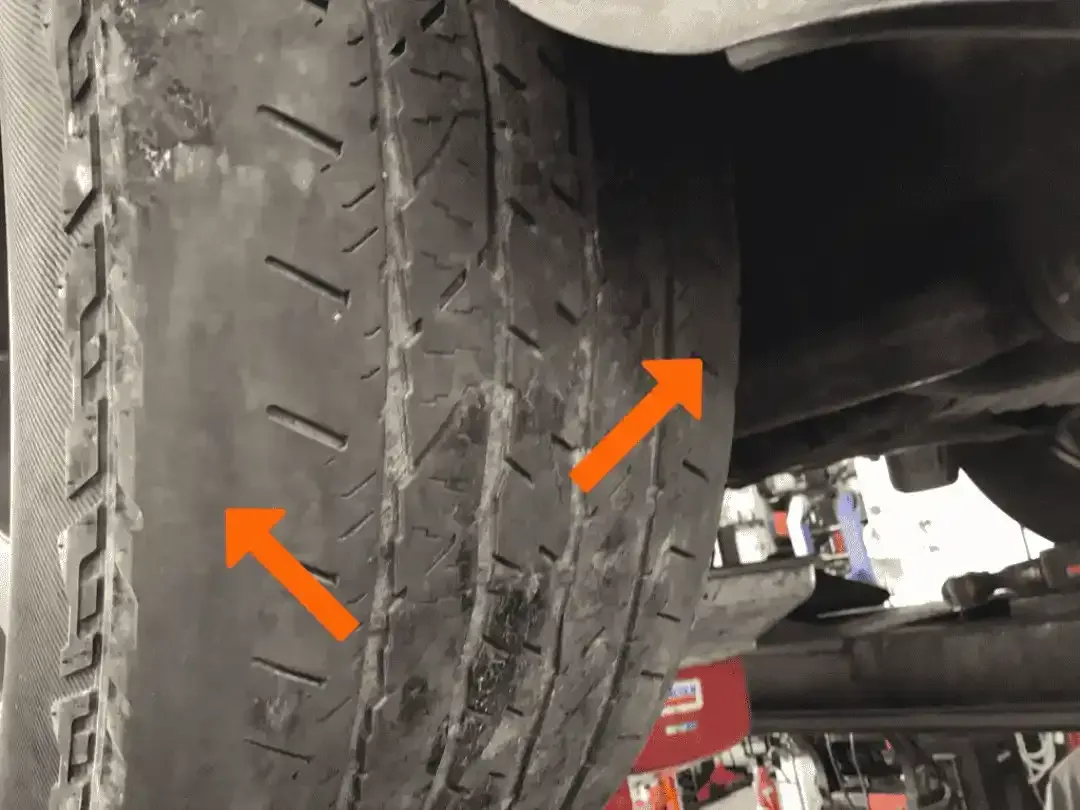
Before winter arrives in Ohio, check your tires for low tread, uneven wear, cracks, bulges and repeated air-pressure loss. Tires should have at least 2/32 inch of tread to remain...
By Sun Valley Auto Repair • August 31, 2026
You turn on your car’s A/C expecting a blast of cold air, but instead you get warm—or barely cool—air coming through the vents. What’s going on?
By Sun Valley Auto Repair • August 18, 2026
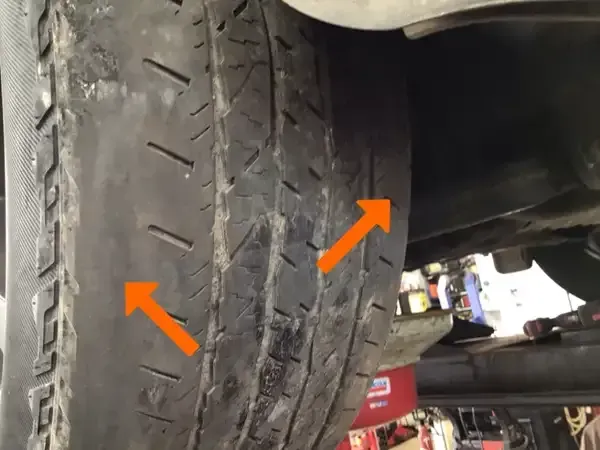
If you've noticed that one edge of your tire is wearing faster than the other, bald spots are developing, or one tire looks noticeably different from the others, your vehicle may...
By Sun Valley Auto Repair • August 12, 2026
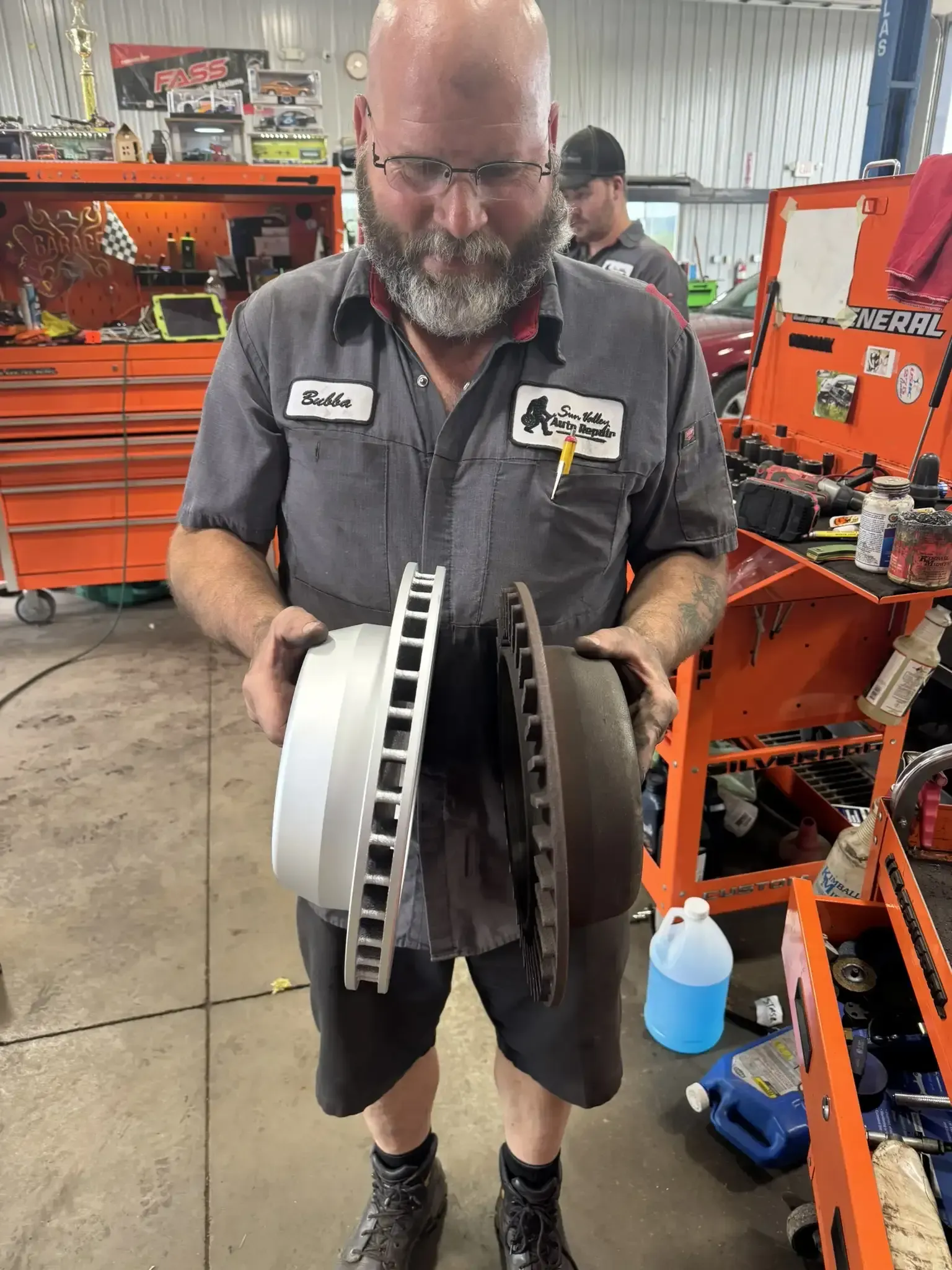
If you've started hearing a grinding noise when you press the brake pedal , don't ignore it. Grinding brakes can be caused by something as simple as surface rust, but they can...
By Sun Valley Auto Repair • July 30, 2026
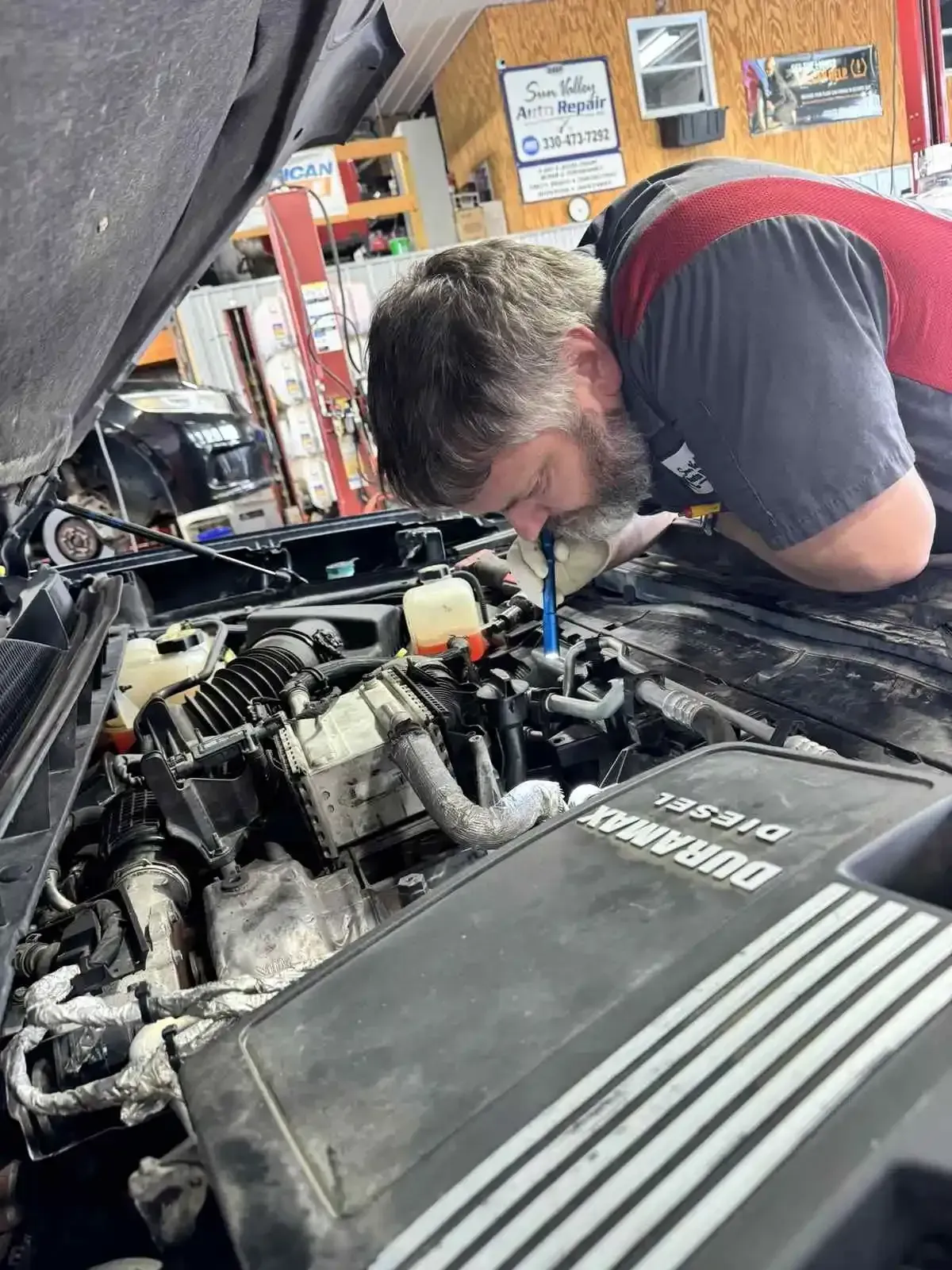
Have you ever wondered what your mechanic is actually looking at when they inspect your vehicle?
By Sun Valley Auto Repair • July 16, 2026
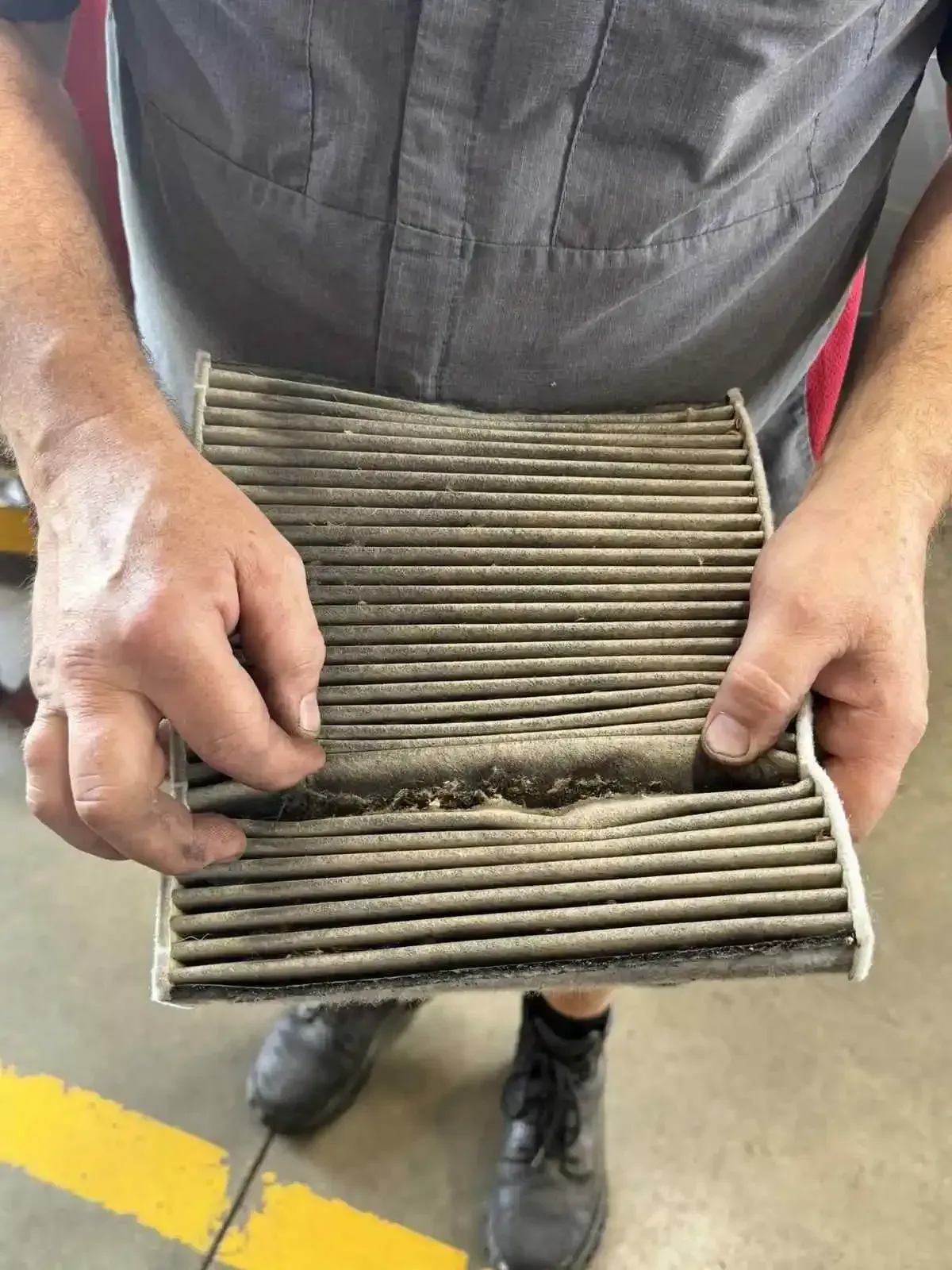
If your business depends on a work truck, van, or commercial fleet, keeping your vehicles properly maintained isn't just good practice—it's essential to protecting your bottom...
By Sun Valley Auto Repair • July 10, 2026
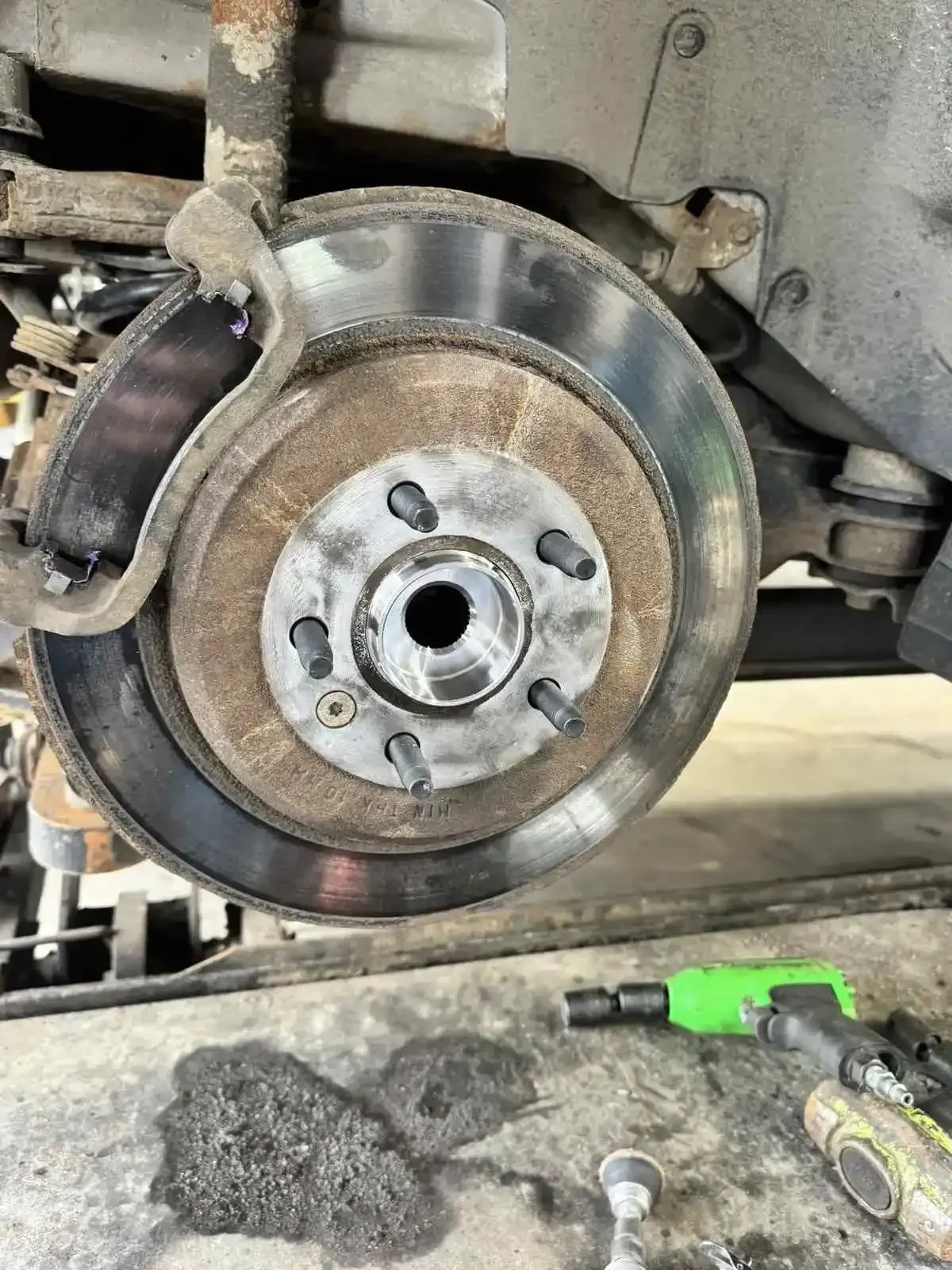
Short answer: Yes—in most cases, we recommend replacing your brake rotors and brake pads at the same time.

Show More