Winter Driving Safety: Must-Know Tips for Slick Roads

February 22, 2025

Share this article


Winter Driving Safety: Must-Know Tips for Slick Roads

Winter brings icy roads, reduced visibility, and unpredictable weather, making it one of the most challenging seasons for drivers. Staying safe on slick roads requires preparation, awareness, and the right techniques. Here are essential winter driving safety tips to help you navigate the season confidently and securely.

Prepare Your Vehicle for Winter

Before hitting the road, ensure your car is ready for winter conditions. Check your tires, wipers, and fluid levels, and make sure your battery is fully charged.

FAQs:

Do I need winter tires?
Winter tires provide better traction on snow and ice, especially if you frequently drive in harsh conditions.

What fluids should I check in winter?
Ensure you have enough windshield washer fluid, antifreeze, and oil suitable for cold temperatures.

Slow Down and Drive Smoothly

Icy roads reduce traction, so sudden movements can cause skidding. Drive slower than usual, accelerate and brake gently, and avoid sharp turns.

FAQs:

What’s the safest speed to drive on ice?
Always drive slower than the speed limit and adjust your speed based on road conditions.

How do I avoid skidding on icy roads?
Steer and brake gently. If you start to skid, steer in the direction you want to go and avoid slamming on the brakes.

Increase Following Distance

Normal following distances don’t apply in winter. Slick roads mean longer stopping distances, so give yourself extra space behind the vehicle in front of you.

FAQs:

How much distance should I leave on icy roads?
Leave at least 6–8 seconds of space between you and the car ahead.

Can anti-lock brakes help on icy roads?
Yes, ABS helps prevent wheel lockup during hard braking, allowing you to maintain control.

4. Stay Alert for Black Ice

Black ice is hard to see and forms in shaded areas, bridges, and overpasses. Drive cautiously, especially in these areas, and be ready for sudden patches of ice.

FAQs:

How can I spot black ice?
Black ice often looks like wet pavement but appears more glossy. Watch for it in temperatures near freezing.

What should I do if I hit black ice?
Stay calm, avoid braking, and gently steer to keep control of your vehicle.

5. Keep an Emergency Kit in Your Car

Winter weather can lead to unexpected delays. Be prepared with an emergency kit that includes essentials like blankets, food, water, and a flashlight.

FAQs:

What should I include in a winter emergency kit?
Add jumper cables, a first aid kit, a snow scraper, tire chains, and a portable phone charger.

How can I stay warm if I’m stranded?
Run your car’s heater periodically and use blankets or extra clothing to conserve heat.

6. Avoid Distractions and Stay Focused

Winter driving requires your full attention. Put away distractions like phones and focus on the road and surrounding conditions.

FAQs:

Is it safe to use cruise control in winter?
No, avoid cruise control on icy or snowy roads to maintain better control.

How do I stay focused during long winter drives?
Take breaks, stay hydrated, and keep your cabin comfortable—not too hot or too cold.

Why Trust Sun Valley Auto Repair for Winter Prep?

At Sun Valley Auto Repair , we’re here to help you stay safe this winter. From installing winter tires to checking your battery and brakes, our team ensures your car is ready for icy roads. Plus, our complimentary winter inspections will give you peace of mind for the season ahead.

?? Schedule your winter prep appointment today
?? Call us: 330-473-7292

FAQs for Sun Valley Auto Repair:

Do you offer winter tire installations?
Yes, we provide a wide selection of winter tires and expert installation.

Can you check my car for winter readiness?
Absolutely! Our team will inspect your tires, battery, fluids, and more to ensure you’re ready for the cold.

Winter driving can be tricky, but with these tips and the right preparation, you’ll be ready for whatever the season throws at you. Stay safe, and let Sun Valley Auto Repair keep your vehicle winter-ready.

#WinterDrivingTips #StaySafeOnTheRoad #SunValleyAutoRepairLLC #DrivePrepared


Recent Posts

By Sun Valley Auto Repair • October 9, 2026
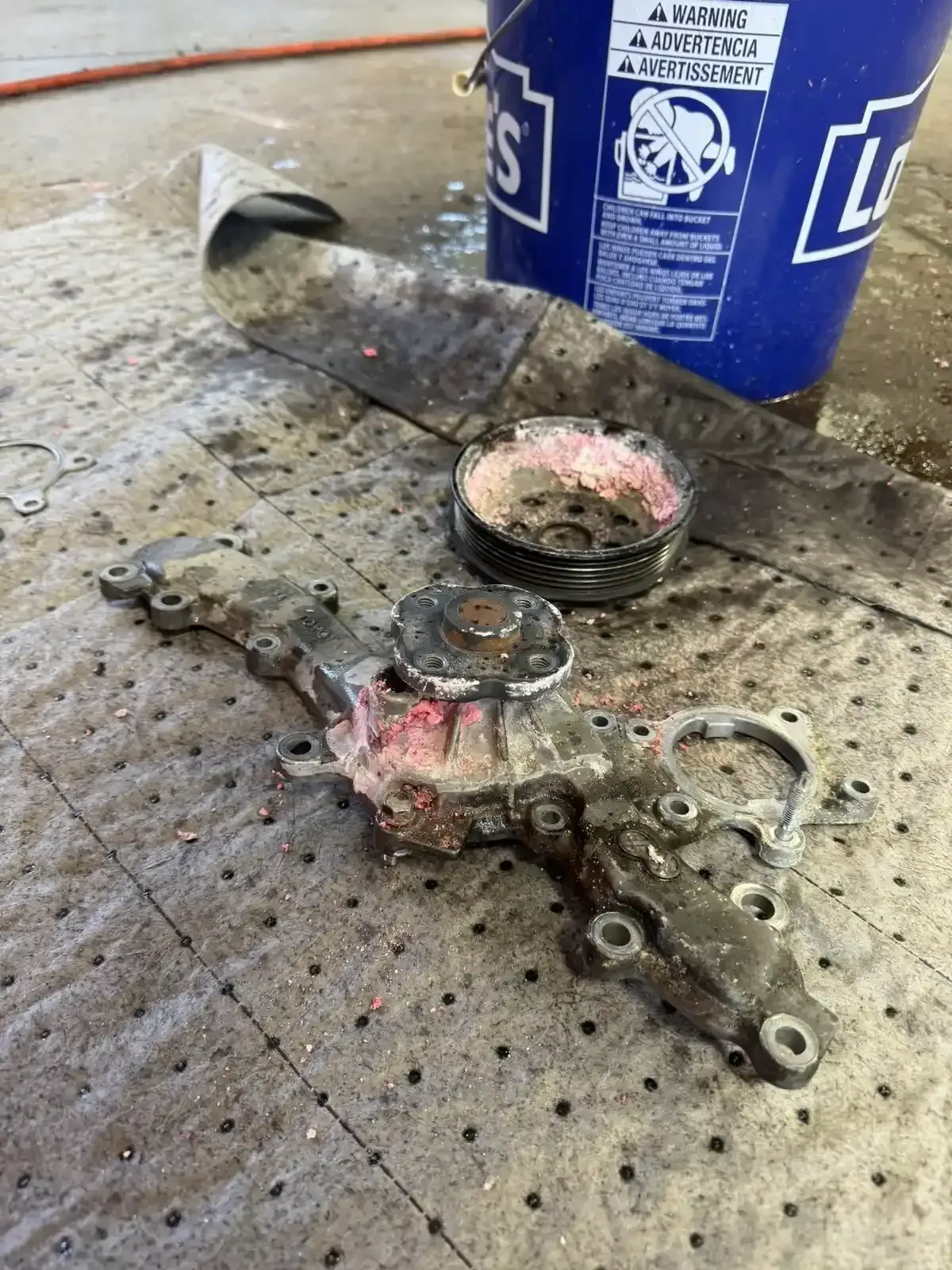
A car’s water pump can fail because of age and wear, contaminated coolant, corrosion, a damaged seal or bearing, or a problem with the belt system that drives it. When the pump...
By Sun Valley Auto Repair • October 9, 2026
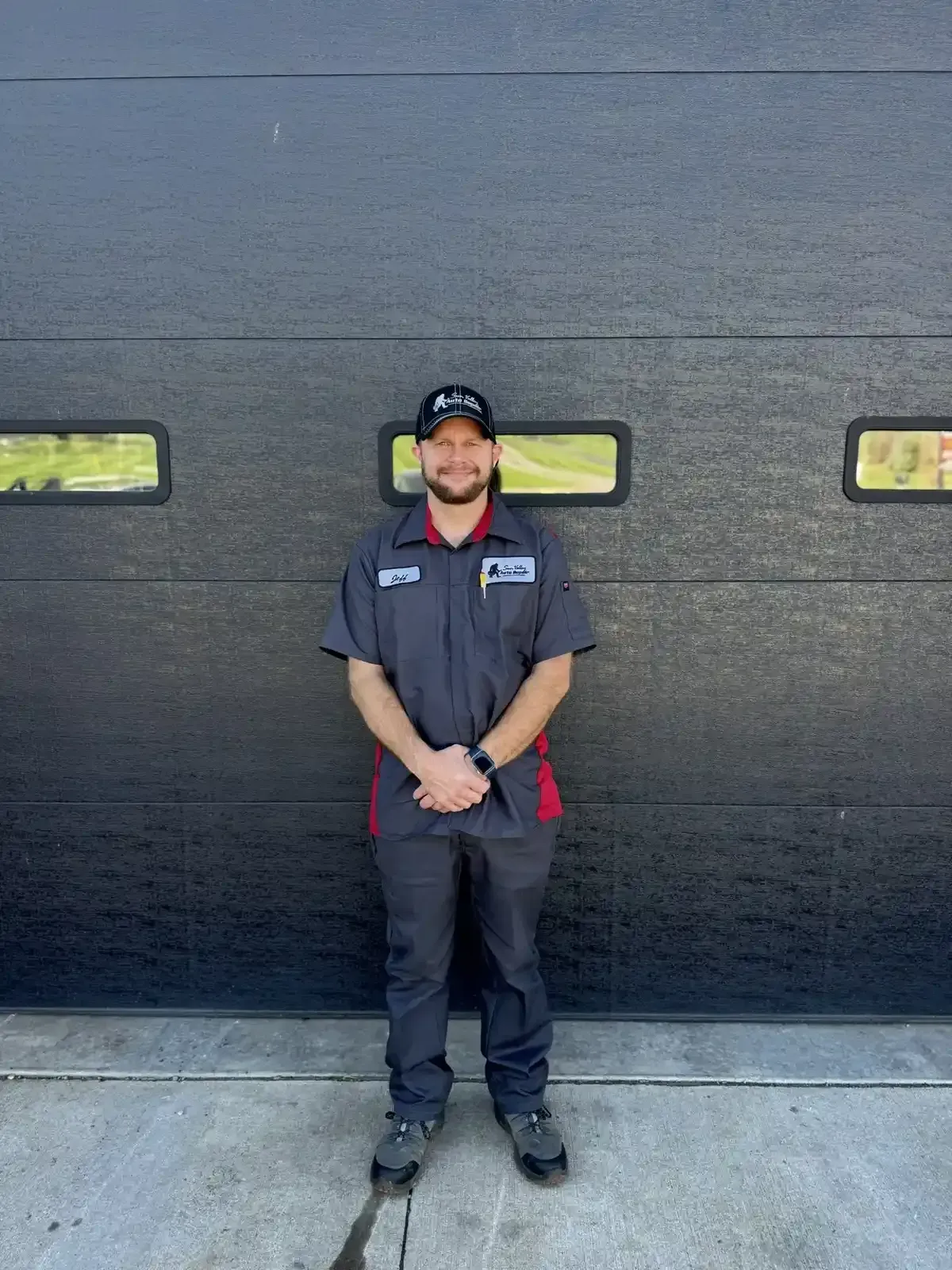
There’s a new face at the front counter! Please join us in welcoming Jeff to the Sun Valley Auto Repair team.
By Sun Valley Auto Repair • October 5, 2026
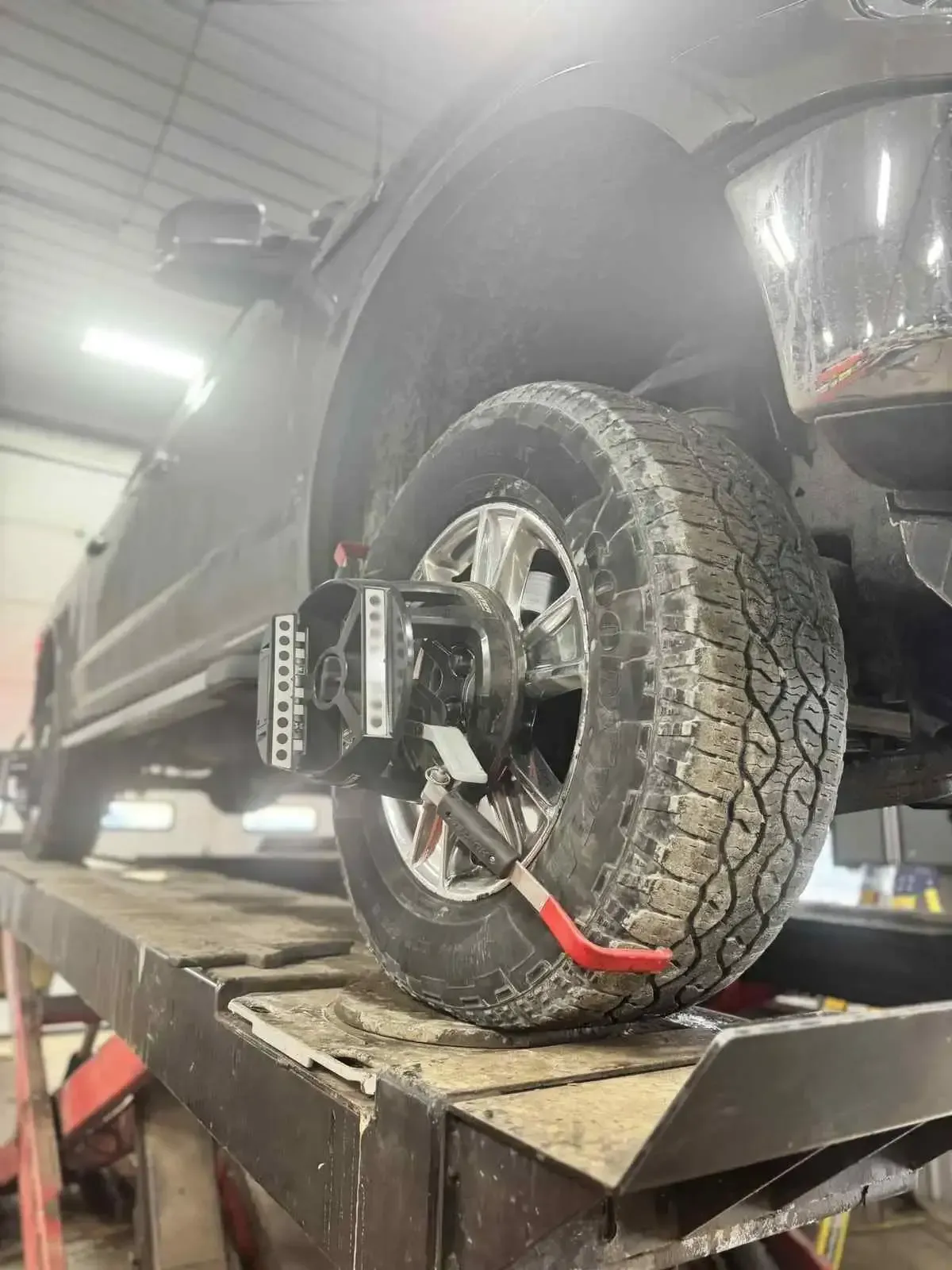
Getting new tires does not automatically mean your vehicle needs an alignment adjustment. It is, however, a good time to have the alignment checked. If your old tires wore...
By Sun Valley Auto Repair • September 28, 2026
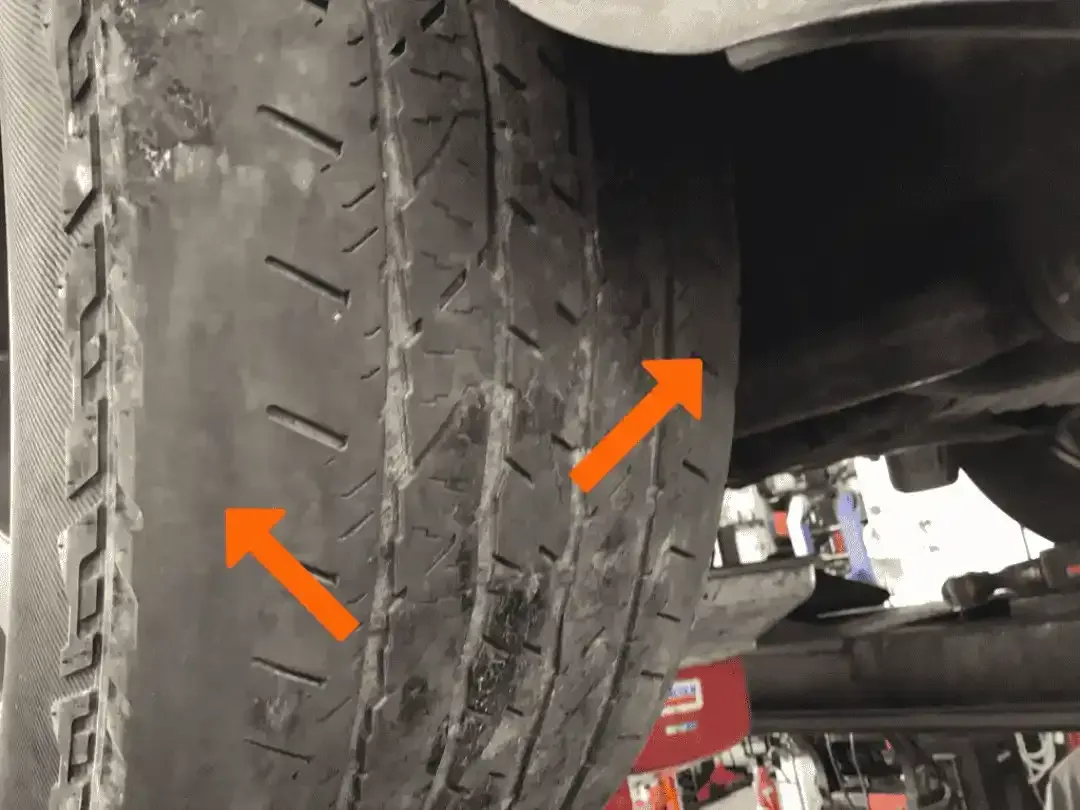
Before winter arrives in Ohio, check your tires for low tread, uneven wear, cracks, bulges and repeated air-pressure loss. Tires should have at least 2/32 inch of tread to remain...
By Sun Valley Auto Repair • August 31, 2026
You turn on your car’s A/C expecting a blast of cold air, but instead you get warm—or barely cool—air coming through the vents. What’s going on?
By Sun Valley Auto Repair • August 18, 2026
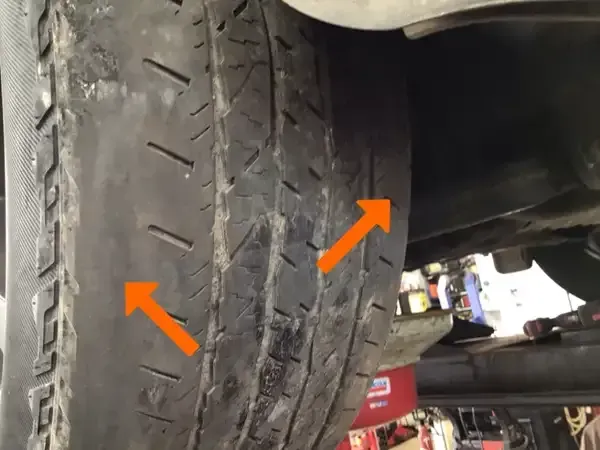
If you've noticed that one edge of your tire is wearing faster than the other, bald spots are developing, or one tire looks noticeably different from the others, your vehicle may...
By Sun Valley Auto Repair • August 12, 2026
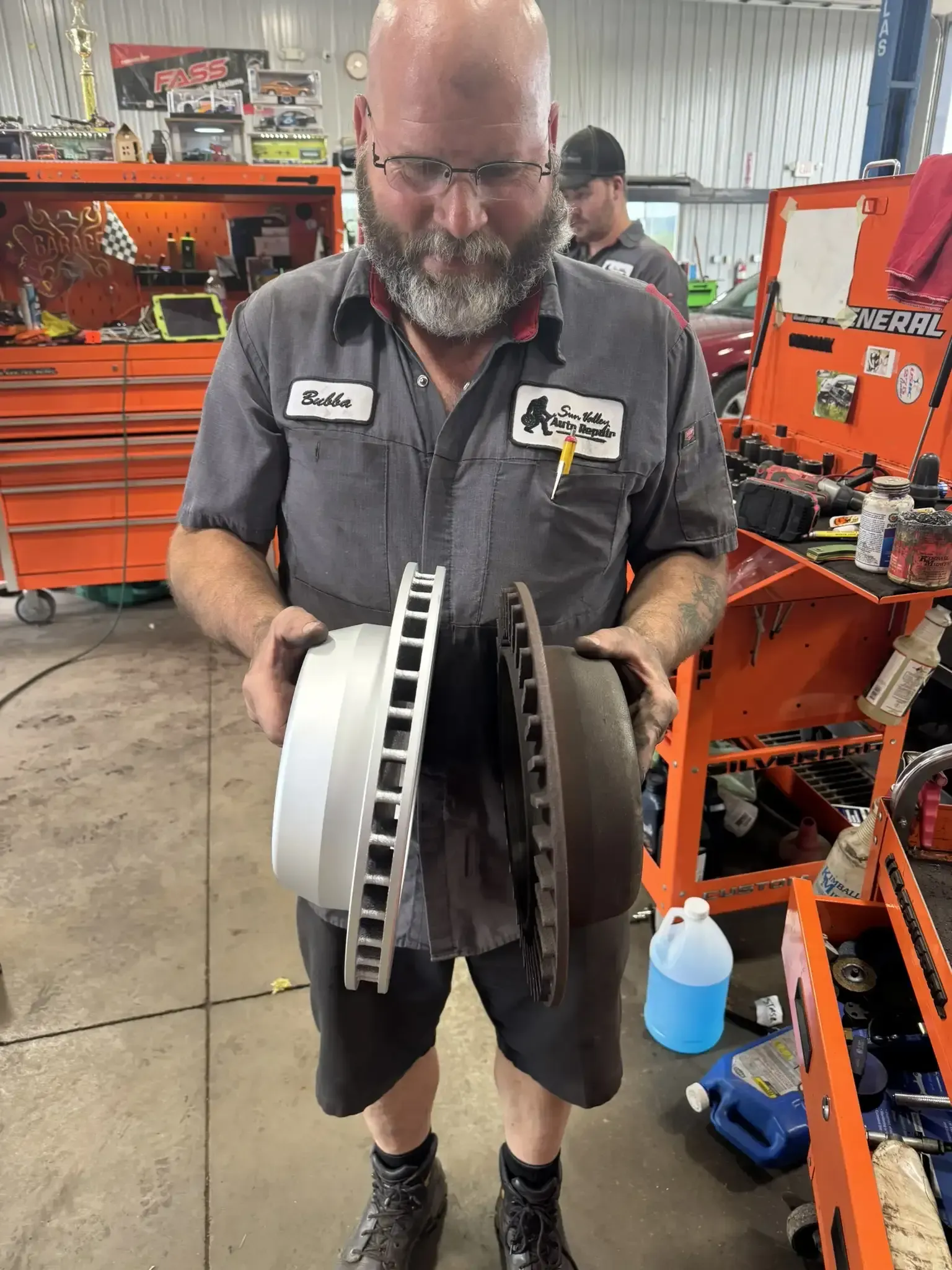
If you've started hearing a grinding noise when you press the brake pedal , don't ignore it. Grinding brakes can be caused by something as simple as surface rust, but they can...
By Sun Valley Auto Repair • July 30, 2026
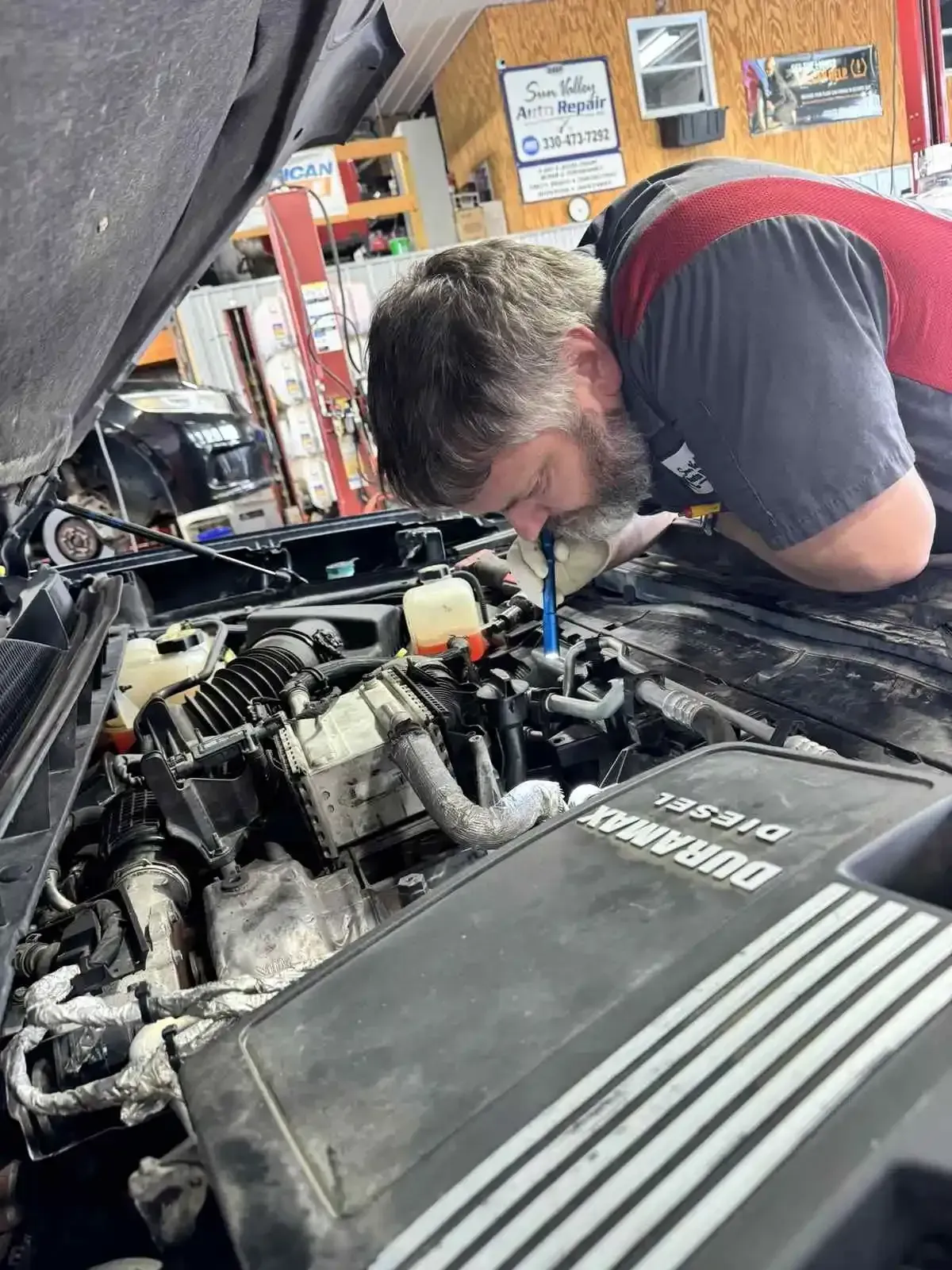
Have you ever wondered what your mechanic is actually looking at when they inspect your vehicle?
By Sun Valley Auto Repair • July 16, 2026
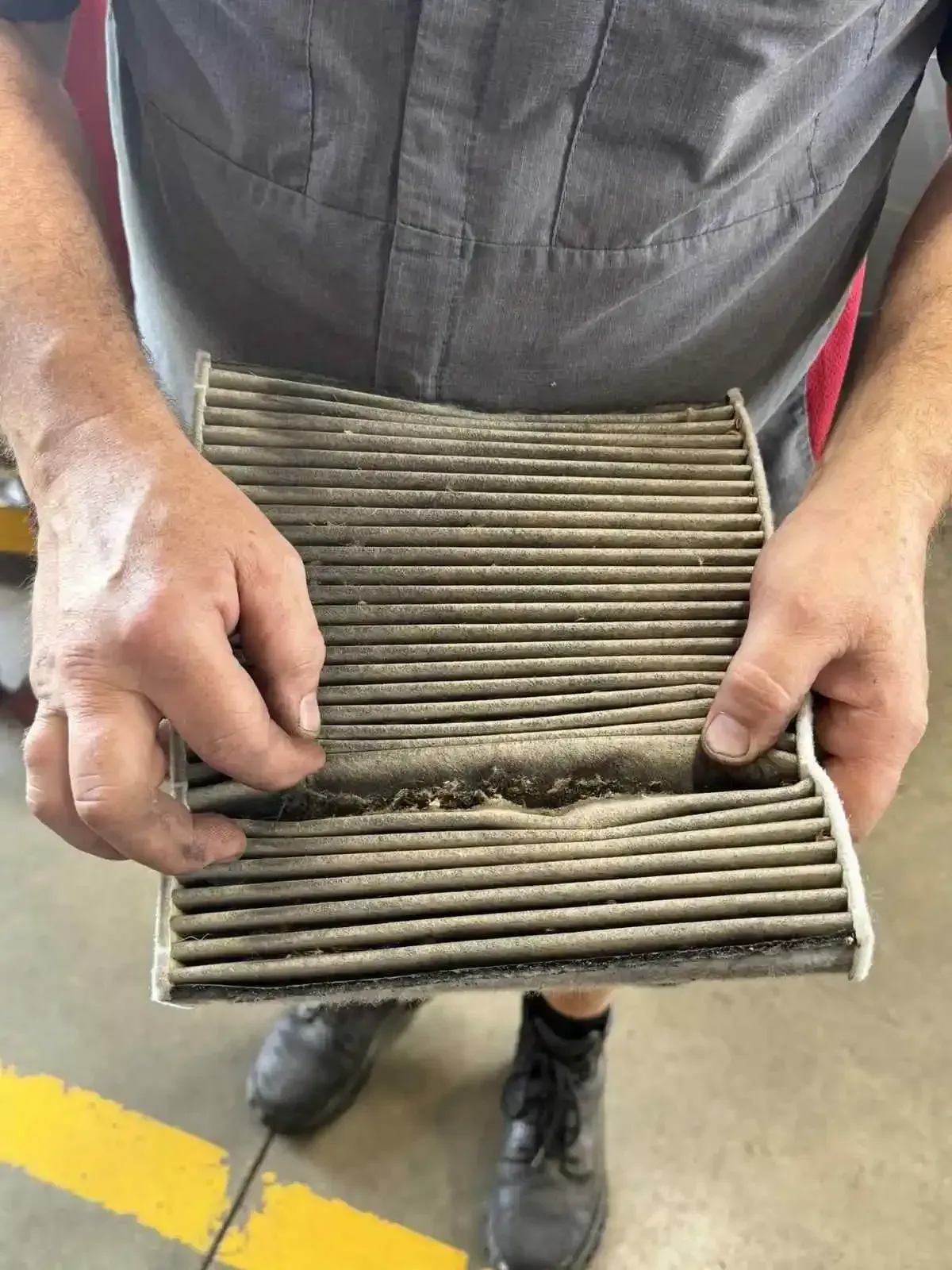
If your business depends on a work truck, van, or commercial fleet, keeping your vehicles properly maintained isn't just good practice—it's essential to protecting your bottom...
By Sun Valley Auto Repair • July 10, 2026
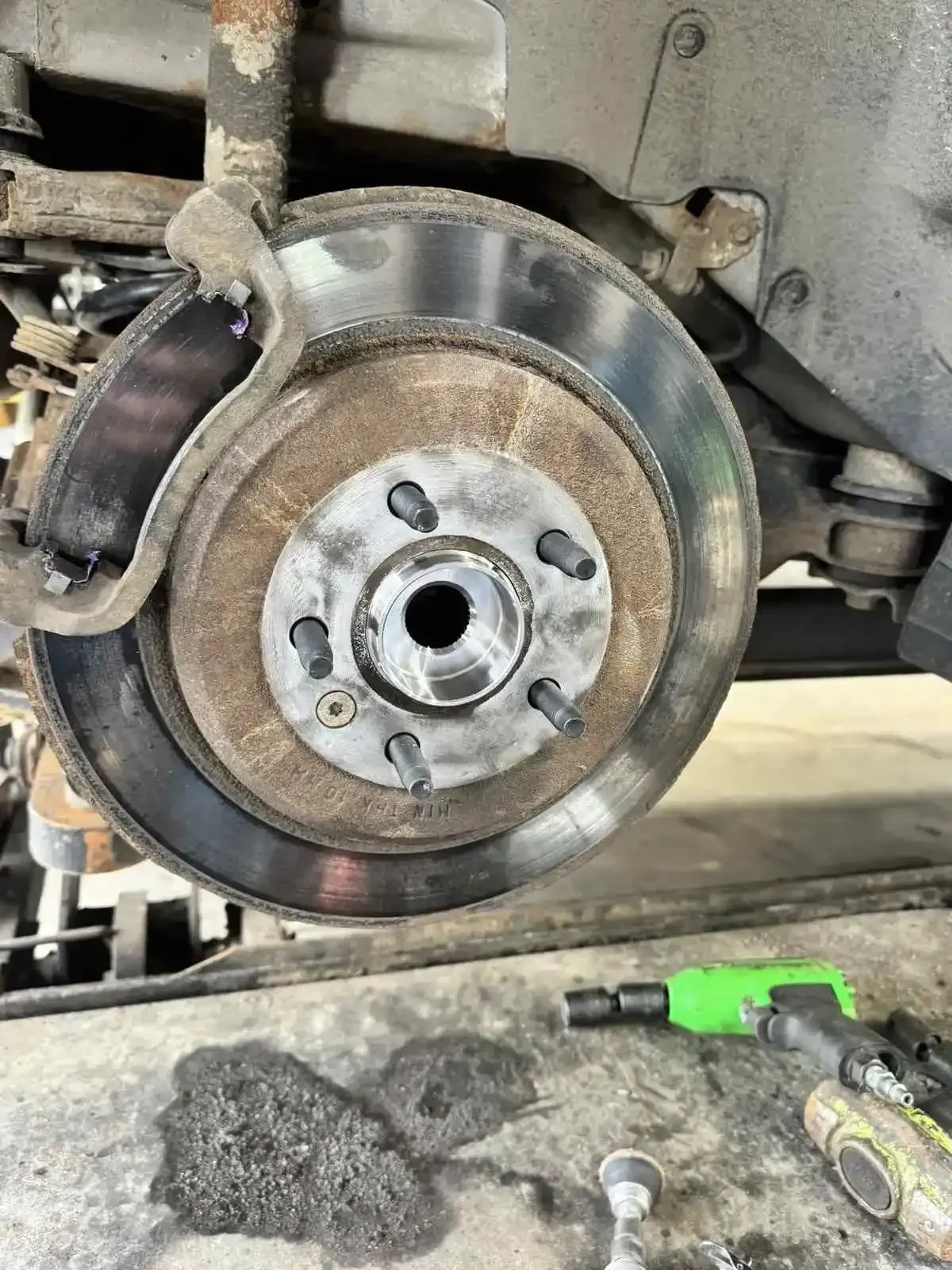
Short answer: Yes—in most cases, we recommend replacing your brake rotors and brake pads at the same time.

Show More