Top 5 Signs Your Vehicle Needs a Suspension Check After Winter
March 7, 2025
Top 5 Signs Your Vehicle Needs a Suspension Check After Winter
Winter driving can be tough on your car, especially in Holmes County, Ohio, where potholes and icy roads are common. Your vehicle’s suspension system absorbs shocks from the road, ensuring a smooth and stable ride. However, after enduring months of winter wear and tear, it’s important to check for signs that your suspension might need attention. Ignoring these issues can lead to costly repairs or even safety risks. Here are the top five signs your vehicle may need a suspension check:
1. Your Ride Feels Bumpy or Uneven
A properly functioning suspension system keeps your ride smooth and comfortable. If you notice excessive bouncing, a rough ride, or feel like you’re on a roller coaster even on flat roads, your shocks or struts could be worn out. What to Watch For: Bouncing after driving over speed bumps. A noticeable lack of stability when driving on uneven surfaces. Why It Matters: Worn shocks and struts can make it harder to control your vehicle, especially during sudden stops or turns.
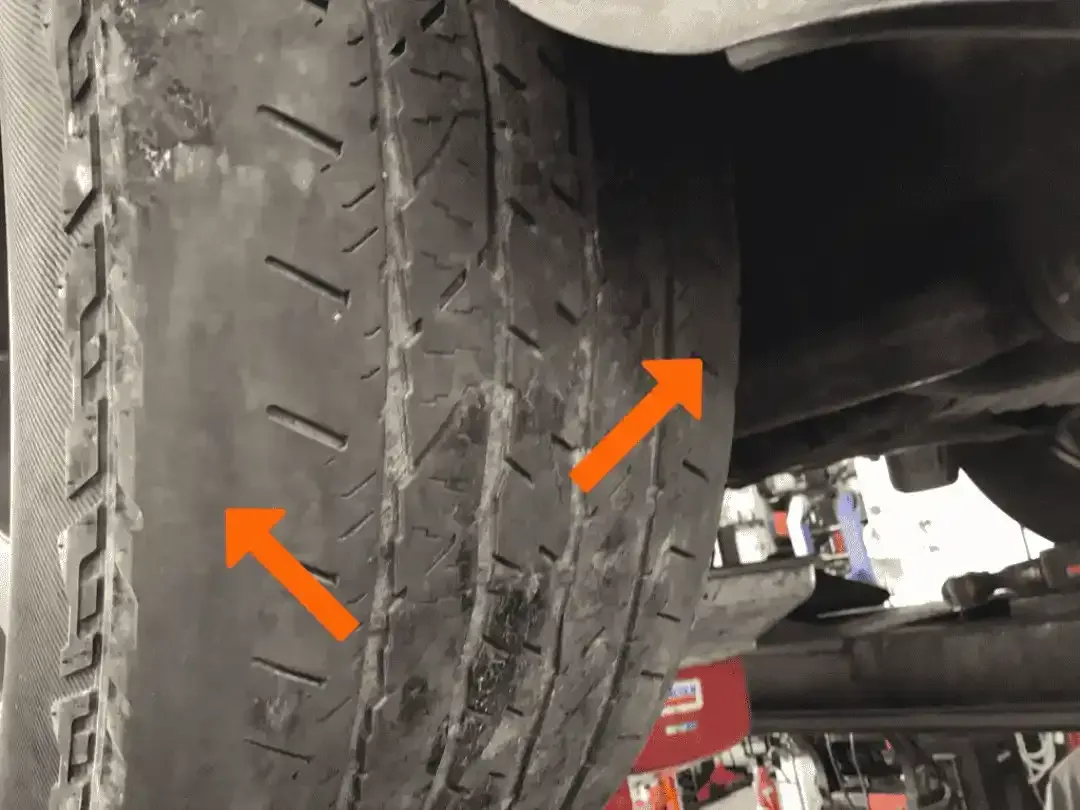
2. Uneven Tire Wear
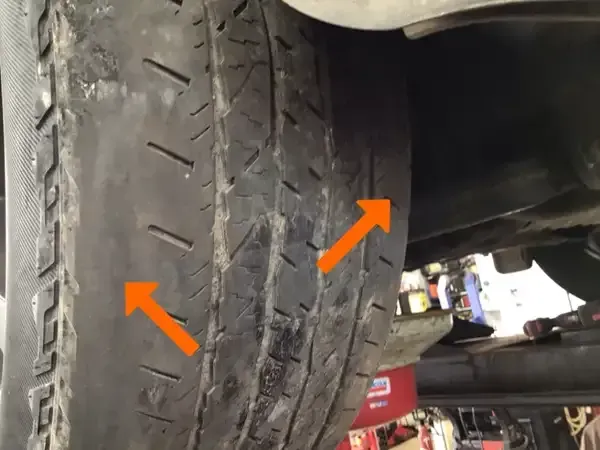
Tires that show uneven or premature wear are often a sign of suspension problems. When the suspension isn’t functioning correctly, it can’t keep the tires properly aligned with the road. What to Watch For: Bald spots or inconsistent tread wear patterns on your tires. Why It Matters: Uneven tire wear reduces traction, increasing your risk of skidding or losing control, especially in wet conditions.
3. Your Car Pulls to One Side
If your vehicle drifts to one side while driving on a straight road, it’s likely due to alignment issues or a problem with the suspension system. What to Watch For: Difficulty keeping the car straight without constant steering adjustments. Why It Matters: Misalignment can lead to faster tire wear and reduce your ability to control the vehicle.
4. Nose-Diving When Braking
When you hit the brakes, your car’s suspension system should prevent it from nose-diving or lurching forward. If you feel excessive forward motion, it’s a sign your shocks or struts may be failing. What to Watch For: A dramatic dip in the front of the car during braking. Why It Matters: Nose-diving reduces your stopping distance, which can be dangerous in emergency situations.
5. Leaking Fluid Around Shocks or Struts
Your shocks and struts are filled with hydraulic fluid that helps absorb impacts. If you notice fluid leaking around these components, it’s a clear indicator they’re damaged and need replacement. What to Watch For: Visible oil or greasy residue near your shocks or struts. Why It Matters: Leaking fluid means your suspension system isn’t functioning at full capacity, leading to reduced performance and potential safety hazards.
FAQ: How Do I Know If My Suspension Is Bad?
Q: What are the symptoms of a failing suspension system? A: Common symptoms include a bumpy ride, uneven tire wear, pulling to one side, nose-diving during braking, and fluid leaks around shocks or struts. Q: How often should I get my suspension checked? A: It’s a good idea to have your suspension inspected annually or if you experience any of the warning signs listed above, especially after winter driving. Q: Can I drive with a bad suspension? A: While it may be possible to drive, it’s not safe. A failing suspension affects your vehicle’s handling, braking, and overall safety.
Schedule a Suspension Check at Sun Valley Auto Repair
If you’ve noticed any of these signs, don’t wait to get your suspension system checked. At Sun Valley Auto Repair, we specialize in diagnosing and repairing suspension issues to keep you safe on Holmes County roads. Call us at 330-473-7292 or book online ! Stay Connected! Like us on Facebook Follow us on Instagram Learn More About Us Join Our Team Subscribe to our Youtube Channel Drive smoothly and safely this spring with a well-maintained suspension system
Recent Posts

Fleet Work Truck Maintenance: The Complete Guide to Preventive Fleet Service for Commercial Vehicles
By Sun Valley Auto Repair
•
July 16, 2026
If your business depends on a work truck, van, or commercial fleet, keeping your vehicles properly maintained isn't just good practice—it's essential to protecting your bottom...