Why Proper Tire Pressure Matters During Spring Temperature Changes
As the cold winter fades and spring brings warmer temperatures, it’s easy to forget about your car’s tire pressure. However, seasonal temperature changes in Holmes County, Ohio, can have a significant impact on your tires. Keeping your tire pressure at the correct levels is crucial for safety, fuel efficiency, and prolonging tire life.
Here’s why monitoring and maintaining proper tire pressure during spring is so important, along with tips to keep your car road-ready.
How Temperature Affects Tire Pressure
Tire pressure naturally fluctuates with temperature changes. For every 10°F change in temperature, tire pressure can increase or decrease by about 1 PSI (pounds per square inch).
In Winter: Cold weather often causes tire pressure to drop, making tires underinflated.
In Spring: As temperatures rise, tire pressure increases, potentially leading to overinflation if adjustments aren’t made.
Why Proper Tire Pressure Matters
-
Safety on the Road
Underinflated tires can cause poor handling, longer braking distances, and increased risk of blowouts.
Overinflated tires reduce traction and make your ride less comfortable.
-
Fuel Efficiency
Properly inflated tires reduce rolling resistance, which helps improve your car’s fuel efficiency. Underinflated tires can lower gas mileage by up to 3%. -
Tire Longevity
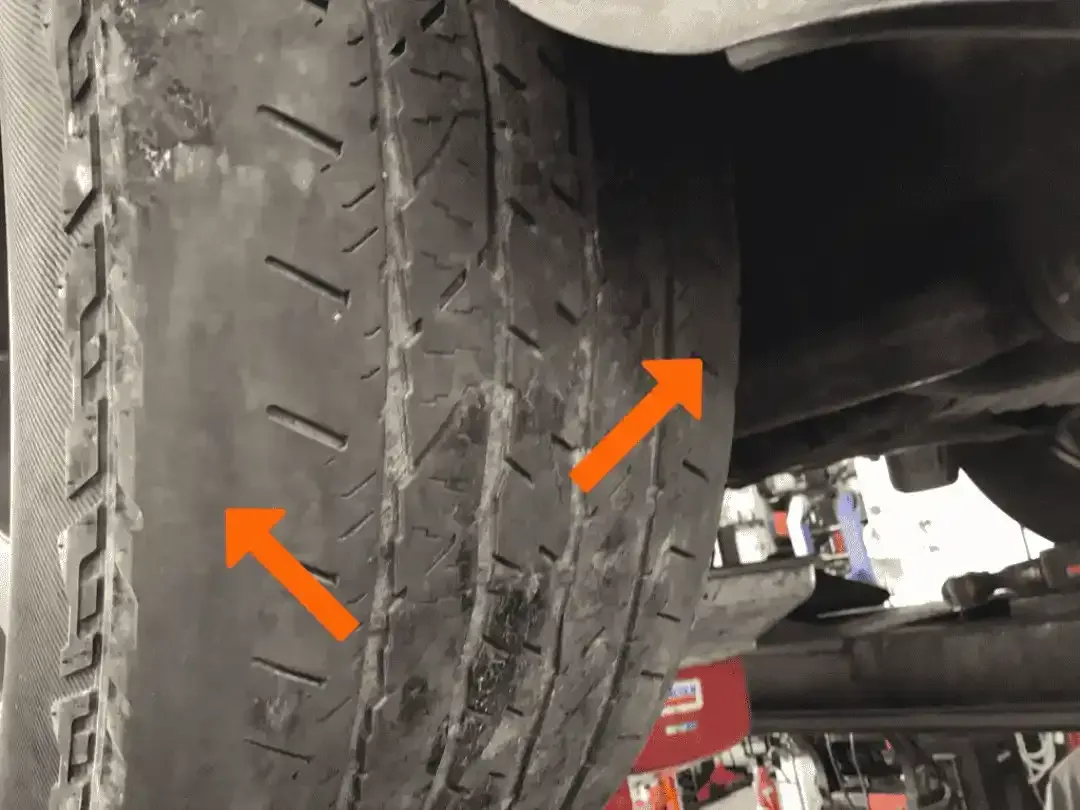
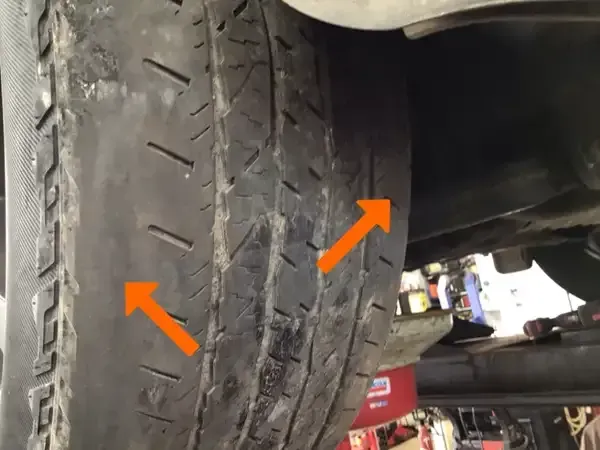
Incorrect tire pressure leads to uneven wear. Underinflated tires often wear out on the edges, while overinflated tires wear down in the center. This can shorten the life of your tires and lead to costly replacements.
What Happens If My Tire Pressure Is Too Low?
When tire pressure is too low, several problems can arise:
Increased Friction:
Underinflation causes more of the tire’s surface to contact the road, leading to excessive heat buildup.
Higher Risk of Blowouts:
The extra heat weakens the tire’s structure, increasing the likelihood of a blowout.
Reduced Handling:
Under Inflated tires make your car harder to steer and less responsive to sudden maneuvers.
Lower Fuel Economy:
The increased resistance from underinflated tires forces your engine to work harder, wasting fuel.
Tips for Maintaining Proper Tire Pressure
-
Check Tire Pressure Regularly Use a tire pressure gauge to check your tires at least once a month and before long trips. Don’t forget to check your spare tire too!
-
Know Your Recommended PSI Refer to your vehicle’s owner’s manual or the sticker inside the driver’s side door for the correct PSI for your tires.
-
Adjust for Spring Temps As temperatures warm up, check for overinflation caused by the rising temperatures. Release air as needed to match the recommended PSI.
-
Inspect Tires for Damage Look for cracks, bulges, or uneven tread wear, which may indicate other issues beyond tire pressure.
-
Schedule a Professional Inspection If you’re unsure about your tire’s condition, visit a trusted auto repair shop for a comprehensive tire check.
FAQ: What Happens If My Tire Pressure Is Too Low?
Q: How does low tire pressure affect fuel efficiency? A: Low tire pressure increases rolling resistance, which makes your engine work harder and reduces fuel economy.
Q: Can I drive with low tire pressure? A: Driving with low tire pressure is dangerous and can lead to tire damage, blowouts, and poor handling. It’s best to address it immediately.
Q: How often should I check my tire pressure? A: Check your tire pressure at least once a month and whenever there’s a significant temperature change.
Keep Your Tires Spring-Ready with Sun Valley Auto Repair
At Sun Valley Auto Repair, we’re here to help you stay safe on the road. From tire pressure checks to alignments and rotations, we’ve got you covered.
Call us at 330-473-7292 or book online !
Drive with confidence this spring knowing your tires are in great shape!
Stay Connected!
Like us on Facebook
Follow us on Instagram
Learn More About Us
Join Our Team
Subscribe to our Youtube Channel
Recent Posts