Why does my car start bouncing when I accelerate?

Sun Valley Auto Repair • March 23, 2023

Share this article

When you hit the accelerator, you expect your car to smoothly accelerate forward. However, if you notice that your car starts bouncing when you accelerate, it can be a cause for concern. This bouncing sensation is not only uncomfortable for the passengers, but it can also indicate underlying issues with your car. We are going to explore some common reasons why your car might start bouncing when you accelerate and what you can do to fix it.

Worn Out Shock Absorbers: The shock absorbers are an essential component of your car's suspension system, and they help to smooth out any bumps or vibrations that you might feel while driving. If your shock absorbers are worn out, they can't absorb the shocks caused by the bumps on the road, which can result in a bouncing sensation when you accelerate. The only solution is to replace the worn-out shock absorbers with new ones.


Unbalanced Tires: If your car's tires are not balanced correctly, it can cause a bouncing sensation when you accelerate. When your car's tires are out of balance, it can cause uneven wear on the tires and cause vibrations that can be felt throughout the car. The solution is to take your car to a mechanic to get the tires balanced and rotated regularly.


Worn Out Suspension Components: Your car's suspension system comprises several components, including the shocks, struts, springs, and bushings. If any of these components are worn out, it can cause your car to bounce when you accelerate. You'll need to replace any worn-out suspension components to resolve this issue.

Recent Posts

By Sun Valley Auto Repair • October 9, 2026
A car’s water pump can fail because of age and wear, contaminated coolant, corrosion, a damaged seal or bearing, or a problem with the belt system that drives it. When the pump...

By Sun Valley Auto Repair • October 9, 2026
There’s a new face at the front counter! Please join us in welcoming Jeff to the Sun Valley Auto Repair team.
By Sun Valley Auto Repair • October 5, 2026
Getting new tires does not automatically mean your vehicle needs an alignment adjustment. It is, however, a good time to have the alignment checked. If your old tires wore...
By Sun Valley Auto Repair • September 28, 2026
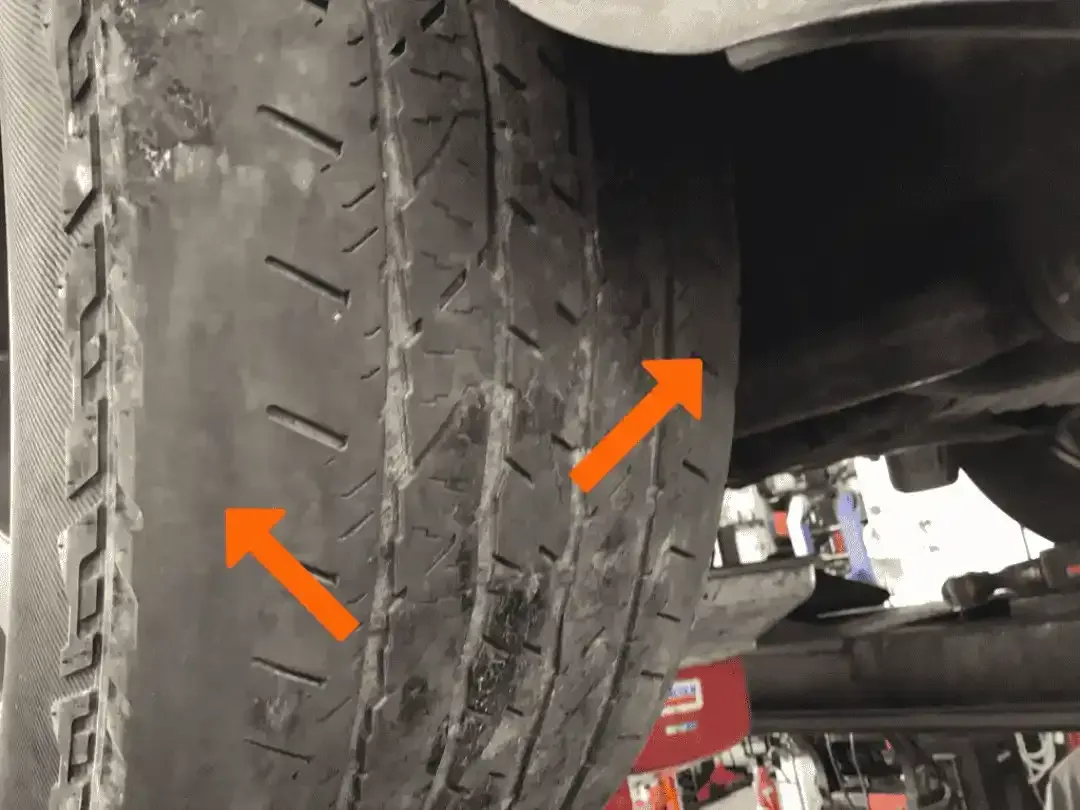
Before winter arrives in Ohio, check your tires for low tread, uneven wear, cracks, bulges and repeated air-pressure loss. Tires should have at least 2/32 inch of tread to remain...
By Sun Valley Auto Repair • August 31, 2026
You turn on your car’s A/C expecting a blast of cold air, but instead you get warm—or barely cool—air coming through the vents. What’s going on?
By Sun Valley Auto Repair • August 18, 2026
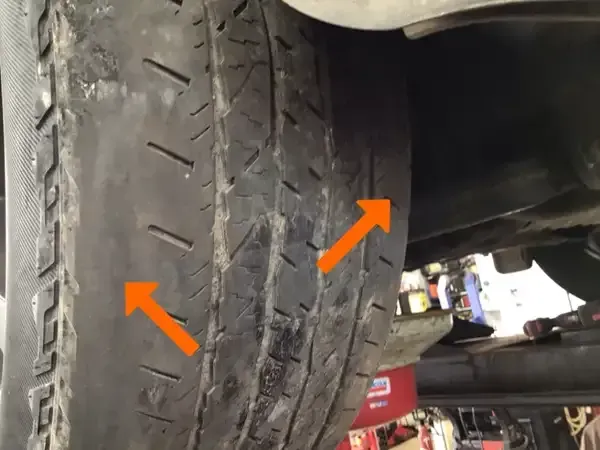
If you've noticed that one edge of your tire is wearing faster than the other, bald spots are developing, or one tire looks noticeably different from the others, your vehicle may...
By Sun Valley Auto Repair • August 12, 2026
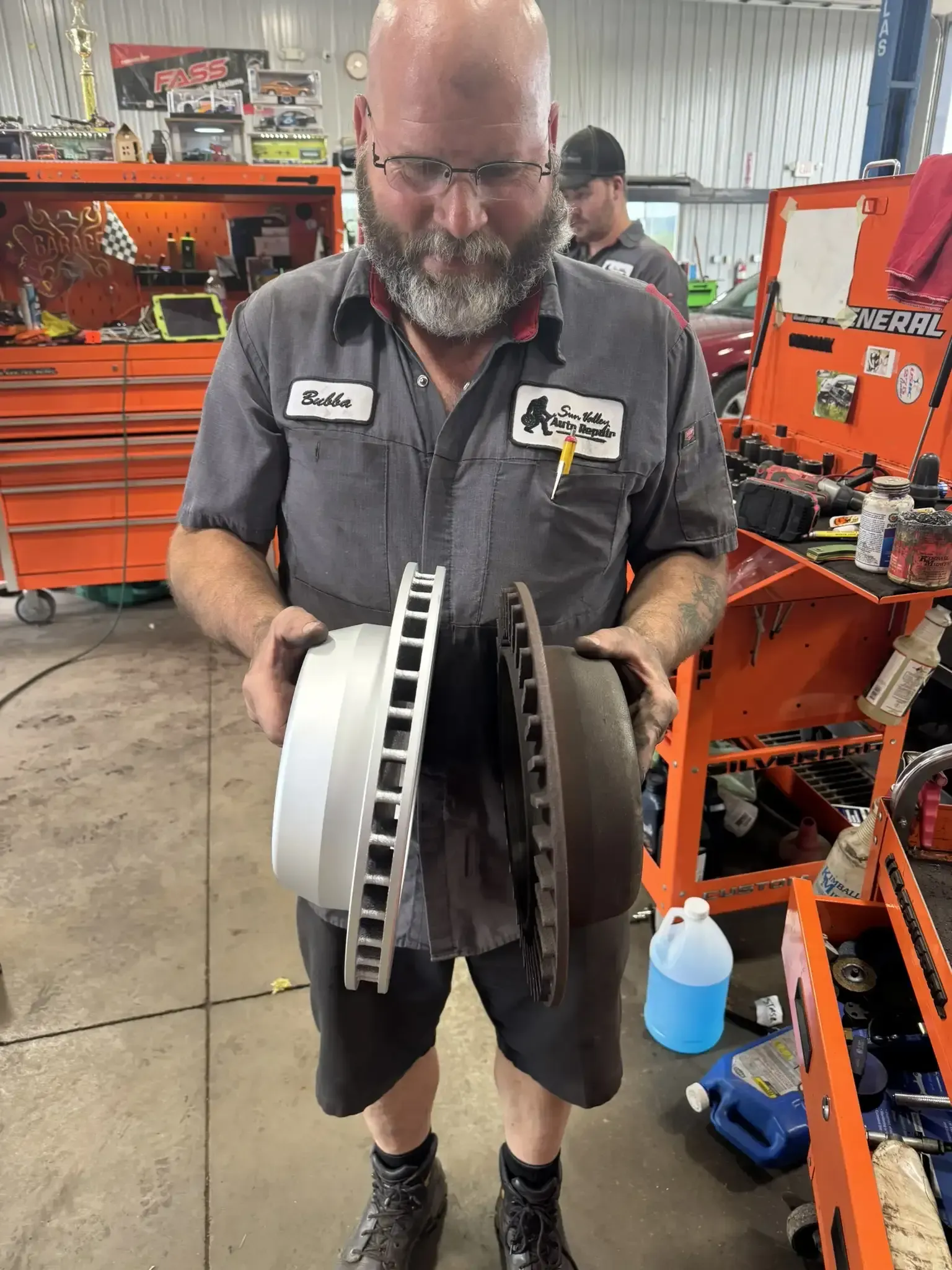
If you've started hearing a grinding noise when you press the brake pedal , don't ignore it. Grinding brakes can be caused by something as simple as surface rust, but they can...
By Sun Valley Auto Repair • July 30, 2026
Have you ever wondered what your mechanic is actually looking at when they inspect your vehicle?
By Sun Valley Auto Repair • July 16, 2026
If your business depends on a work truck, van, or commercial fleet, keeping your vehicles properly maintained isn't just good practice—it's essential to protecting your bottom...
By Sun Valley Auto Repair • July 10, 2026
Short answer: Yes—in most cases, we recommend replacing your brake rotors and brake pads at the same time.

Show More