Why Regular Oil Changes Keep Your Engine Running Smoothly

February 10, 2025

Share this article

Why Regular Oil Changes Keep Your Engine Running Smoothly

Your car’s engine is the heart of your vehicle, and regular oil changes are the lifeblood that keeps it running smoothly. Skipping or delaying this simple maintenance task can lead to poor performance, decreased fuel efficiency, and even costly repairs. In this post, we’ll break down why regular oil changes are essential and answer some common questions about engine oil care.

1. Lubrication Is Key to Engine Health

Engine oil provides the lubrication needed to prevent metal parts from grinding against each other. Without proper lubrication, friction builds up, leading to overheating and wear on critical engine components.

FAQs:

  • What happens if you don’t change your oil?
    Over time, oil breaks down and loses its ability to lubricate effectively, which can lead to engine damage and expensive repairs.

  • How often should I change my oil?
    Most vehicles require oil changes every 5,000–7,500 miles, but always check your owner’s manual for specific recommendations.

2. Keeps Your Engine Clean

Oil not only lubricates but also helps to clean the engine by trapping dirt, debris, and other contaminants. Over time, this buildup can clog your engine and reduce performance if the oil isn’t replaced.

FAQs:

  • Can dirty oil damage your engine?
    Yes, dirty oil can cause sludge buildup, clogging vital engine parts and reducing efficiency.

  • What are the signs your oil is dirty?
    Dark, thick oil on the dipstick, reduced performance, or a check engine/oil light may indicate it’s time for a change.

3. Improves Fuel Efficiency

Old or dirty oil makes your engine work harder, which can increase fuel consumption. Fresh oil reduces friction, allowing your engine to run more efficiently and use less gas.

FAQs:

  • Does changing oil improve gas mileage?
    Yes, fresh oil improves lubrication and reduces engine strain, helping to optimize fuel efficiency.

  • Can synthetic oil improve fuel economy?
    Synthetic oils often provide better performance and can improve fuel efficiency in some cases.

4. Extends Engine Lifespan

Routine oil changes can significantly extend the life of your engine by reducing wear and tear. Clean oil ensures that all moving parts are protected and running as they should.

FAQs:

  • How does oil affect engine longevity?
    Clean oil prevents excessive wear on engine components, reducing the likelihood of premature engine failure.

  • What’s the best oil for my car?
    Always use the oil type recommended by your manufacturer—whether conventional, synthetic, or a blend.

5. Prevents Costly Repairs

Ignoring oil changes can lead to major engine problems like overheating, blown gaskets, or even complete engine failure. A simple oil change is far less expensive than repairing or replacing an engine.

FAQs:

  • How much does an oil change cost?
    Prices vary depending on your location, vehicle, and oil type, but it’s a small investment compared to costly engine repairs.

  • What happens if you drive too long without an oil change?
    Driving too long without an oil change can lead to engine sludge, reduced performance, and, ultimately, severe engine damage.

Why Choose Sun Valley Auto Repair for Oil Changes?

At Sun Valley Auto Repair , we make oil changes quick, easy, and hassle-free. Our certified technicians use high-quality oil and filters to keep your engine in peak condition. Plus, every oil change comes with a complimentary digital vehicle inspection so you can stay ahead of potential issues.

?? Schedule your oil change today
?? Call us: 330-473-7292

FAQs for Sun Valley Auto Repair:

  • Do you offer synthetic oil changes?
    Yes! We offer conventional, synthetic blend, and full synthetic oil options to suit your vehicle’s needs.

  • Can I wait in your shop during an oil change?
    Absolutely! Relax in our comfortable waiting room with free coffee, Wi-Fi, and friendly service.

Regular oil changes are a simple but powerful way to keep your engine running smoothly for years to come. Don’t wait until it’s too late— book your next oil change today!

#EngineCare #SunValleyAutoRepairLLC #OilChangeEssentials #DriveSafe


Recent Posts

By Sun Valley Auto Repair • October 9, 2026
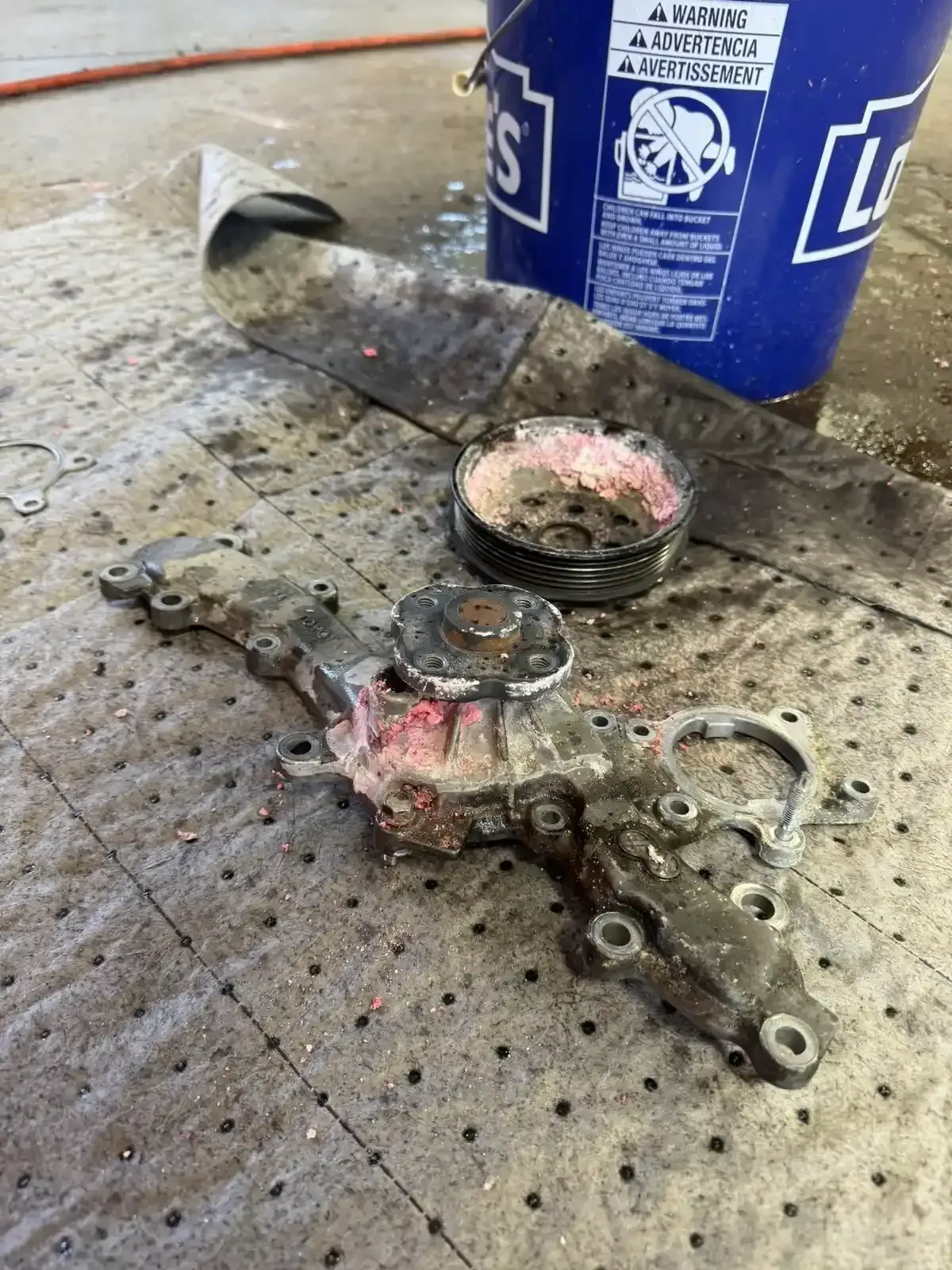
A car’s water pump can fail because of age and wear, contaminated coolant, corrosion, a damaged seal or bearing, or a problem with the belt system that drives it. When the pump...

By Sun Valley Auto Repair • October 9, 2026
There’s a new face at the front counter! Please join us in welcoming Jeff to the Sun Valley Auto Repair team.
By Sun Valley Auto Repair • October 5, 2026
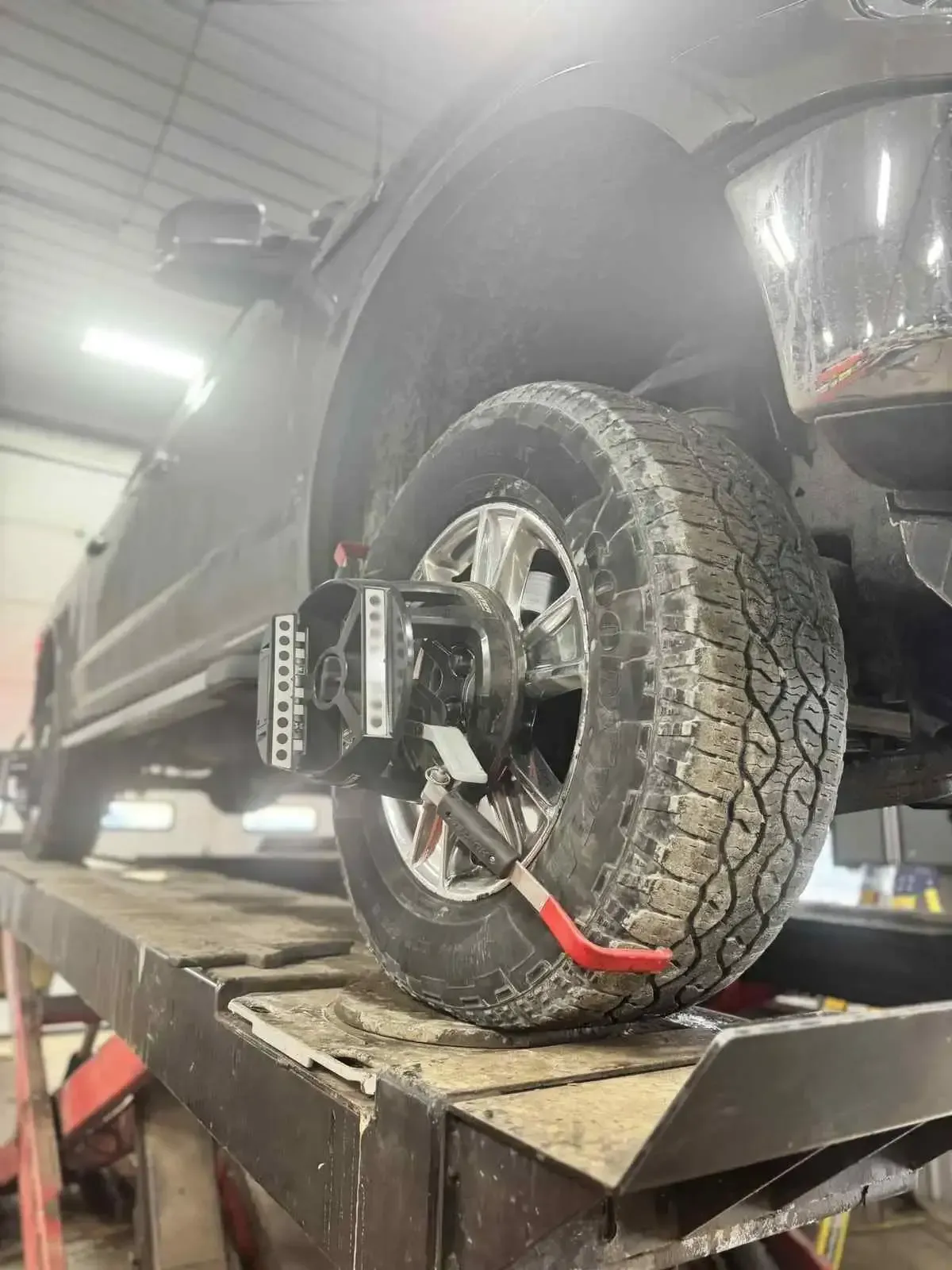
Getting new tires does not automatically mean your vehicle needs an alignment adjustment. It is, however, a good time to have the alignment checked. If your old tires wore...
By Sun Valley Auto Repair • September 28, 2026
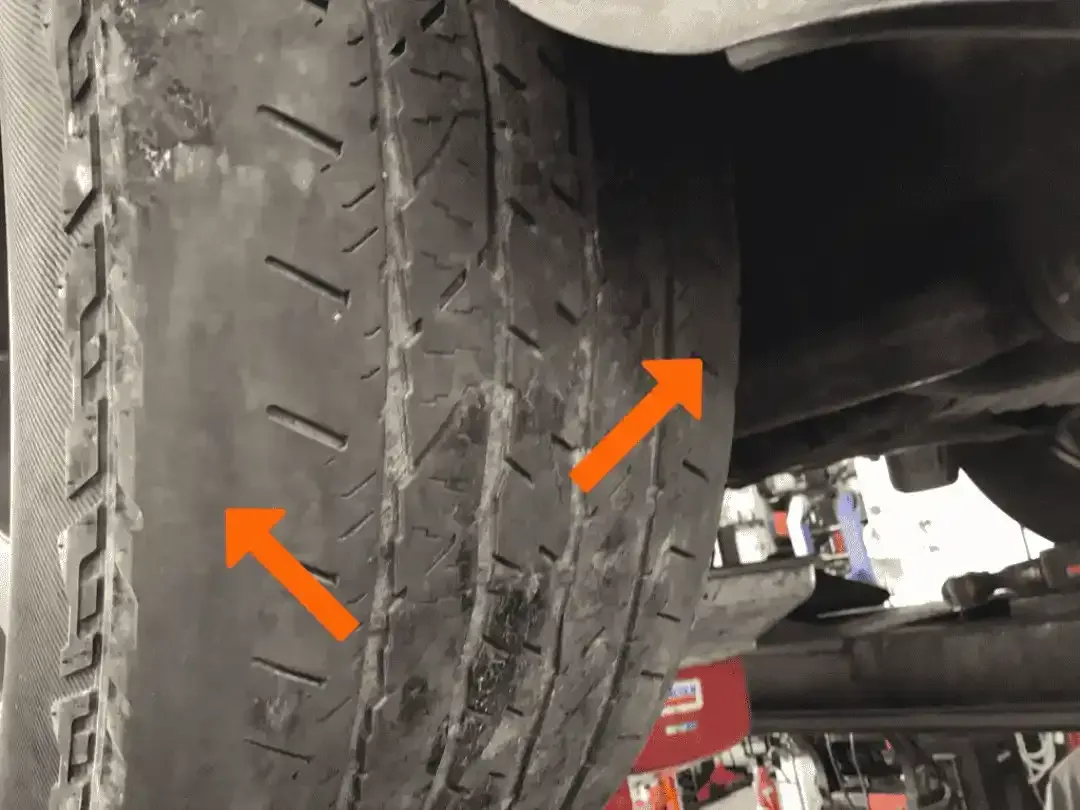
Before winter arrives in Ohio, check your tires for low tread, uneven wear, cracks, bulges and repeated air-pressure loss. Tires should have at least 2/32 inch of tread to remain...
By Sun Valley Auto Repair • August 31, 2026
You turn on your car’s A/C expecting a blast of cold air, but instead you get warm—or barely cool—air coming through the vents. What’s going on?
By Sun Valley Auto Repair • August 18, 2026
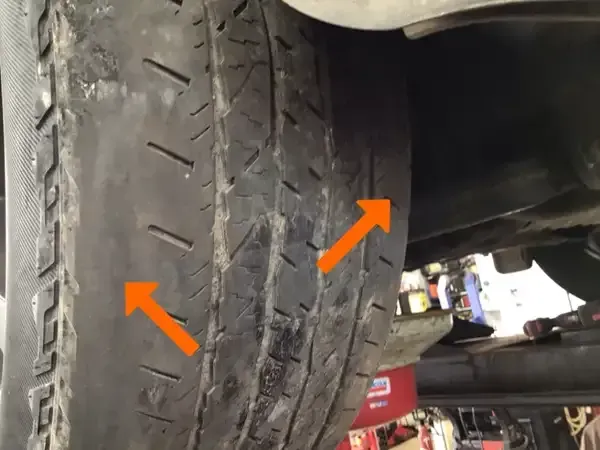
If you've noticed that one edge of your tire is wearing faster than the other, bald spots are developing, or one tire looks noticeably different from the others, your vehicle may...
By Sun Valley Auto Repair • August 12, 2026
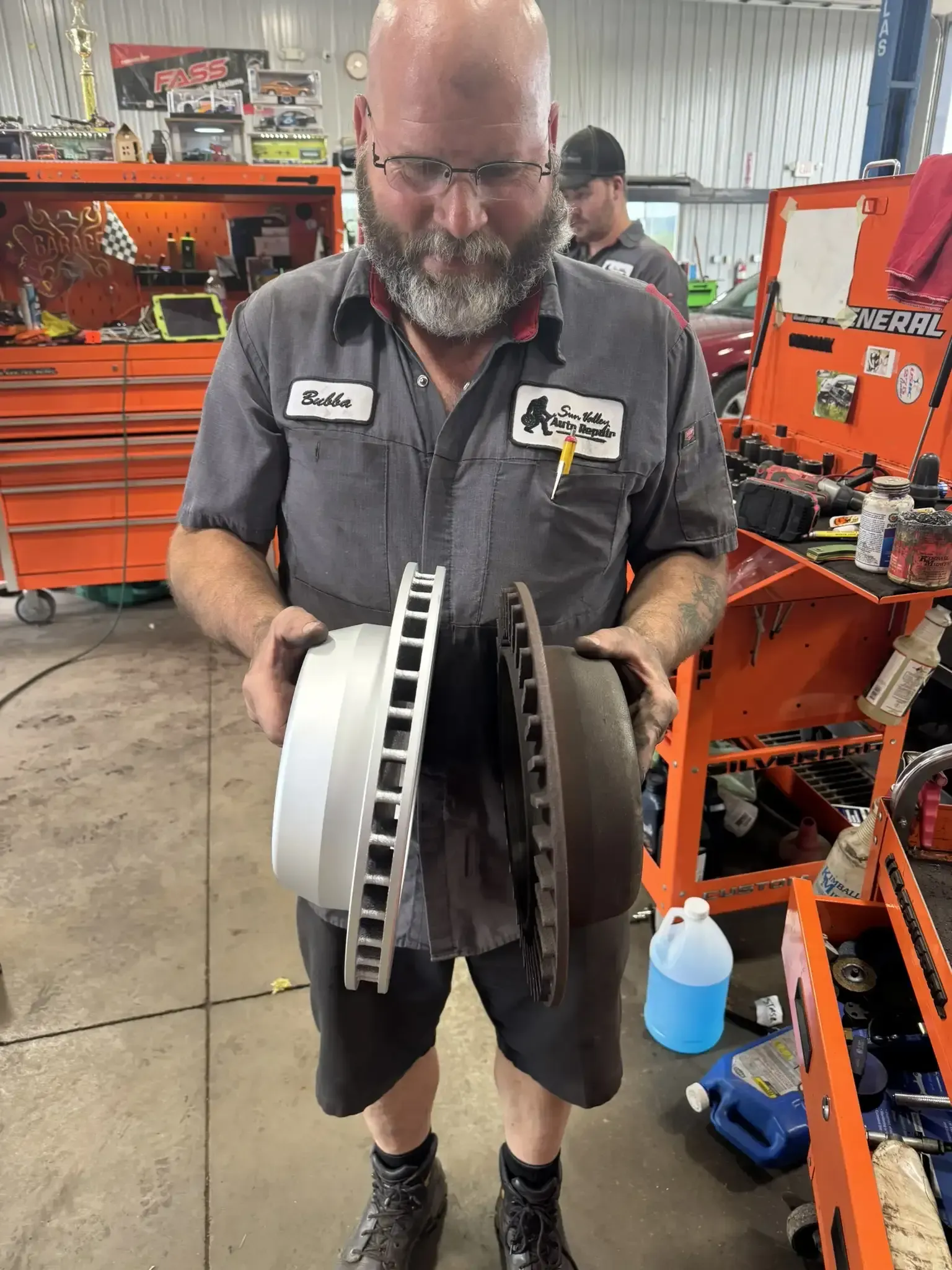
If you've started hearing a grinding noise when you press the brake pedal , don't ignore it. Grinding brakes can be caused by something as simple as surface rust, but they can...
By Sun Valley Auto Repair • July 30, 2026
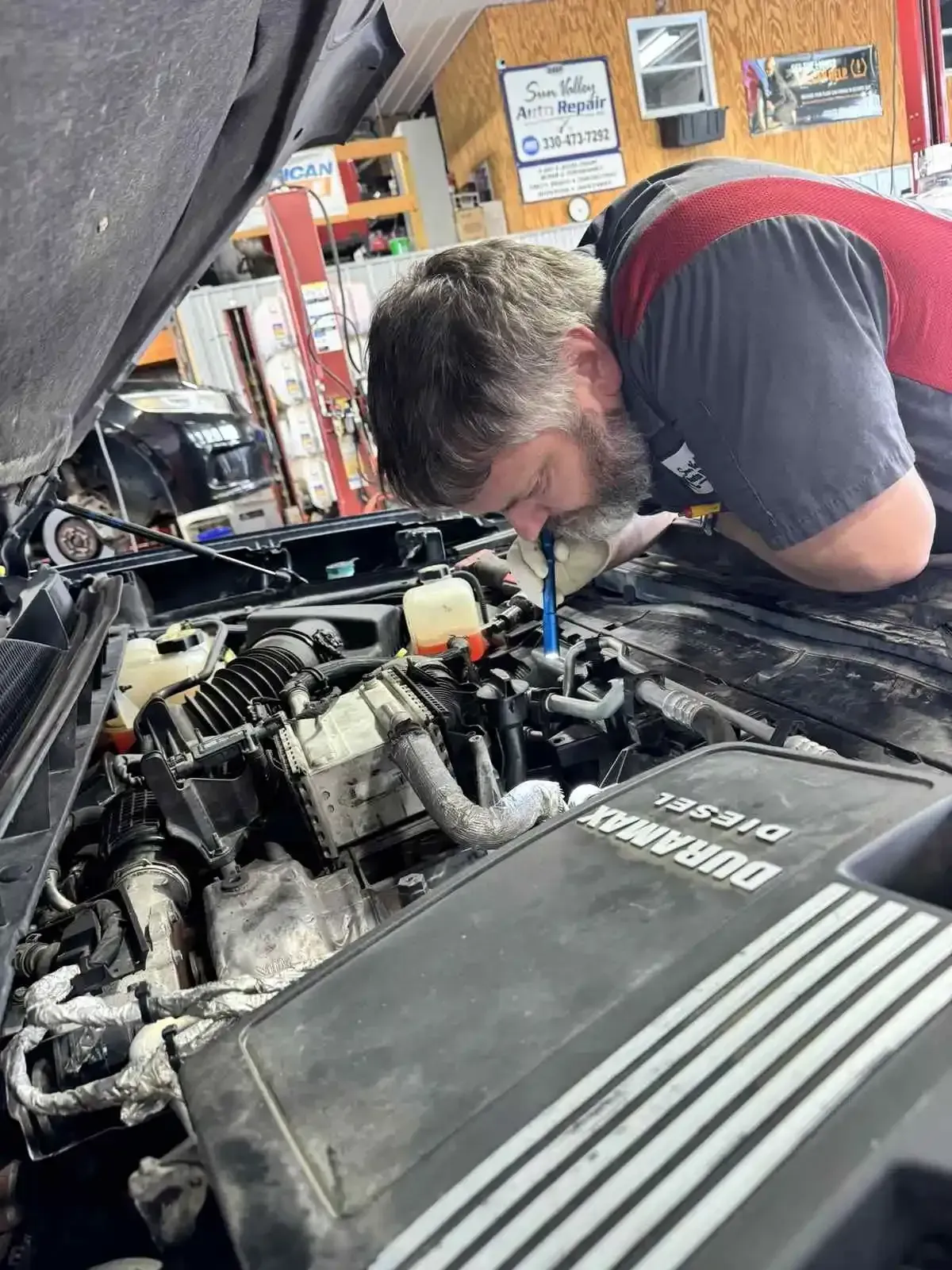
Have you ever wondered what your mechanic is actually looking at when they inspect your vehicle?
By Sun Valley Auto Repair • July 16, 2026
If your business depends on a work truck, van, or commercial fleet, keeping your vehicles properly maintained isn't just good practice—it's essential to protecting your bottom...
By Sun Valley Auto Repair • July 10, 2026
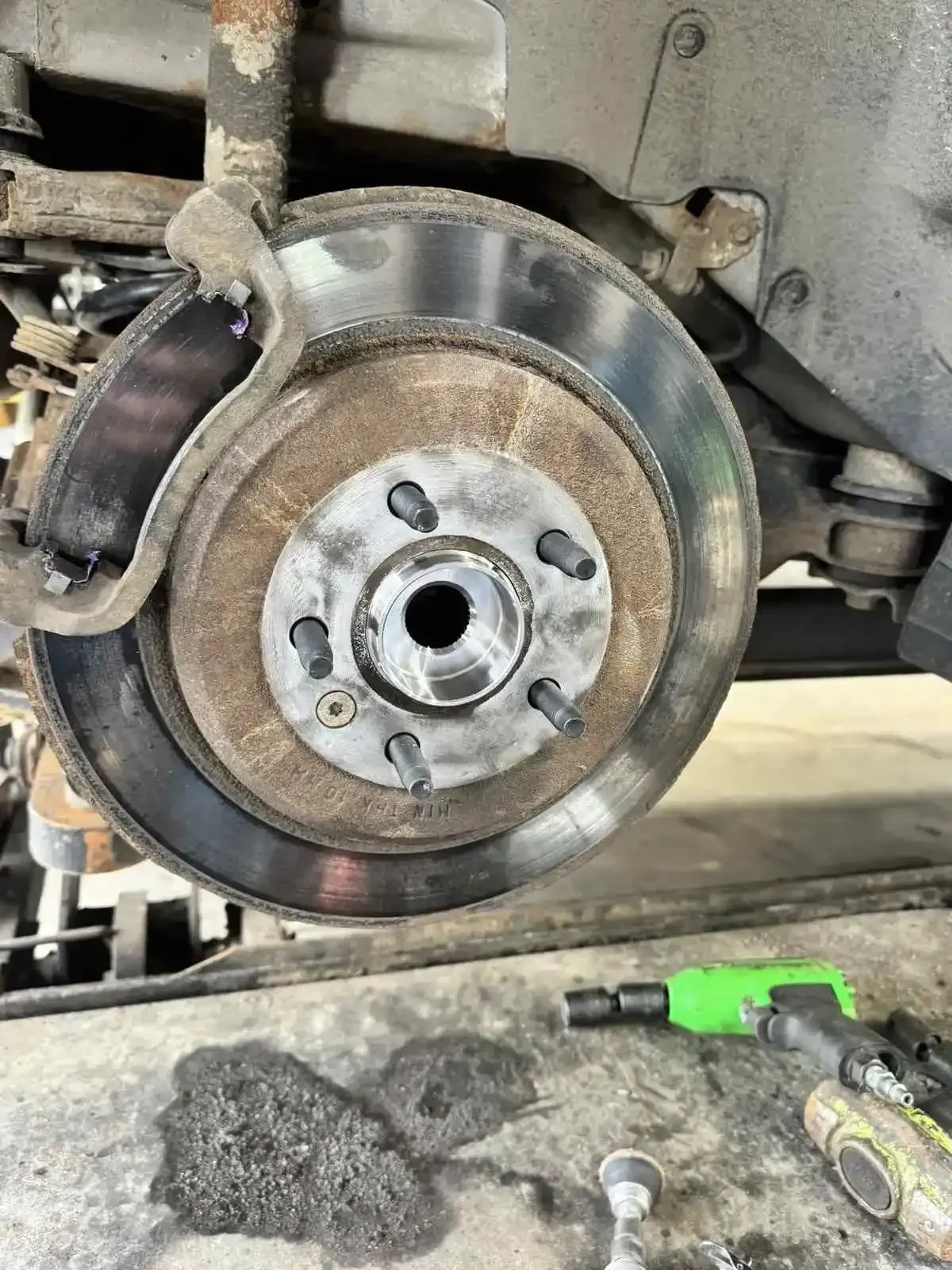
Short answer: Yes—in most cases, we recommend replacing your brake rotors and brake pads at the same time.

Show More