Why the Check Engine Light Comes On More Often in Winter

Sun Valley Auto Repair • December 30, 2025

Share this article

Seeing your check engine light come on is never comforting—especially in the middle of winter. While the light can appear at any time of year, cold weather often makes it show up more frequently for Ohio drivers.

Understanding why winter triggers the check engine light can help you know when it’s safe to drive, when to schedule diagnostics, and how to prevent small issues from becoming costly repairs.

What the Check Engine Light Is Telling You

The check engine light means your vehicle’s computer has detected something outside normal operating conditions. This can range from a loose gas cap to a sensor issue or engine performance problem.

In winter, cold temperatures can exaggerate minor issues, causing the light to appear more often than usual.

Why Cold Weather Triggers the Check Engine Light

Battery Voltage Drops

Cold weather reduces battery voltage. Modern vehicles rely on consistent electrical power, and low voltage can trigger warning lights—even if the battery isn’t completely dead.

Fuel System Changes

Cold temperatures affect fuel vaporization and pressure. Components like EVAP systems and oxygen sensors may behave differently until the engine fully warms up.

Sensor Sensitivity

Sensors are designed to operate within specific temperature ranges. Extreme cold can cause delayed responses or inaccurate readings, which the computer interprets as a fault.

Condensation and Moisture

Winter driving creates condensation in exhaust and emissions components. Short trips that don’t allow the engine to fully warm up can lead to moisture buildup and sensor issues.

Can Cold Weather Cause a False Check Engine Light?

Sometimes, yes. A temporary issue caused by cold temperatures may trigger the light, and it could turn off after several drive cycles. However, ignoring the light without having it checked is risky.

Even if the light turns off, the stored code can provide valuable insight into potential problems.

Is It Safe to Drive with the Check Engine Light On?

It depends.

  • Solid Light: Often indicates a non-urgent issue, but diagnostics should be scheduled soon.
  • Flashing light: Indicates a serious problem that could cause engine damage. Driving should be avoided.

If you’re unsure, it’s best to have your vehicle inspected rather than guessing.

Why Diagnostics Matter in Winter

A diagnostic scan helps pinpoint the exact issue instead of replacing parts unnecessarily. Winter-related check engine lights often involve electrical, emissions, or sensor-related concerns that require accurate testing.

At Sun Valley Auto Repair, diagnostics are paired with digital inspections so you can see and understand what’s happening with your vehicle.

Frequently Asked Questions About the Check Engine Light

Can cold weather turn on the check engine light?
Yes. Cold temperatures can affect battery voltage, sensors, and fuel systems, triggering the light.

Will the check engine light turn off on its own?
Sometimes, but that doesn’t mean the issue is resolved. The code may still be stored.

Is it okay to wait until spring to fix it?
Delaying diagnostics can allow small problems to become larger, more expensive repairs.

How much does a diagnostic scan cost?
Costs vary depending on the issue, but diagnostics help avoid unnecessary repairs and guesswork.

Our Mission: Driving Trust, Setting Standards, Your Road Our Promise

At Sun Valley Auto Repair, we're passionate about exceeding expectations.  Our commitment to transparency through digital inspections aligns perfectly with our mission statement: driving trust by being honest and upfront about your vehicle's needs.  We set standards for excellence in auto repair, ensuring your car receives the highest quality care.  Ultimately, your road is our promise .  We're dedicated to keeping you moving safely and confidently for miles to come.

Ready to give your engine the TLC it deserves?   Schedule your next service appointment with Sun Valley Auto Repair today!   We look forward to keeping your car happy and healthy for miles to come.

Stay Connected!

Like us on Facebook

Follow us on Instagram

Learn More About Us

Join Our Team

Subscribe to our Youtube Channel

Recent Posts

By Sun Valley Auto Repair • October 9, 2026
A car’s water pump can fail because of age and wear, contaminated coolant, corrosion, a damaged seal or bearing, or a problem with the belt system that drives it. When the pump...

By Sun Valley Auto Repair • October 9, 2026
There’s a new face at the front counter! Please join us in welcoming Jeff to the Sun Valley Auto Repair team.
By Sun Valley Auto Repair • October 5, 2026
Getting new tires does not automatically mean your vehicle needs an alignment adjustment. It is, however, a good time to have the alignment checked. If your old tires wore...
By Sun Valley Auto Repair • September 28, 2026
Before winter arrives in Ohio, check your tires for low tread, uneven wear, cracks, bulges and repeated air-pressure loss. Tires should have at least 2/32 inch of tread to remain...
By Sun Valley Auto Repair • August 31, 2026
You turn on your car’s A/C expecting a blast of cold air, but instead you get warm—or barely cool—air coming through the vents. What’s going on?
By Sun Valley Auto Repair • August 18, 2026
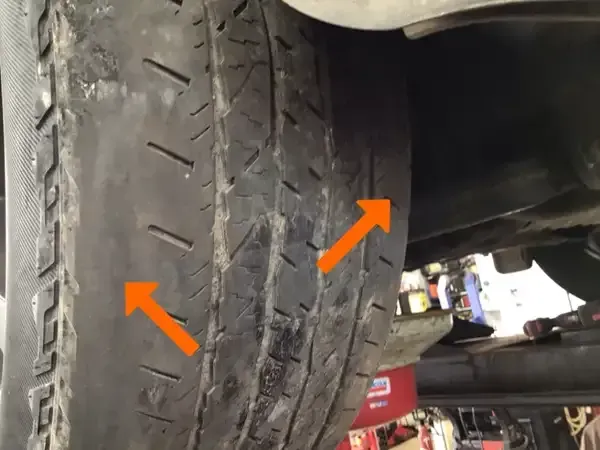
If you've noticed that one edge of your tire is wearing faster than the other, bald spots are developing, or one tire looks noticeably different from the others, your vehicle may...
By Sun Valley Auto Repair • August 12, 2026
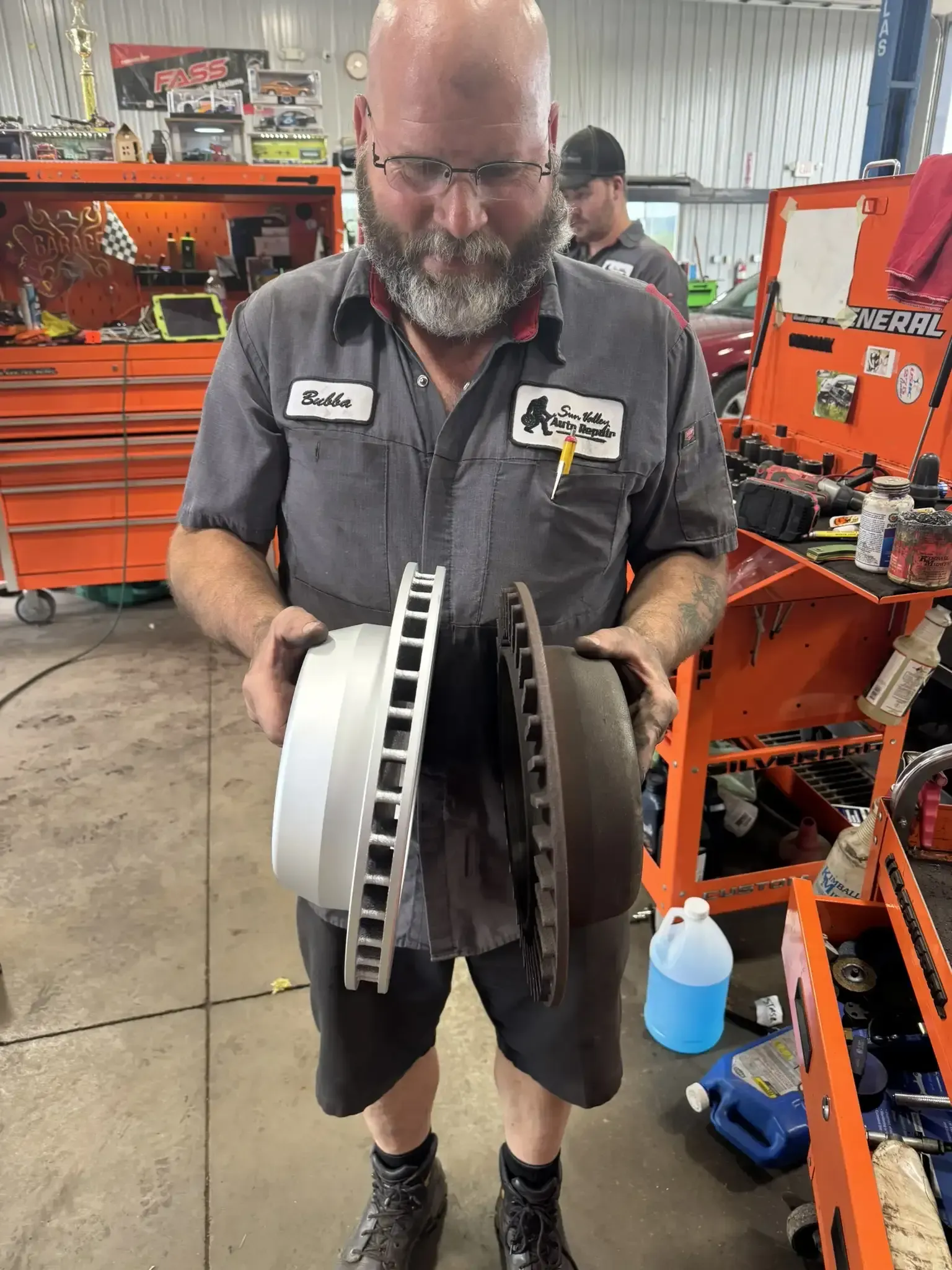
If you've started hearing a grinding noise when you press the brake pedal , don't ignore it. Grinding brakes can be caused by something as simple as surface rust, but they can...
By Sun Valley Auto Repair • July 30, 2026
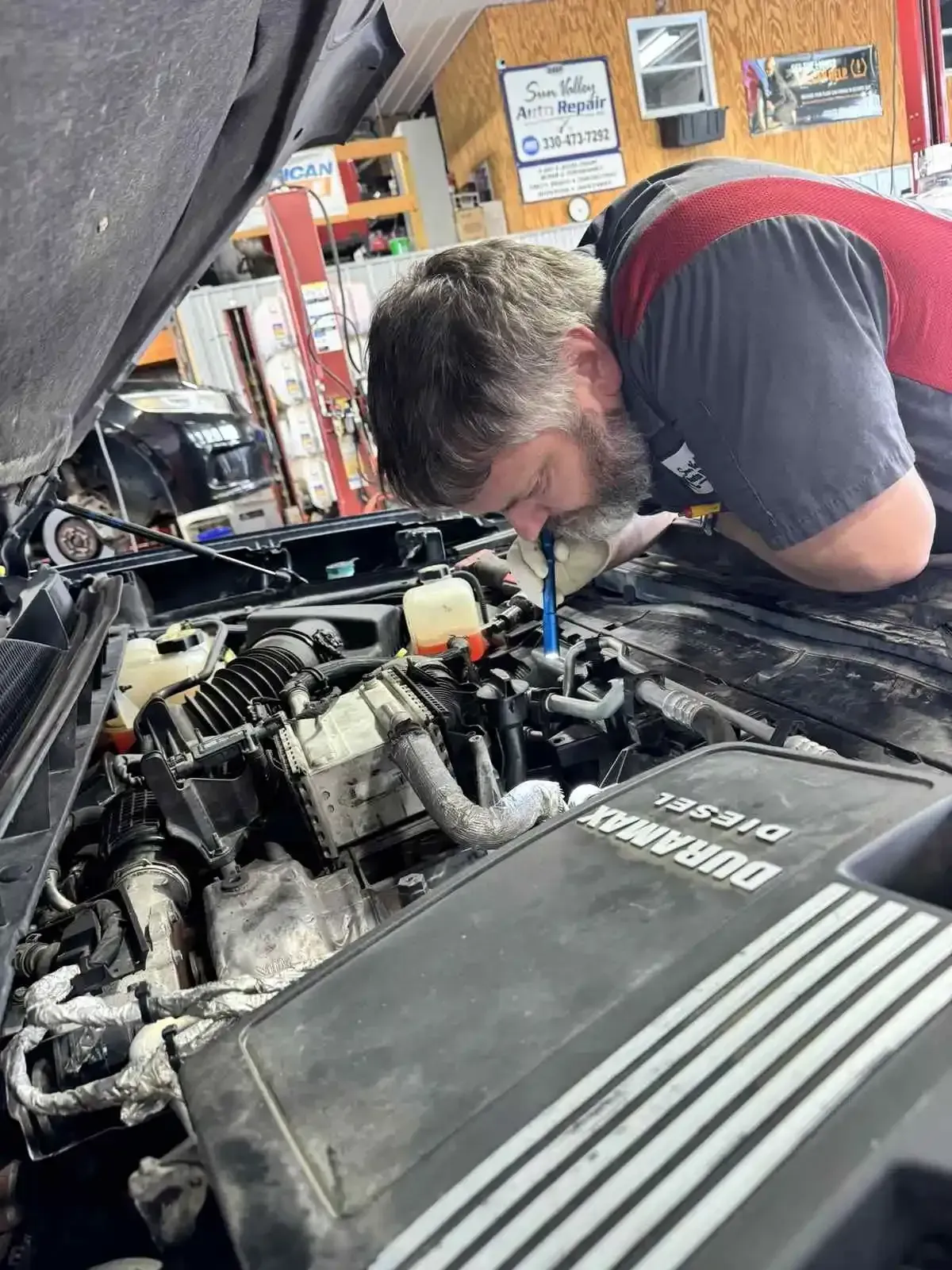
Have you ever wondered what your mechanic is actually looking at when they inspect your vehicle?
By Sun Valley Auto Repair • July 16, 2026
If your business depends on a work truck, van, or commercial fleet, keeping your vehicles properly maintained isn't just good practice—it's essential to protecting your bottom...
By Sun Valley Auto Repair • July 10, 2026
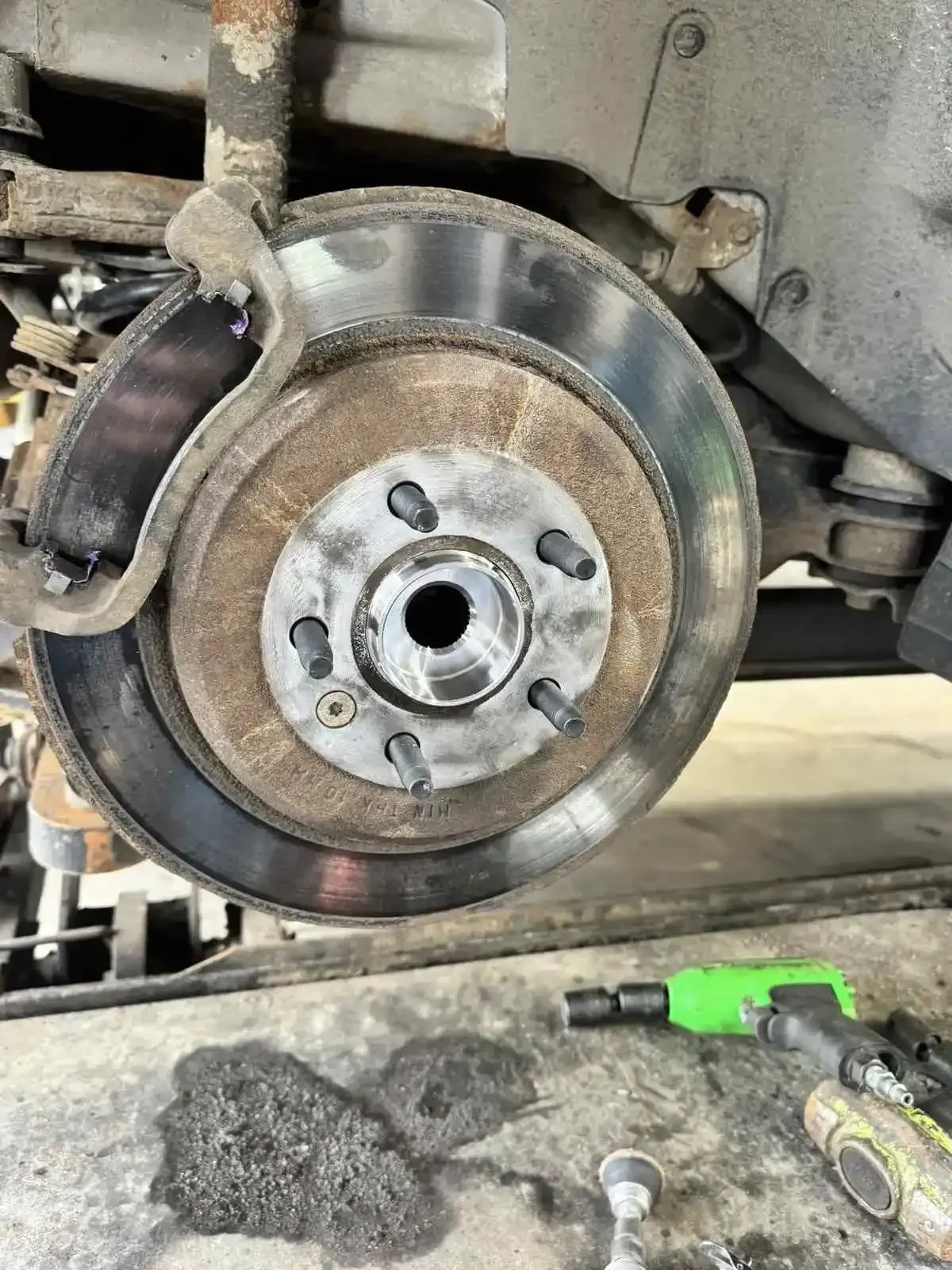
Short answer: Yes—in most cases, we recommend replacing your brake rotors and brake pads at the same time.

Show More