Holiday Road Trip Checklist: Winter Car Prep Before You Travel

Sun Valley Auto Repair • December 27, 2025

Share this article

Holiday travel is exciting—but winter road trips come with extra challenges. Cold temperatures, unpredictable Ohio weather, and heavier traffic can turn a simple drive into a stressful situation if your vehicle isn’t prepared.

Before you pack the gifts and load up the family, taking time to prepare your vehicle can help prevent breakdowns, delays, and unexpected repairs during the busiest travel season of the year.

Why Winter Road Trips Need Extra Preparation

Winter weather puts more strain on your vehicle. Cold starts, icy roads, and longer idling times increase wear on key components. Many roadside breakdowns during the holidays are caused by preventable issues like weak batteries, low fluids, worn tires, and poor visibility.

A little preparation goes a long way in keeping your trip safe and stress-free.

Essential Vehicle Checks Before You Travel

Battery Health

Cold weather reduces battery power while your vehicle requires more energy to start. If your battery is over three years old or slow to crank, testing it before a road trip can prevent a no-start situation far from home.

Tires & Tire Pressure

Tire pressure drops as temperatures fall. Underinflated tires reduce traction and fuel efficiency. Check tread depth and pressure—and don’t forget the spare tire.

Fluids

Proper fluid levels are critical in winter. Before traveling, check:

  • Engine oil
  • Coolant / antifreeze
  • Brake fluid
  • Winter windshield washer fluid

Brakes

Holiday travel often includes heavier traffic and sudden stops. Make sure your brakes are in good condition and responding properly.

Lights & Wipers

Shorter days and winter weather make visibility essential. Check headlights, brake lights, turn signals, and wiper blades to ensure you can see—and be seen.

Emergency Supplies Every Winter Road Trip Should Include

Even well-maintained vehicles can encounter unexpected situations. Consider carrying:

  • Ice scraper and snow brush
  • Jumper cables or portable jump starter
  • Blanket or emergency thermal blanket
  • Flashlight
  • Extra windshield washer fluid
  • Phone charger

These simple items can make a big difference if you’re delayed or stranded.

When to Schedule a Pre-Trip Inspection

It’s best to schedule a pre-trip inspection one to two weeks before travel . This allows time for any necessary repairs without last-minute stress.

A professional inspection can catch issues early and help you travel with confidence.

How Sun Valley Auto Repair Helps You Travel with Confidence

At Sun Valley Auto Repair, our pre-trip inspections focus on the systems most likely to cause winter travel issues. We use digital inspections to show you exactly what we find, so you can make informed decisions before hitting the road.

Our goal is simple: help you arrive safely and enjoy the holidays—without vehicle-related surprises.

Frequently Asked Questions About Holiday Road Trip Prep

Should I get my car checked before a winter road trip?
Yes. Winter travel puts extra strain on your vehicle, and a pre-trip inspection helps reduce the risk of breakdowns.

How far in advance should I schedule a pre-trip inspection?
We recommend one to two weeks before your trip to allow time for any needed repairs.

What causes most winter road trip breakdowns?
Battery failures, tire issues, and low fluids are among the most common causes.

Is a pre-trip inspection worth it for short trips?
Yes. Even short trips can be affected by winter weather and cold starts.

Our Mission

Driving Trust. Setting Standards. Your Road, Our Promise.

At Sun Valley Auto Repair, we're passionate about exceeding expectations. Our commitment to transparency through digital inspections helps us drive trust, set standards for excellence, and keep you moving safely and confidently.

Ready to give your engine the TLC it deserves? Schedule your next service appointment today.

Stay Connected

Recent Posts

By Sun Valley Auto Repair • October 9, 2026
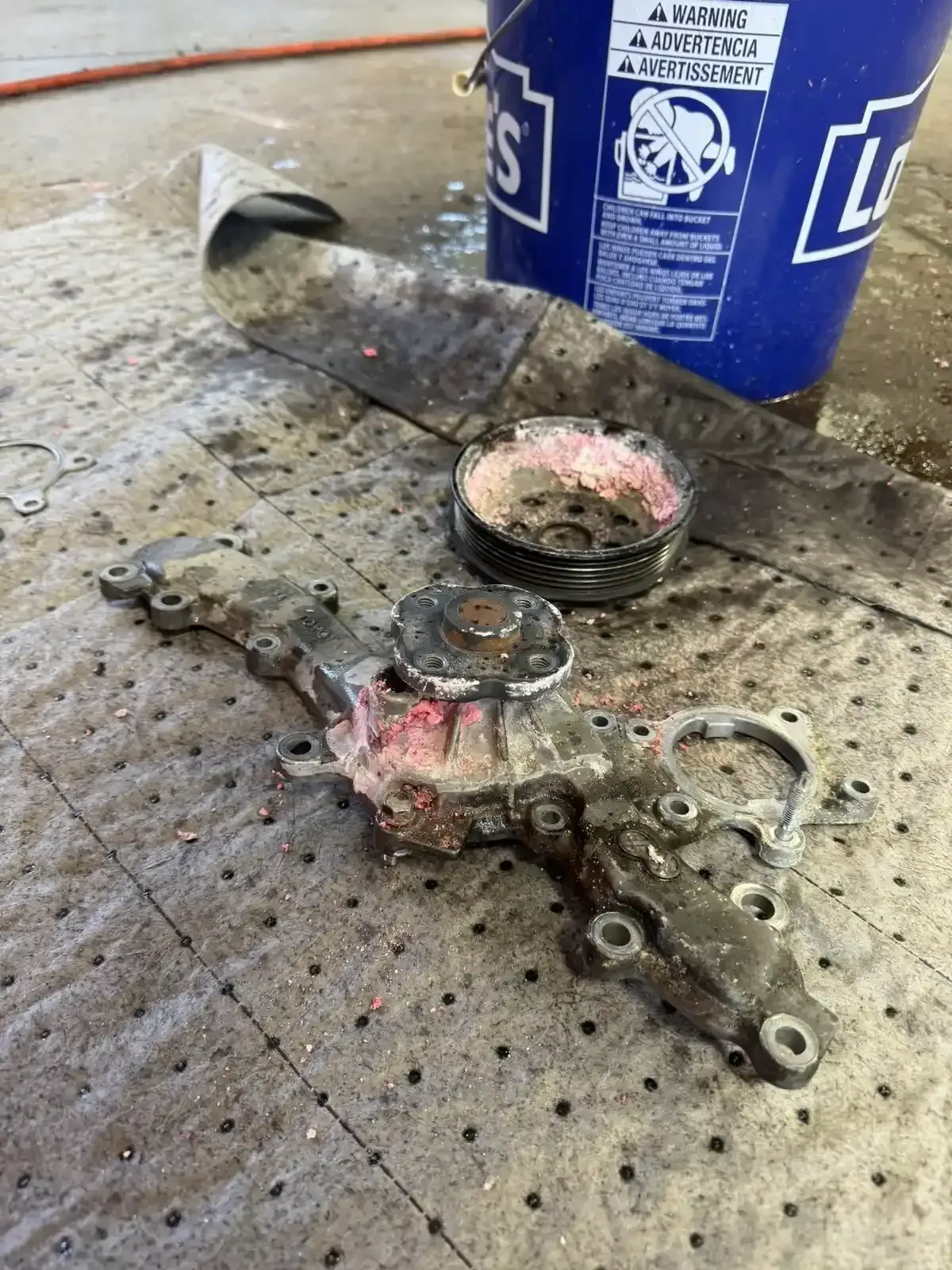
A car’s water pump can fail because of age and wear, contaminated coolant, corrosion, a damaged seal or bearing, or a problem with the belt system that drives it. When the pump...
By Sun Valley Auto Repair • October 9, 2026
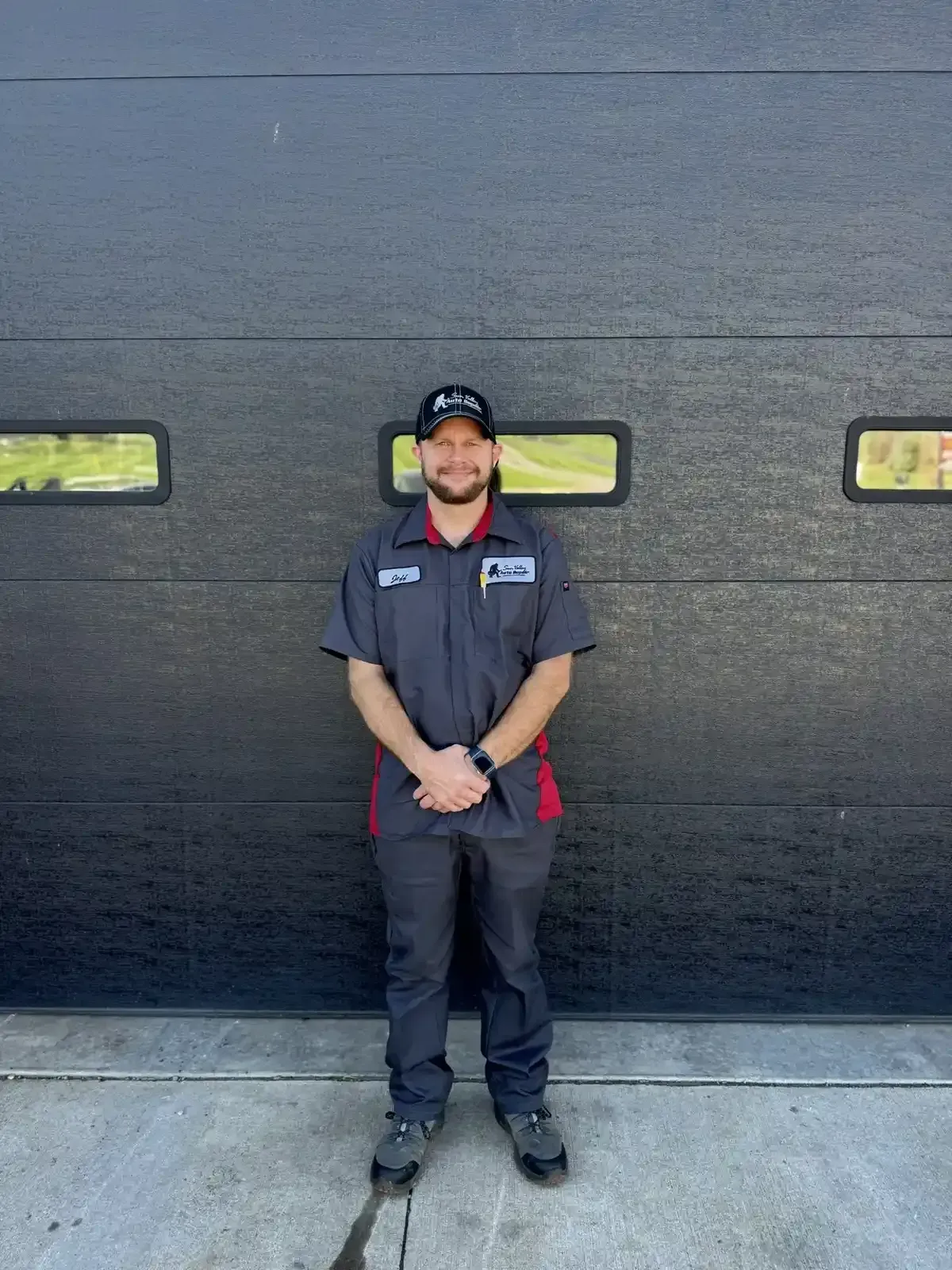
There’s a new face at the front counter! Please join us in welcoming Jeff to the Sun Valley Auto Repair team.
By Sun Valley Auto Repair • October 5, 2026
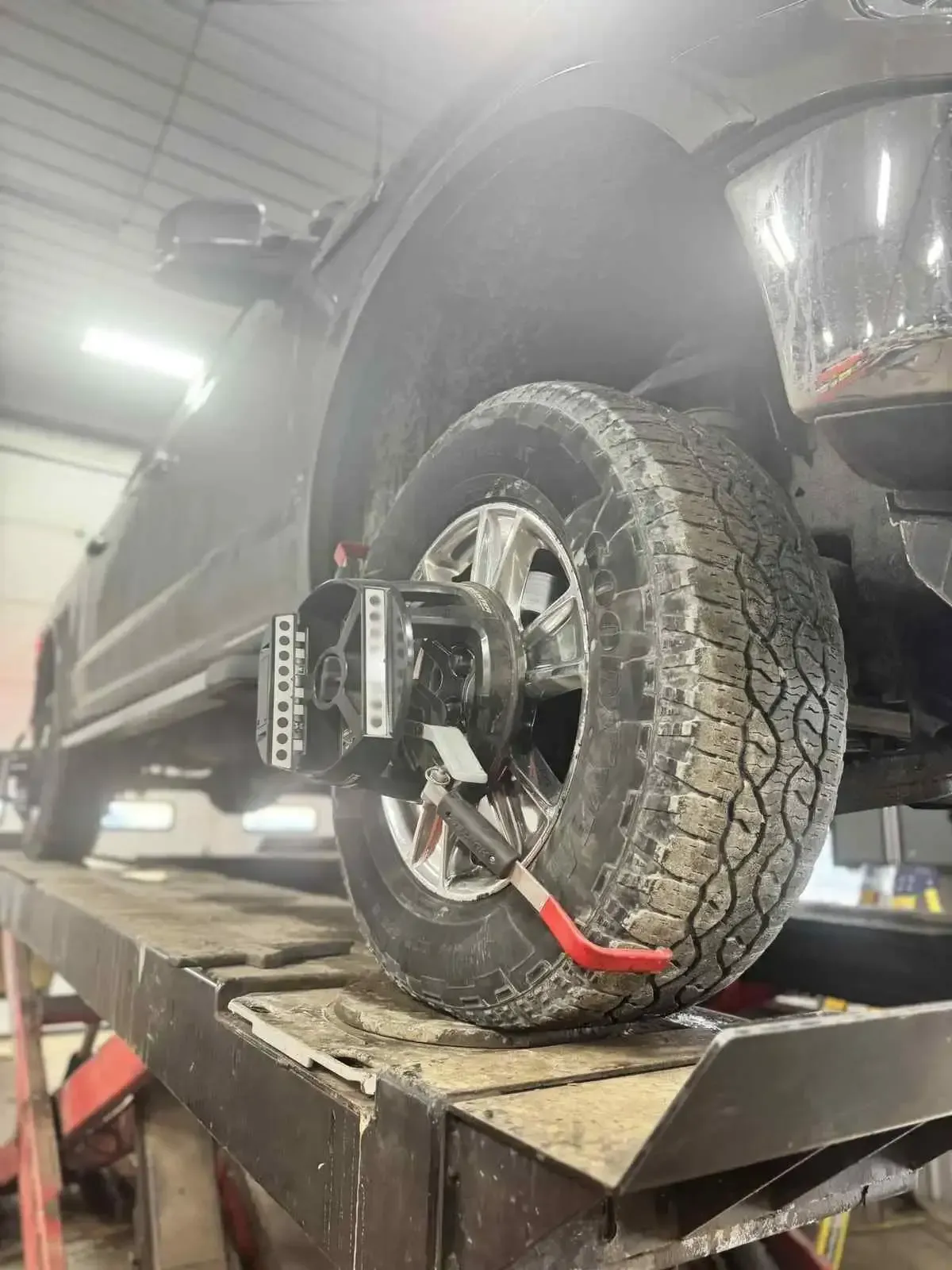
Getting new tires does not automatically mean your vehicle needs an alignment adjustment. It is, however, a good time to have the alignment checked. If your old tires wore...
By Sun Valley Auto Repair • September 28, 2026
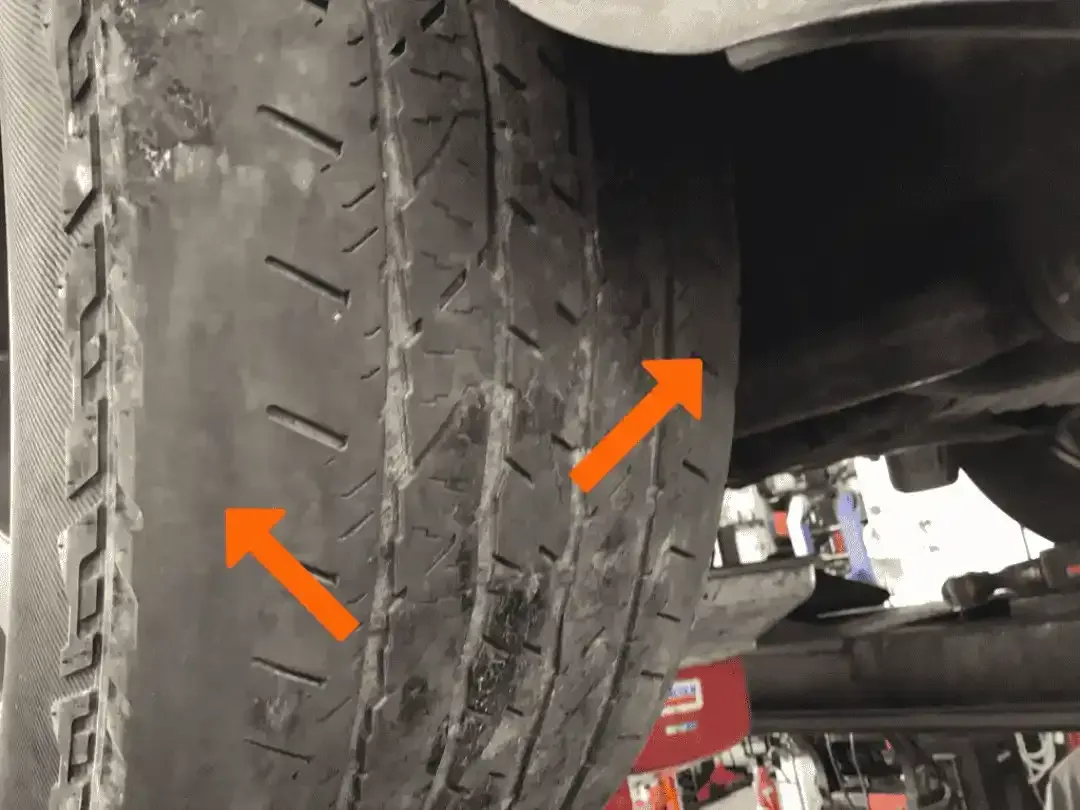
Before winter arrives in Ohio, check your tires for low tread, uneven wear, cracks, bulges and repeated air-pressure loss. Tires should have at least 2/32 inch of tread to remain...
By Sun Valley Auto Repair • August 31, 2026
You turn on your car’s A/C expecting a blast of cold air, but instead you get warm—or barely cool—air coming through the vents. What’s going on?
By Sun Valley Auto Repair • August 18, 2026
If you've noticed that one edge of your tire is wearing faster than the other, bald spots are developing, or one tire looks noticeably different from the others, your vehicle may...
By Sun Valley Auto Repair • August 12, 2026
If you've started hearing a grinding noise when you press the brake pedal , don't ignore it. Grinding brakes can be caused by something as simple as surface rust, but they can...
By Sun Valley Auto Repair • July 30, 2026
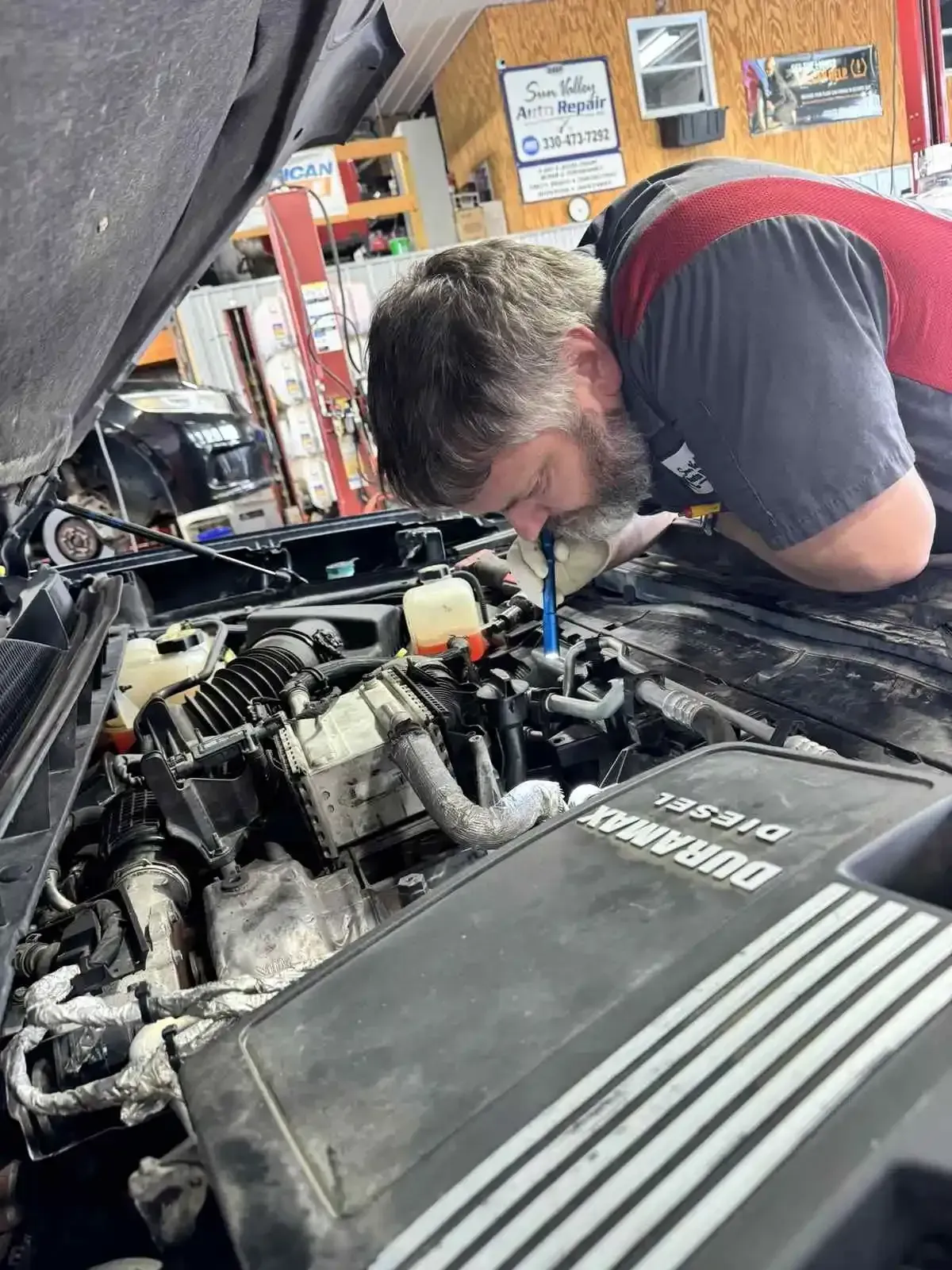
Have you ever wondered what your mechanic is actually looking at when they inspect your vehicle?
By Sun Valley Auto Repair • July 16, 2026
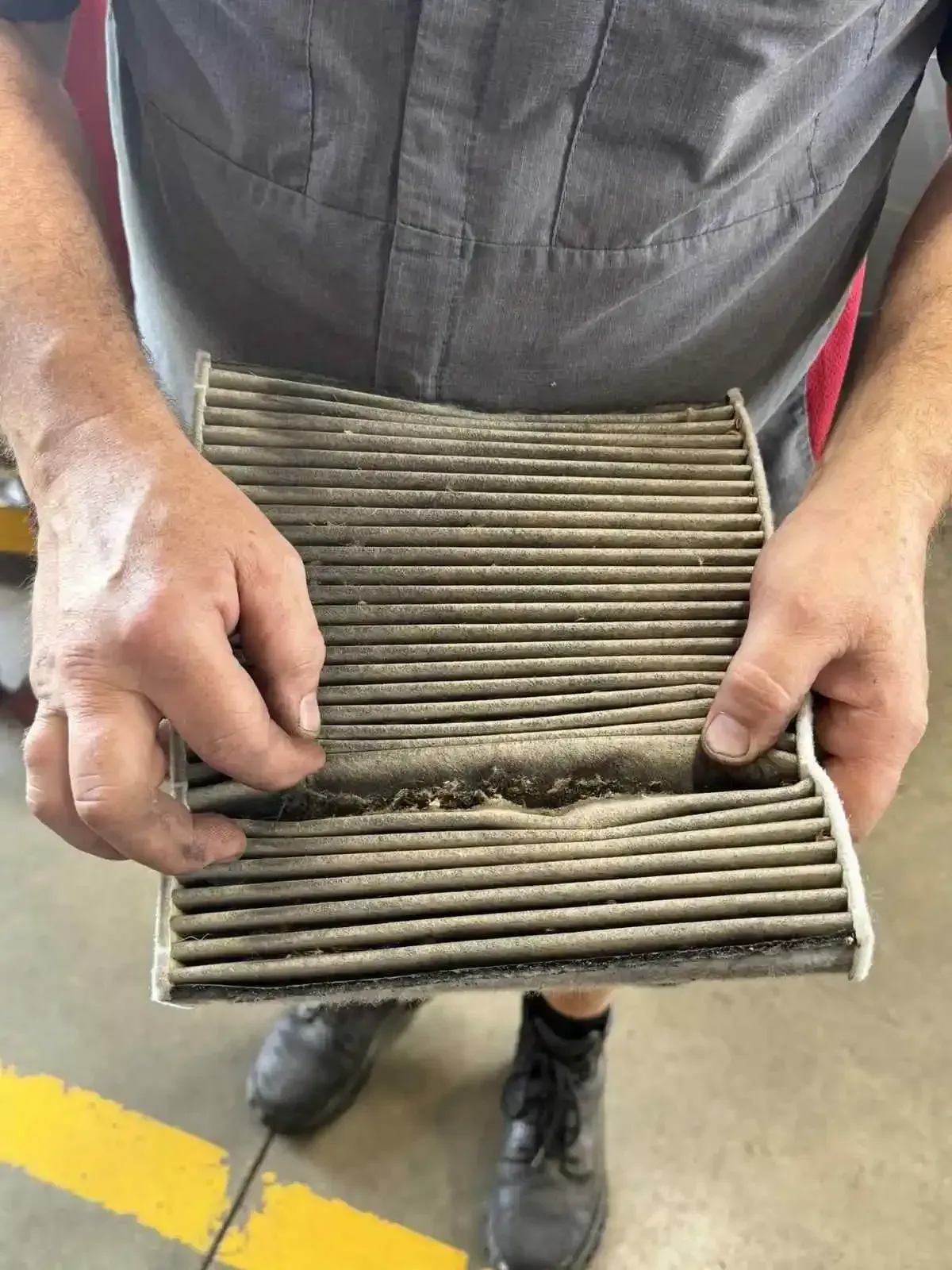
If your business depends on a work truck, van, or commercial fleet, keeping your vehicles properly maintained isn't just good practice—it's essential to protecting your bottom...
By Sun Valley Auto Repair • July 10, 2026
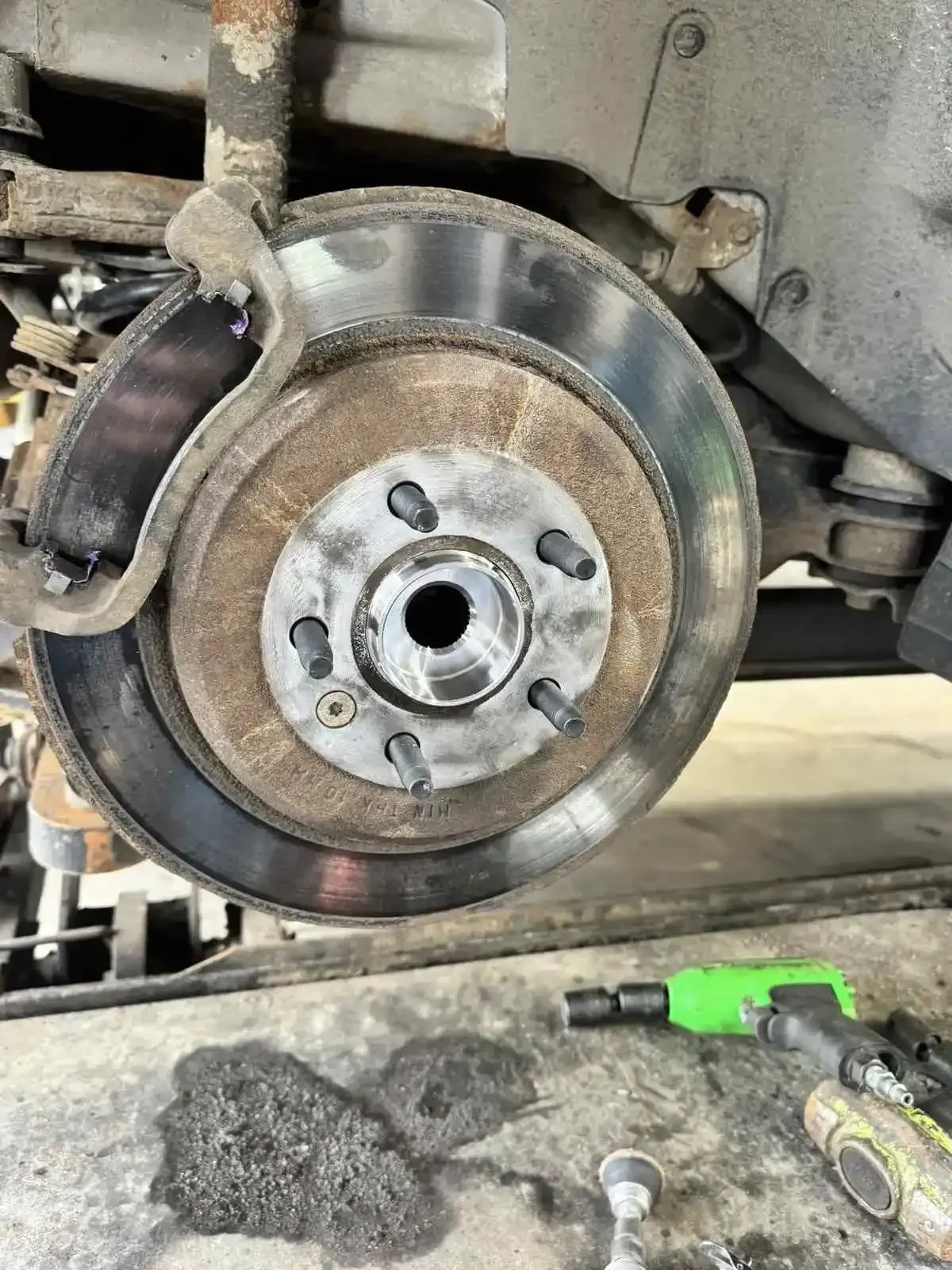
Short answer: Yes—in most cases, we recommend replacing your brake rotors and brake pads at the same time.

Show More