Winter Tires vs All-Season Tires: What Ohio Drivers Need to Know
When winter weather hits Ohio, many drivers assume their all-season tires are “good enough.” While all-season tires are designed to handle a variety of conditions, they aren’t always the best option once temperatures drop and roads become icy or snow-covered.
Understanding the difference between winter tires and all-season tires can help you make safer, more confident driving decisions during the coldest months of the year.
What Makes Winter Tires Different?
Winter tires are built specifically for cold weather. Their rubber compound stays flexible in freezing temperatures, allowing the tire to grip the road better than all-season tires, which harden as temperatures drop.
Winter tires also feature deeper tread patterns and specially designed sipes (small slits in the tread) that improve traction on snow, ice, and slush.
Are All-Season Tires Enough for Ohio Winters?
All-season tires are designed for a broad range of conditions, but they are a compromise. Once temperatures consistently fall below 45°F, their performance begins to decline.
For Ohio drivers who frequently encounter snow, ice, hills, rural roads, or early morning commutes, all-season tires may not provide the level of traction needed for confident winter driving.
How Temperature Impacts Tire Performance
Traction isn’t just about snow—it’s about temperature. Even on dry roads, cold pavement reduces grip. Winter tires maintain traction in cold conditions, while all-season tires lose flexibility, increasing stopping distances and reducing handling control.
Tread Depth and Winter Safety
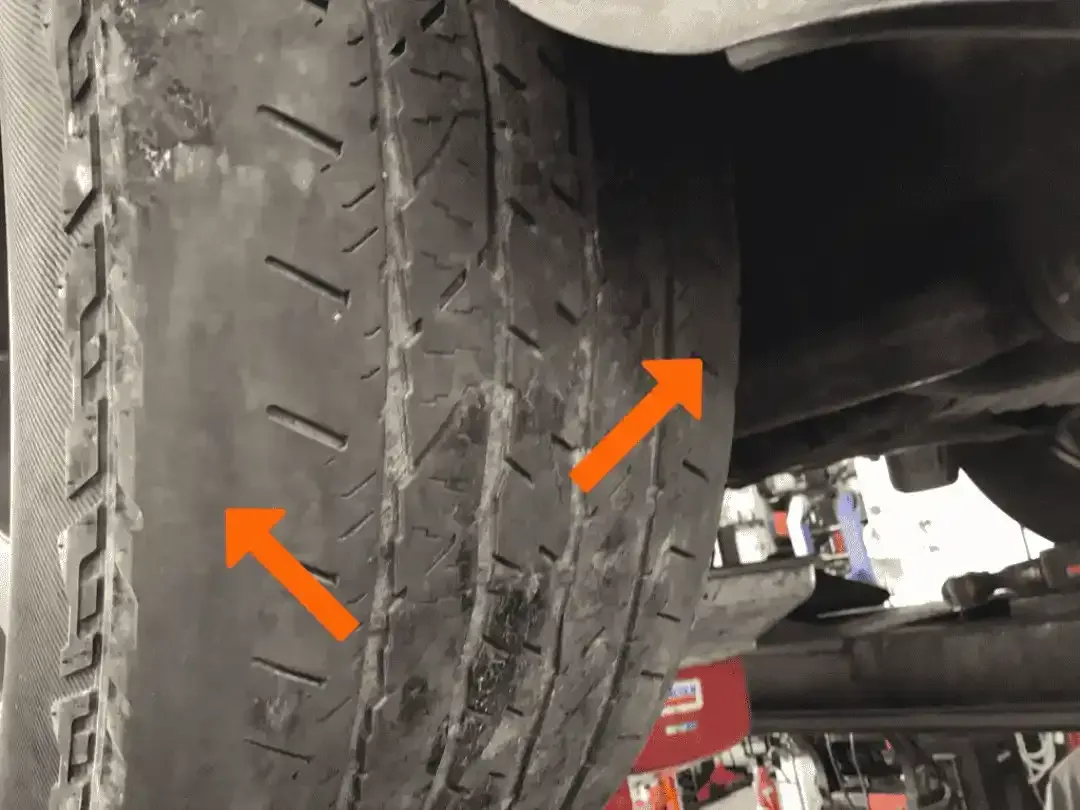
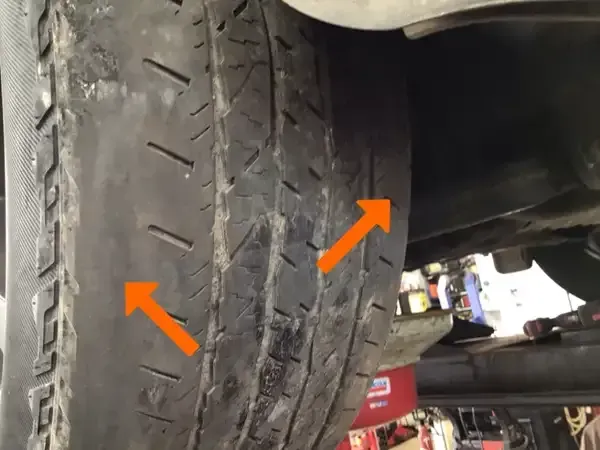
Tread depth plays a major role in winter safety. Tires with less than 4/32” of tread struggle to move snow and slush away from the contact patch, increasing the risk of slipping and hydroplaning.
Winter tires are designed to evacuate snow and maintain traction, even as conditions worsen.
When Should You Switch to Winter Tires?
A good rule of thumb is to switch to winter tires when temperatures consistently stay below 45°F. This often happens well before the first snowfall in Ohio.
Winter tires are best used as a full set of four to maintain balanced traction and stability.
How Sun Valley Auto Repair Helps You Choose the Right Tires
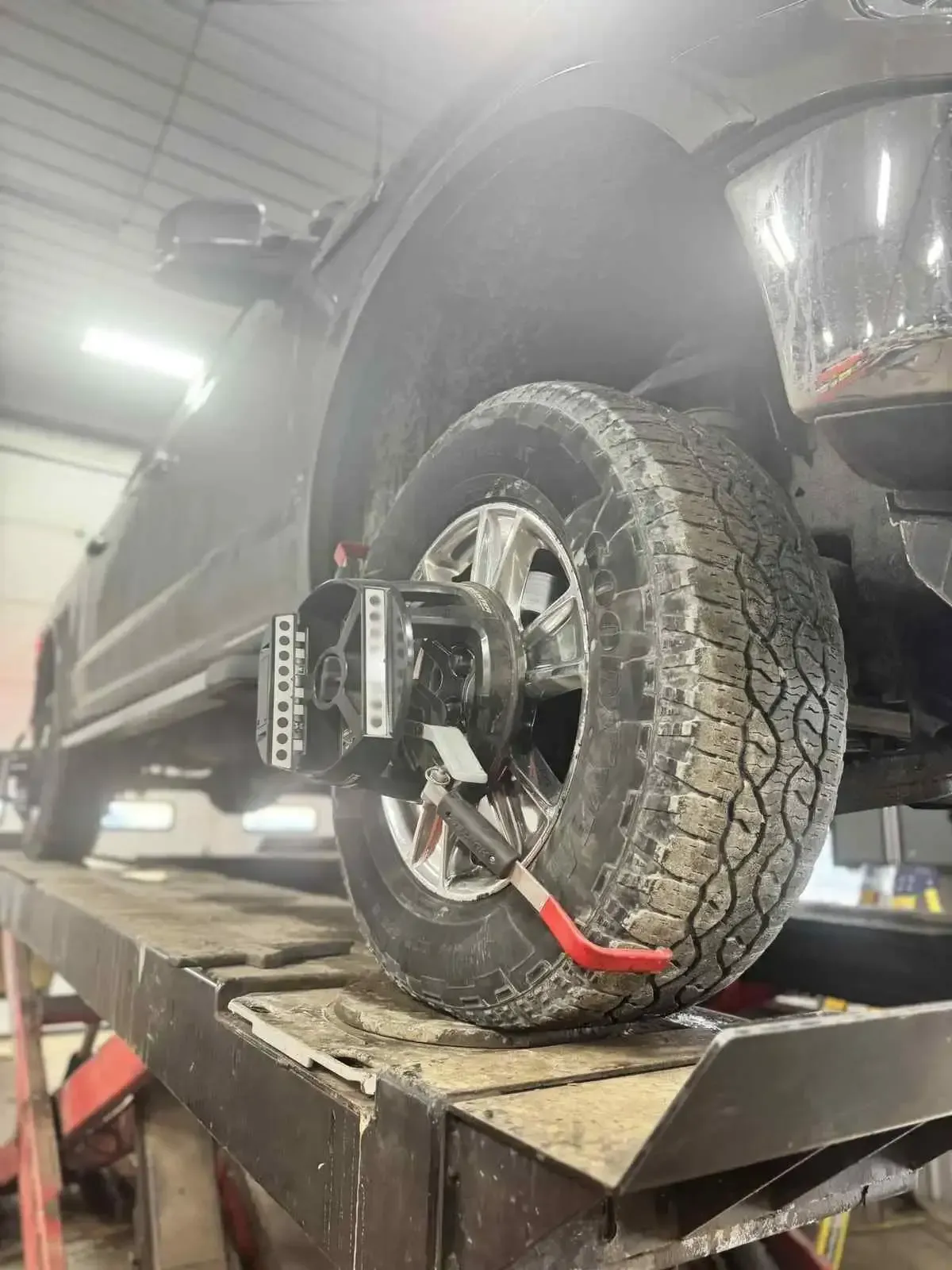
At Sun Valley Auto Repair, we help drivers choose tires based on their vehicle, driving habits, and winter conditions—not just what’s on sale. Our team inspects tread depth, checks tire pressure, and ensures proper mounting and balancing so your vehicle is prepared for winter driving.
Frequently Asked Questions About Winter Tires
Are winter tires worth it in Ohio?
Yes. Winter tires significantly improve traction, braking, and control in cold weather—especially on snow- and ice-covered roads.
Can winter tires be used year-round?
No. Winter tires wear quickly in warm temperatures and should be removed once spring arrives.
Do I need winter tires if I have all-wheel drive?
All-wheel drive helps with acceleration, but it doesn’t improve braking or cornering. Tires still make the biggest difference.
How much tread do I need for winter driving?
For winter conditions, we recommend at least 4/32” of tread depth for safe performance.
Our Mission: Driving Trust, Setting Standards, Your Road Our Promise
At Sun Valley Auto Repair, we're passionate about exceeding expectations. Our commitment to transparency through digital inspections aligns perfectly with our mission statement: driving trust by being honest and upfront about your vehicle's needs. We set standards for excellence in auto repair, ensuring your car receives the highest quality care. Ultimately, your road is our promise . We're dedicated to keeping you moving safely and confidently for miles to come.
Ready to give your engine the TLC it deserves? Schedule your next service appointment with Sun Valley Auto Repair today! We look forward to keeping your car happy and healthy for miles to come.
Stay Connected!
Like us on Facebook
Follow us on Instagram
Learn More About Us
Join Our Team
Subscribe to our Youtube Channel
Recent Posts