Year-End Fleet Maintenance Checklist: Preparing for the New Year

December 14, 2024

Share this article

As the year draws to a close, fleet managers have a critical opportunity to ensure their vehicles are in top condition for the year ahead. A well-maintained fleet can mean fewer breakdowns, better safety, and improved cost efficiency. Below, we’ve compiled a comprehensive year-end fleet maintenance checklist, addressing common questions fleet managers often ask.

What Should Be Included in a Fleet Maintenance Checklist?

A thorough fleet maintenance checklist should cover the following areas:

1. Vehicle Inspections

  • Brakes: Check pads, rotors, and fluid levels for wear and tear.

  • Tires: Inspect tread depth, sidewalls, and air pressure. Replace any damaged or excessively worn tires.

  • Lights: Test headlights, taillights, brake lights, and turn signals to ensure proper functionality.

2. Fluid Levels and Filters

  • Oil and Oil Filters: Ensure all vehicles have fresh oil and clean filters.

  • Coolant Levels: Check for leaks and ensure the coolant is at the correct level and concentration.

  • Transmission Fluid: Verify the fluid is clean and at the appropriate level.

  • Air Filters: Replace dirty air filters to improve fuel efficiency.

3. Battery Health

  • Test each vehicle’s battery for voltage and ensure terminals are free of corrosion.

  • Replace weak batteries to avoid unexpected breakdowns during winter months.

4. Heating and Cooling Systems

  • Inspect HVAC systems to ensure proper heating and defrosting.

  • Check hoses and belts for wear or cracks.


How Often Should Fleet Maintenance Be Performed?

Fleet maintenance frequency depends on usage and manufacturer recommendations. However, many experts suggest:

  • Routine Maintenance: Every 5,000-7,500 miles for oil changes and tire rotations.

  • Seasonal Maintenance: Inspect heating systems before winter and air conditioning before summer.

  • Annual Inspections: Comprehensive checks, including suspension systems, exhaust, and emissions testing.

Sticking to a preventative maintenance schedule can help avoid costly repairs and downtime.

How Do You Prepare Fleet Vehicles for Winter?

Winter poses unique challenges for fleet vehicles. Here’s how to prepare:

  1. Winter Tires: Equip vehicles with snow or all-weather tires for better traction.

  2. Anti-Freeze Check: Ensure coolant has the proper mix for freezing temperatures.

  3. Emergency Kits: Stock vehicles with jumper cables, flashlights, blankets, and first-aid kits.

  4. Windshield Wipers and Washer Fluid: Replace wipers if needed and use a washer fluid designed for freezing temperatures.

What Are the Best Practices for Managing Fleet Maintenance Records?

Effective record-keeping is essential for fleet management. Follow these tips:

  • Digital Tools: Use fleet management software to track maintenance schedules and costs.

  • Documentation: Maintain detailed records of all repairs, inspections, and parts replacements.

  • Mileage Logs: Track mileage for each vehicle to anticipate upcoming maintenance needs.

How Can I Improve Fuel Efficiency for My Fleet?

Improving fuel efficiency reduces costs and environmental impact. Consider these steps:

  • Tire Maintenance: Keep tires inflated to the recommended pressure.

  • Driver Training: Teach fuel-efficient driving habits, like avoiding rapid acceleration and maintaining steady speeds.

  • Reduce Idling: Minimize unnecessary idling to save fuel.

What Are the Benefits of a Year-End Fleet Maintenance Check?

Taking the time to perform year-end maintenance offers numerous benefits:

  • Cost Savings: Identify and fix minor issues before they become expensive problems.

  • Safety: Ensure vehicles are safe for drivers and other road users.

  • Readiness: Start the new year with confidence, knowing your fleet is fully operational.

Schedule Your Year-End Fleet Maintenance with Sun Valley Auto Repair

At Sun Valley Auto Repair, we specialize in comprehensive fleet maintenance services to keep your vehicles running smoothly all year long. Our expert technicians are ready to help you prepare for the challenges of the new year.

Book Your Fleet Maintenance Appointment Today!

Schedule Now or call us at 330-473-7292.  Let us help you keep your fleet in top shape for 2025!

Stay Connected!


Recent Posts

By Sun Valley Auto Repair • October 9, 2026
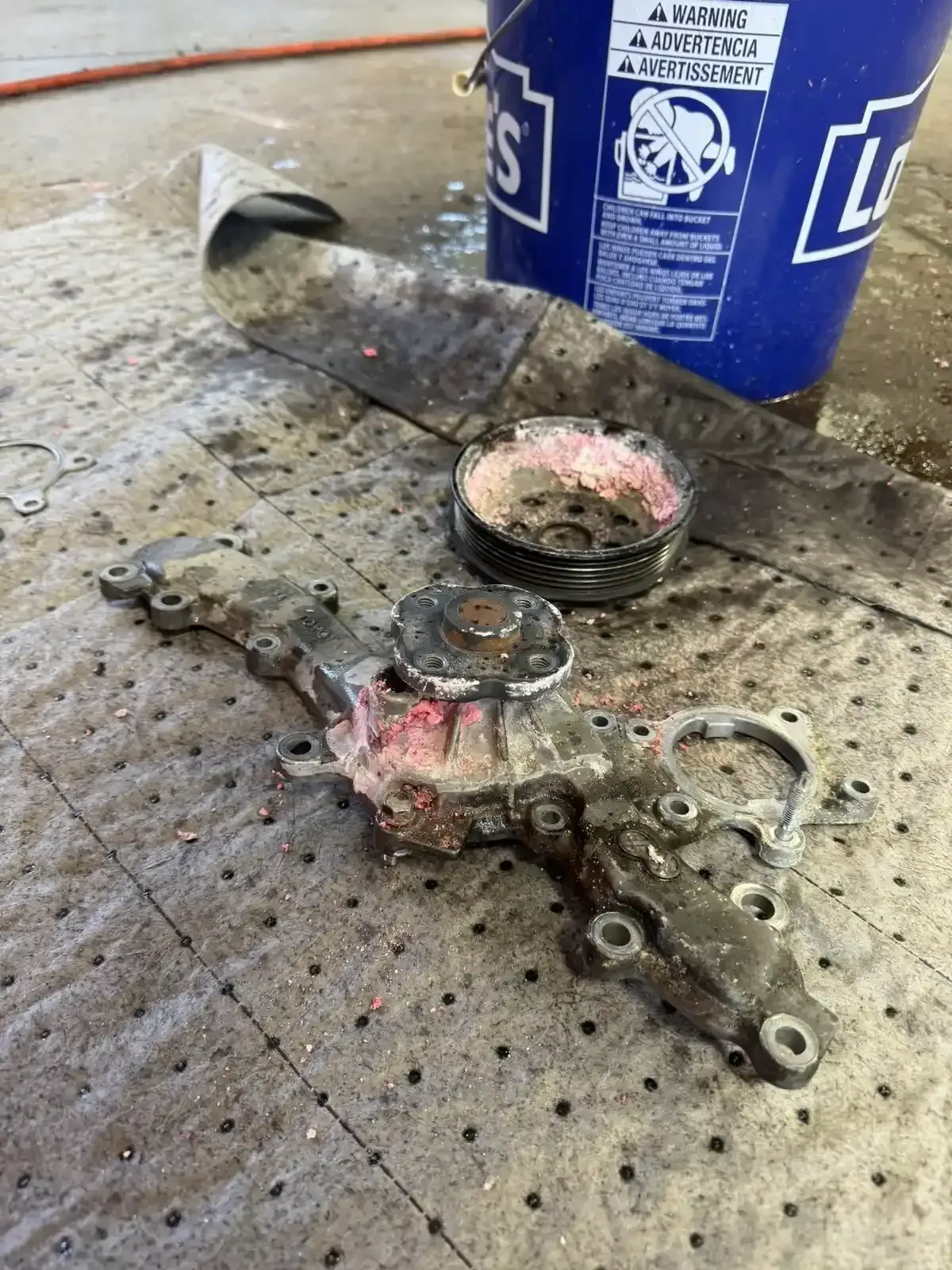
A car’s water pump can fail because of age and wear, contaminated coolant, corrosion, a damaged seal or bearing, or a problem with the belt system that drives it. When the pump...
By Sun Valley Auto Repair • October 9, 2026
There’s a new face at the front counter! Please join us in welcoming Jeff to the Sun Valley Auto Repair team.
By Sun Valley Auto Repair • October 5, 2026
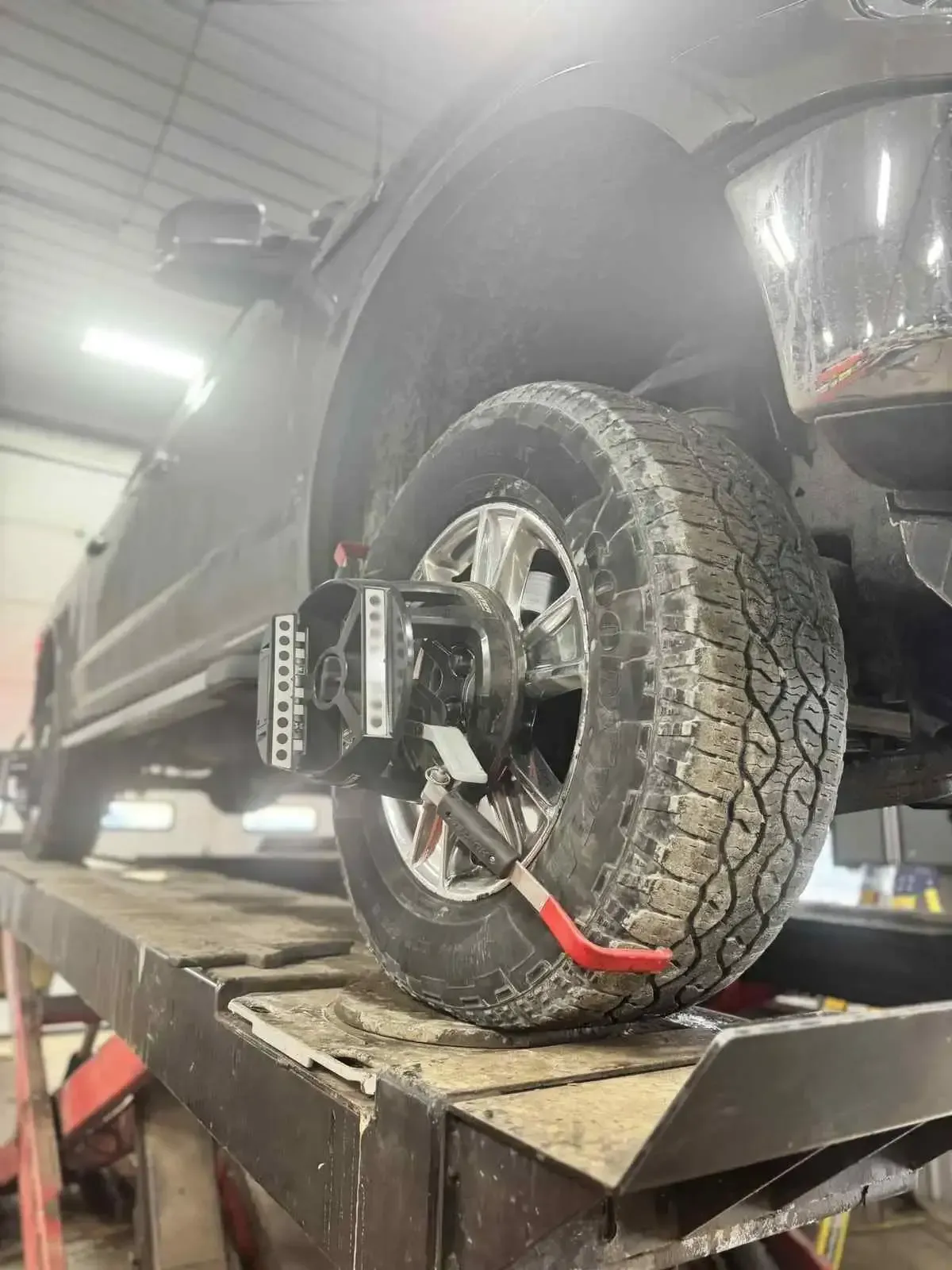
Getting new tires does not automatically mean your vehicle needs an alignment adjustment. It is, however, a good time to have the alignment checked. If your old tires wore...
By Sun Valley Auto Repair • September 28, 2026
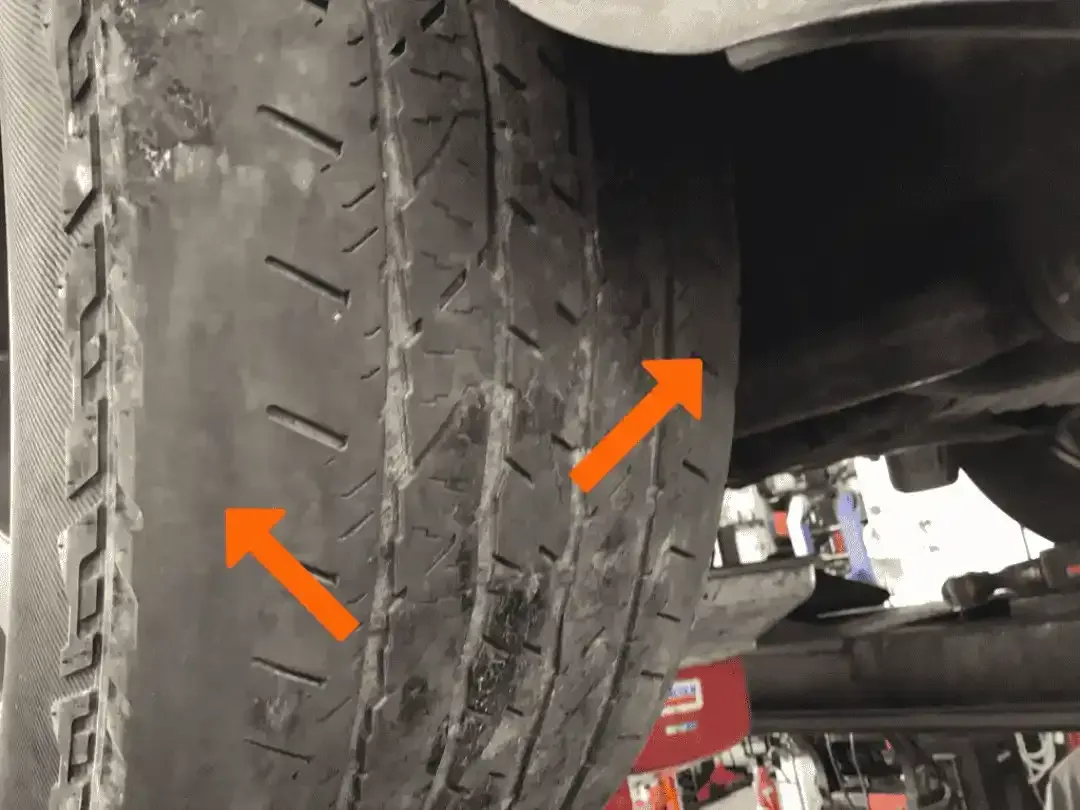
Before winter arrives in Ohio, check your tires for low tread, uneven wear, cracks, bulges and repeated air-pressure loss. Tires should have at least 2/32 inch of tread to remain...
By Sun Valley Auto Repair • August 31, 2026
You turn on your car’s A/C expecting a blast of cold air, but instead you get warm—or barely cool—air coming through the vents. What’s going on?
By Sun Valley Auto Repair • August 18, 2026
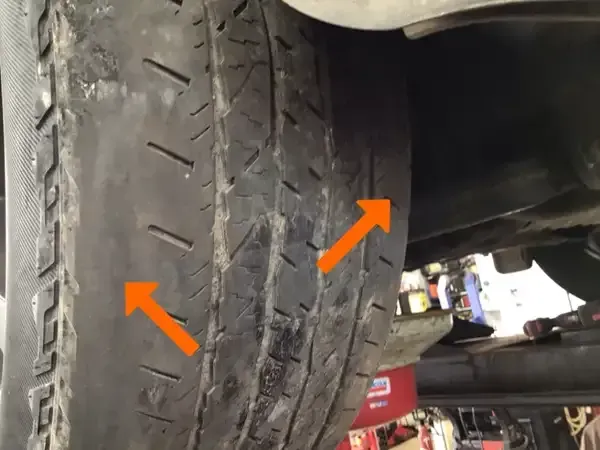
If you've noticed that one edge of your tire is wearing faster than the other, bald spots are developing, or one tire looks noticeably different from the others, your vehicle may...
By Sun Valley Auto Repair • August 12, 2026
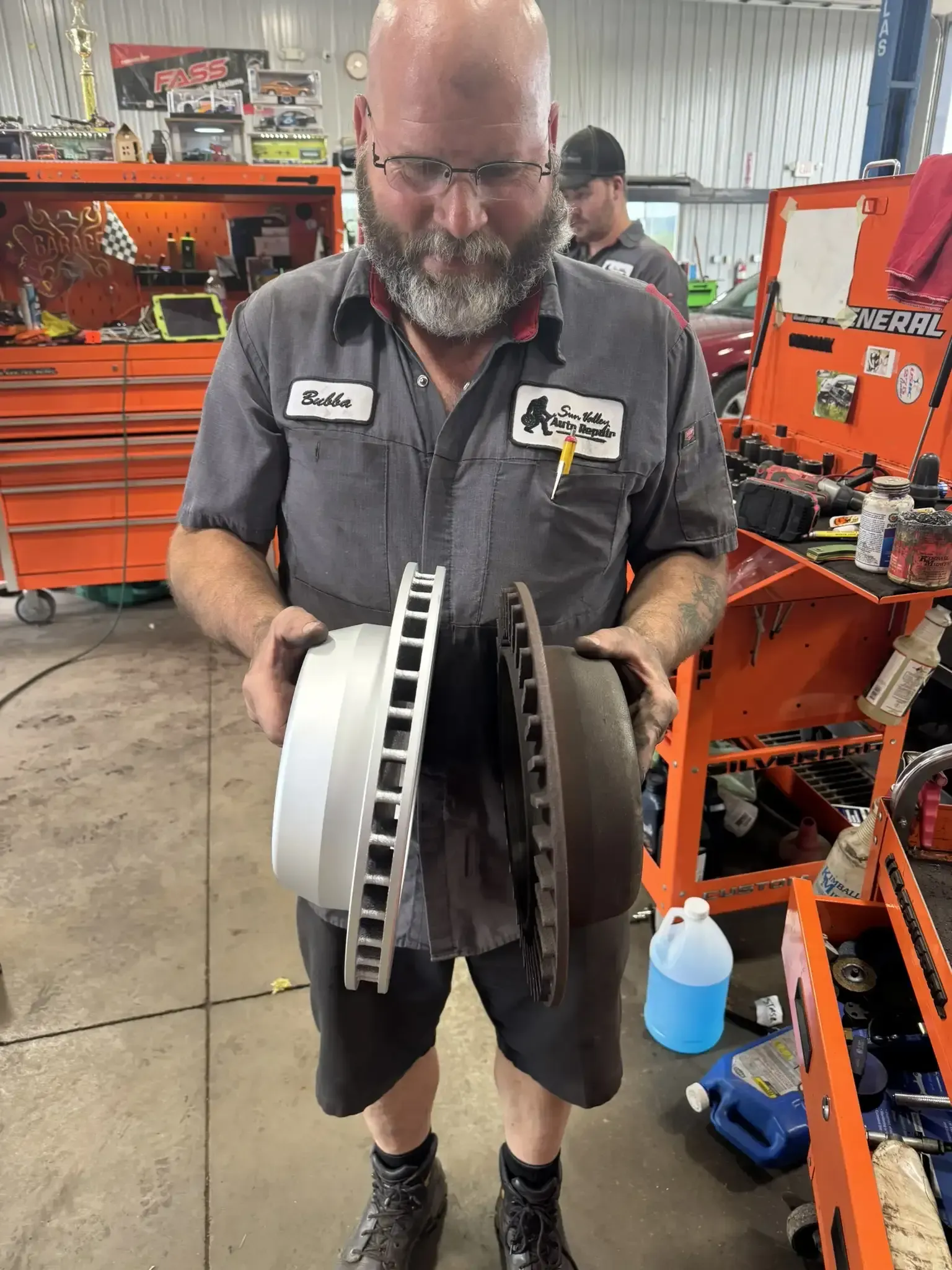
If you've started hearing a grinding noise when you press the brake pedal , don't ignore it. Grinding brakes can be caused by something as simple as surface rust, but they can...
By Sun Valley Auto Repair • July 30, 2026
Have you ever wondered what your mechanic is actually looking at when they inspect your vehicle?
By Sun Valley Auto Repair • July 16, 2026
If your business depends on a work truck, van, or commercial fleet, keeping your vehicles properly maintained isn't just good practice—it's essential to protecting your bottom...
By Sun Valley Auto Repair • July 10, 2026
Short answer: Yes—in most cases, we recommend replacing your brake rotors and brake pads at the same time.

Show More