First Freeze of the Season: What It Means for Your Vehicle

Sun Valley Auto Repair • November 11, 2025

Share this article


This morning marked the first time temperatures dropped below freezing here in Sugarcreek, Ohio. While that first frost might look pretty glistening on your windshield, it’s a wake-up call for your vehicle. Cold weather brings a whole new set of challenges for your car, and ignoring them can lead to big headaches (and repair bills) down the road.

At Sun Valley Auto Repair, we want to help you stay ahead of the cold snap. Here's what you need to know—and do—now that winter is knocking.

1. Battery Performance Takes a Hit

Cold weather slows down the chemical reaction inside your car battery, which means it has to work harder to start your engine. If your battery is more than three years old, have it tested. A weak battery that was fine in fall might leave you stranded in winter.

2. Tire Pressure Drops

For every 10-degree drop in temperature, your tires lose about 1 PSI. Underinflated tires reduce traction and increase tire wear. Stop in and we’ll check your pressure—or do it yourself and top off to the manufacturer’s recommended level (usually found on the driver’s side door jamb).

3. Engine Fluids Thicken

Oil, transmission fluid, coolant, and other essential fluids thicken in cold weather. If you're due for an oil change, now's the time. We use oils that are rated for year-round performance, including cold starts.

4. Windshield Wipers & Washer Fluid Matter

Frost and road grime mean you’ll rely heavily on your wipers and washer fluid. Swap out old blades and be sure you’re using a winter-grade washer fluid that won’t freeze on your windshield.

5. Heaters & Defrosters Should Be Checked

Make sure your defroster clears your windows quickly and that your cabin heat is working. A foggy windshield on a cold morning is more than annoying—it's a safety issue.

6. Tire Tread = Winter Grip

Even if you’re not running dedicated winter tires, you need strong tread depth for safe driving. Balding tires don’t cut it on icy roads. We offer free tire checks at Sun Valley Auto Repair.

7. Frozen Locks, Doors & Windows

Consider using a silicone-based lubricant on weather stripping to keep doors from freezing shut. Keep a lock de-icer handy, especially if you park outside.


Frequently Asked Questions (FAQ)

Q: Do I really need to warm up my car in the winter?
A: Newer vehicles don’t need to idle for long. Just 30 seconds is enough before driving gently. Letting it warm up helps defrost the windows and get the oil circulating.

Q: How often should I check my tire pressure in winter?
A: At least once a month or anytime there’s a major temperature swing. Tire pressure fluctuates with the weather.

Q: Is it bad to use water instead of washer fluid?
A: Yes. Water can freeze in your lines and reservoir. Always use a winter-rated washer fluid to prevent damage.

Q: What does it mean if my car is slow to start in the morning?
A: That could be a sign your battery is weakening or your oil is too thick. Cold starts put extra strain on older parts.

Q: How do I prevent my doors from freezing shut?
A: Apply a silicone spray or rubber conditioner to the door seals and weather stripping. It keeps moisture from freezing them shut.


Our Mission: Driving Trust, Setting Standards, Your Road Our Promise
At Sun Valley Auto Repair, we believe prevention is the best form of protection. From battery checks and fluid inspections to tire service and winter prep, we’re here to help you drive confidently—no matter the forecast.

Don’t wait for a cold morning surprise. Schedule your winter vehicle checkup today with Sun Valley Auto Repair and enjoy peace of mind all season long.

Stay Connected!
Like us on Facebook
Follow us on Instagram
Learn More About Us
Join Our Team
Subscribe to our Youtube Channel

Recent Posts

By Sun Valley Auto Repair • October 9, 2026
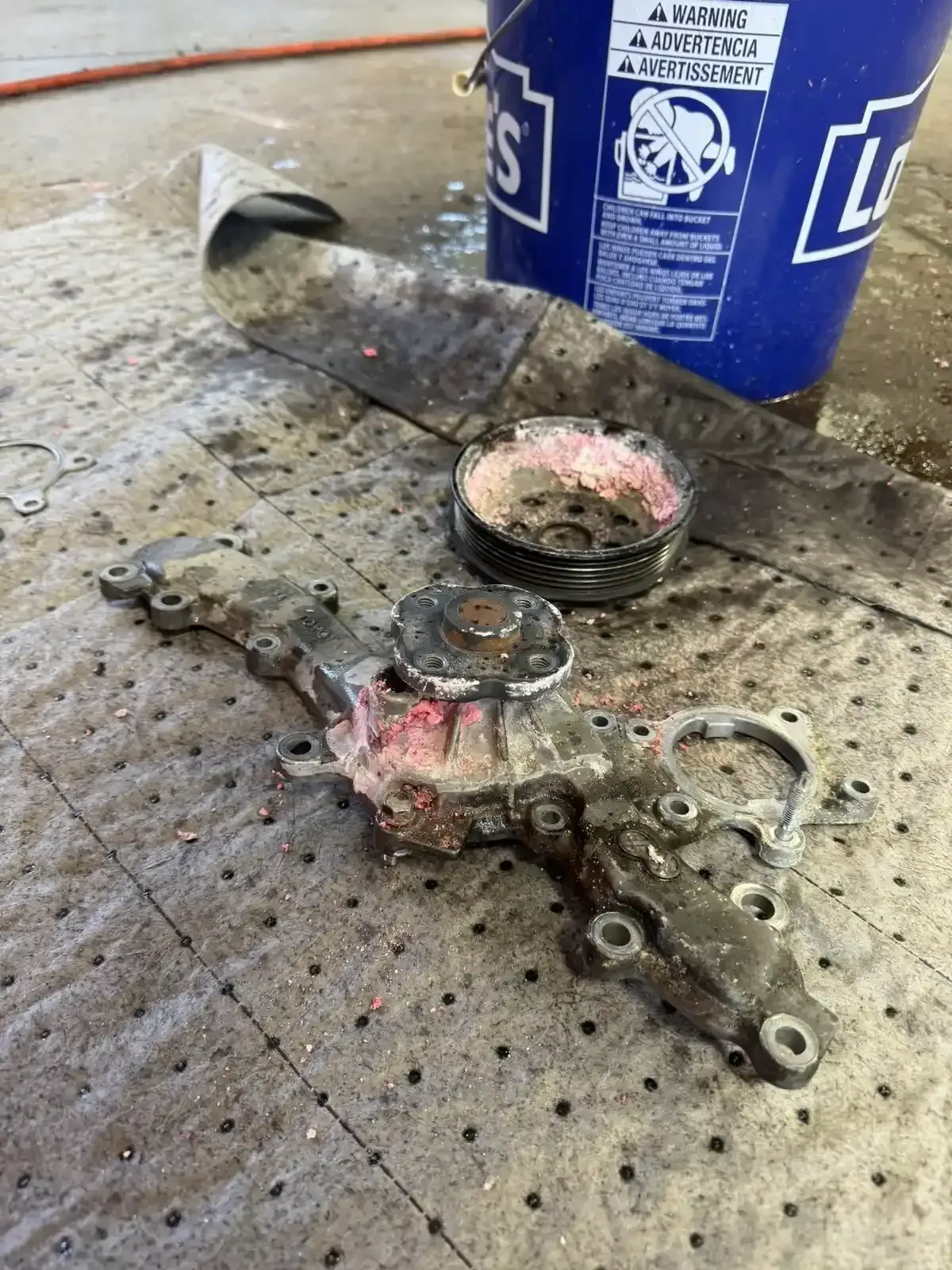
A car’s water pump can fail because of age and wear, contaminated coolant, corrosion, a damaged seal or bearing, or a problem with the belt system that drives it. When the pump...
By Sun Valley Auto Repair • October 9, 2026
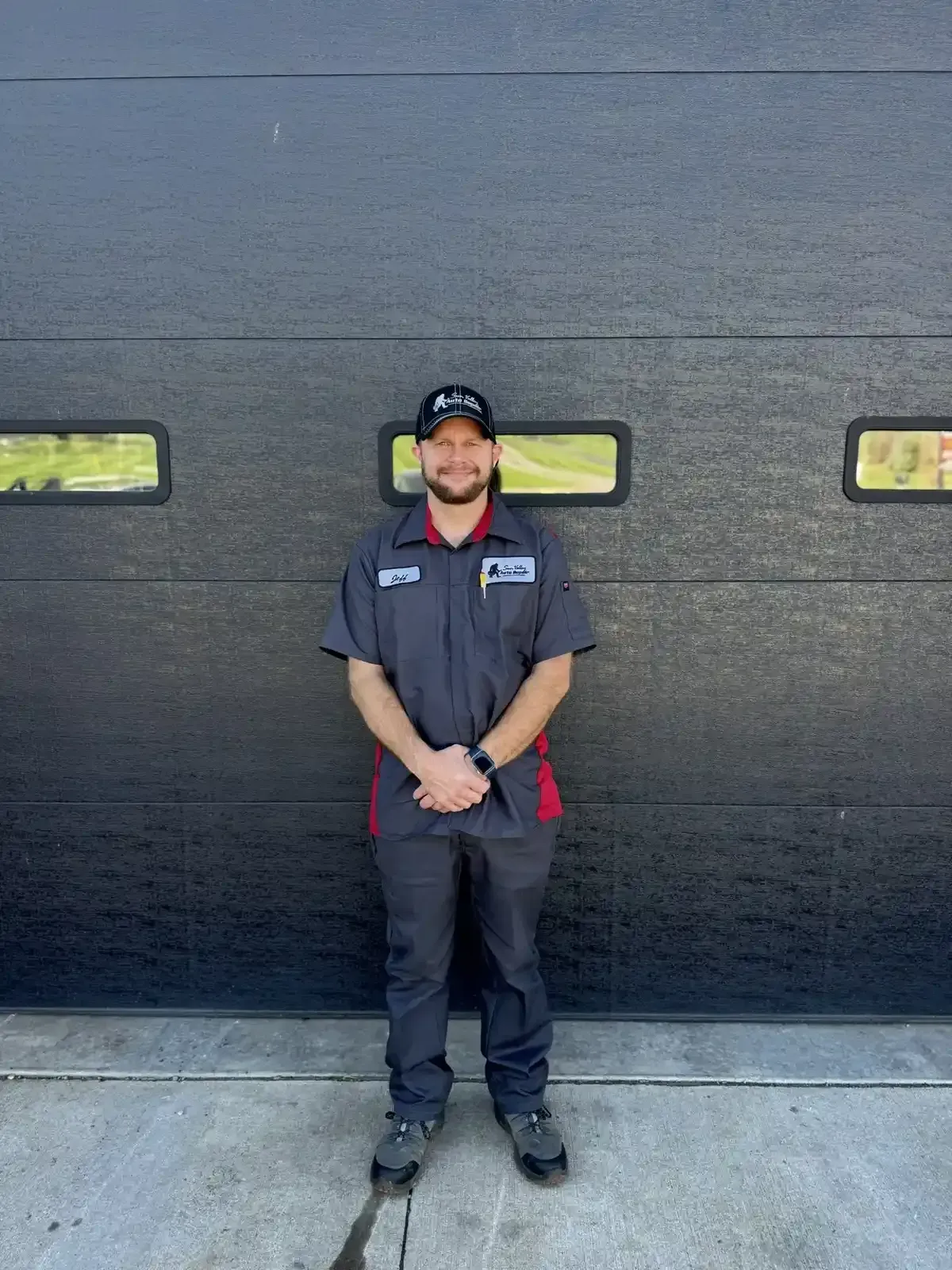
There’s a new face at the front counter! Please join us in welcoming Jeff to the Sun Valley Auto Repair team.
By Sun Valley Auto Repair • October 5, 2026
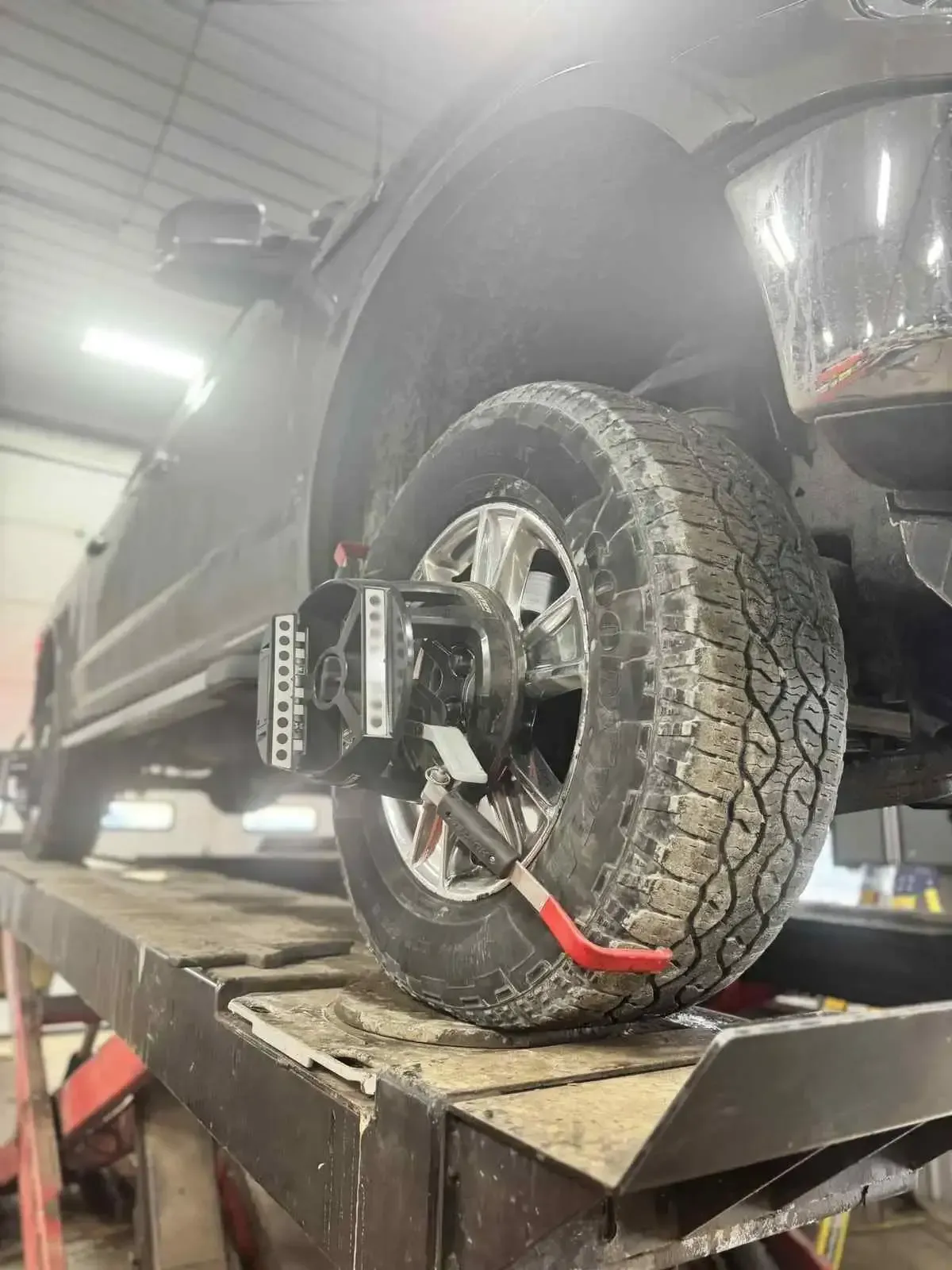
Getting new tires does not automatically mean your vehicle needs an alignment adjustment. It is, however, a good time to have the alignment checked. If your old tires wore...
By Sun Valley Auto Repair • September 28, 2026
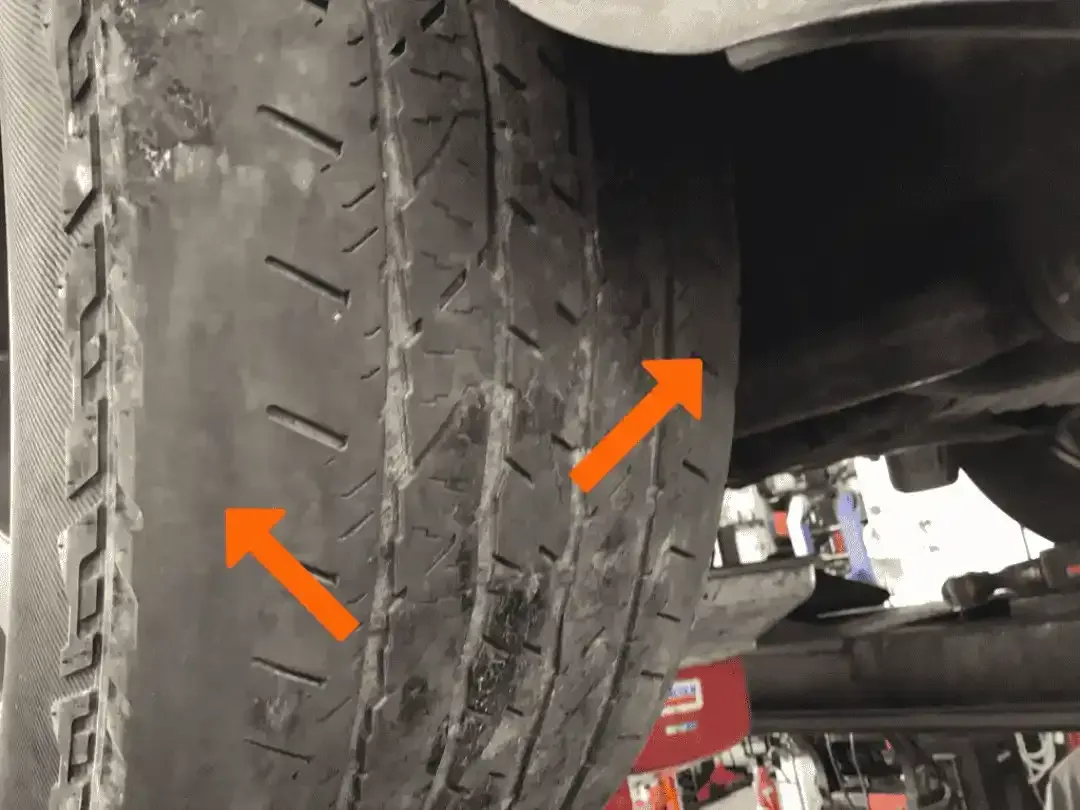
Before winter arrives in Ohio, check your tires for low tread, uneven wear, cracks, bulges and repeated air-pressure loss. Tires should have at least 2/32 inch of tread to remain...
By Sun Valley Auto Repair • August 31, 2026
You turn on your car’s A/C expecting a blast of cold air, but instead you get warm—or barely cool—air coming through the vents. What’s going on?
By Sun Valley Auto Repair • August 18, 2026
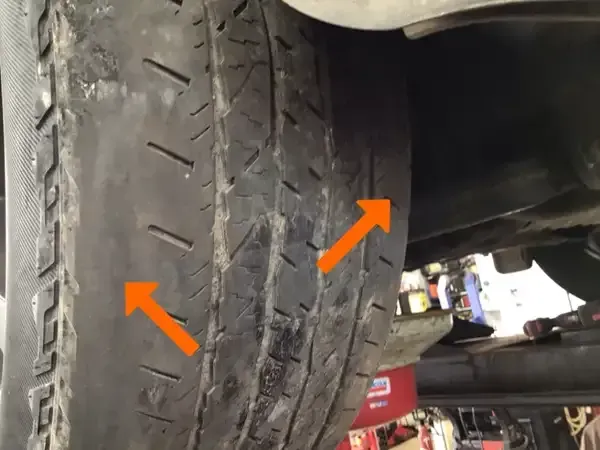
If you've noticed that one edge of your tire is wearing faster than the other, bald spots are developing, or one tire looks noticeably different from the others, your vehicle may...
By Sun Valley Auto Repair • August 12, 2026
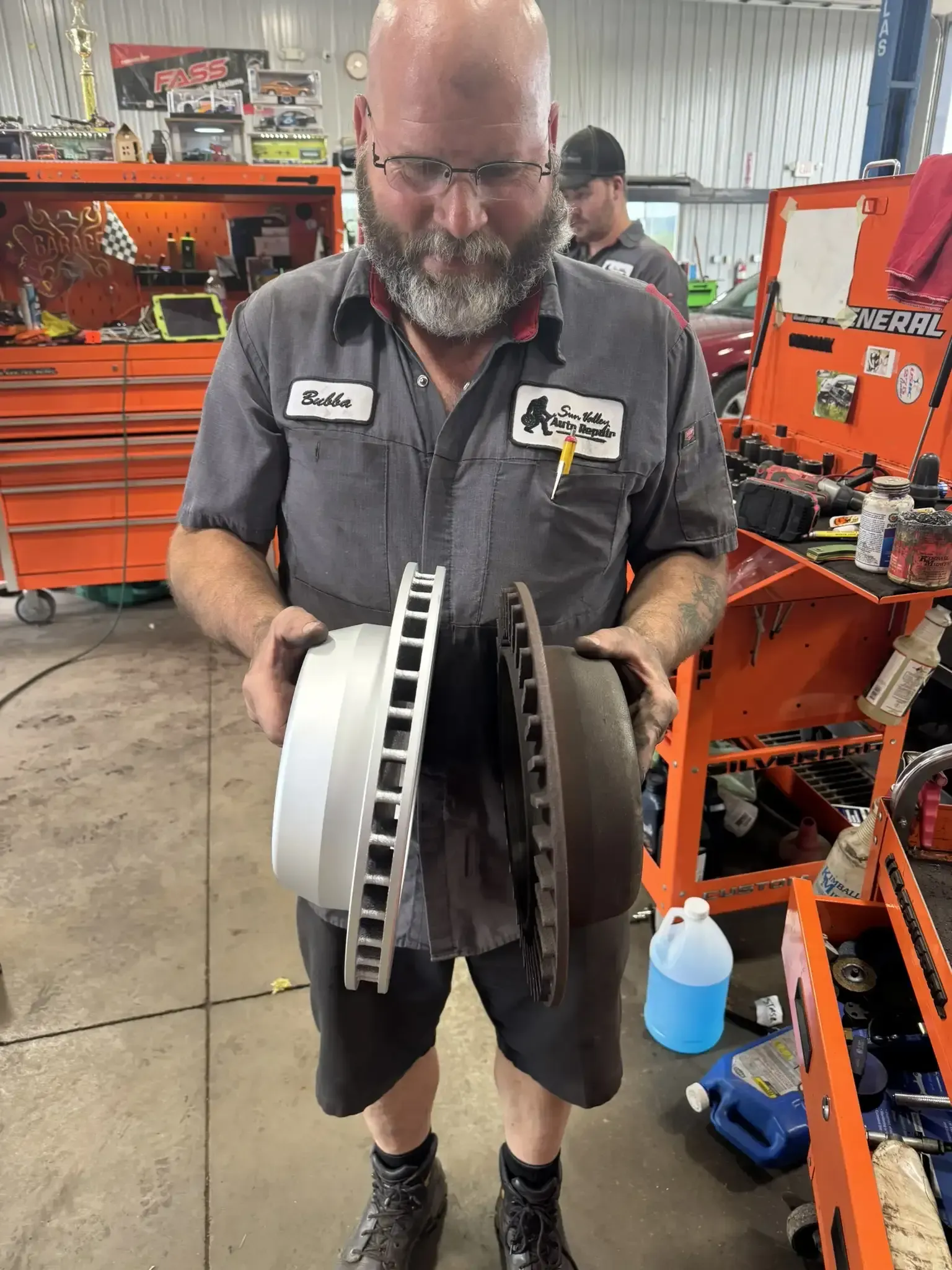
If you've started hearing a grinding noise when you press the brake pedal , don't ignore it. Grinding brakes can be caused by something as simple as surface rust, but they can...
By Sun Valley Auto Repair • July 30, 2026
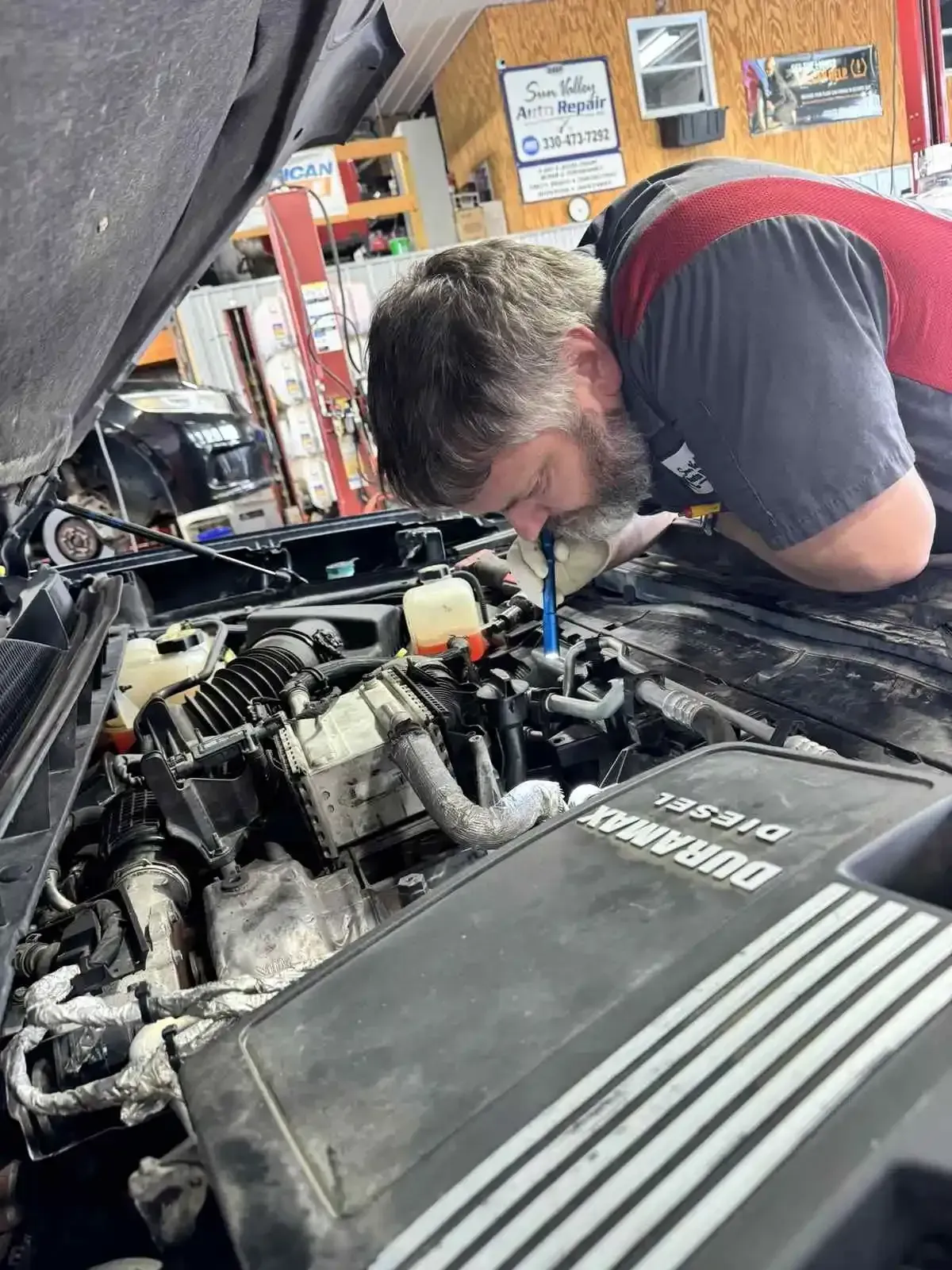
Have you ever wondered what your mechanic is actually looking at when they inspect your vehicle?
By Sun Valley Auto Repair • July 16, 2026
If your business depends on a work truck, van, or commercial fleet, keeping your vehicles properly maintained isn't just good practice—it's essential to protecting your bottom...
By Sun Valley Auto Repair • July 10, 2026
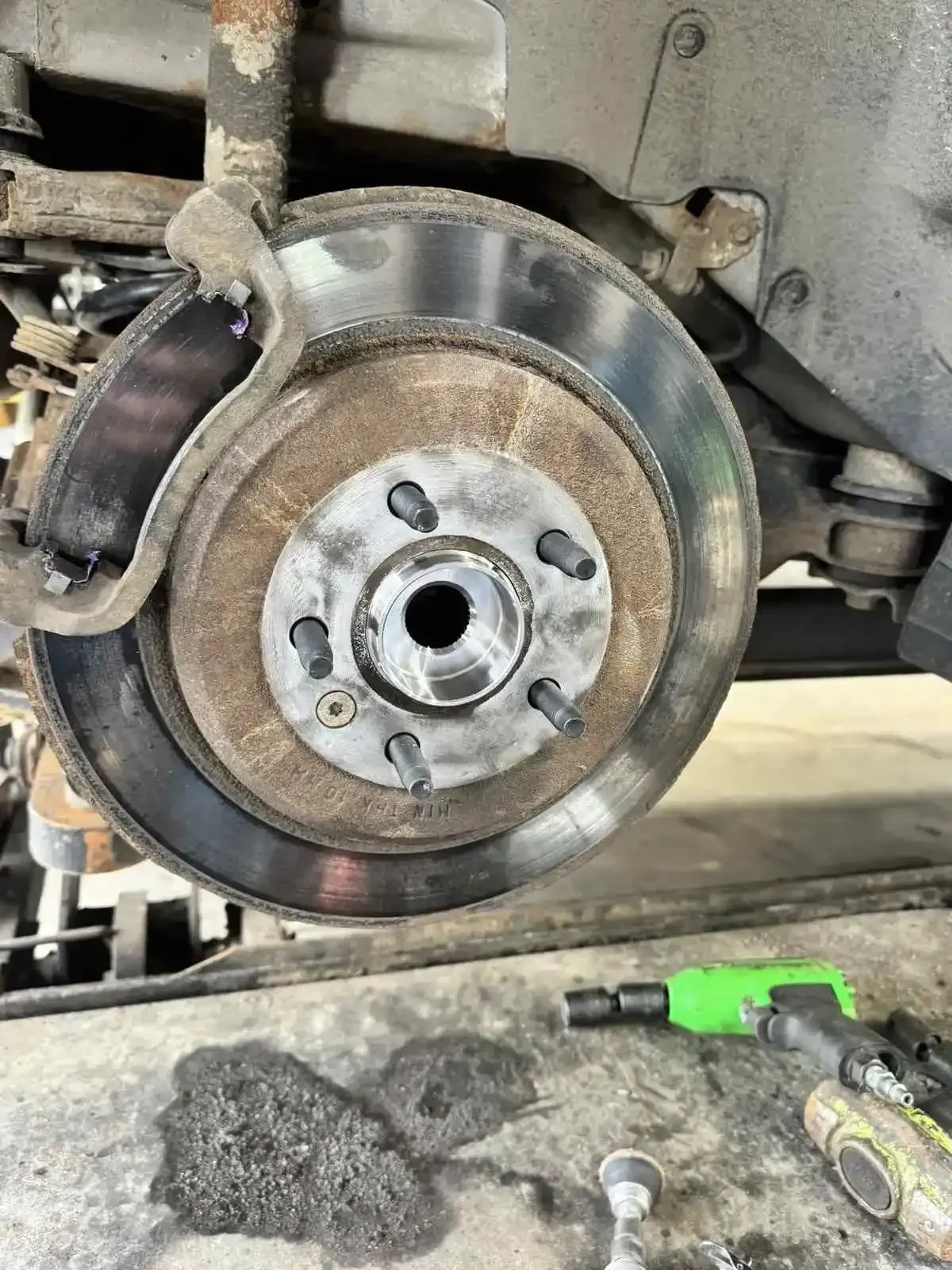
Short answer: Yes—in most cases, we recommend replacing your brake rotors and brake pads at the same time.

Show More